

Taking care of our feet is an essential part of a comprehensive self-care routine, yet it is often overlooked until dryness or roughness becomes noticeable. Imagine a peaceful evening at home: warm, soft lighting, a plush towel, and the soothing ritual of applying a rich, nourishing cream to well-groomed feet. Integrating a specialist foot cream into your daily beauty regimen can transform the texture and appearance of your skin, elevating a simple chore into a luxurious spa-like experience. Understanding how to use these advanced formulations and how to combine them with other home care methods is the key to maintaining soft, healthy-looking feet all year round.
Understanding the Power of Specialist Foot Creams
The skin on our feet is significantly different from the skin on the rest of our body. It is much thicker, particularly on the soles and heels, and lacks sebaceous glands, making it highly prone to dryness, flaking, and rough patches. Regular body lotions often lack the intensive hydrating properties required to penetrate these dense layers. This is where specialist foot creams, often formulated with high-performance cosmetic ingredients, play a vital role.
These specialised products typically contain key cosmetic agents designed to deeply hydrate and gently soften the skin. Common ingredients include urea in safe, cosmetic concentrations (such as 5% to 10%), which acts as a powerful humectant, drawing moisture into the skin barrier. Other nourishing components like shea butter, macadamia oil, and glycerin work in harmony to create a protective lipid layer, preventing moisture loss. By understanding these ingredients, you can select a cream that targets your specific concerns, whether you require gentle daily maintenance or deep nourishment for dry heels.
Step-by-Step Guide to Applying Foot Cream for Maximum Absorption
To get the most out of your specialised foot cream, the application process should be deliberate and mindful. Simply slathering on cream before jumping into bed is not enough to achieve optimal results. Following a structured application method ensures that the active ingredients are fully absorbed and can work effectively.
- Preparation and Cleansing: Always start with clean, thoroughly dried feet. Use a mild soap to wash away daily impurities. Pay special attention to the areas between your toes, ensuring they are completely dry before applying any product to prevent excess moisture buildup.
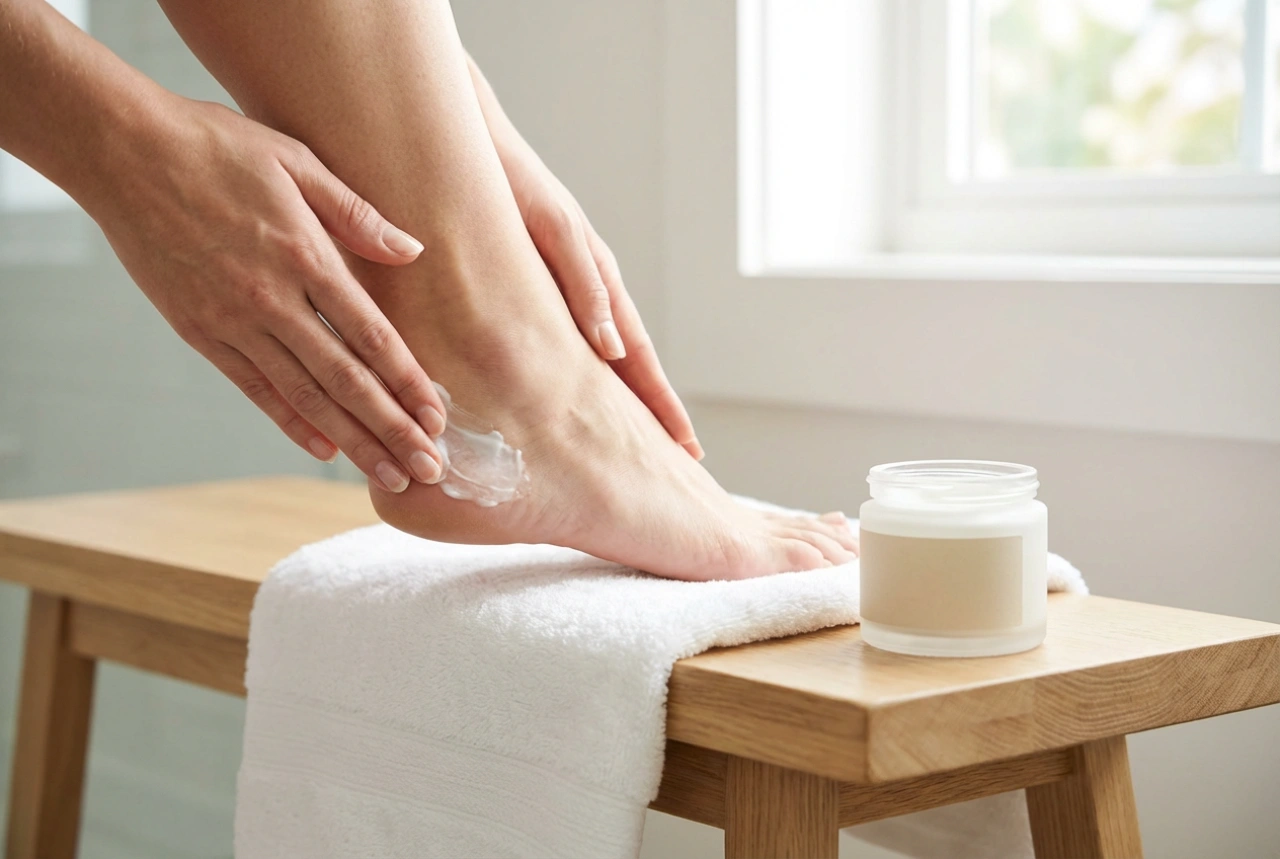
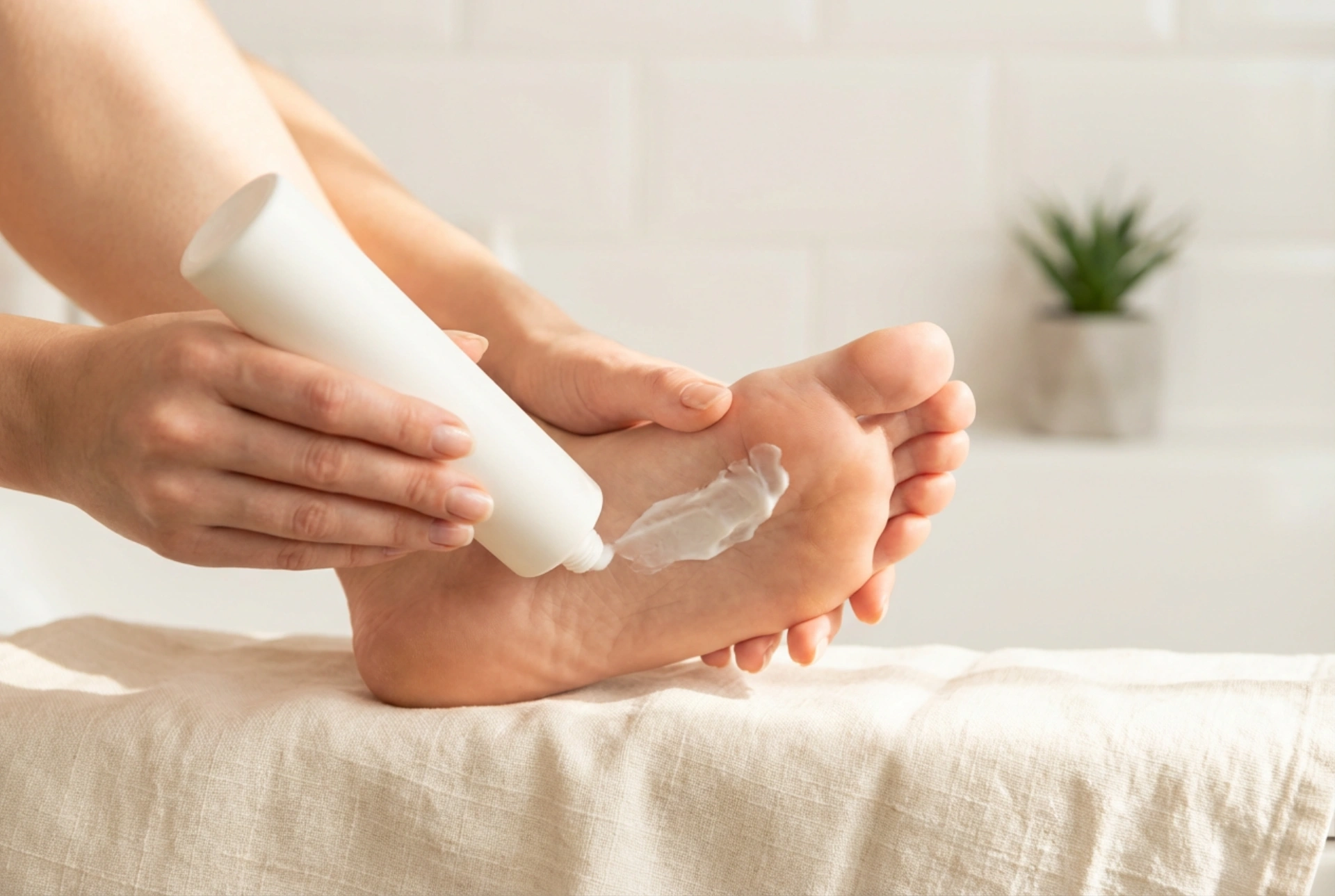
- Warmth and Massage: Squeeze a small, hazelnut-sized amount of cream into your palms and warm it up by rubbing your hands together. Begin massaging the cream into your feet using circular motions, starting from the toes and moving upwards towards the ankles. This massage not only aids product absorption but also stimulates local circulation, relieving fatigue.
- Focusing on Key Zones: Devote extra time to the heels and the balls of your feet, where the skin tends to be thickest. Use firm pressure with your thumbs to work the cream deeply into these areas.
- Avoiding Sensitive Areas: Avoid applying thick layers of cream between your toes. This area naturally retains moisture, and excess cream can lead to unwanted dampness.
Synergistic Combinations: Enhancing Your Home Foot Care
While a high-quality foot cream is highly effective on its own, combining it with other safe, cosmetic home treatments can significantly amplify its benefits. Creating a synergistic routine helps to prep the skin, allowing the cream to penetrate even deeper.
1. Relaxing Foot Baths
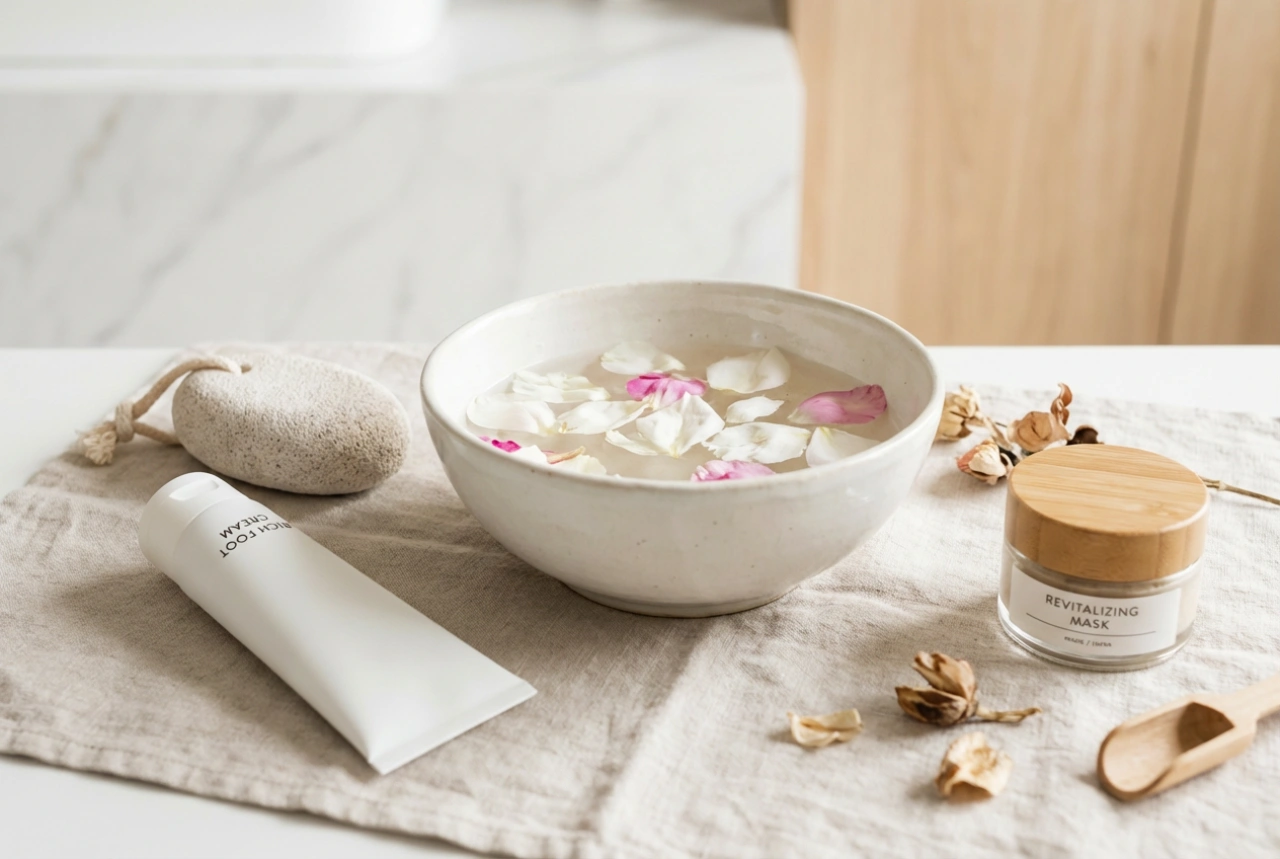
Before applying your cream, treat your feet to a warm foot bath for 10 to 15 minutes. You can add cosmetic salts, such as Epsom salt or sea salt, along with a few drops of soothing essential oils like lavender or chamomile. The warm water softens the thick stratum corneum (the outermost layer of the skin), making it far more receptive to the hydrating ingredients in your foot cream.
2. Gentle Exfoliation
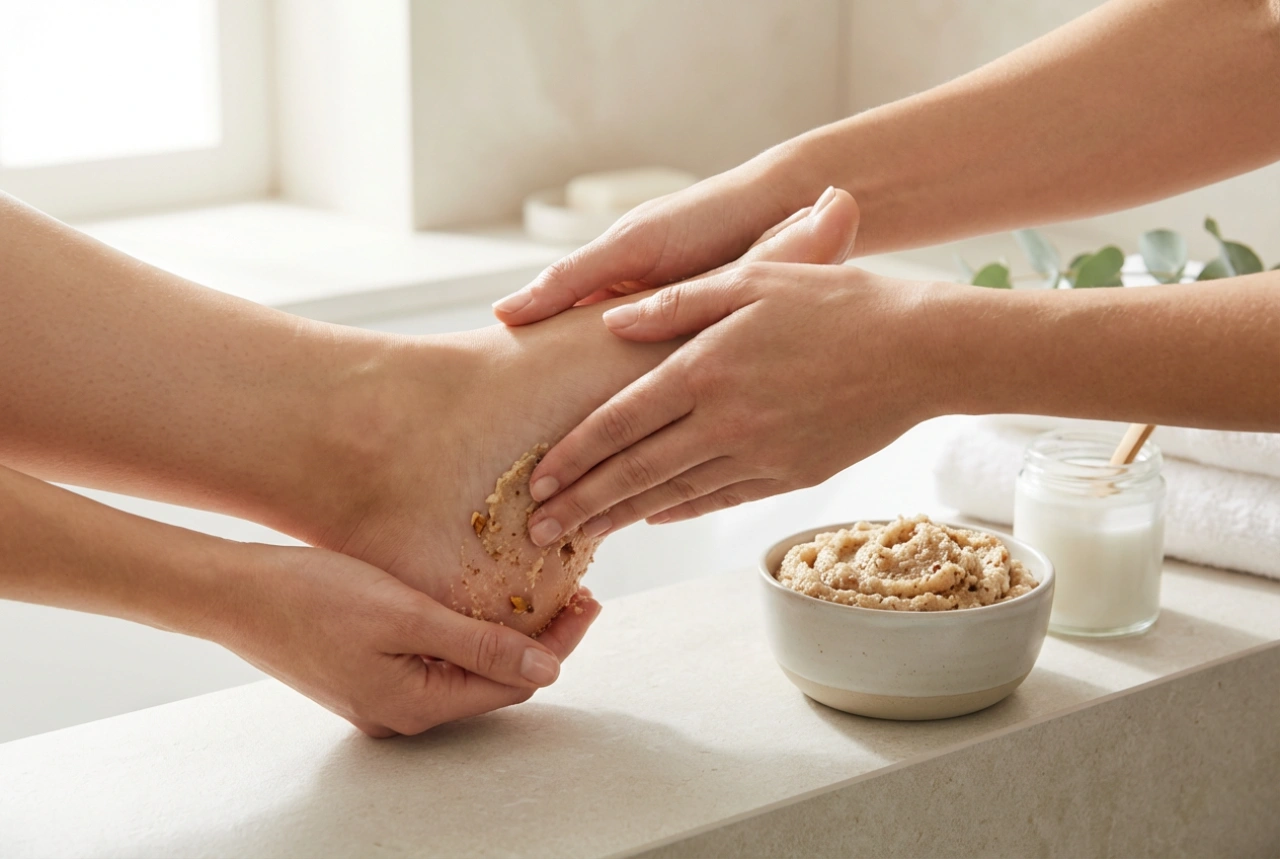
Accumulated dead skin cells can act as a barrier, preventing your cream from absorbing. Once or twice a week, use a gentle exfoliating scrub designed for feet. Sugar-based or salt-based scrubs are excellent choices for removing rough skin without causing irritation. Always follow exfoliation immediately with your nourishing foot cream to replenish lost moisture and seal the skin barrier.
3. The Overnight Cotton Sock Method
For an intensive overnight treatment, apply a slightly thicker layer of your specialist cream to your feet, massage it in well, and immediately slip on a pair of clean, breathable cotton socks. The socks trap the moisture and warmth, acting as an occlusive barrier that encourages the cream to work its magic while you sleep. You will wake up with noticeably softer, smoother skin.
Common Mistakes to Avoid in Your Foot Care Routine
Even with the best products, certain habits can hinder your progress or lead to sub-optimal results. Being aware of these common pitfalls will help you maintain beautiful feet safely.
Firstly, inconsistency is the enemy of smooth skin. Applying foot cream only when your heels feel rough will not yield lasting results. Consistency is key; make it a daily habit, just like brushing your teeth or applying facial moisturiser. Secondly, using aggressive mechanical tools like metal rasps or scrapers can actually trigger the skin to produce even thicker, rougher patches as a defence mechanism. Stick to gentle cosmetic scrubs and nourishing creams instead. Lastly, never apply foot cream to damp or wet skin, as this can dilute the formulation and reduce its effectiveness.