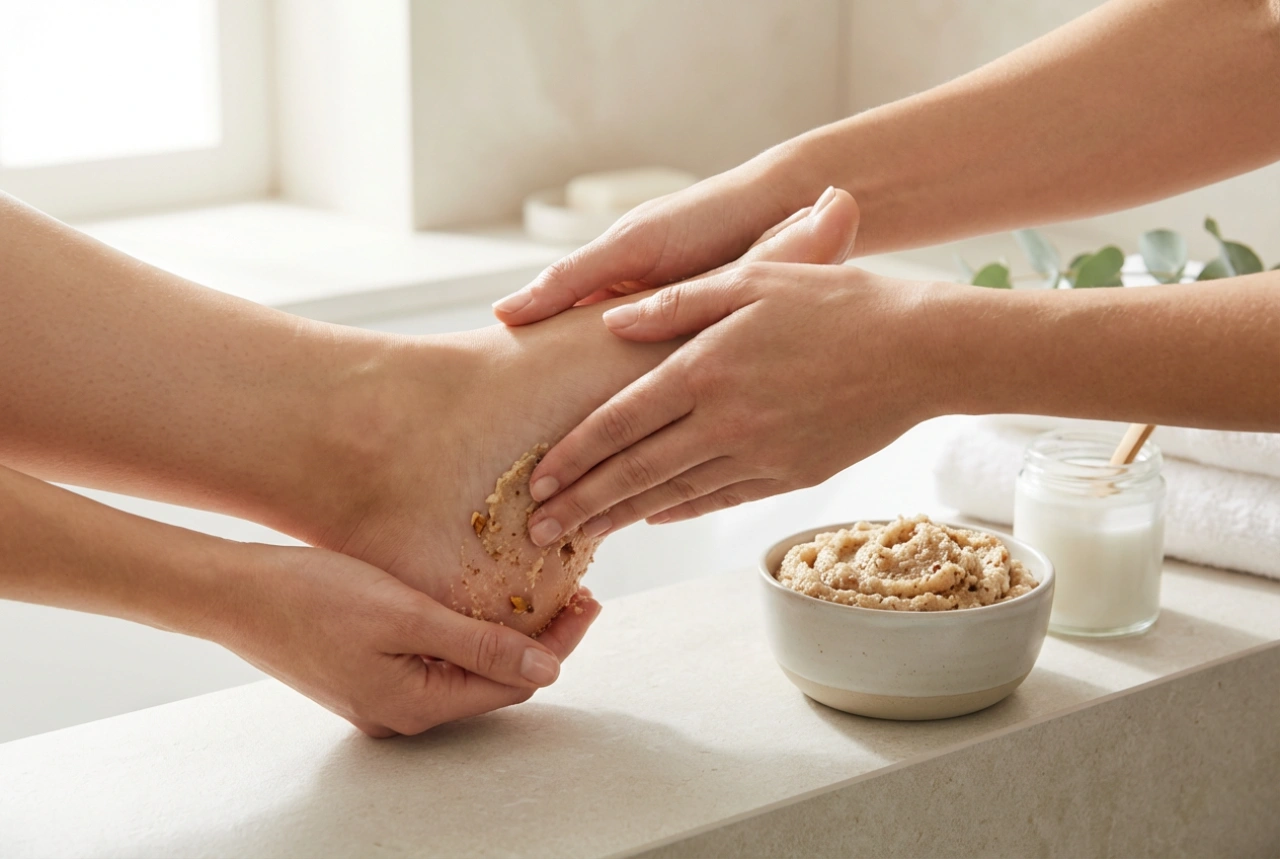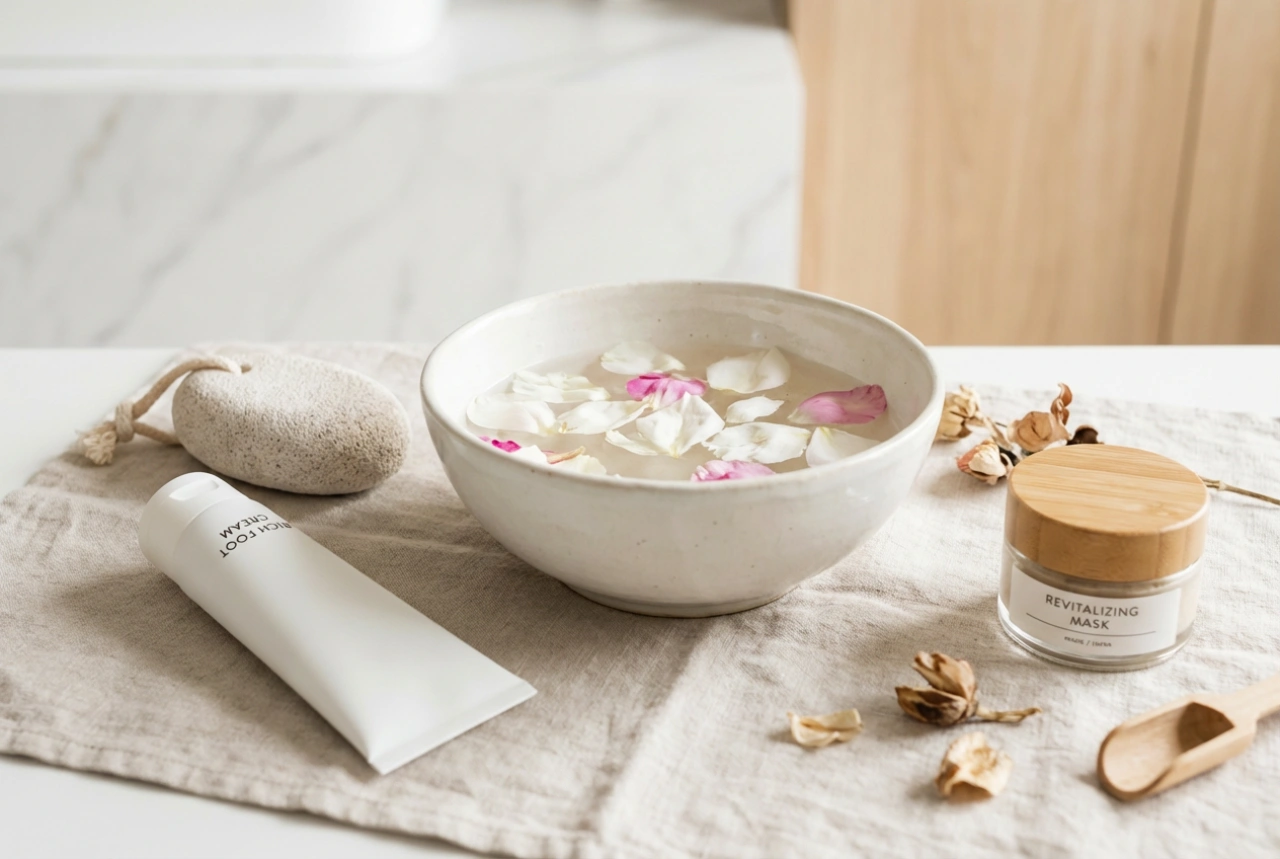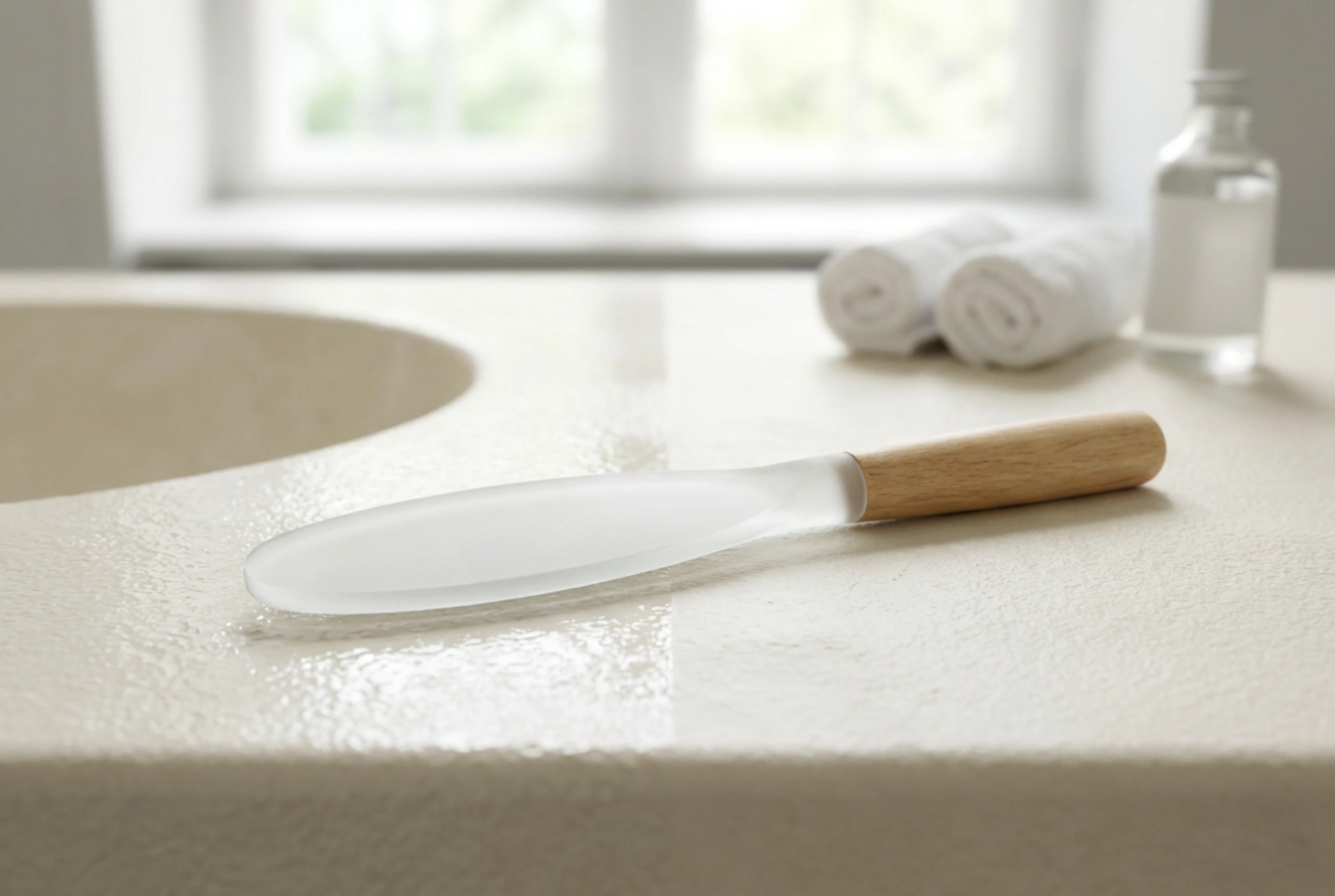


Achieving soft, smooth feet is a cornerstone of personal grooming, represented beautifully by the simple elegance of a minimalist foot file resting on a partially dampened surface. This dual setting highlights the age-old debate in home pedicure routines: should you file your feet when they are completely dry, or is it better to perform this task on wet, softened skin? Both methods have their distinct advantages and ideal applications. Understanding when and how to apply each technique can elevate your foot care routine, ensuring your skin remains healthy, smooth, and free from discomfort without resorting to invasive salon treatments.
Understanding the Principles of Foot Exfoliation
The skin on our feet is naturally thicker than the skin on the rest of our body, designed to withstand daily pressure and friction. Over time, dead skin cells accumulate, leading to rough patches and calluses. Exfoliation helps to gently remove this buildup, restoring a soft texture and allowing moisturising creams to penetrate more deeply. When using a foot file, the state of the skin plays a critical role in the outcome. Dry skin is firm and stable, whereas wet skin is softer and more pliable. Choosing between the two methods depends largely on your skin type, the thickness of the calluses, and your personal comfort.
When to Choose Dry Foot Filing
Dry filing is often favoured by beauty enthusiasts and professionals alike for its precision and efficiency. When the skin is dry, it is much easier to identify the exact areas that require attention. Calluses appear as distinct, hardened patches, allowing you to target them without affecting the surrounding healthy, soft skin.
Here are the primary benefits and scenarios where dry filing excels:
- Targeted callus removal: On dry feet, you can clearly see the dead skin being turned into a fine powder. This immediate feedback prevents you from over-filing, which can cause irritation.
- Less risk of tearing: Dry skin holds its structure. The friction of the foot file gently wears away the top layer without pulling or tearing the skin underneath.
- Time-saving: There is no need for a lengthy pre-soak. You can quickly address rough spots before stepping into the shower or as a quick touch-up during the week.
When to Choose Wet Foot Filing
Wet filing is a more traditional method, deeply integrated into classic home spa rituals. This approach relies on water to soften the keratin bonds in the dead skin, making the outer layers exceptionally easy to sweep away. It is an excellent choice for general maintenance and overall skin softening.
Consider wet filing in the following situations:
- Gentle overall smoothing: If you do not have thick, stubborn calluses but simply want to refresh the entire sole of your foot, wet filing after a shower is highly effective.
- Sensitive skin: The water acts as a natural lubricant, reducing the intensity of the friction between the file and your skin. This makes the process feel much gentler.
- Relaxing home spa experience: Incorporating foot filing into a warm bath ritual adds a sensory element of relaxation and self-care to your weekly routine.
How to Combine Both Methods Safely
For the ultimate home care routine, you do not have to limit yourself to just one technique. Many find success by combining both approaches. For instance, you can use a dry file once a fortnight to target specific stubborn calluses, and use a gentler wet file during your weekly shower for overall maintenance. Regardless of the method you choose, consistency and gentle pressure are key. Applying too much force can trigger the skin to produce even thicker calluses as a protective mechanism.
Essential Post-Care and Tool Maintenance
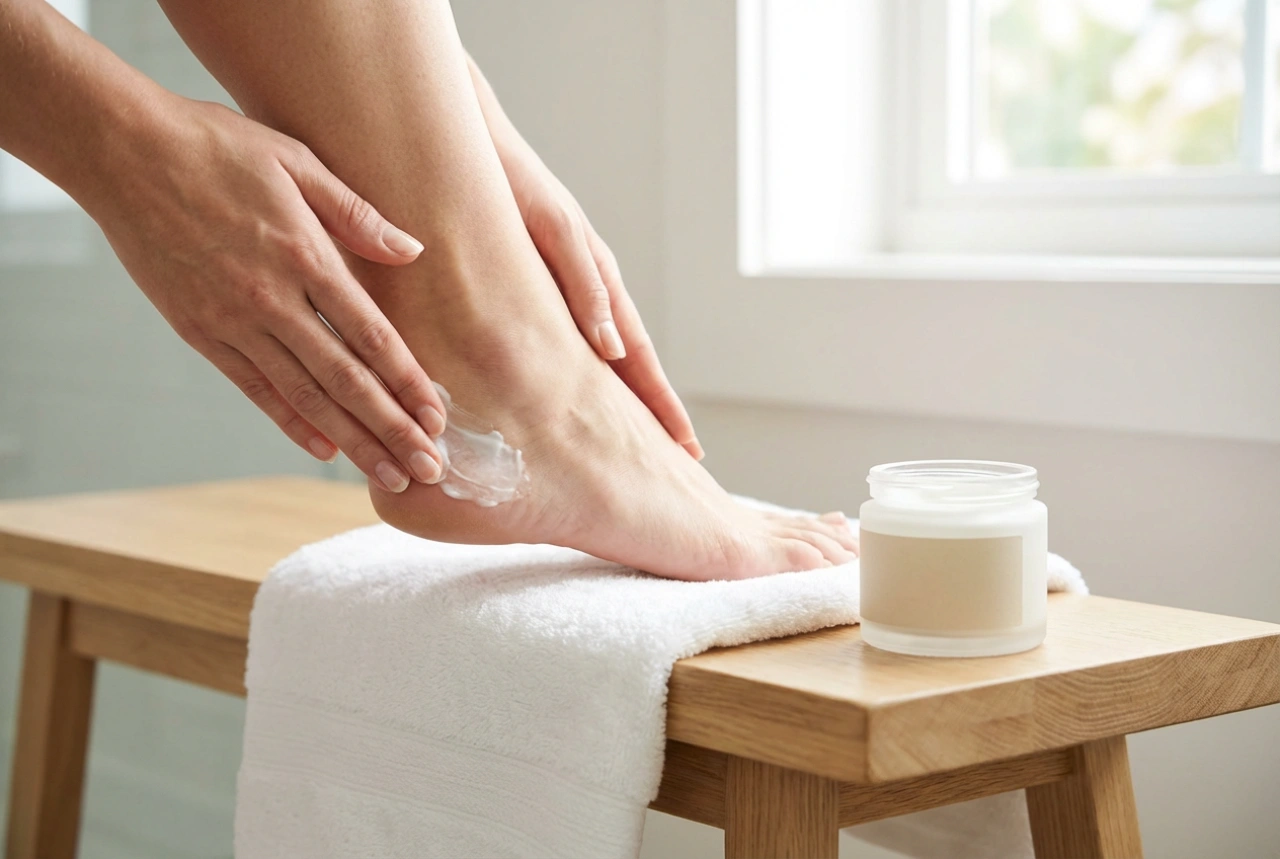
Once you have finished filing, washing your feet with lukewarm water is essential to remove any loose skin particles. Follow this immediately with a generous application of a rich, hydrating foot cream or balm. Look for ingredients like shea butter, glycerin, or natural oils to lock in moisture and protect the newly exposed skin. Additionally, maintaining your foot file is crucial for hygiene. Always rinse the file under warm water, clean it with a gentle soap, and let it dry completely in a well-ventilated area to keep it pristine for your next use.