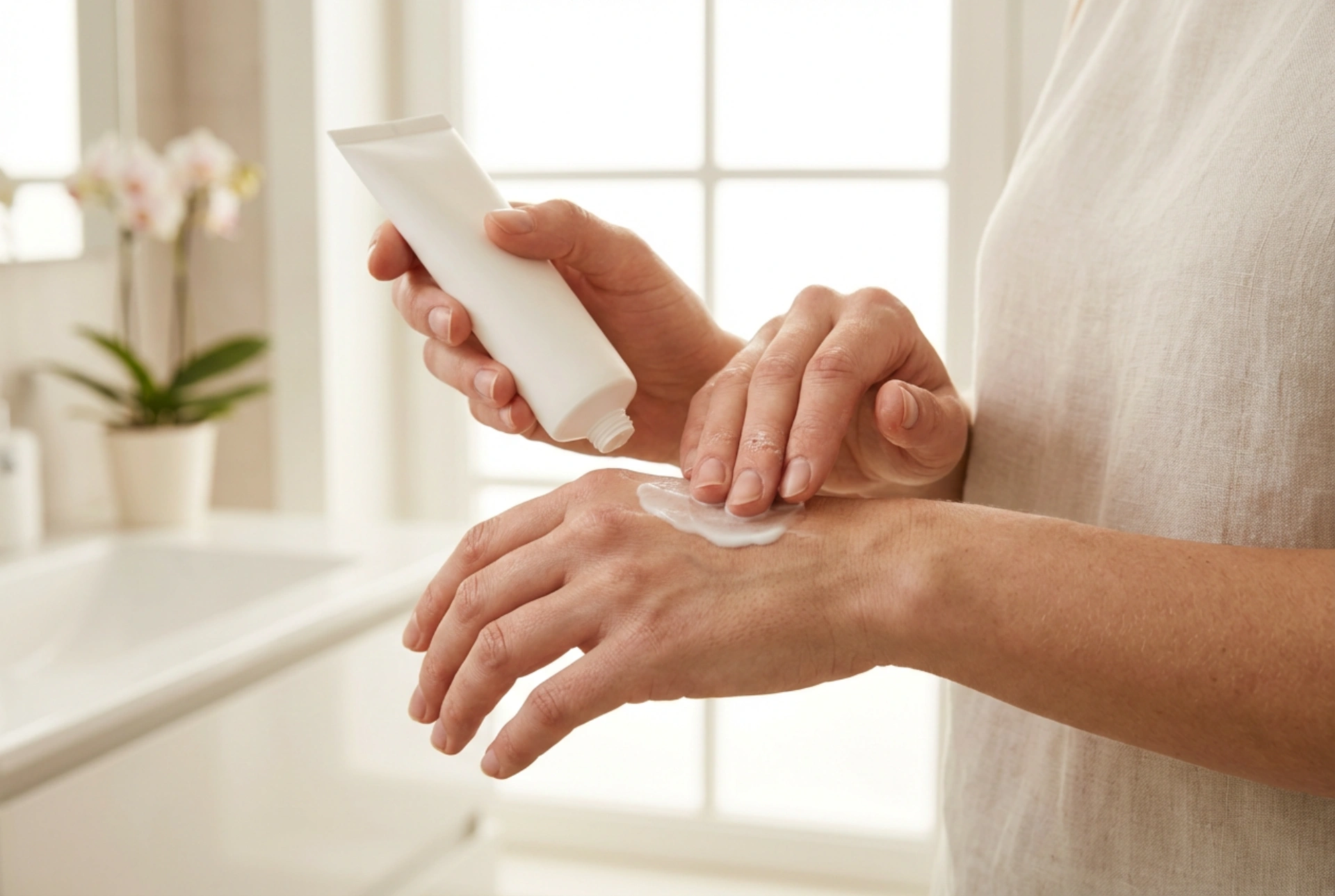


There is a comforting elegance in the simple act of applying a rich, soothing cream to dry hands, watching the skin instantly soften under a veil of moisture. During the colder months, however, maintaining this level of comfort becomes a continuous challenge. Our hands are constantly exposed to harsh environmental factors, from freezing outdoor temperatures to dry indoor heating, and the frequent use of household detergents. Unlike the face, the skin on the backs of our hands is incredibly thin and contains very few sebaceous glands, making it highly susceptible to dryness, roughness, and irritation. Establishing a dedicated recovery routine is essential to restore comfort and protect this vulnerable area from the elements.
Understanding the Vulnerability of Hand Skin
To effectively care for dry and chapped hands, it is important to understand why they are so vulnerable. The skin on our hands features a unique structure: the palms are thick but lack oil glands, while the backs of the hands have extremely thin skin with minimal natural lipid protection. When exposed to cold air, blood vessels constrict to conserve heat, which reduces the delivery of nutrients and moisture to the skin's surface. Additionally, low humidity levels both outdoors and indoors accelerate water loss from the epidermis.
When you combine these natural winter challenges with everyday household tasks, the damage can multiply. Regular soaps and cleaning detergents contain strong surfactants designed to strip away grease. Unfortunately, these chemicals cannot differentiate between external dirt and the skin's essential protective lipids. Each wash with harsh products further degrades the hydrolipid barrier, leading to moisture evaporation, stiffness, and micro-cracks that cause discomfort.
The Quick Relief Plan: Immediate Steps to Soothe Dry Skin
When hands are already feeling rough and tight, immediate intervention is necessary to halt further moisture loss and initiate the recovery process. A simple yet highly disciplined routine can bring rapid relief:
- Switch to Lukewarm Water: Washing hands in hot water might feel comforting in the winter, but it actually strips away the remaining natural oils. Always use lukewarm water, which is far gentler on a compromised skin barrier.
- Pat Dry, Do Not Rub: Rough drying with a coarse towel can irritate sensitive skin. Gently pat your hands dry with a soft, clean cotton towel, leaving a tiny hint of moisture on the skin surface.
- The 3-Minute Rule: Apply your hand cream within three minutes of washing. Applying moisturiser to slightly damp skin helps trap surface water and enhances the absorption of active ingredients.
- Gentle Cleansing: Replace standard, highly scented soaps with creamy, lipid-replenishing hand washes or gentle cleansing oils that cleanse without disrupting the skin barrier.
Key Ingredients to Look For in Hand Creams
Not all moisturisers are created equal when it comes to repairing severely dry hands. To achieve deep nourishment and long-lasting protection, look for formulas that combine three main types of ingredients: humectants, emollients, and occlusives.
Humectants, such as glycerin, hyaluronic acid, and urea, act as moisture magnets. They draw water from the deeper layers of the skin or the surrounding air into the outer layer of the epidermis, instantly plumping and hydrating the skin cells. Emollients, which include natural plant oils like almond oil, avocado oil, and jojoba oil, work to fill in the gaps between peeling skin cells, smoothing the texture and restoring elasticity.
Finally, occlusives are essential for sealing all that goodness in. Ingredients like shea butter, beeswax, and plant-derived squalane create a physical, breathable barrier on the surface of the skin. This barrier mimics the missing lipid layer, preventing water from evaporating into the dry winter air and shielding the hands from external irritants.
Advanced Care: The Overnight Regeneration Treatment
While daytime care focuses on lightweight protection that allows you to continue with your daily activities, the nighttime is when the skin undergoes its natural repair processes. An intensive overnight treatment can dramatically transform the condition of your hands by morning.
Before going to bed, apply a very thick, generous layer of a rich nourishing balm or cream to your hands. Massage it slowly, paying special attention to the cuticles, knuckles, and any particularly dry patches. To maximise the benefits, slip on a pair of clean, breathable cotton gloves. The gloves prevent the product from rubbing off onto your bedsheets and create a warm, micro-environment that helps the active ingredients penetrate deeper into the skin. When you wake up, your hands will feel noticeably softer, smoother, and deeply hydrated.
Preventative Habits for Long-Term Protection
Consistently protecting your hands from damage is far easier than trying to repair them once they become severely dry. Incorporating a few simple habits into your daily routine can prevent dryness from returning:
- Wear Gloves Outdoors: Never leave the house in freezing weather without a pair of warm gloves. Wind and cold are incredibly dehydrating, and even a few minutes of exposure can trigger dryness.
- Protect Your Hands During Housework: Always wear waterproof utility gloves when washing dishes, cleaning surfaces, or handling any household chemicals. This simple step completely eliminates direct contact with damaging detergents.
- Keep Moisturiser Everywhere: Place a tube of hand cream next to every sink in your home, on your desk, and in your handbag. Having it readily available serves as a constant reminder to reapply after every wash.