

Beautifully smooth, well-cared-for heels are a symbol of comfort and confidence, yet maintaining this delicate area requires regular attention. Our feet carry the weight of our entire body daily, subjecting the skin on our heels to constant pressure, friction, and environmental dryness. Applying a rich, nourishing cream to rough heels is more than just a pampering ritual; it is an essential step to restore moisture and protect the skin barrier. Understanding how to care for dry feet at home can prevent cosmetic imperfections and ensure your skin remains soft, supple, and healthy-looking throughout the seasons. Incorporating dedicated foot care into your weekly beauty regimen helps maintain the aesthetic appeal and overall comfort of your feet.
Understanding the Causes of Dry Foot Skin
The skin on our feet is naturally different from the skin on the rest of our body. It is significantly thicker, particularly on the soles and heels, to withstand constant friction and impact. However, this area lacks sebaceous glands, which produce natural sebum to keep the skin lubricated. This means the feet rely entirely on sweat glands for hydration, making them highly susceptible to moisture loss. When feet are subjected to dry air, synthetic socks, open-backed footwear, or prolonged standing, the outer layer of the skin quickly becomes dehydrated. Over time, the skin loses its natural elasticity, leading to rough patches, thickening of the stratum corneum, and cosmetic cracks around the edges of the heels. Environmental factors, such as indoor heating during the winter and excessive sun exposure in the summer, can further deplete the skin of its natural moisture levels.
Quick Relief: Simple Steps for Softer Feet
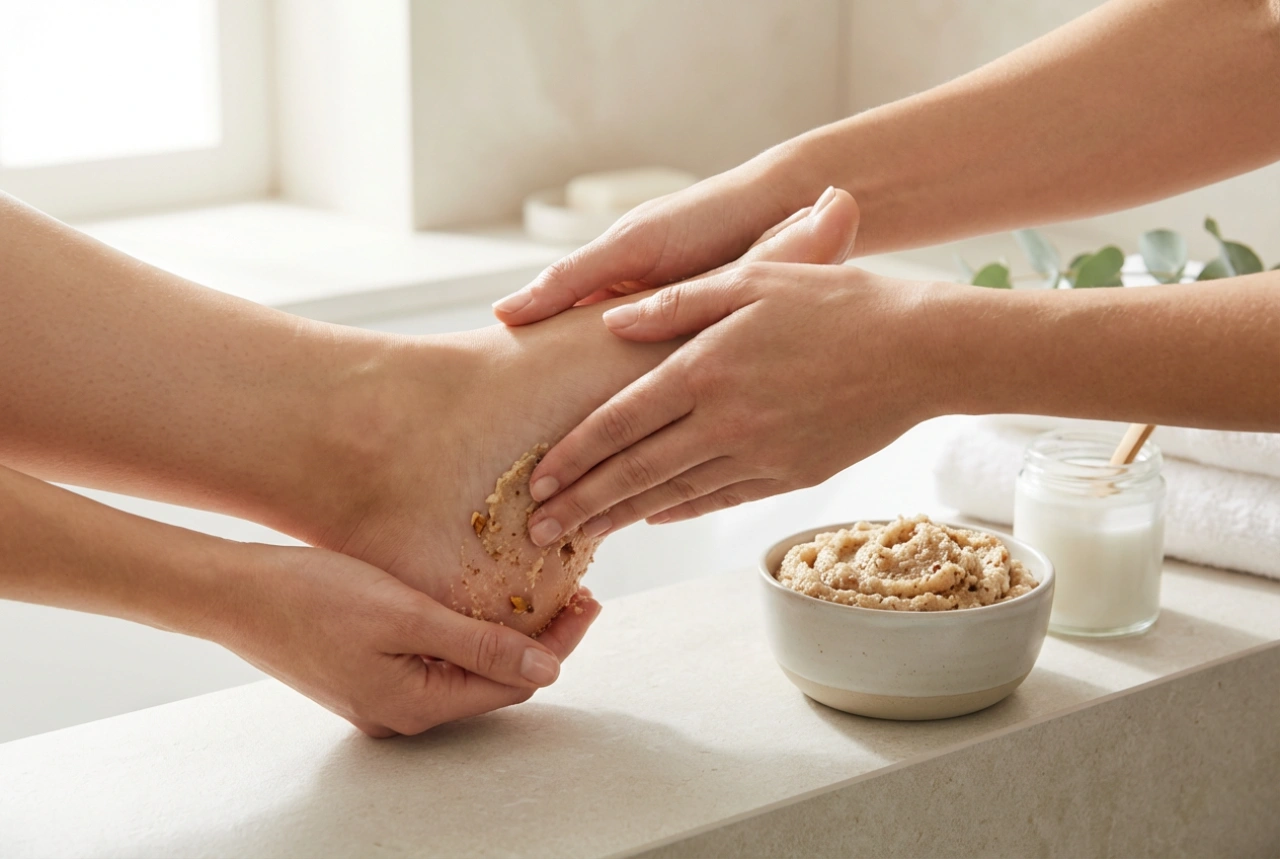
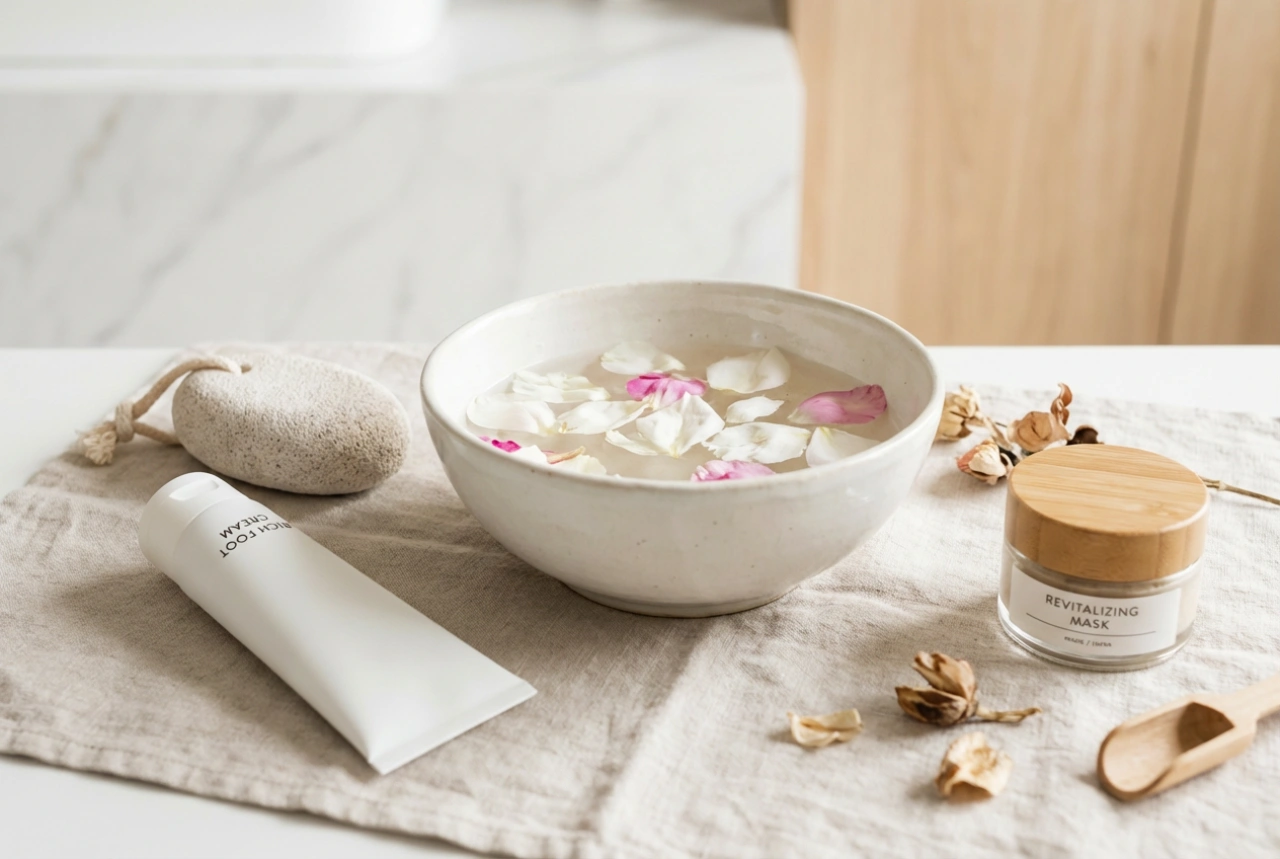
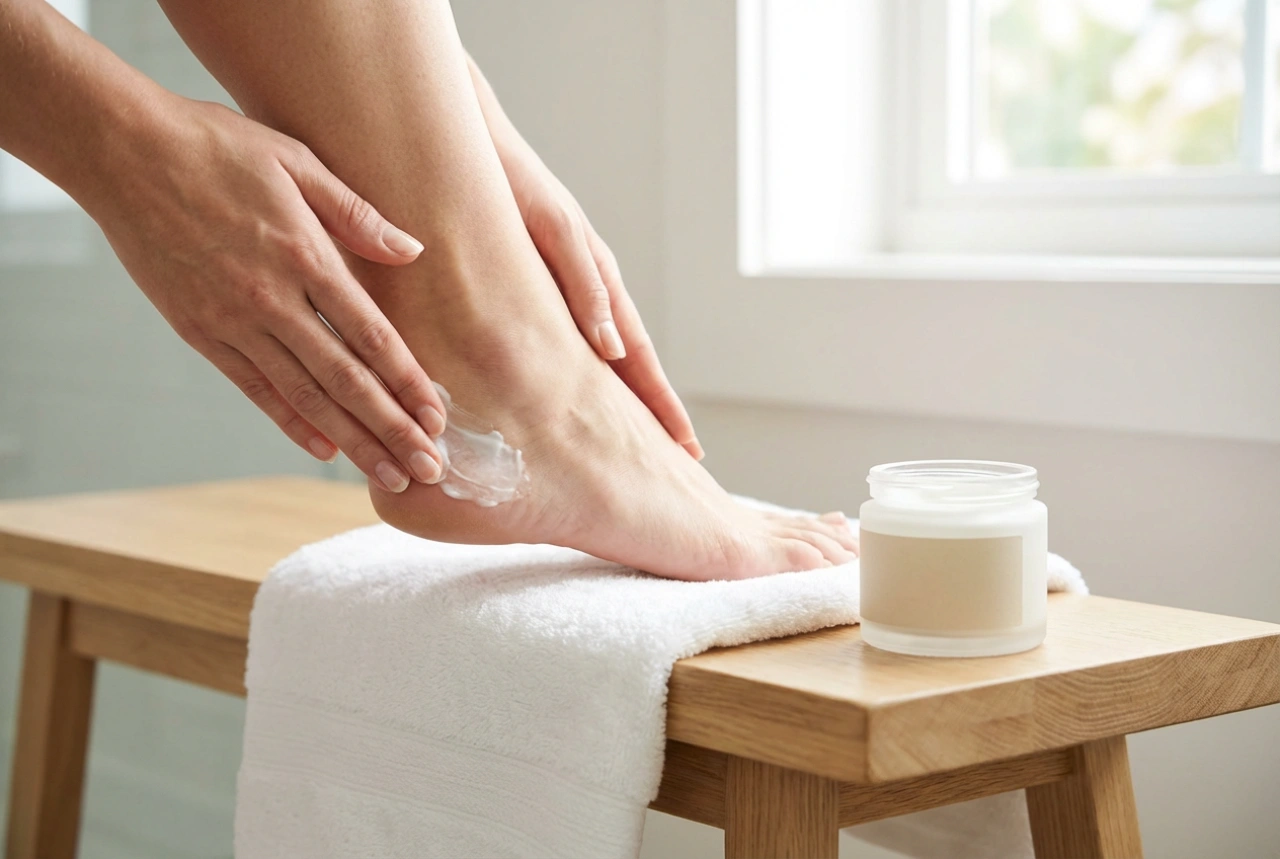
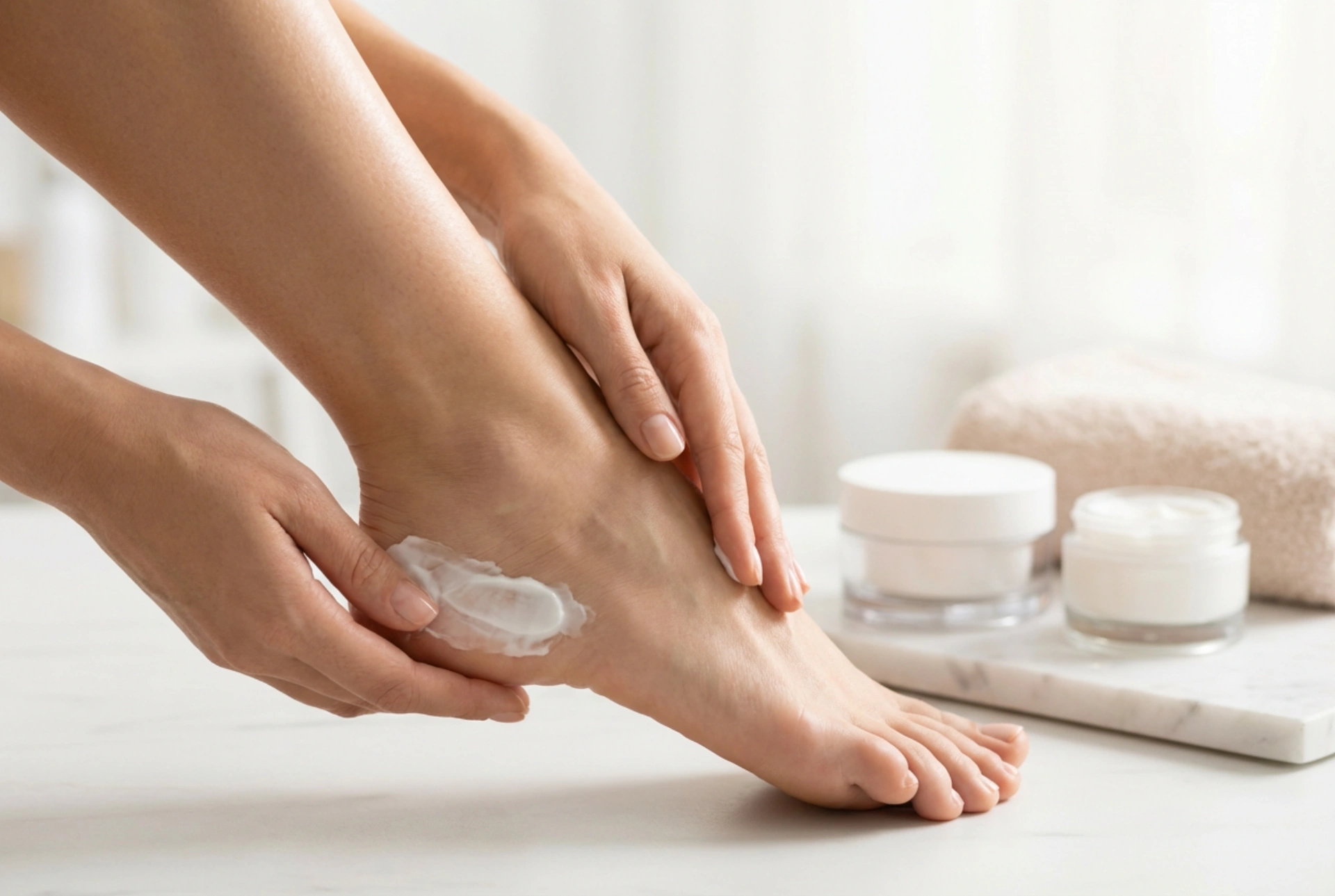
If your heels have already become dry and rough, a systematic cosmetic intervention can quickly restore comfort and smoothness. The process should always begin with gentle preparation. Soaking your feet in a warm bath enriched with natural oils, such as sweet almond or jojoba oil, helps to soften the hardened outer layer of skin. You can also add a few drops of lavender or eucalyptus essential oil to create a relaxing spa-like experience at home. After a relaxing fifteen-minute soak, use a gentle physical exfoliator, such as a fine foot file or a natural scrub, to remove the outermost dead skin cells. It is crucial to proceed with caution during this step to avoid stripping away too much skin. Once the feet are dry, immediately apply a generous layer of a rich moisturising cream to lock in the hydration while the skin is still highly receptive. This immediate application prevents the moisture from evaporating and helps to kickstart the softening process.
Essential Ingredients for Foot Hydration
When selecting skincare products for dry heels, the formulation plays a vital role in achieving lasting results. Look for rich emollient creams that contain a combination of humectants and occlusives. Humectants, such as glycerin and low-concentration urea, work by drawing moisture into the skin layers and holding it there. Occlusives, including shea butter, lanolin, and natural plant waxes, create a protective barrier on the skin's surface, preventing moisture from evaporating. Natural oils like avocado oil and coconut oil are also excellent additions, as they are packed with essential fatty acids that nourish and repair the skin barrier. Additionally, ingredients like panthenol and allantoin are highly beneficial for soothing irritated skin and supporting the natural regeneration of the epidermis, helping to maintain a beautifully smooth texture.
A Long-Term Care Routine to Prevent Dryness
Consistency is key when it comes to maintaining soft, healthy-looking heels. Developing a daily evening routine will prevent the build-up of dry skin and keep your feet in optimal condition. Make it a habit to apply a deeply hydrating foot cream every night before bed. For an intensive overnight treatment, apply a thick layer of emollient cream and slip on a pair of clean, breathable cotton socks. This locks in the moisture and allows the active ingredients to penetrate deeply while you sleep. Additionally, ensure you drink plenty of water throughout the day to keep your body hydrated from within, and choose supportive, comfortable footwear that minimises excessive friction on the heels. In summer, try to limit the use of open-back shoes, which allow the heel to expand sideways and promote cracking.
Common Pitfalls in Foot Care
While trying to achieve smooth skin, it is easy to make mistakes that can actually worsen the condition of your heels. One of the most common errors is over-exfoliating. Using harsh metal scrapers or grating tools too aggressively can damage the healthy layers of skin beneath. This excessive friction triggers a protective mechanism in the body, causing the skin to regenerate even faster and thicker than before. Another mistake is neglecting daily moisturisation and only applying cream when the heels are already visibly dry. Ignoring the foot-care routine during colder months is also a frequent oversight, whereas year-round maintenance is essential. Treating foot care as a regular part of your beauty routine, rather than an occasional fix, is the secret to beautiful, soft feet all year round.