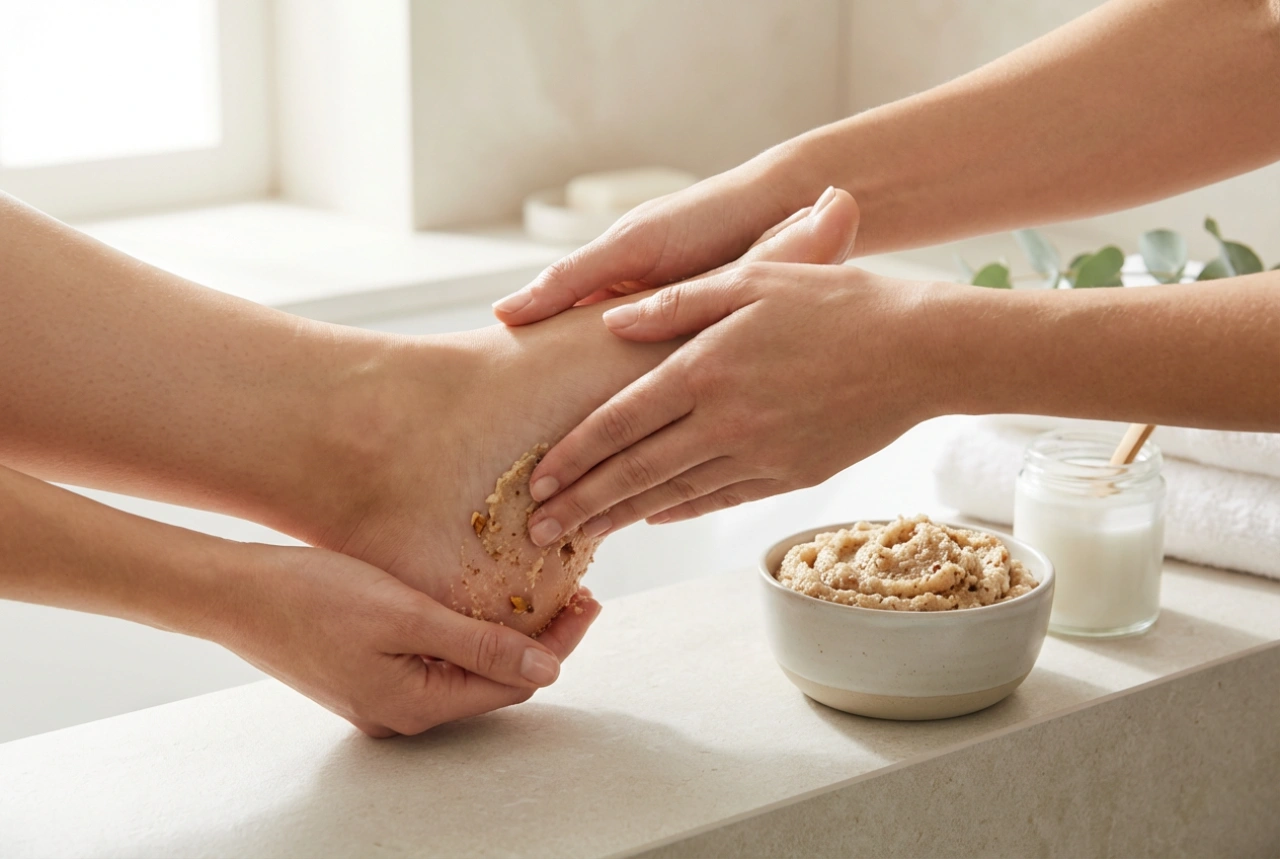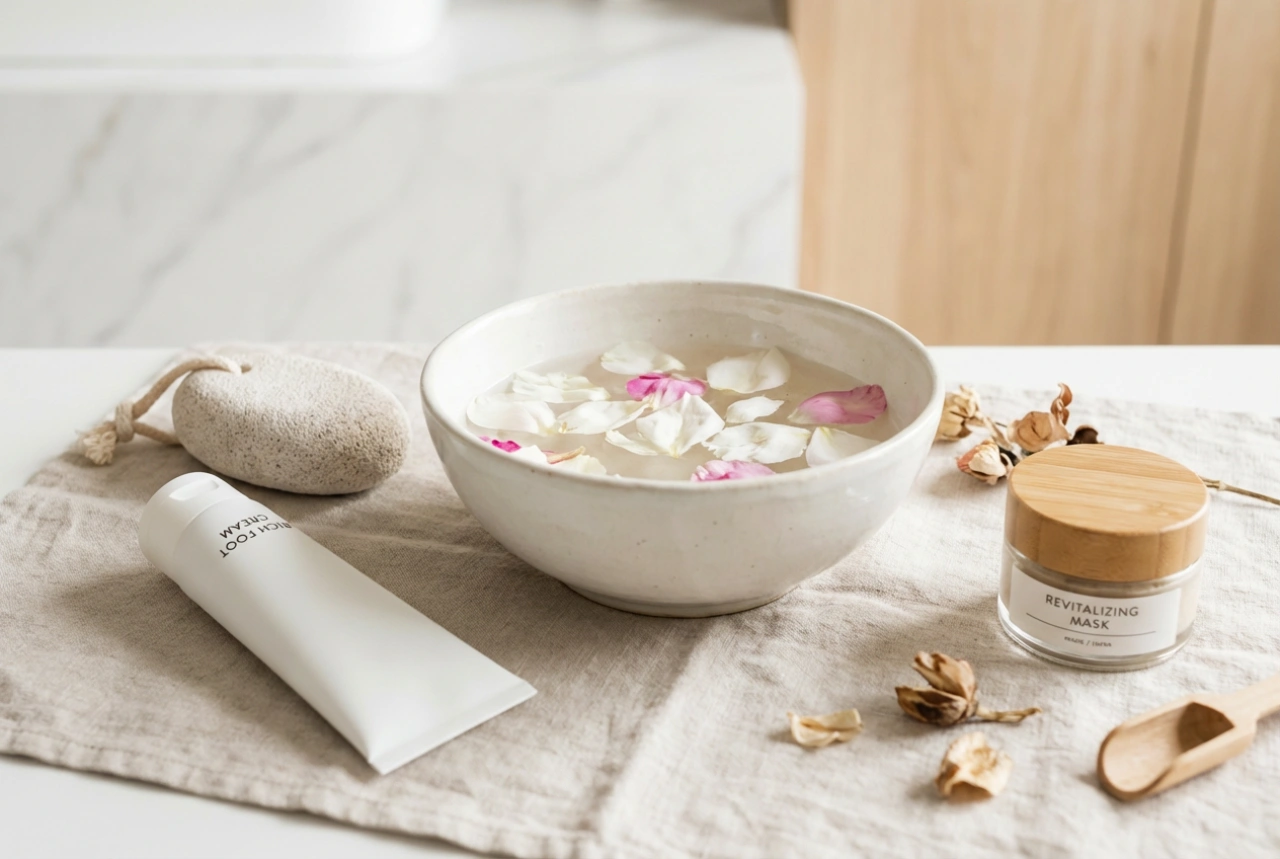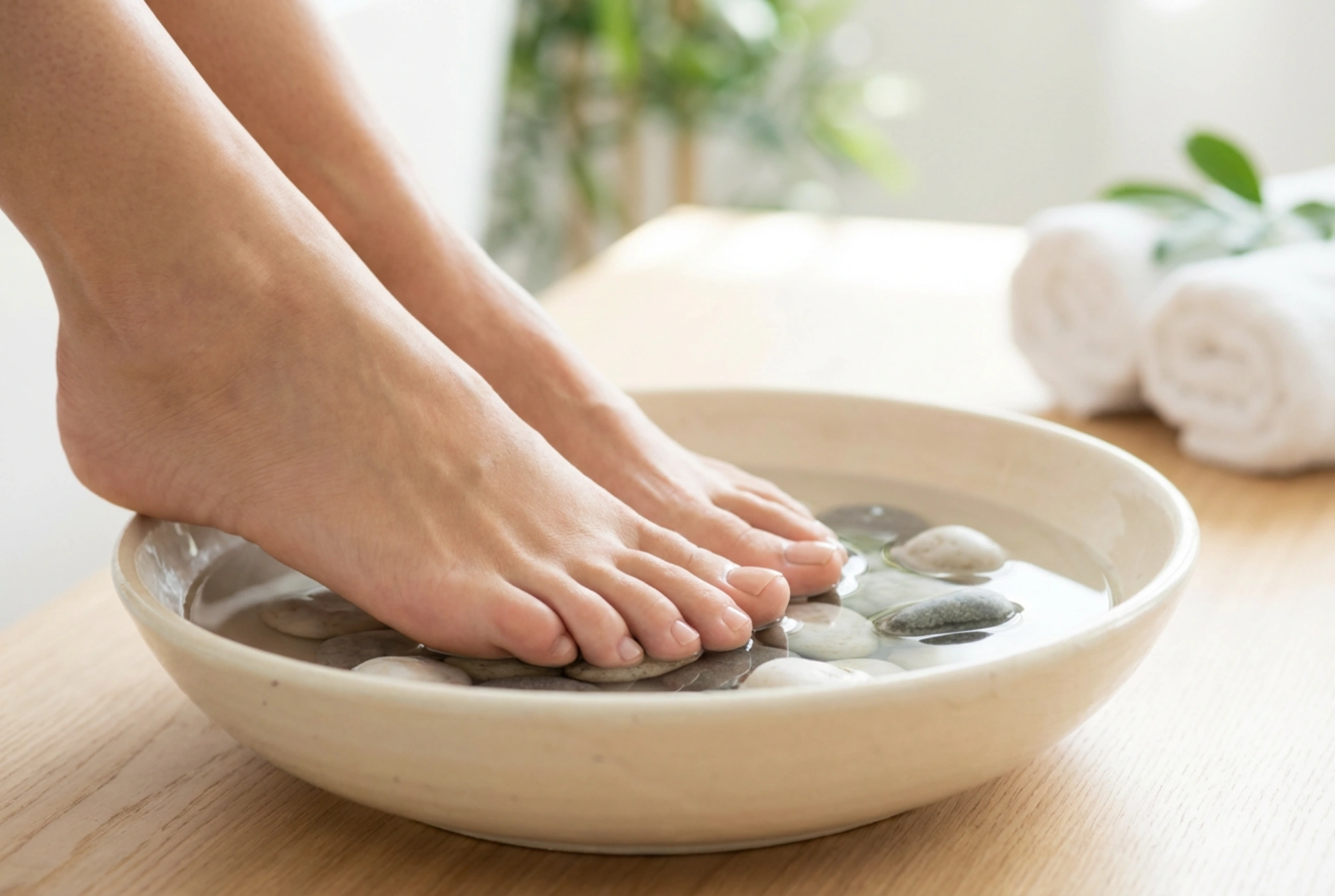


Taking care of our feet is an essential part of a relaxing beauty ritual that goes far beyond simple aesthetics. Just like the soothing feeling of resting one's feet in a ceramic basin filled with clear water and smooth stones, a dedicated home care routine can restore softness and lightness to tired feet. Among various methods to achieve velvety-smooth soles, cosmetic acid peels have gained significant popularity. These home-use treatments offer a controlled and gentle way to exfoliate rough skin, remove dead epidermal cells, and encourage natural regeneration. However, to achieve the best results and ensure complete safety, it is crucial to understand the proper steps of preparation, application timing, and correct removal.
How to Prepare Your Feet for an Acid Peel
Proper preparation is the foundation of any successful cosmetic treatment. Before applying an acid-based peeling product, the skin must be clean and free from any barriers that could impede the formula's action. Start by thoroughly washing your feet with a mild cleanser and warm water. A brief soak can help soften the outermost layer of the skin, making it more receptive to the exfoliating agents. However, avoid prolonged soaking, as over-hydrated skin might absorb the product too rapidly or unevenly, leading to mild irritation.
The Importance of Dry Skin and Patch Testing
Once washed, dry your feet completely, paying special attention to the areas between the toes. Applying acid peels to damp skin can dilute the active ingredients or cause unexpected sensitivity. It is also highly recommended to perform a patch test 24 hours before the full application. Apply a small drop of the cosmetic product to a less sensitive area of the foot, such as the side of the heel, to ensure your skin tolerates the formula well. Furthermore, never apply exfoliating acids if you have active scratches, cuts, or any broken skin, as this can cause discomfort and irritation.
Understanding Application Time and Exposure
When working with cosmetic exfoliating acids at home, timing is everything. These products typically contain mild concentrations of alpha-hydroxy acids (AHAs) like lactic or glycolic acid, or beta-hydroxy acids (BHAs) like salicylic acid, designed to gently break the bonds between dead skin cells. Because every cosmetic formulation is unique, the manufacturer's specified exposure time must be followed precisely. Leaving the product on for too short a time may yield subtle or unsatisfactory results, whilst exceeding the recommended duration does not improve efficacy and can lead to unnecessary redness.
Monitoring the Skin During Treatment
During the application, it is normal to feel a very mild tingling sensation as the active ingredients begin to interact with the dry, thickened stratum corneum. However, if you experience intense burning, persistent itching, or visible redness, this is a sign that the product should be removed immediately. Always keep a close eye on the clock and use a timer to ensure you do not lose track of the minutes during your relaxing foot care session.
Safe Removal and Post-Treatment Cleansing
Once the recommended application time has elapsed, the removal process must be carried out thoroughly to halt the action of the cosmetic acids. Rinse your feet generously with plenty of lukewarm water. Avoid using excessively hot water, as the exfoliated skin is temporarily more sensitive to temperature extremes. Ensure that all traces of the product are completely washed away, especially from the delicate skin between the toes and around the nail beds.
What to Avoid Immediately After Removal
After washing off the peeling solution, gently pat your feet dry with a clean, soft towel. Refrain from using physical exfoliators, pumice stones, or foot files immediately after an acid peel. The chemical ingredients have already initiated the exfoliation process on a cellular level, and mechanical scrubbing can irritate the newly sensitive layers of the skin. Let the natural peeling process unfold gradually over the coming days.
Nourishing the Skin After Exfoliation
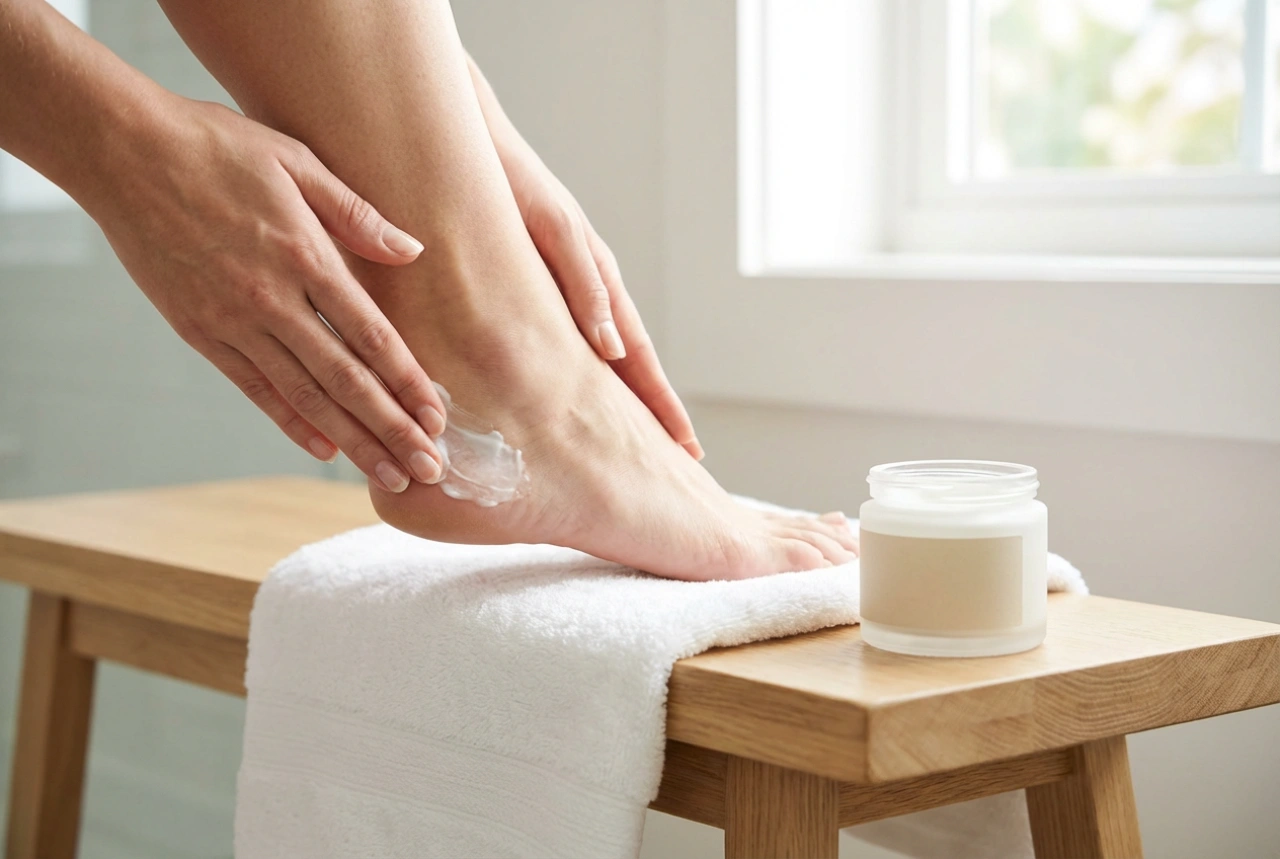
In the days following your acid foot peel, consistent hydration is key to maintaining beautiful, soft skin. As the old epidermal layers begin to flake away naturally, the fresh skin underneath requires protection and deep moisture. Apply a rich, nourishing foot cream containing soothing ingredients such as shea butter, glycerin, or low concentrations of urea. This helps maintain the skin barrier, keeping your feet smooth and deeply hydrated. Remember to protect your feet from direct sun exposure after using acid-based products, as the newly revealed skin is more susceptible to UV rays.