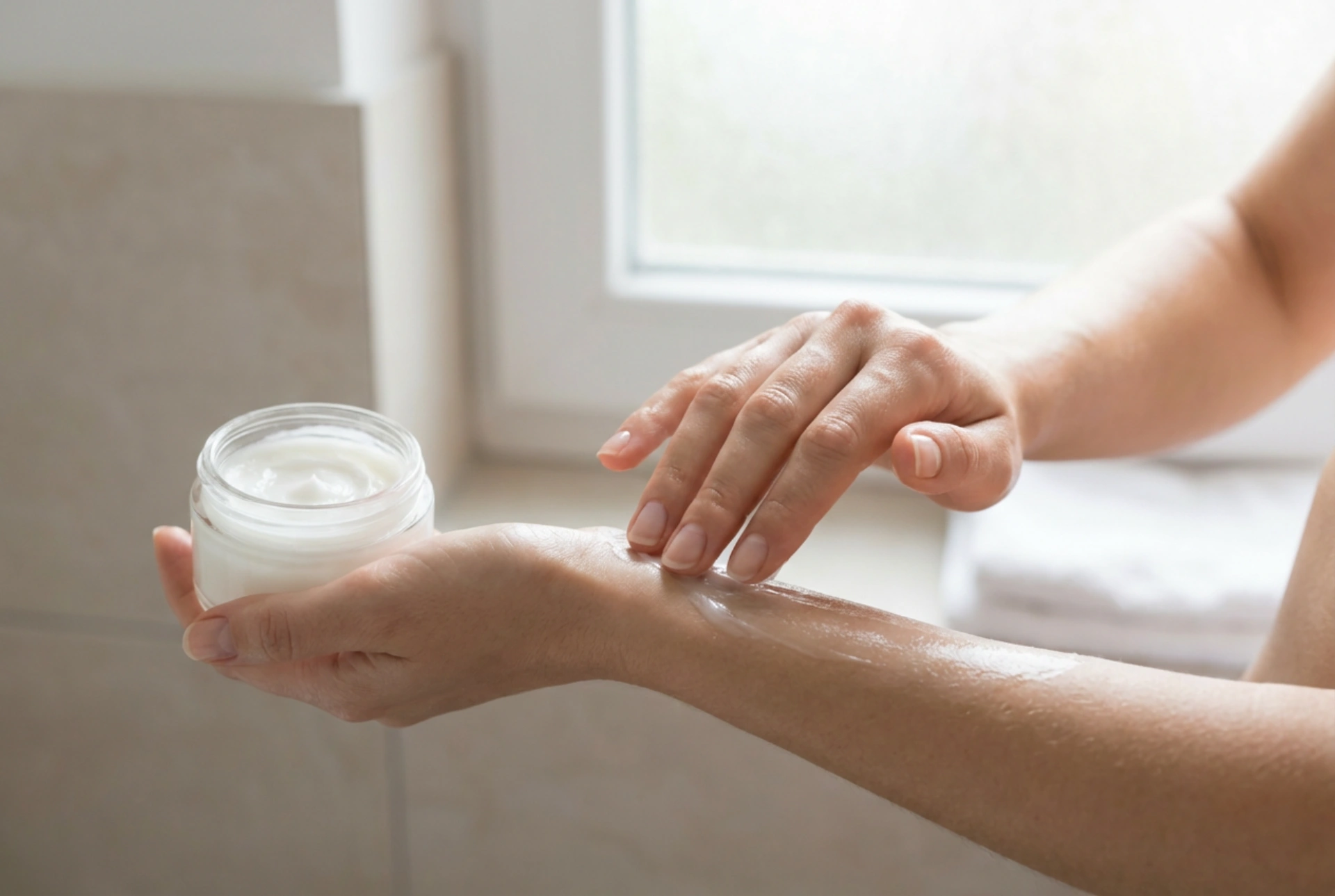


Keeping the skin of our body soft, supple, and radiant is a core part of any daily beauty routine. When we apply a rich, creamy moisturising balm to our arms, legs, and torso, we are not just giving ourselves a moment of relaxation; we are supporting the skin's natural protective barrier. Achieving that healthy, dewy glow requires more than just picking any product off the shelf. Understanding how to select the right formulation and, more importantly, how to apply it effectively can completely transform the texture and hydration levels of your skin, leaving it looking beautifully radiant.
Understanding the Mechanics of Skin Hydration
To choose the perfect body balm, it is essential to understand how skin hydration actually works. The skin needs both hydration (water content) and moisture (lipid content to lock in that water). A high-quality moisturising balm typically combines three types of ingredients to achieve this balance: humectants, emollients, and occlusives.
Humectants: Drawing Moisture In
Humectants are substances that attract water molecules like a magnet. They draw moisture from the deeper layers of the skin or even from the surrounding air into the outer layer of the epidermis. Common examples include glycerin and hyaluronic acid, which help keep the skin feeling plump and refreshed.
Emollients: Smoothing the Surface
Emollients fill in the microscopic gaps between skin cells, smoothing out rough patches and improving overall texture. Plant oils and natural butters are classic examples that leave the skin feeling exceptionally soft, supple, and flexible.
Occlusives: Locking It All In
Occlusives create a physical barrier on the surface of the skin to prevent moisture loss through evaporation, a process known as transepidermal water loss. Natural waxes and heavier plant butters serve this protective purpose beautifully, ensuring that the hydration remains locked inside the skin barrier for hours.
What to Look For in a Hydrating Body Balm
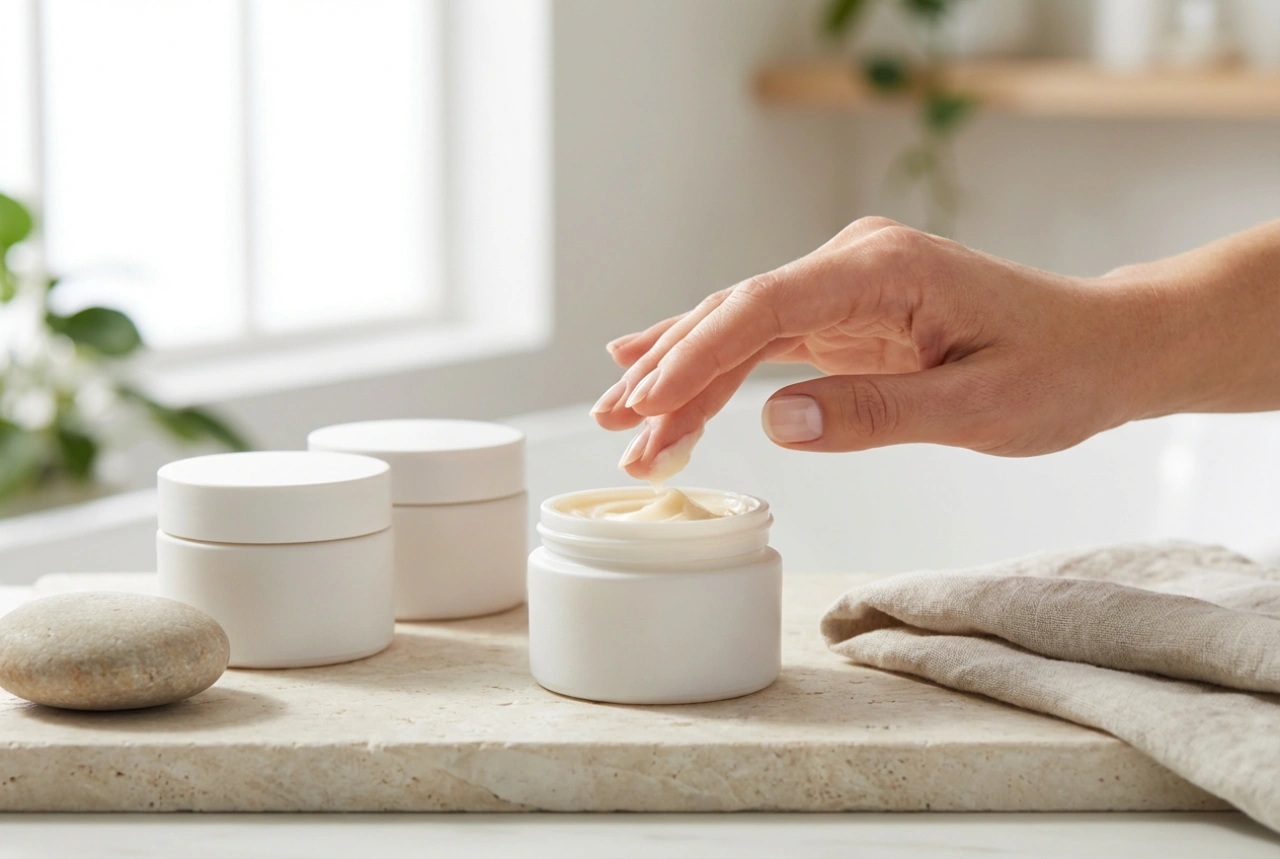
When shopping for a body moisturiser, looking at the ingredient list can help you predict how well the product will perform. For daily maintenance, you want a balanced formula that does not feel excessively greasy but still provides long-lasting comfort.
- Plant Butters: Ingredients like shea butter and cocoa butter are excellent for deep conditioning. They are rich in fatty acids that nourish the skin barrier and provide a velvety finish.
- Natural Oils: Jojoba oil, sweet almond oil, and argan oil mimic the skin's natural lipids, making them highly compatible and easily absorbed without leaving a heavy residue.
- Barrier-Supporting Compounds: Look for formulations containing ceramides or squalane. These compounds help rebuild the skin's natural lipid barrier, which can become depleted due to environmental factors.
- Soothing Botanical Extracts: Aloe vera and oat extract are wonderful additions for calming dry, tight, or easily irritated skin.
How to Maximise the Effectiveness of Your Moisturising Balm
Buying the right product is only half the battle. How and when you apply your body balm plays a significant role in how well your skin absorbs and retains the hydration.
The Golden Rule: Apply to Damp Skin
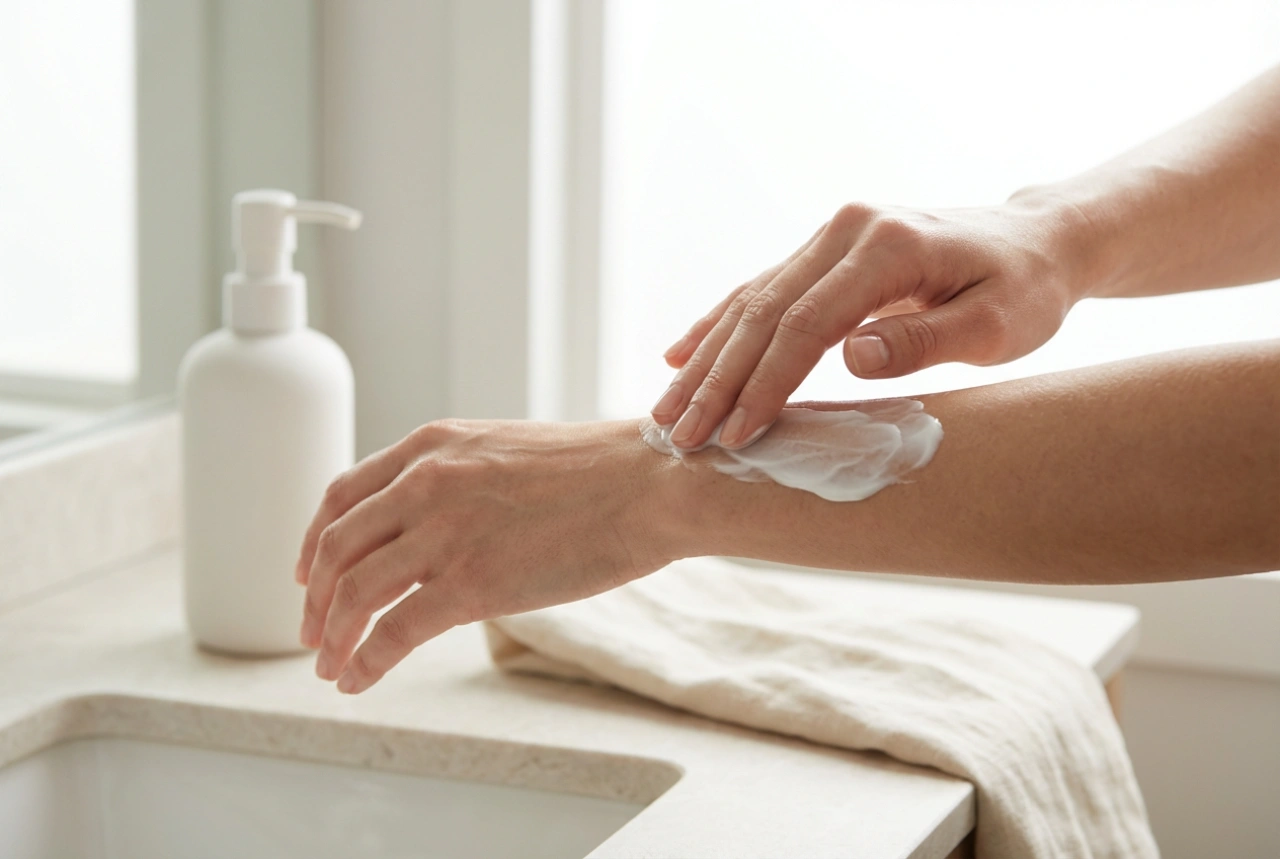
One of the most effective ways to boost your balm's performance is to apply it immediately after bathing or showering. Within three minutes of stepping out of the water, gently pat your skin dry with a towel, leaving it slightly damp. Applying your balm at this exact moment traps the surface moisture on your skin, significantly increasing hydration levels and keeping the skin looking dewy.
The Power of Gentle Massage
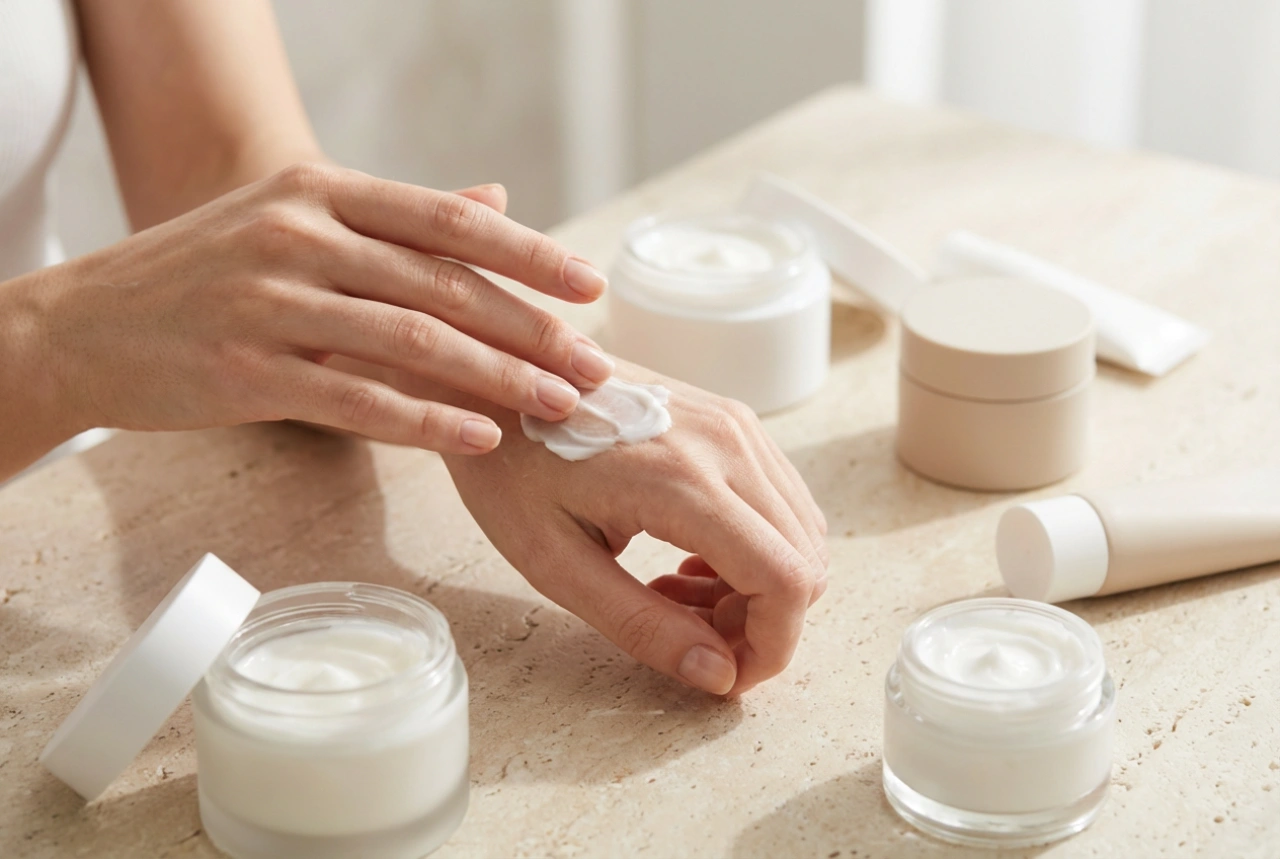
Do not rush the application process. Take a generous amount of product and massage it into your limbs using gentle, circular motions. This not only ensures even distribution but also stimulates local circulation, which can promote a healthy, natural glow. Focus particularly on areas prone to extreme dryness, such as the elbows, knees, and forearms.
Layering and Frequency
For very dry skin, consistency is key. Applying a lightweight hydrating lotion followed by a richer balm can create a layering effect that mimics professional beauty routines. Make moisturising a non-negotiable daily habit, ideally once in the morning and once before bed, to maintain a continuous moisture barrier.
Supporting Habits for Radiant, Hydrated Skin
While a topical moisturising balm is crucial, external skin health is also heavily influenced by daily habits and environmental factors.
Optimise Your Shower Routine
Hot water can strip the skin of its natural oils, leaving it dry and irritated. Opt for lukewarm water instead, and limit your bath or shower time to ten minutes. Use gentle, soap-free cleansers that cleanse without disrupting the skin's delicate pH balance.
Incorporate Gentle Exfoliation
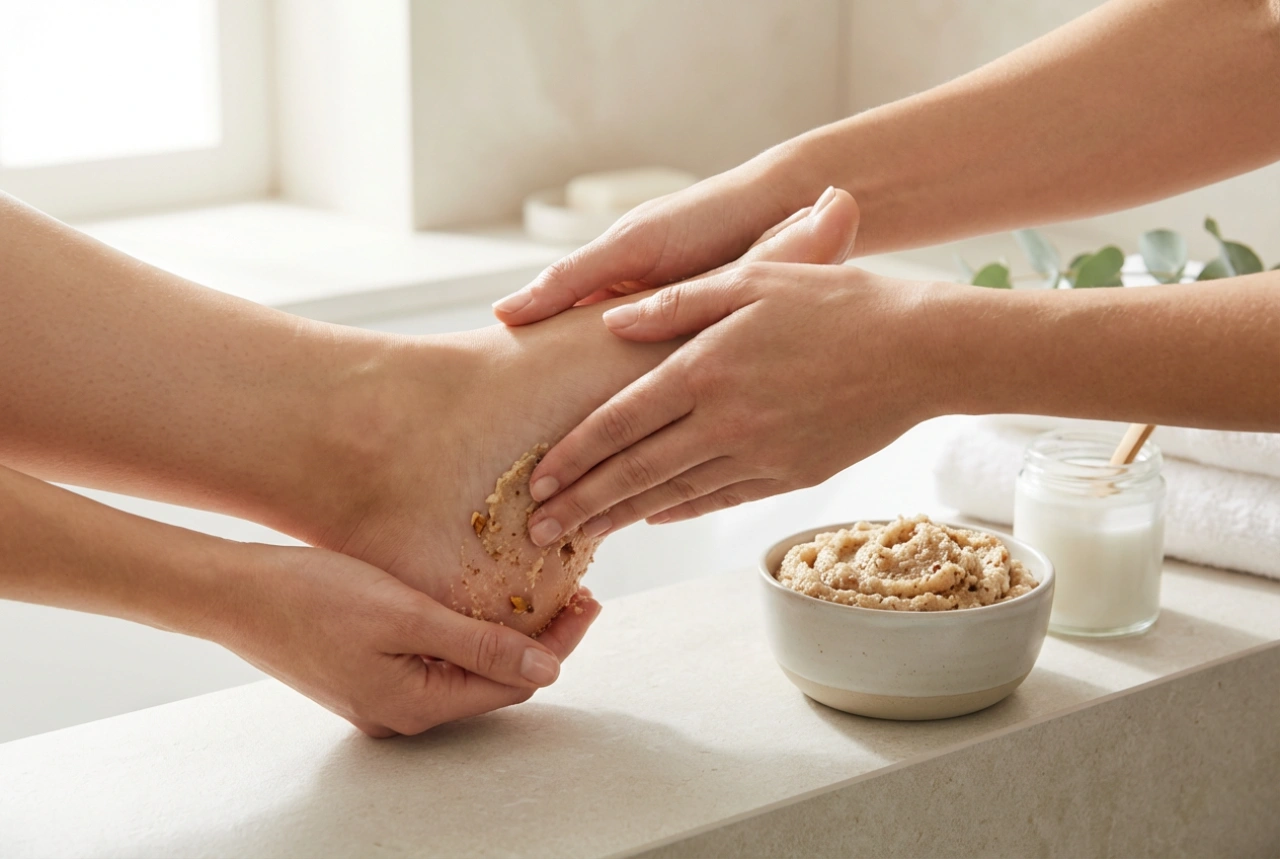
Dead skin cells can accumulate on the surface of your body, creating a barrier that prevents your moisturising balm from absorbing properly. Incorporating a gentle body scrub or a dry brush routine once or twice a week helps remove these dead cells, allowing your daily balm to penetrate deeper and work more efficiently.
Maintain Environmental Humidity
Dry indoor air, especially during the colder months or in air-conditioned environments, can draw moisture directly out of your skin. Using a humidifier in your home, particularly in the bedroom, can help maintain an optimal level of atmospheric moisture, supporting your skin's hydration levels around the clock.