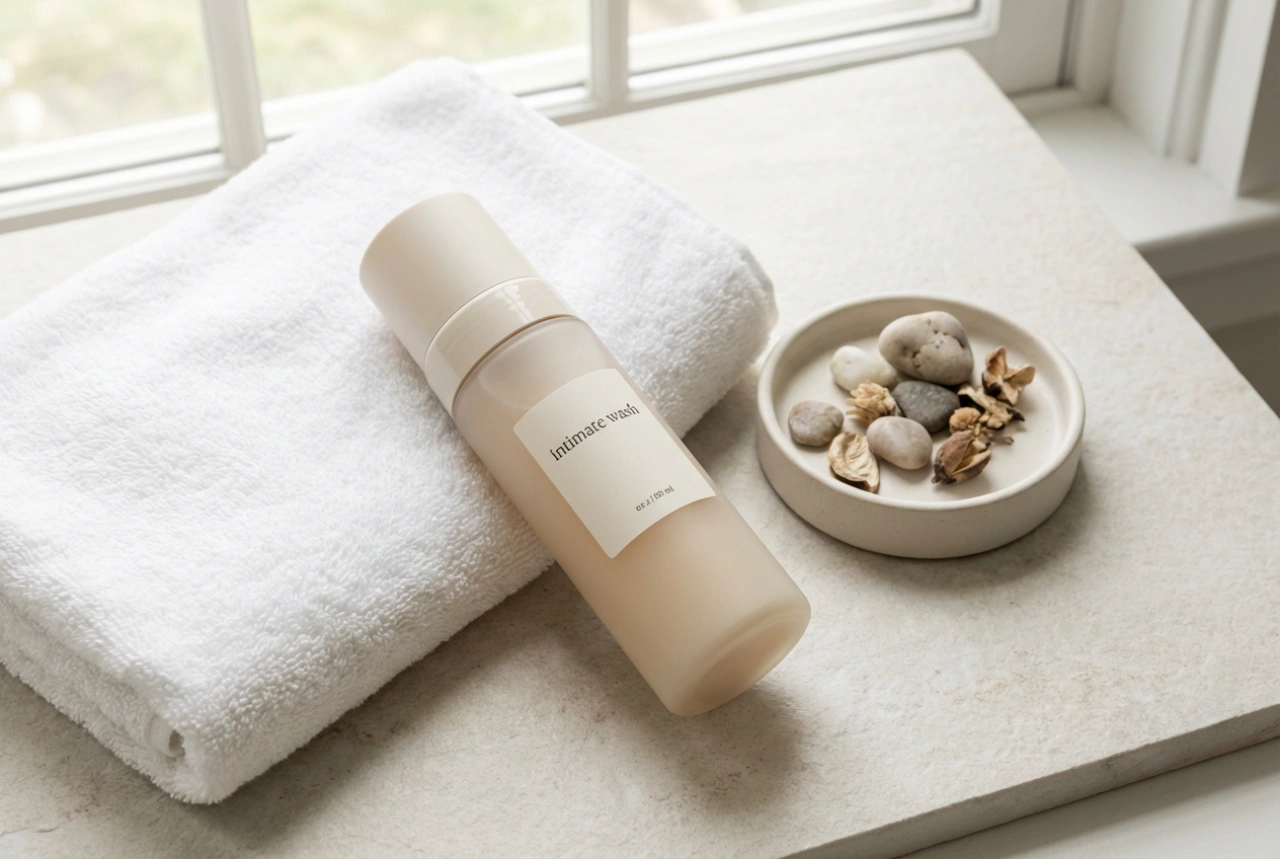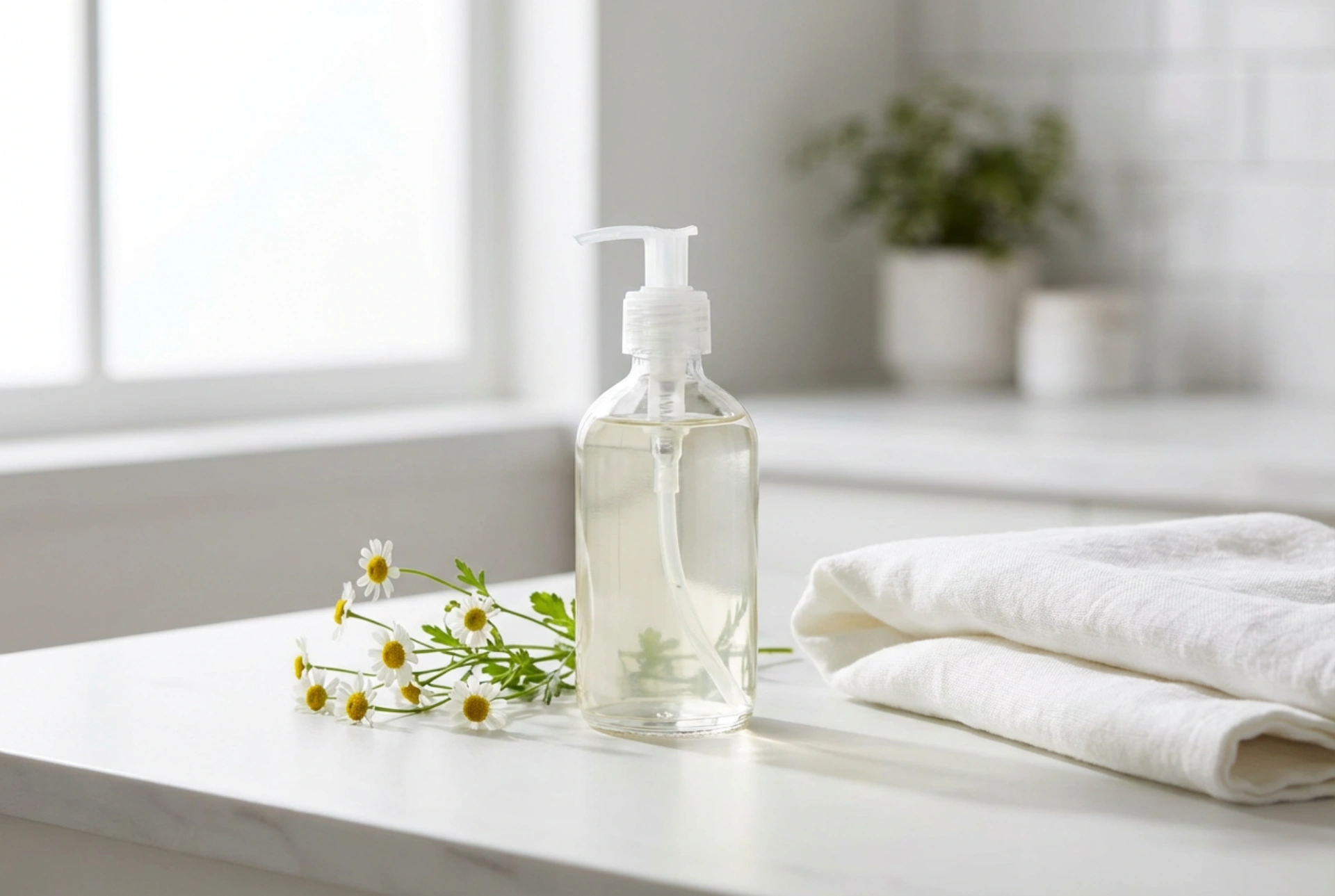


When establishing a daily beauty and self-care routine, the products chosen for intimate hygiene deserve special attention. Just like a minimalist bottle sitting on a clean, serene white surface alongside a delicate sprig of chamomile and a soft towel, the ideal intimate wash should evoke a sense of purity, simplicity, and gentle care. This delicate area requires a thoughtful approach that differs significantly from standard skincare. Choosing the right product involves understanding the natural balance of your body, focusing on mild ingredients, and selecting the correct pH level to support your skin's natural protective barrier.
The Science of pH in Intimate Care
The skin and mucous membranes in the intimate area have a unique environment that is naturally acidic. For most individuals, the optimal pH value of this region ranges between 3.8 and 4.5. This acidic environment acts as a natural shield, helping to maintain a healthy balance of beneficial microflora and protecting the delicate skin from external irritants. Regular soaps and standard shower gels typically have a neutral or slightly alkaline pH (around 5.5 to 7.0), which can disrupt this delicate equilibrium.
Using conventional cleansing products in this sensitive zone can strip away natural lipids and alter the pH balance, leading to dryness, discomfort, and a weakened protective barrier. Therefore, selecting a specialised intimate wash formulated with an appropriate acidic pH is essential for maintaining daily freshness and comfort without causing irritation.
Gentle Cleansing Agents: What to Look For
When reviewing the ingredient list of an intimate wash, the cleansing agents (surfactants) should be the first point of inspection. Harsh surfactants can cause dryness and undermine the skin's natural defences. Instead, look for formulations that utilise ultra-mild, plant-derived cleansing bases. Some of the most recommended ingredients include:
- Coco-Glucoside: A very mild cleanser derived from coconut and fruit sugars, known for its excellent skin compatibility.
- Lauryl Glucoside: Another gentle biodegradable surfactant that cleanses effectively without stripping moisture.
- Cocamidopropyl Betaine: A mild amphoteric surfactant that helps create a soft, gentle foam while minimising potential irritation.
By opting for products containing these gentle alternatives, you ensure that the intimate area is cleansed effectively while preserving the integrity of the hydrolipid barrier.
Soothing Botanical Extracts and Supportive Ingredients
A high-quality intimate wash does more than just cleanse; it should also soothe, moisturise, and support the skin. Several natural and cosmetic ingredients are highly beneficial for daily care:
- Lactic Acid: This is perhaps the most crucial ingredient in intimate hygiene. It is naturally produced by the body's beneficial flora and helps to actively regulate and maintain the low, acidic pH of the intimate region.
- Chamomile Extract: Renowned for its calming and soothing properties, chamomile helps comfort delicate skin and reduce the feeling of minor irritations.
- Allantoin and Panthenol: These classic moisturising ingredients work in tandem to support skin regeneration, soothe redness, and keep the skin soft and hydrated.
- Aloe Vera Juice: Known for its intense hydrating and cooling properties, aloe vera helps maintain moisture levels in sensitive skin.
Ingredients to Avoid for Sensitive Care
To keep your daily routine as safe and gentle as possible, it is equally important to know which ingredients to avoid. Because the intimate area is highly sensitive and prone to absorption, certain common cosmetic additives should be bypassed:
- Strong Fragrances (Parfum): Synthetic perfumes are a common source of skin irritation and allergic reactions in sensitive zones. Opt for fragrance-free or extremely mild, hypoallergenic formulations.
- Artificial Colourants: Clean, transparent, or naturally pearlescent gels without added dyes are always the safest choice.
- Harsh Preservatives: Avoid products with strong preservatives that can disrupt the natural microflora of the skin.
- SLS and SLES (Sodium Lauryl Sulfate / Sodium Laureth Sulfate): These foaming agents are often too harsh for delicate mucous membranes and can lead to chronic dryness.
Practical Tips for Daily Intimate Hygiene
Choosing the right product is only half the battle; how you use it also plays a significant role in maintaining comfort and health. Here are a few practical, daily tips to incorporate into your self-care routine:
- Use Warm Water: Always wash with lukewarm water, as hot water can dry out and irritate sensitive skin.
- Wash Gently with Your Hands: Avoid using rough washcloths, sponges, or loofahs, which can harbour bacteria and cause friction. Using clean hands is the gentlest method.
- Pat Dry with a Soft Towel: After washing, gently pat the area dry with a clean, soft cotton towel reserved specifically for this purpose. Avoid rubbing.
- Less is More: Apply only a small, hazelnut-sized amount of the intimate wash. Cleanse only the external parts of the intimate area; internal cleansing is unnecessary and can disrupt the body's natural self-cleaning mechanisms.
By combining a mild, pH-balanced intimate wash with these gentle habits, you can enjoy lasting freshness, comfort, and peace of mind every single day.