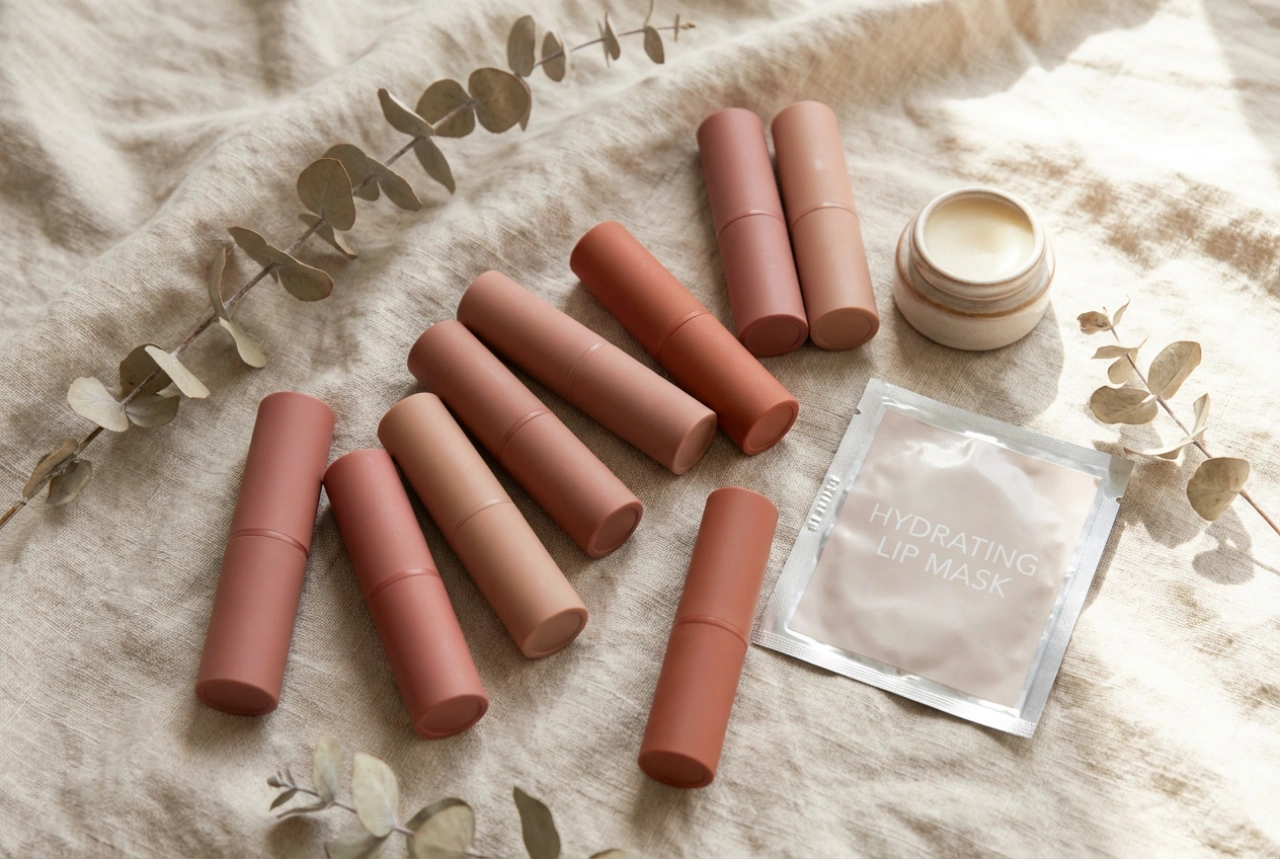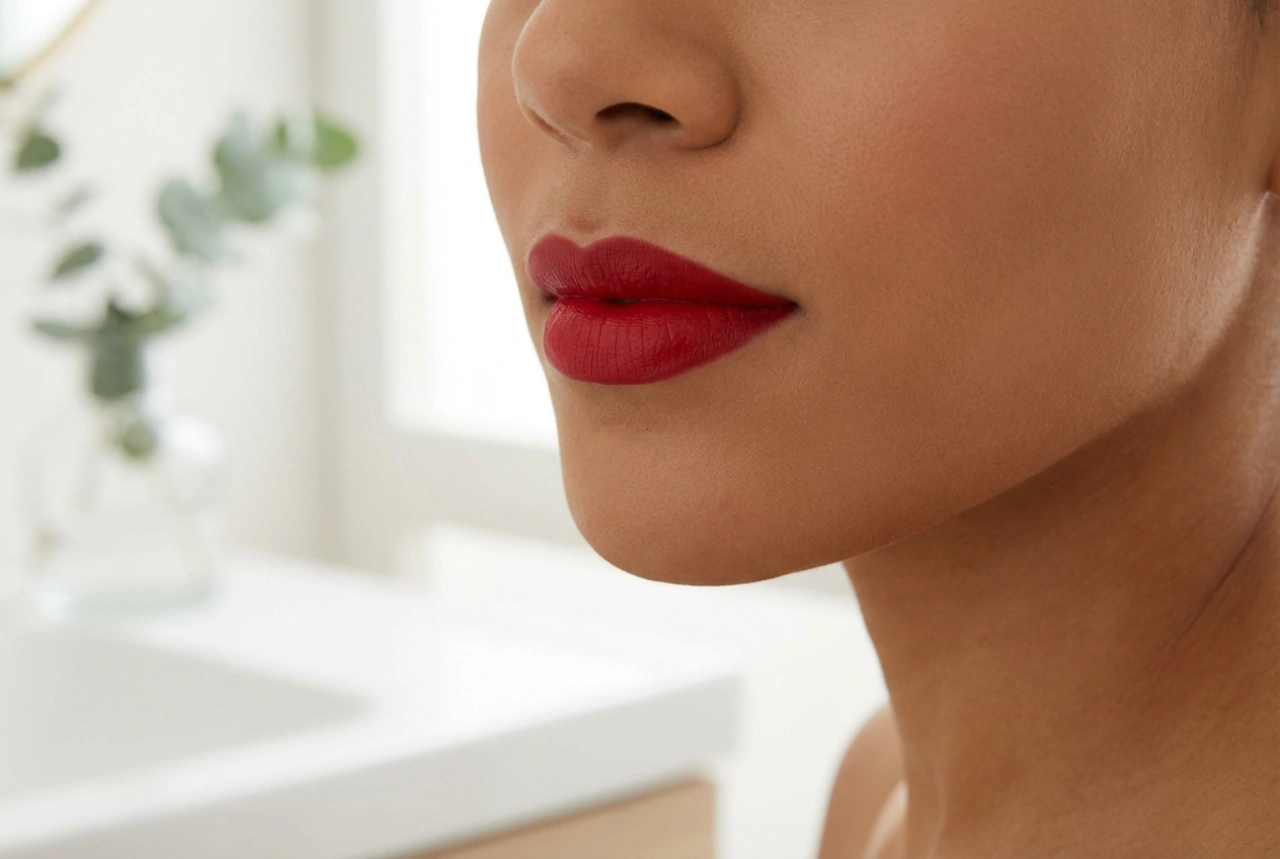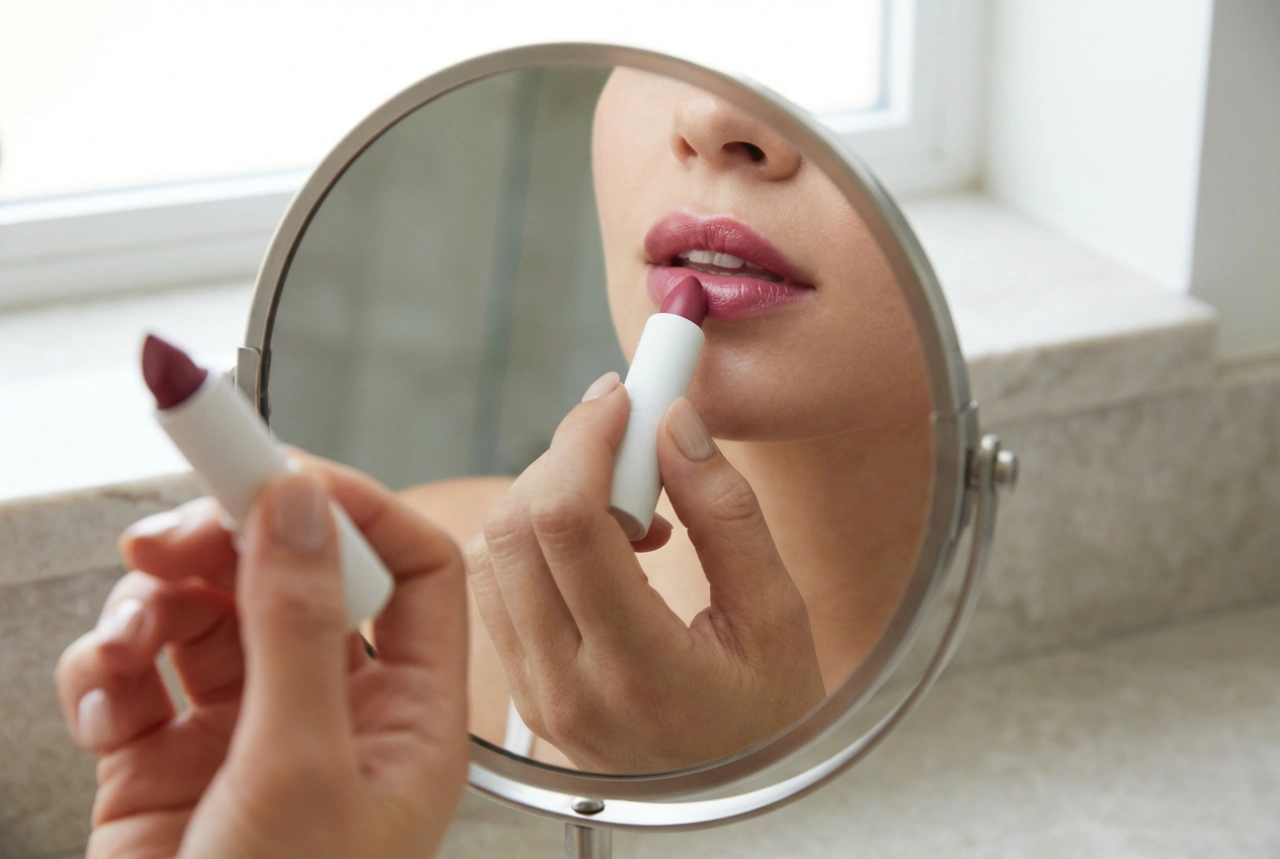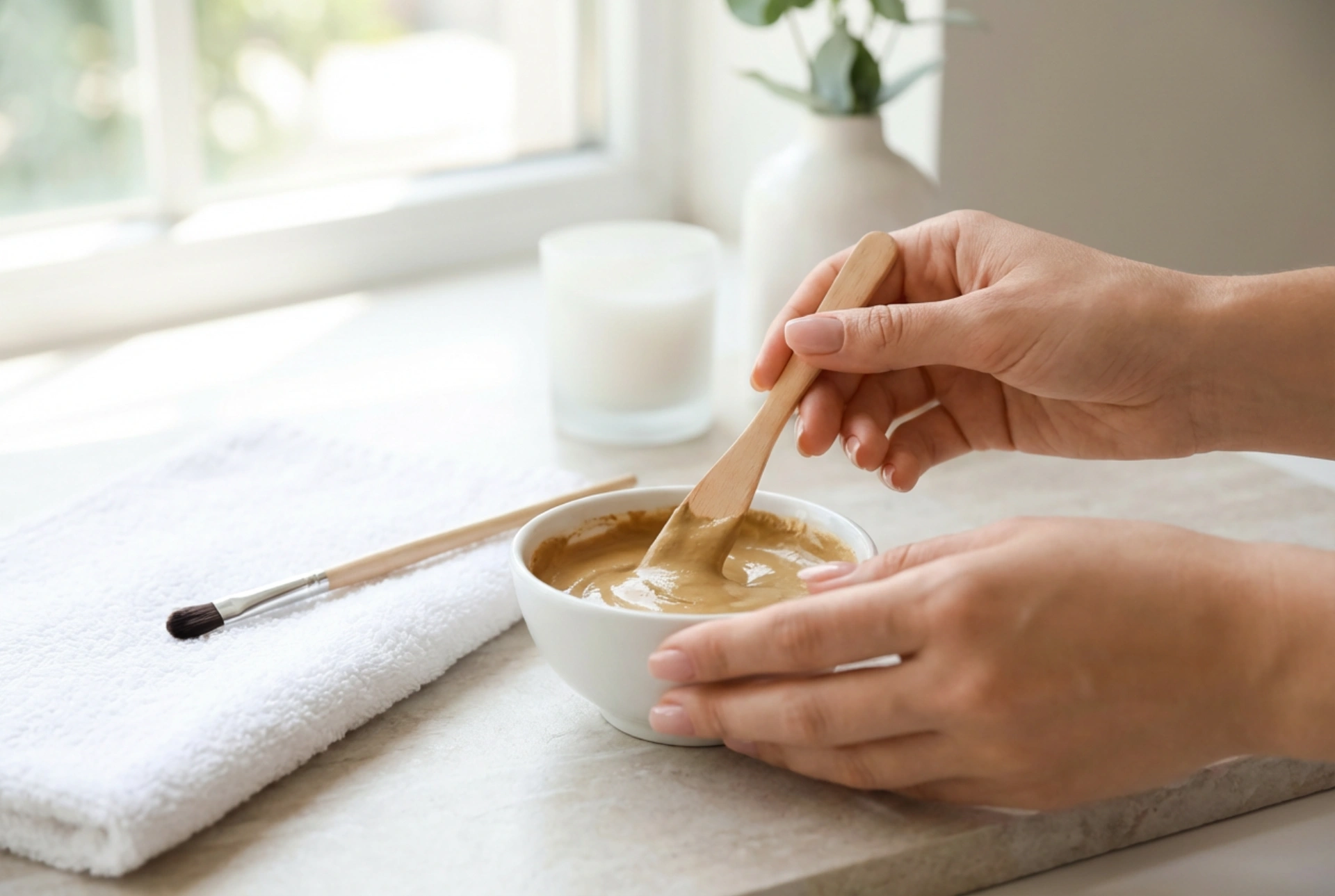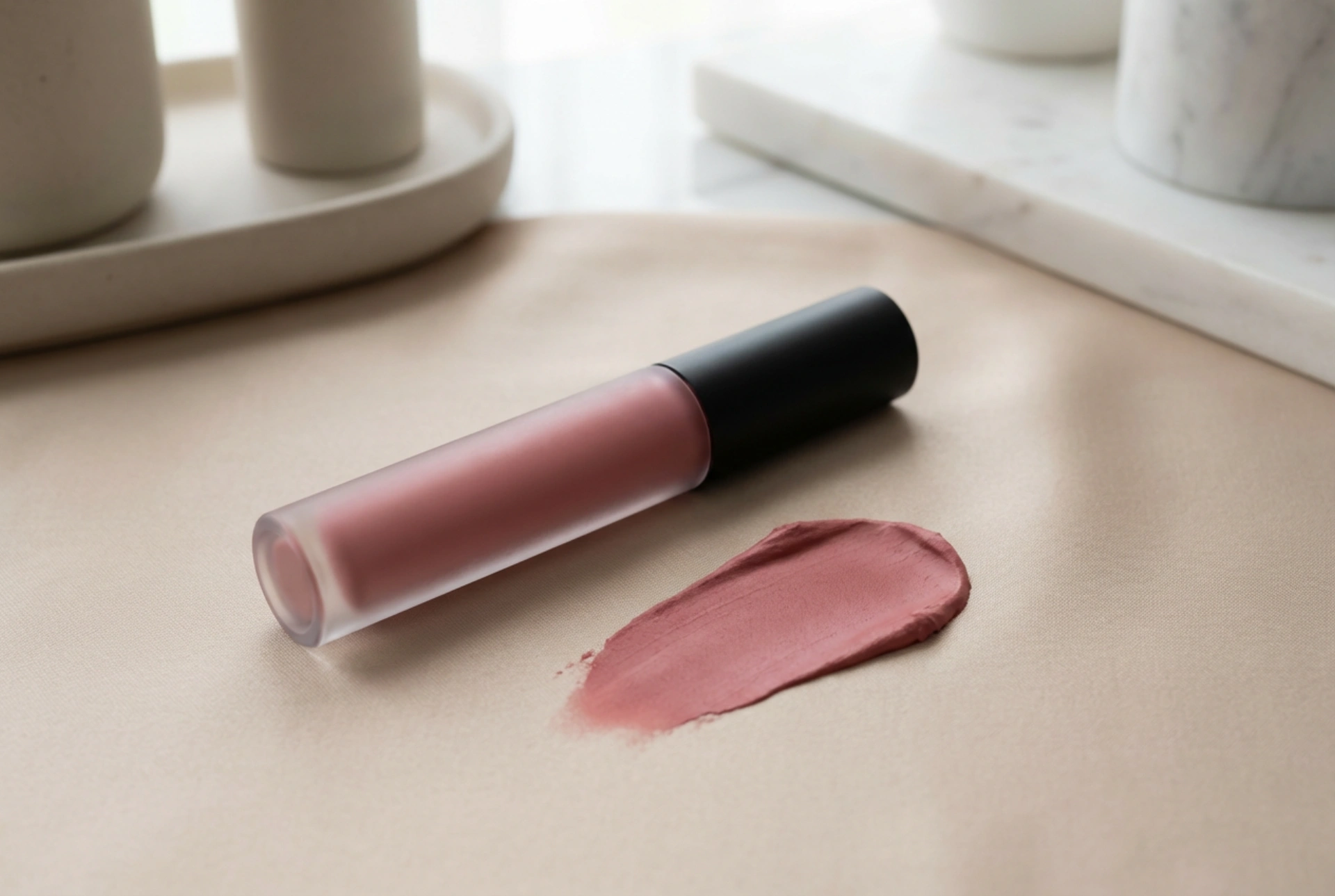


Elegant makeup looks often rely on the perfect lip product, one that combines the precision of a liner with the rich, velvety finish of a modern formula. A high-quality liquid lipstick, resting elegantly on a soft backdrop, represents the ideal balance between intense colour payoff and weightless comfort. Achieving that coveted, even coverage requires understanding both the formulation and the correct application techniques. While matte and liquid products have historically been associated with a drying sensation, contemporary approaches to formulation and lip preparation allow for a flawless contour and lasting wear without compromising on hydration.
Preparation: The Foundation of Smooth Colour
The secret to a pristine liquid lipstick finish lies not just in the product itself, but in the canvas upon which it is applied. Because liquid formulations tend to settle into fine lines and highlight dry patches, a thorough preparation routine is essential. Start by gently exfoliating the lips to remove any dry, flaky skin. This can be achieved using a mild, sugar-based lip scrub or even a soft, damp cloth. Circular motions work best to stimulate circulation and create a perfectly smooth surface.
Once the lips are smooth, intense hydration is the next crucial step. Apply a rich, nourishing lip balm to restore moisture. However, the timing is critical: let the balm absorb fully for at least ten minutes before applying your lip colour. Just before application, gently blot away any excess balm with a tissue. This step ensures that the oils in the balm do not break down the liquid lipstick formula, allowing it to adhere properly and last throughout the day without slipping.
Mastering the Perfect Contour and Outline
Liquid lipstick requires a steady hand and a methodical approach, as its quick-drying nature makes corrections slightly more challenging than with traditional bullet lipsticks. To achieve a clean, defined edge, start by outlining the lips. Many modern liquid lipsticks come with a precision applicator, often featuring a tapered or doe-foot tip designed to hug the contours of the mouth. Use the very tip of the applicator to map out the cupid's bow with two intersecting diagonal lines, creating an 'X' shape.
From there, work your way from the outer corners of the mouth inwards to connect the lines. If you prefer extra security against feathering or bleeding, pairing the liquid lipstick with a matching wax-based lip liner can be highly beneficial. Applying the liner first not only provides a clear guide for the liquid product but also creates a barrier that prevents the formula from migrating into the fine lines around the mouth. This technique ensures a sharp, professional finish that remains intact for hours.
Achieving Even Coverage in Thin Layers
One of the most common mistakes when applying liquid lipstick is using too much product at once. Thick layers are more prone to cracking, flaking, and feeling heavy on the lips. To achieve even coverage with a velvety finish, less is almost always more. Wipe any excess product off the applicator against the rim of the tube before bringing it to your lips. Apply the formula in thin, even sweeps, working from the centre of the lips outwards.
- Avoid pressing lips together: Unlike traditional cream lipsticks, you should avoid rubbing or pressing your lips together while the liquid formula is drying. Pressing them prematurely can cause the product to become patchy, sticky, or uneven.
- Build gradually: If you desire a more intense colour payoff, allow the first thin layer to dry completely—usually taking about thirty seconds to a minute—before applying a second light layer.
- Keep a steady hand: Smooth, continuous strokes yield a much more cohesive finish than short, dabbing motions.
Preventing Dryness and Maintaining Comfort
While long-wearing formulas are designed to stay put, they do not have to feel uncomfortable or parched. The key to maintaining a comfortable feel throughout the day lies in selecting formulas enriched with emollient ingredients such as plant-derived waxes, vitamin E, or light natural oils. These components create a flexible barrier on the skin, allowing the lipstick to move naturally with your expressions without cracking.
For maintenance throughout the day, avoid layering fresh liquid lipstick directly over dry, existing layers, as this can lead to a heavy, cakey texture. Instead, if a touch-up is needed after eating, gently dab a tiny amount of lightweight balm or a damp cloth onto the area to soften the old product, blot, and then reapply a minimal amount of the liquid lipstick only where necessary. This keeps the look fresh, comfortable, and flawlessly velvety from morning until night.