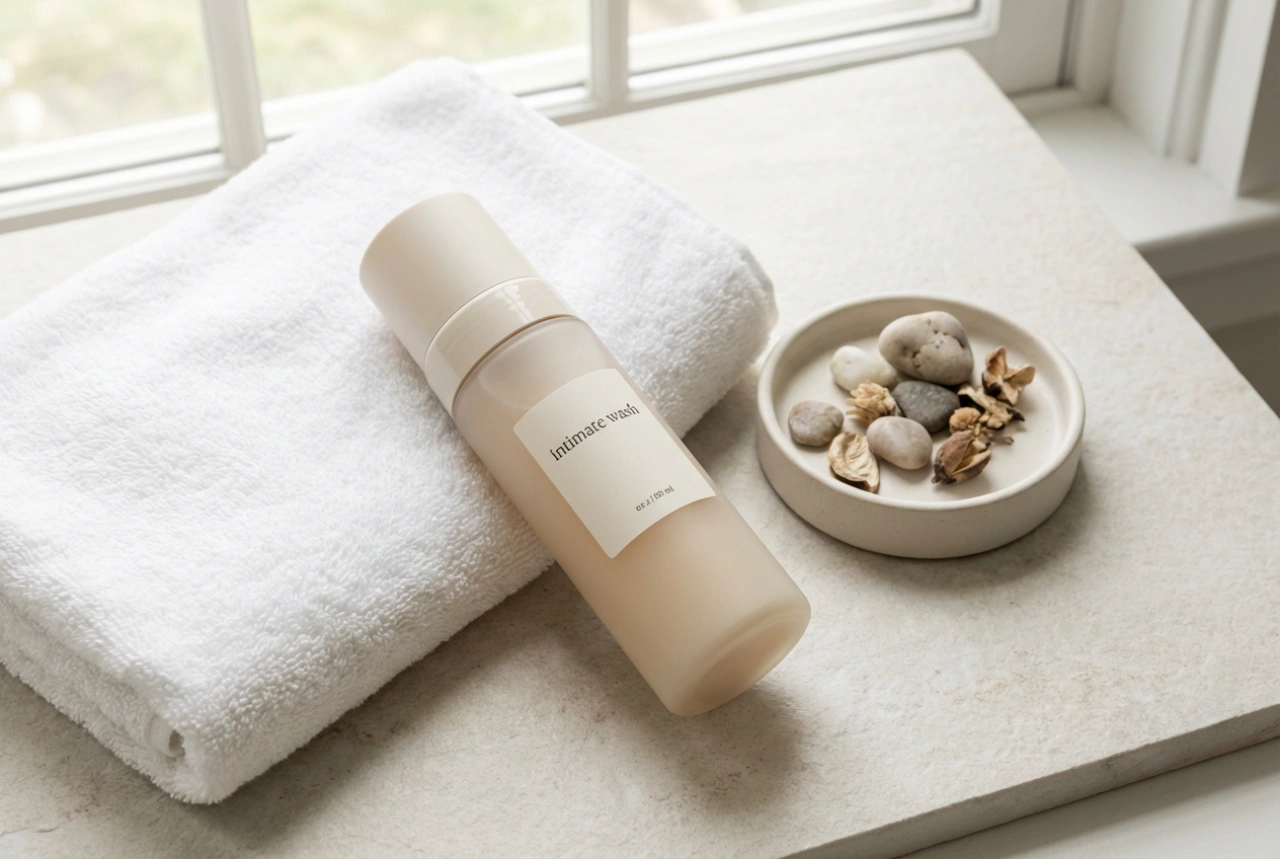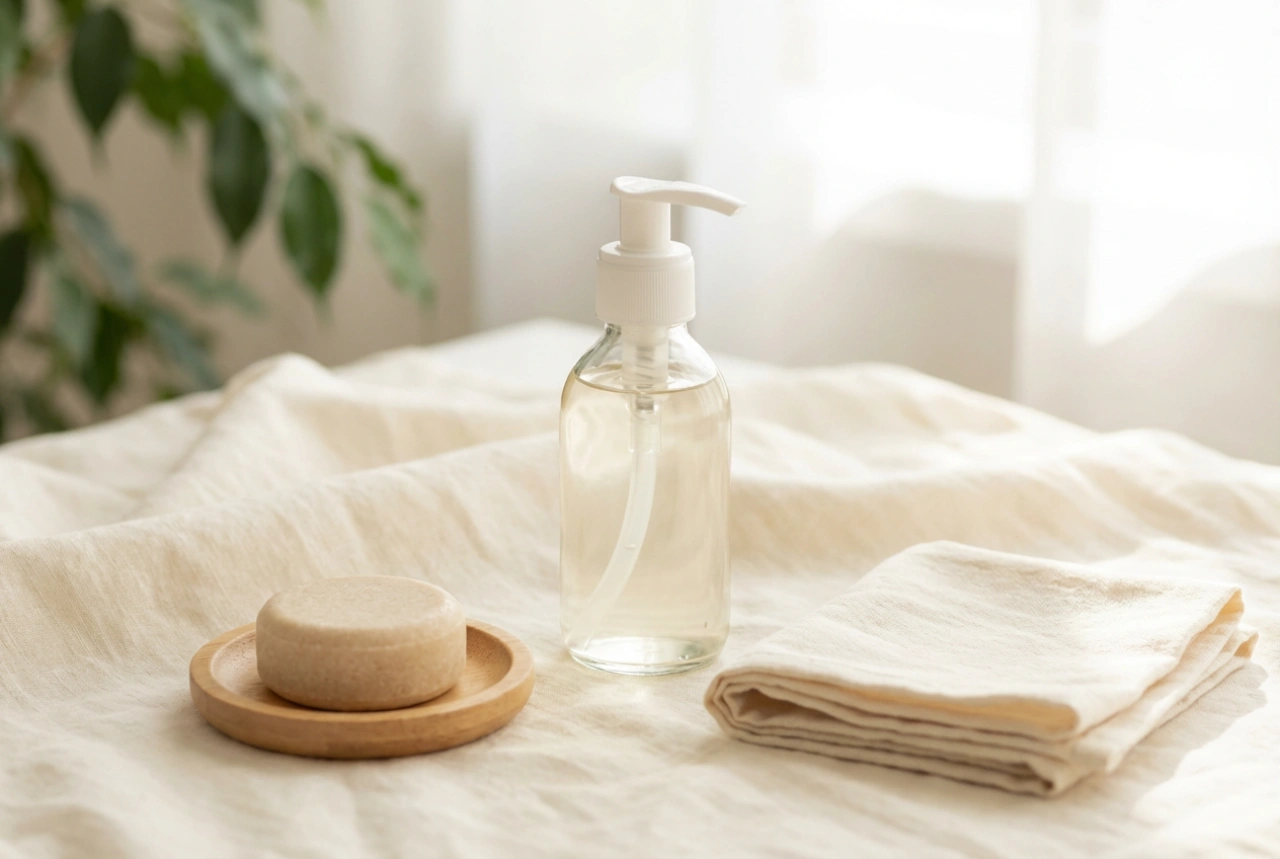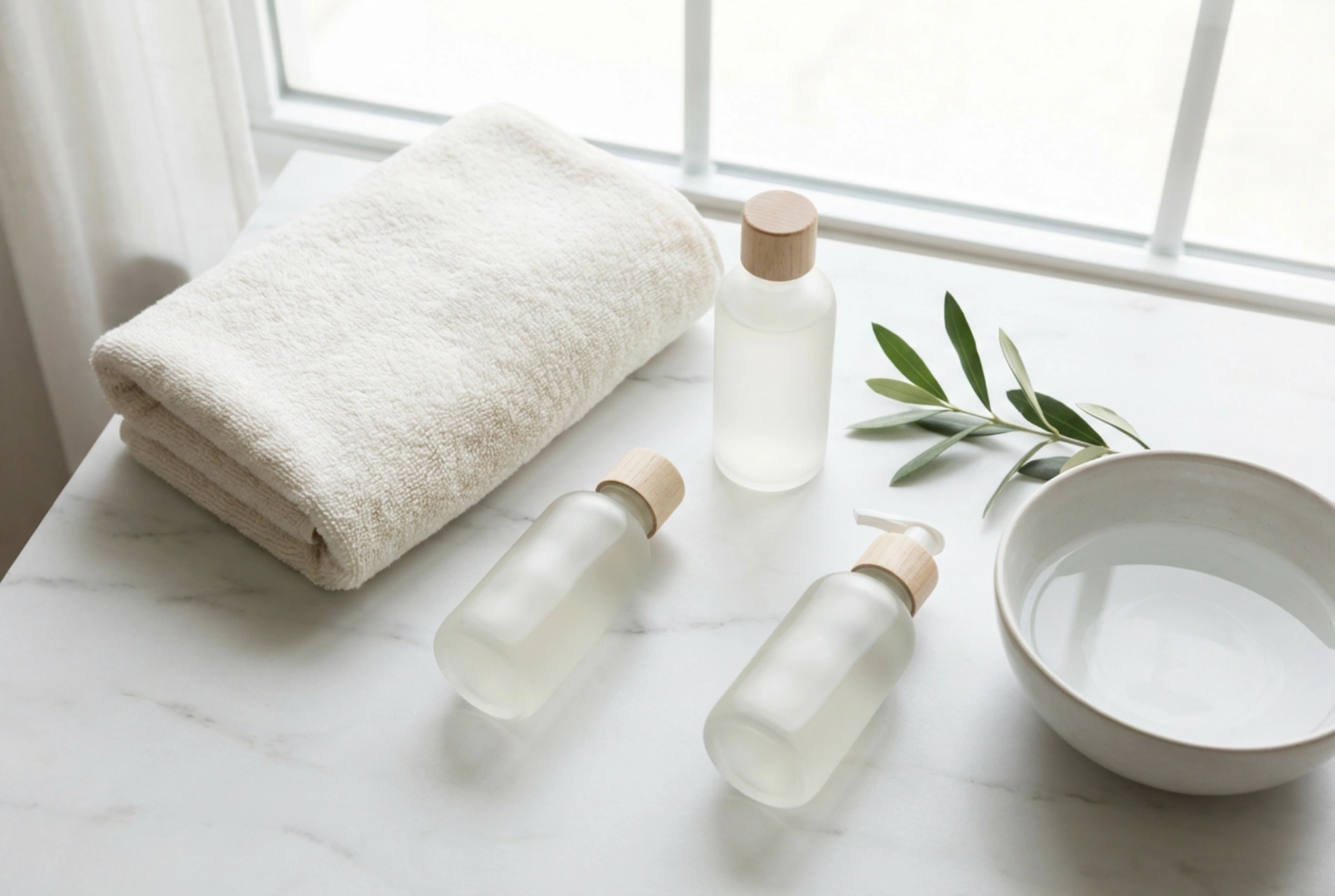


The concept of daily self-care has evolved into a mindful ritual, where purity and simplicity take centre stage. Just like a serene space featuring sleek, unlabeled cleansing bottles and a soft, folded towel, modern intimate hygiene focuses on minimalist, delicate care. Navigating the essentials of intimate care requires a mindful understanding of the body's natural balance. Delicate daily practices not only promote long-lasting freshness but also respect the sensitive ecosystem of the skin. Taking care of this delicate area is a fundamental part of general well-being, demanding products and routines that support rather than disrupt our natural equilibrium.
Understanding the Natural Balance of the Intimate Area
The intimate region is one of the most sensitive parts of the female body, characterised by a unique, naturally acidic environment. This specific pH level serves as a natural protective shield, keeping the skin healthy and balanced. Unlike other parts of the body, which can tolerate stronger soaps and highly fragranced products, the intimate area requires a much gentler touch.
Maintaining this natural barrier is essential for daily comfort. When the natural pH is preserved, the skin remains resilient against external factors. Many people assume that cleanliness requires aggressive washing, but the body actually has its own highly efficient self-regulating mechanisms. The primary goal of any hygiene routine should therefore be to assist these natural processes rather than trying to overpower them with excessive cosmetic intervention.
Recommended Frequency and Washing Techniques
When it comes to intimate hygiene, the golden rule is simplicity. Washing once or twice a day is generally sufficient for most women. Over-washing can strip the skin of its natural oils and disrupt the delicate moisture balance, leading to dryness or discomfort. It is best to adapt the frequency to your lifestyle, such as after a workout or during warmer seasons, while always keeping the method gentle.
The technique used during washing is just as important as the frequency. Here are the core guidelines for a safe and comforting routine:
- Use lukewarm water: Extremely hot water can irritate sensitive skin and cause dryness. Lukewarm water is ideal for cleansing without causing thermal stress.
- Wash from front to back: This is a simple yet crucial rule to prevent the transfer of unwanted microbes to the most sensitive areas.
- Use your hands: Sponges, loofahs, and washcloths can harbour dampness and dust over time. Using clean hands is the softest and most hygienic way to cleanse delicate skin.
- Pat dry gently: After washing, never rub the skin vigorously. Instead, use a soft, clean towel and gently pat the area dry. Dampness can encourage unwanted warmth, so thorough but gentle drying is key.
Selecting the Ideal Cleansing Products
The cosmetic market offers a wide array of hygiene products, but not all are suited for sensitive areas. When selecting a product, look for minimalist formulas that focus on hydration and protection. The ideal wash should be soap-free, as traditional soaps are often too alkaline and can dry out the skin.
Look for ingredients that mirror the skin's natural components. Mild, plant-based surfactants cleanse without stripping the lipid barrier. Ingredients like lactic acid are highly beneficial because they help maintain the optimal acidic pH of the intimate zone. Soothing additives, such as chamomile extract, aloe vera, or panthenol, provide additional comfort and hydration, ensuring the skin feels calm and refreshed after every wash. Avoid products with heavy artificial fragrances, dyes, or strong preservatives, as these are the most common culprits behind skin irritation.
Common Mistakes to Avoid in Your Routine
Even with the best intentions, certain habits can inadvertently cause discomfort. Identifying these common errors is the first step toward a healthier, more comfortable daily routine.
Using Standard Shower Gels and Bubble Baths
Standard body washes and bubble baths are formulated for the thicker skin on the rest of the body. They often contain strong foaming agents and heavy perfumes designed to leave a lasting scent. When applied to the intimate area, these ingredients can quickly wash away the protective hydrolipid film, leading to tightness, itching, and dryness.
Relying Too Heavily on Intimate Wipes
While intimate wipes are convenient for travel or busy days, they should not replace regular washing with water. Many wipes contain alcohol, preservatives, and fragrances to keep them shelf-stable and scented. Frequent use can lead to cumulative irritation. If you must use them, opt for fragrance-free, biodegradable options and use them sparingly.
Neglecting Towel Hygiene
Sharing towels or using the same towel for your face, body, and intimate areas is a common oversight. Because damp towels can easily collect dust and environmental particles, it is highly recommended to dedicate a small, soft cotton towel exclusively for intimate use. Change this towel every few days and ensure it dries completely between uses.
Supporting Intimate Comfort Through Lifestyle Choices
Daily hygiene does not stop in the shower; it is heavily influenced by your lifestyle and clothing choices. The materials that come into contact with your skin throughout the day play a major role in maintaining freshness and comfort.
Opt for underwear made from natural, breathable fabrics like organic cotton, silk, or bamboo. These materials allow air to circulate freely, preventing the buildup of excess heat and moisture. Synthetic fabrics, such as polyester or nylon, tend to trap moisture close to the skin, creating an environment where comfort is easily compromised. Similarly, wearing excessively tight trousers or leggings for extended periods can restrict airflow, so balancing your wardrobe with looser options can make a significant difference in your daily well-being.