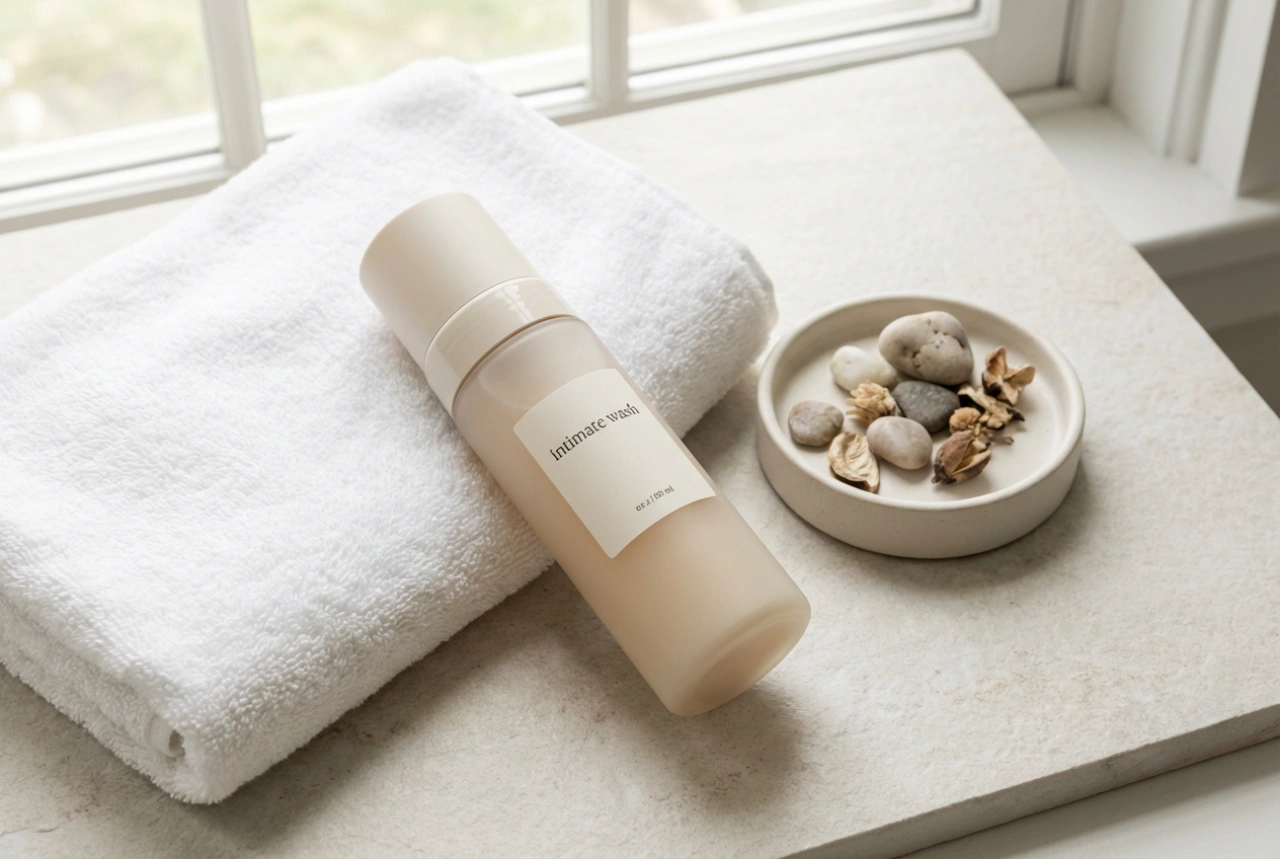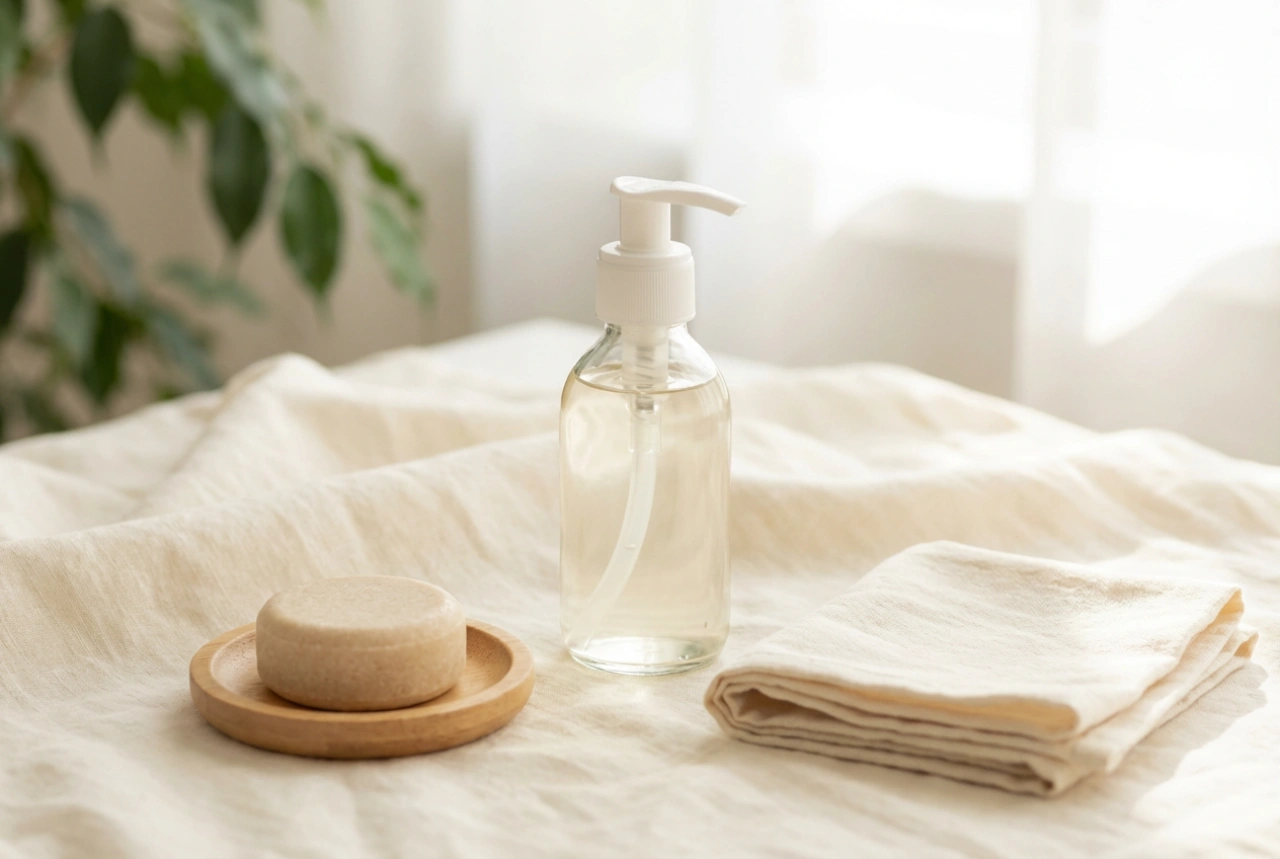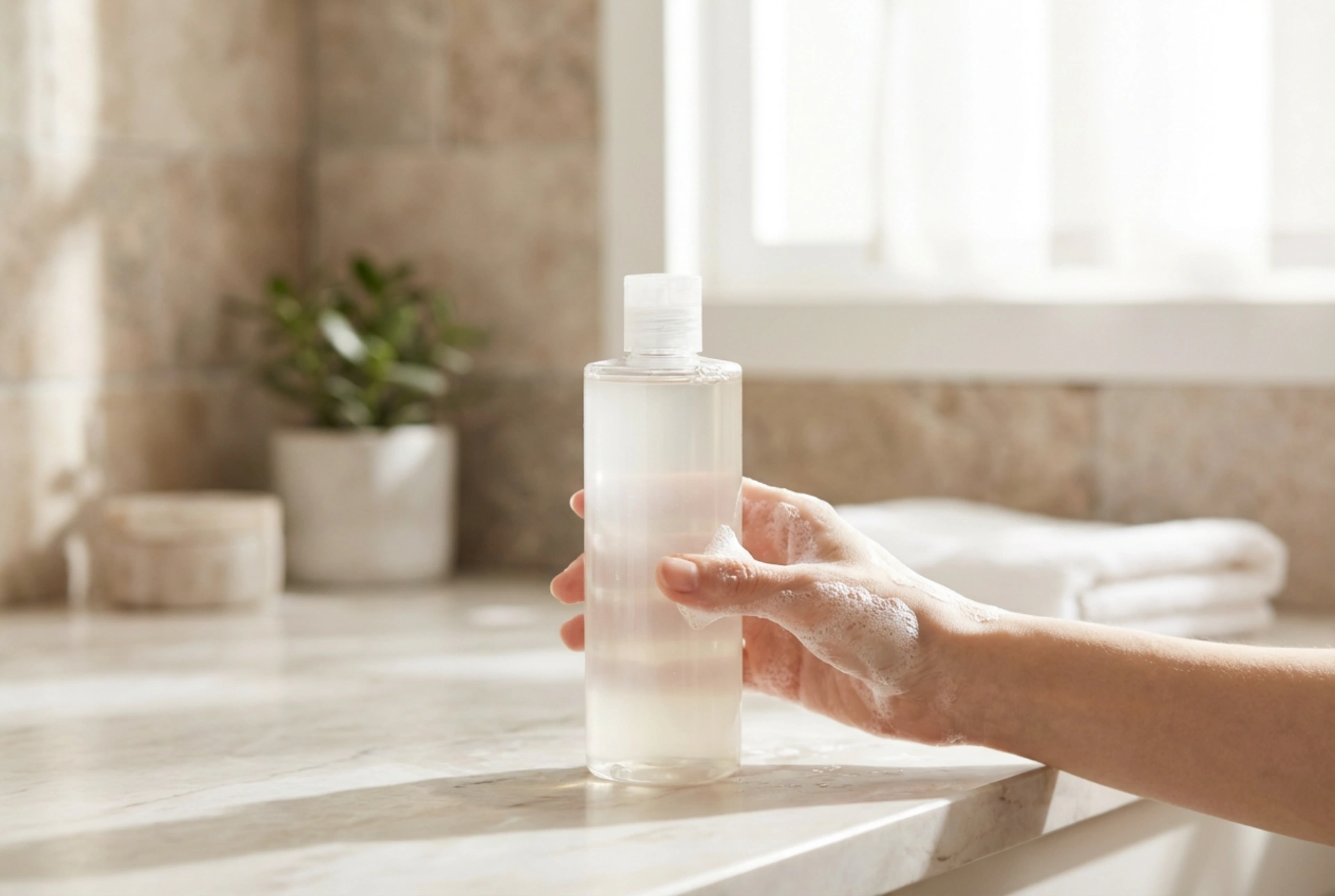


A daily shower is more than just a step in your hygiene routine; it's a moment of renewal that should leave you feeling refreshed and your skin feeling comfortable. However, for those with sensitive or easily irritated skin, this simple act can sometimes lead to tightness, dryness, or itchiness. The key to a soothing experience often lies in the product you use. Choosing a gentle, or 'hypoallergenic', shower gel and using it correctly can transform your daily cleanse into a truly nurturing ritual that supports your skin's health.
Understanding Gentle Cleansing for the Body
The term 'gentle cleansing' refers to washing your skin in a way that effectively removes dirt and sweat without stripping away its natural protective oils. This protective layer, often called the moisture barrier, is crucial for keeping skin hydrated, soft, and resilient. When this barrier is compromised by harsh cleansing agents, skin can become vulnerable to dryness and irritation.
A shower gel labelled 'hypoallergenic' is formulated to minimise the potential for causing reactions. While this term is not a guarantee against irritation for every individual, it indicates that the manufacturer has likely omitted common potential irritants, such as certain fragrances or aggressive detergents. A truly gentle body wash works in harmony with your skin's natural pH (which is slightly acidic) and uses mild cleansing agents that create a soft lather without being overly stripping. The goal is to cleanse effectively while respecting the skin's delicate balance.
How to Choose a Gentle Shower Gel
Navigating the body care aisle can be overwhelming, but a few key pointers can help you select a product that’s right for your sensitive skin.
- Read the Claims: Look for key phrases on the packaging that suggest a mild formula. Terms like "for sensitive skin," "soap-free," "pH-balanced," or "dermatologically tested for sensitive skin" are good indicators.
- Check the Fragrance Status: Fragrance is a common source of skin sensitivity. It's important to understand the difference between 'fragrance-free' and 'unscented'. 'Fragrance-free' means no fragrant ingredients have been added, either natural or synthetic. 'Unscented' products may contain masking fragrances to cover the chemical smell of the other ingredients. For maximum gentleness, 'fragrance-free' is usually the safer choice.
- Look for Soothing Ingredients: A good gentle shower gel often does more than just cleanse. Scan the ingredient list for hydrating and calming components. Glycerin is a powerful humectant that draws moisture into the skin. Panthenol (pro-vitamin B5) and allantoin are known for their soothing properties. Emollients like shea butter or certain plant oils can help leave the skin feeling soft and nourished.
- Perform a Patch Test: Before committing to a new full-size product, it’s always wise to test it on a small, discreet area of skin, such as the inner arm. Apply a small amount, rinse as usual, and wait 24-48 hours to see if any signs of irritation appear.
Best Practices for Showering Without Irritation
The way you shower is just as important as the product you use. Adopting a few gentle habits can make a significant difference in how your skin feels.
- Turn Down the Heat: Very hot water feels relaxing, but it's one of the biggest culprits in stripping the skin of its natural oils, leading to dryness and irritation. Opt for lukewarm water instead. It’s just as effective for cleansing and much kinder to your skin.
- Use Your Hands: Harsh loofahs, scrubs, or rough washcloths can cause micro-abrasions on the skin's surface, disrupting its barrier. The gentlest tool you have is your hands. Dispense the shower gel into your palm, lather it slightly, and then smooth it over your body. If you prefer using a tool, choose an exceptionally soft sponge or a baby washcloth.
- Keep it Brief: Long, lingering showers, especially in warmer water, can contribute to skin dehydration. Aim to keep your cleansing time efficient, ideally around 5 to 10 minutes.
- Rinse Thoroughly: Make sure to rinse off all the product residue before you get out of the shower. Leftover cleanser can continue to act on the skin and may lead to dryness or itchiness.
Post-Shower Care for Lasting Comfort
Your gentle skin routine shouldn't end when you turn off the water. The moments immediately following your shower are a golden opportunity to lock in moisture and support your skin barrier.
When drying off, gently pat your skin with a soft, clean towel. Avoid rubbing vigorously, as the friction can cause unnecessary irritation, especially when your skin is in a slightly more vulnerable, damp state.
The most crucial step is to moisturise immediately. Applying a gentle, fragrance-free body lotion or cream to slightly damp skin is the most effective way to trap hydration and replenish the moisture barrier. This simple act seals in the water left on your skin's surface, preventing the tight, dry feeling that can occur after washing and leaving your skin feeling soft, supple, and comfortable all day long.