

Removing your makeup at the end of the day can feel like a chore, but it's one of the most critical steps in any skincare routine. Proper makeup removal does more than just wipe away foundation and mascara; it cleanses the skin of pollutants, excess oil, and impurities that accumulate throughout the day. Treating this step with care and using the right technique not only prevents clogged pores and breakouts but also prepares your skin to better absorb the beneficial ingredients in your nighttime serums and moisturisers. Mastering this process is a simple act of care that lays the foundation for healthy, radiant skin.
Choosing the Right Type of Makeup Remover
The beauty aisle offers various types of makeup removers, each with a different texture and purpose. Understanding the main categories can help you choose the most effective option for your makeup habits and skin's needs.
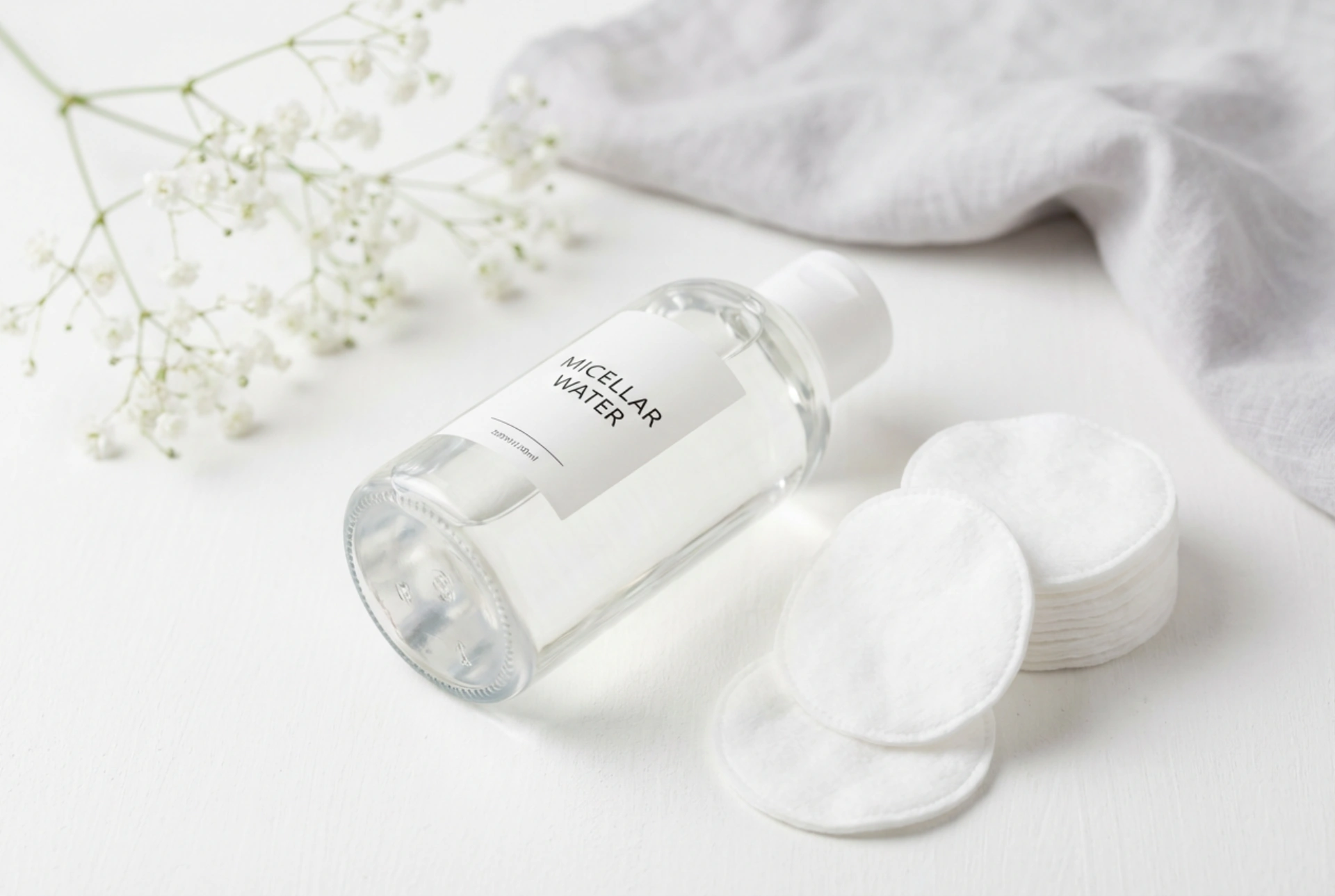
Micellar Water
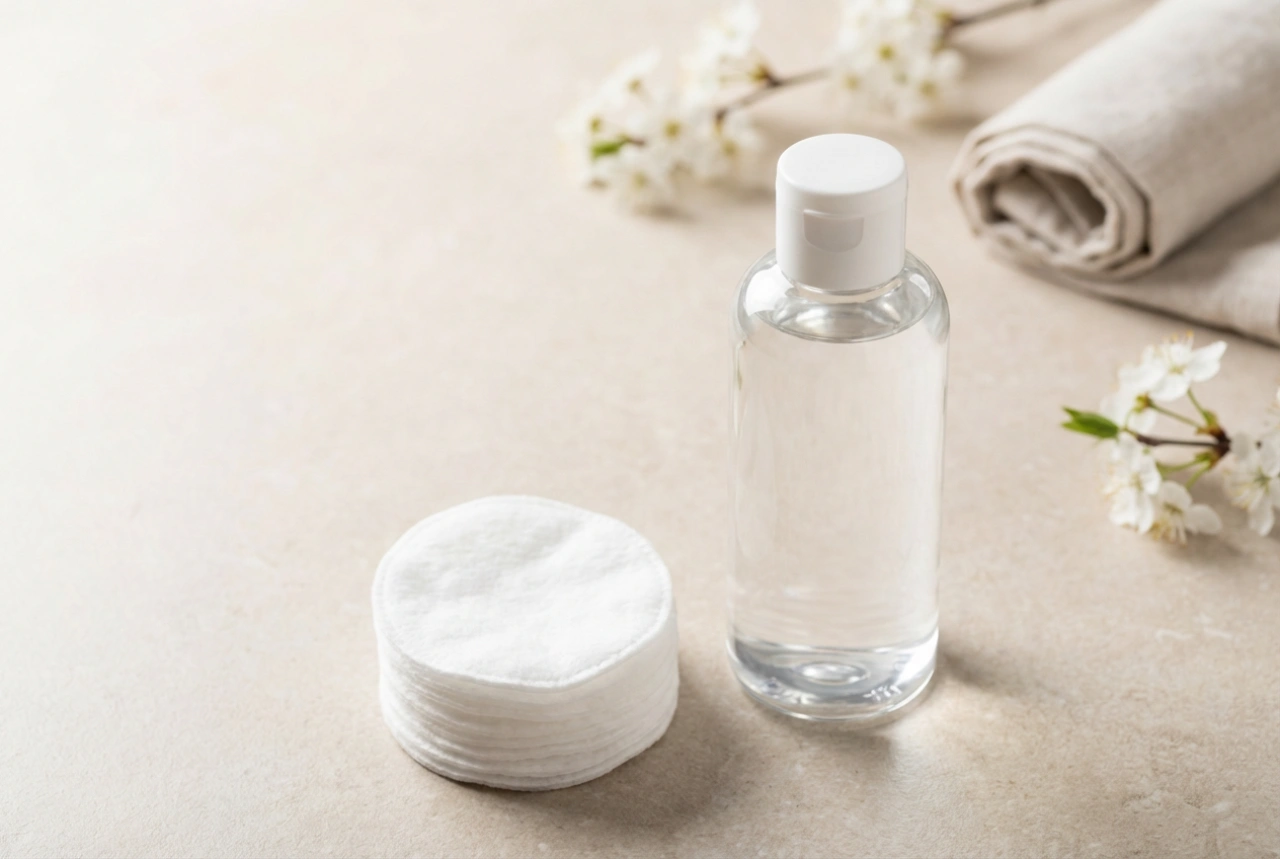
This is a water-like fluid containing tiny oil molecules called micelles, which act like magnets to attract and lift away light makeup, dirt, and oil without stripping the skin's natural moisture. It's an excellent choice for removing light, everyday makeup or as the first step in a double-cleansing routine. It feels refreshing and is generally well-tolerated by many skin types, though rinsing it off is often recommended for the most thorough clean.
Bi-Phase Removers
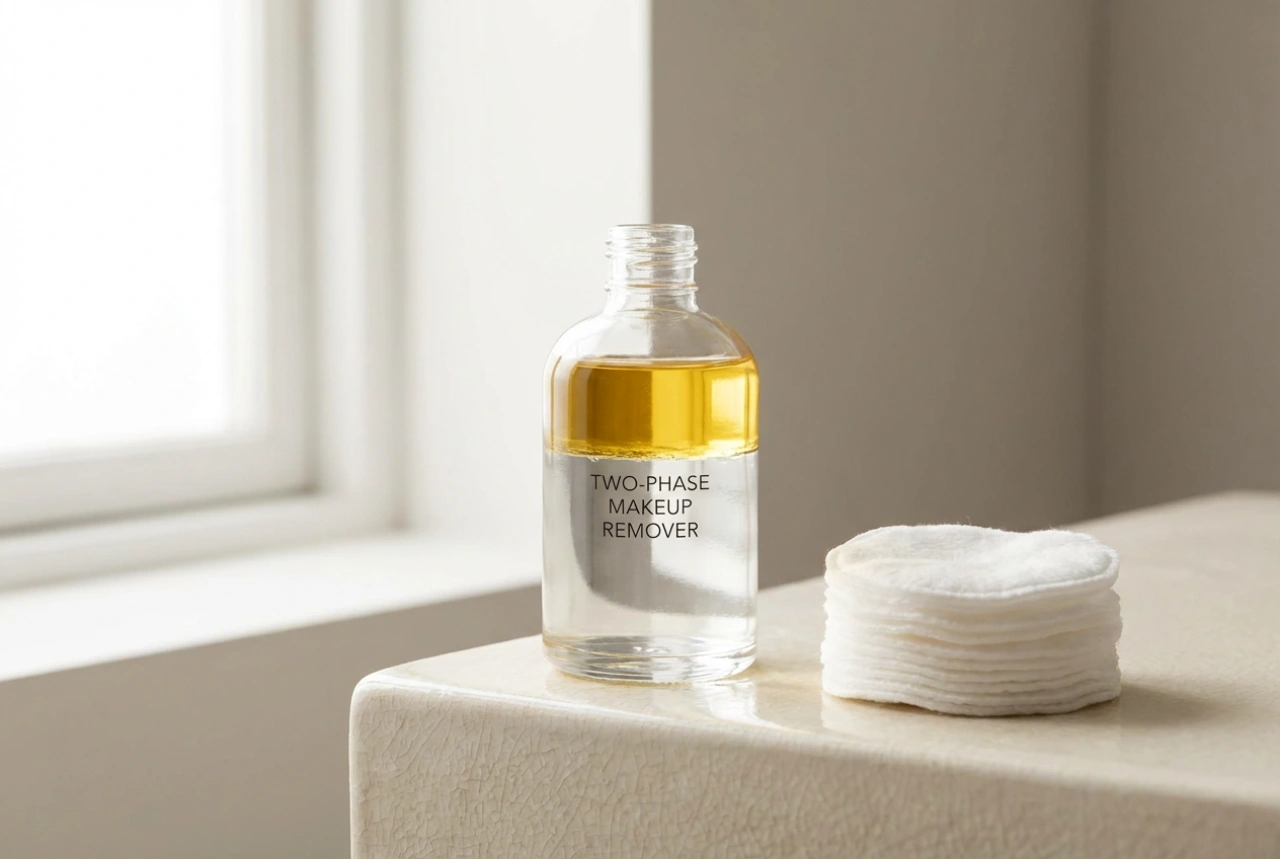
Instantly recognisable by their layered appearance, bi-phase (or dual-phase) removers consist of an oil part and a water part. You need to shake the bottle to mix them before use. The oil component is highly effective at dissolving stubborn, long-wearing, and waterproof makeup, particularly for eyes and lips. The water component then helps to rinse it away with a less greasy feel. This type is a must-have if you frequently wear waterproof mascara or liquid lipsticks.
Cleansing Oils and Balms
Cleansing oils and balms are oil-based formulas that are massaged onto dry skin. They work by melting away all traces of makeup, sunscreen, and excess sebum. When you add water, they emulsify into a milky liquid that rinses off cleanly. They are exceptionally gentle and effective, leaving the skin feeling soft and nourished rather than tight or dry. They are suitable for all skin types, including oily skin, as they help to dissolve excess oil on the skin's surface.
The Correct Technique for Gentle Removal
How you remove your makeup is just as important as what you use. An aggressive, hurried approach can cause unnecessary irritation and stress to your skin. The key is to be gentle and methodical.
For the Eyes and Lips
The skin around your eyes is the thinnest on your face, so it requires special care. Avoid rubbing at all costs.
- Soak a cotton pad generously with your chosen remover (a bi-phase formula works best for stubborn products).
- Press the pad gently onto your closed eyelid or lips.
- Hold it in place for 20-30 seconds without moving. This gives the product time to dissolve the makeup bonds, so you don't have to scrub.
- Gently swipe the pad downwards over your lashes or across your lips in one direction.
- Fold the pad to a clean side and gently sweep it under the eye to remove any remaining residue.
- Repeat with a fresh pad if necessary until it comes away clean.
For the Face
Once your eye and lip makeup is off, you can move on to your complexion.
- Take a fresh, saturated cotton pad (for micellar water) or apply your oil/balm to your dry face.
- Start from the centre of your face and work your way outwards in gentle, sweeping motions.
- Pay close attention to areas where makeup tends to accumulate, such as around the nose, along the hairline, and under the jawline.
- Use as many cotton pads as needed until they show no more traces of makeup.
- If using an oil or balm, finish by adding a little water to your face to emulsify the product, then rinse thoroughly.
Common Makeup Removal Mistakes to Avoid
Even with the best intentions, it's easy to fall into bad habits. Being aware of these common errors can significantly improve your skin's health.
- Rubbing and Tugging: Aggressive friction, especially around the eyes, can contribute to irritation, broken eyelashes, and the breakdown of skin elasticity over time. Always let the product do the work.
- Using Too Little Product: Skimping on remover means a cotton pad will drag and pull on your skin. The pad should be saturated enough to glide smoothly and effortlessly.
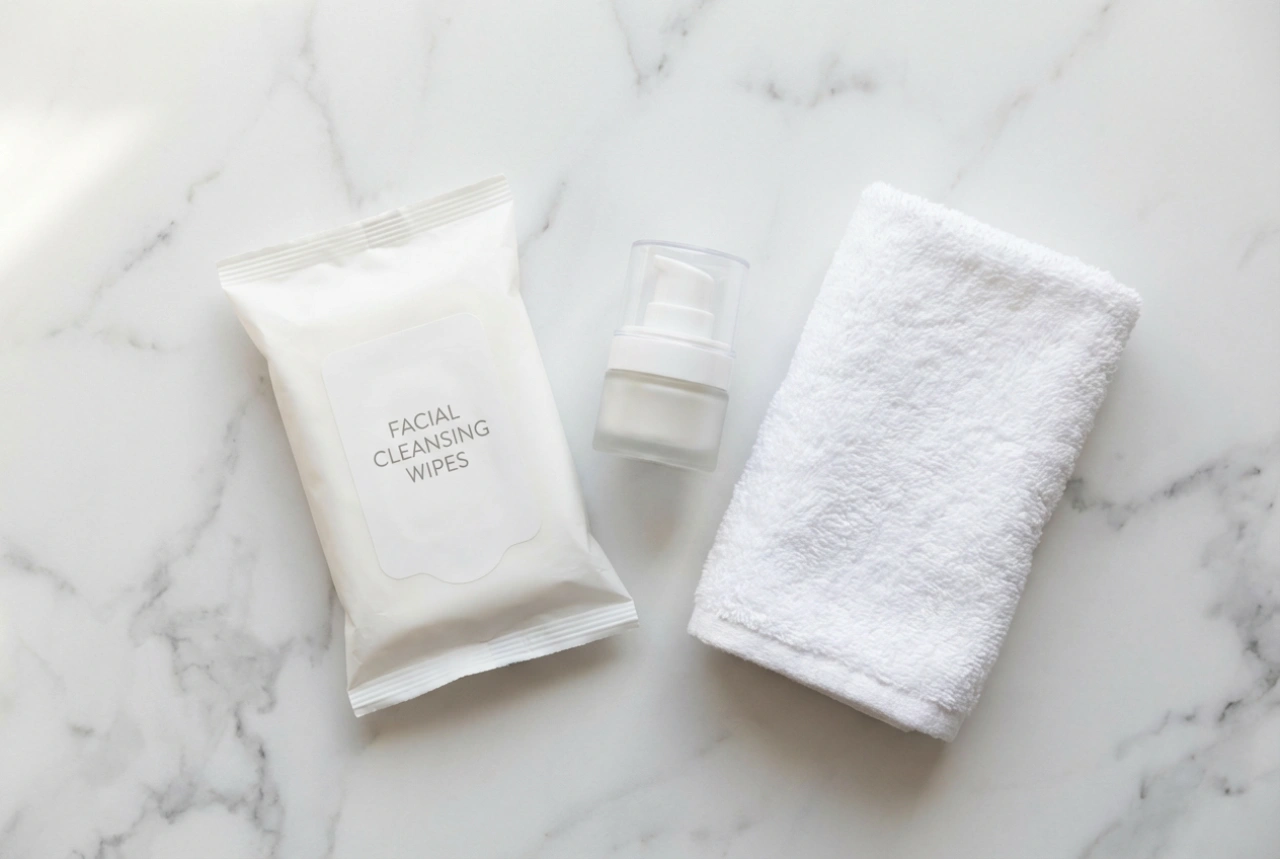
- Relying Only on Makeup Wipes: While convenient for emergencies, makeup wipes tend to smear makeup, oil, and dirt across the face rather than lifting it away completely. They can also leave behind an irritating film of residue. Think of them as a last resort, not a daily solution.
- Skipping the Second Cleanse: A makeup remover's job is to break down makeup. A water-based, rinse-off cleanser's job is to clean your skin. Following your makeup remover with a gentle facial cleanser (a practice known as 'double cleansing') ensures that all traces of makeup, remover, and impurities are washed away, leaving your skin truly clean.
- Forgetting to Rinse: Many micellar waters are marketed as 'no-rinse', but for the most thorough cleanse, it's best to follow up with a splash of water or a second cleanser. This removes any leftover surfactant molecules from the micellar water, which can potentially cause dryness or irritation for some individuals if left on the skin.
Ultimately, taking the time to remove your makeup properly is a foundational pillar of good skincare. By choosing the right product and using a gentle, thorough technique, you ensure your skin is clean, calm, and perfectly prepped for the rest of your routine.