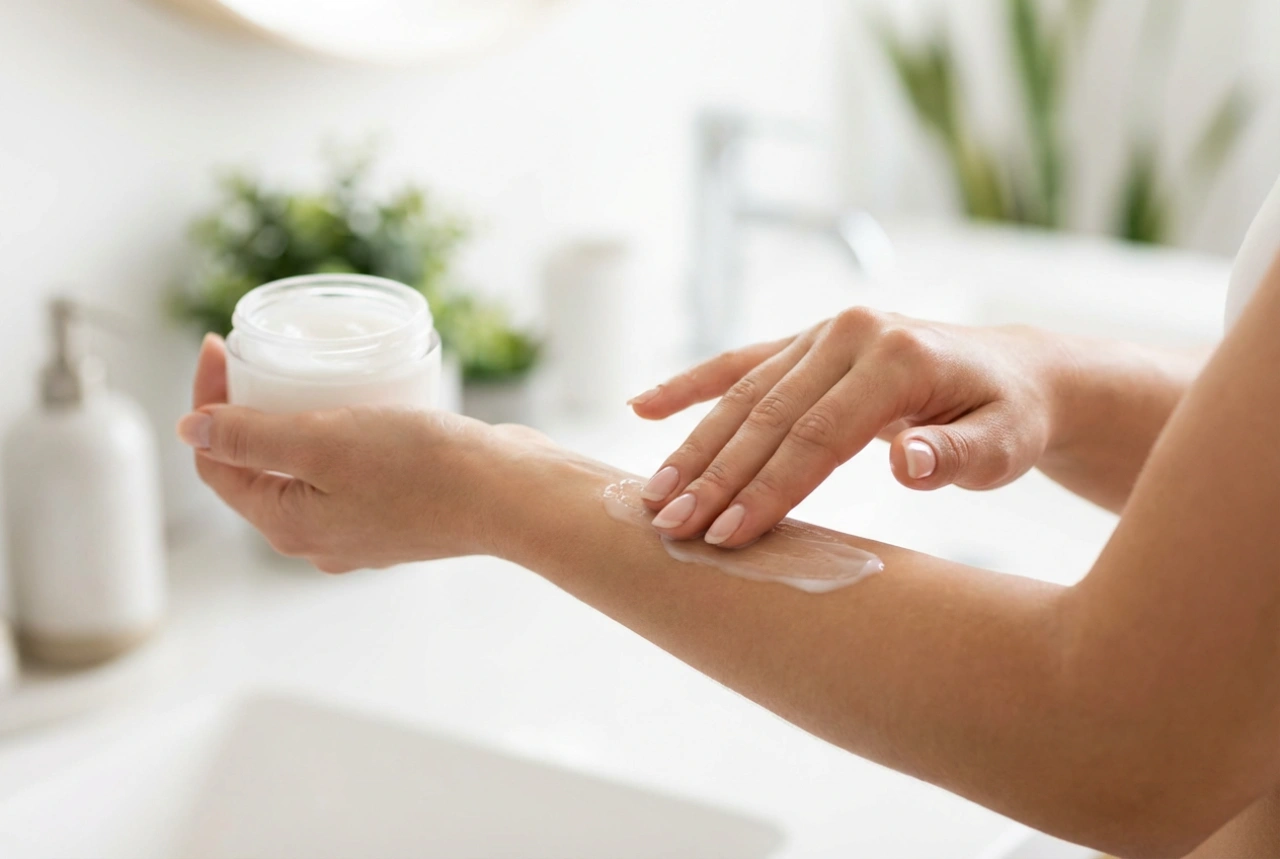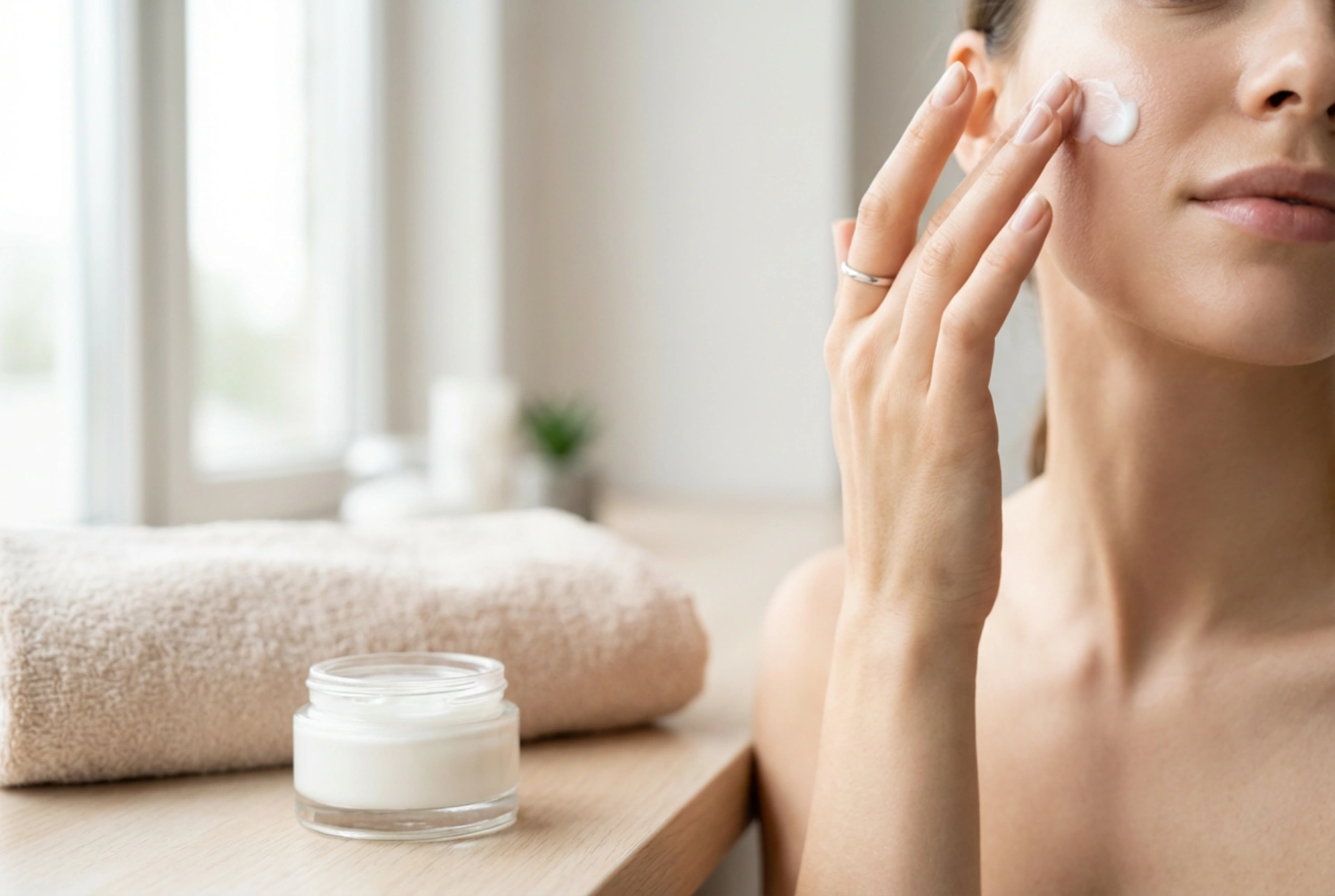


Applying a rich, luxurious moisturising cream to a clean cheek with gentle, precise hand movements is one of the most satisfying rituals of daily skincare. It is a moment of self-care that not only relaxes the senses but also provides the skin with the essential hydration it needs to maintain a healthy, natural glow. However, even the most beautifully formulated face cream cannot deliver its full benefits if it is applied incorrectly. Understanding the precise quantity, the right order of application, and the common pitfalls to avoid can completely transform your daily beauty routine.
The Vital Role of Moisturisation in Skincare
Every skin type requires a reliable source of hydration to function optimally. The skin barrier acts as a protective shield against environmental stressors, and a high-quality moisturiser helps to reinforce this barrier. By sealing in water and preventing transepidermal water loss, a good cream ensures that the complexion remains plump, smooth, and radiant. When the skin is adequately hydrated, it is better equipped to maintain its elasticity and resist the early signs of fine lines caused by dehydration.
The Ideal Quantity: How Much Cream Do You Actually Need?
One of the most frequent dilemmas in skincare is determining the correct amount of product to use. Applying too little cream can leave your skin feeling tight and unprotected, while applying too much can lead to a heavy, greasy film that may overload your pores. To achieve the perfect balance, consider these general guidelines:
- The Blueberry Rule: For the entire face, a portion roughly the size of a blueberry or a large pea is usually sufficient. This amount provides enough coverage without suffocating the skin.
- Adjusting for Skin Type: Those with drier skin may require a slightly more generous amount, particularly during the colder seasons, whilst those with oily or combination skin will benefit from a smaller, well-distributed quantity.
- Extending to the Neck: If you are extending the application to your neck and d)colletage, which is highly recommended, you should double the portion to ensure these delicate areas receive equal care.
Where Does Cream Fit in Your Skincare Order?
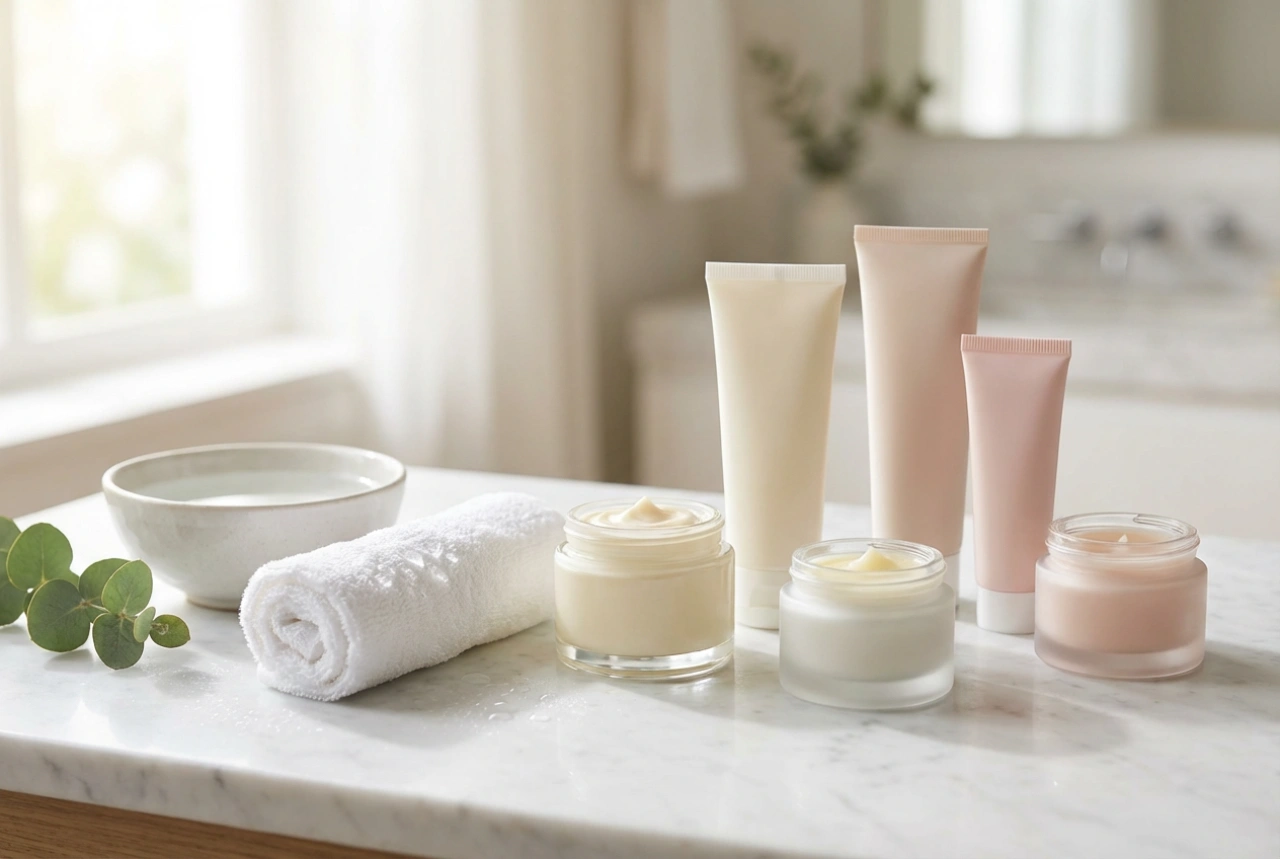
To maximise the efficacy of your skincare products, the order of application is critical. The general rule of thumb is to apply products from the thinnest, most watery consistency to the thickest, most occlusive texture. This ensures that lighter formulas can penetrate the skin without being blocked by heavier barriers.
In a standard daily routine, your moisturising cream should be applied after cleansing, toning, and using lightweight serums or concentrates. The cream acts as a protective seal, locking in the active ingredients from your serums and preventing them from evaporating. During the daytime, always follow your moisturiser with a dedicated broad-spectrum sunscreen to protect your skin from environmental damage. In the evening, the moisturiser can be the final step of your routine, or followed by a lightweight facial oil if your skin requires extra nourishment.
Common Mistakes When Applying Face Cream
Even with the best intentions, simple application habits can sometimes hinder the performance of your cream. By identifying and correcting these common mistakes, you can optimise your results:
- Applying to Completely Dry Skin: Creams work best when they lock in existing moisture. Applying your product to slightly damp skin, immediately after toning, helps to trap extra hydration and allows the cream to glide on more smoothly.
- Rubbing Too Harshly: Vigorous rubbing can stretch the delicate skin of the face and cause mild irritation. Instead, use gentle upward strokes and press the cream into the skin with the palms of your hands.
- Neglecting the Eye Area: While standard moisturisers are excellent for the face, they can sometimes be too rich for the exceptionally thin skin around the eyes. Use a dedicated, lightweight eye product for this area, or apply your face cream very sparingly, keeping it away from the lash line.
- Ignoring Seasonal Changes: Your skin's needs change throughout the year. A rich, heavy cream that protects your skin in winter might feel too heavy in the summer, when a lightweight lotion or gel-cream would be more suitable.
Achieving the Ultimate Healthy Glow
By treating the application of your face cream as a mindful ritual rather than a hasty chore, you allow the ingredients to work in harmony with your skin. Paying attention to the quantity you use, respecting the correct sequence of products, and handling your skin with gentle care will reward you with a balanced, radiant, and beautifully hydrated complexion every day.