

In the quest for smooth, supple, and glowing skin, choosing the right body moisturiser is a fundamental step. The shelves are filled with countless options, but two of the most popular choices are body lotion and body butter. While they both aim to hydrate, they are fundamentally different products designed for different needs and moments. Understanding when to reach for a rich, luxurious body butter instead of a lighter lotion can transform your body care routine from a simple habit into a truly effective and pampering ritual.
What is Body Butter and How Does It Differ from Body Lotion?
The primary difference between body butter and body lotion lies in their composition and texture. Think of them as two distinct tools in your skincare arsenal, each with its own purpose. A body lotion typically has a high water content, making it light, fluid, and quick to absorb. It's an excellent choice for daily hydration, especially for those with normal to slightly dry skin or for use in warmer, more humid climates where a heavy product can feel uncomfortable.
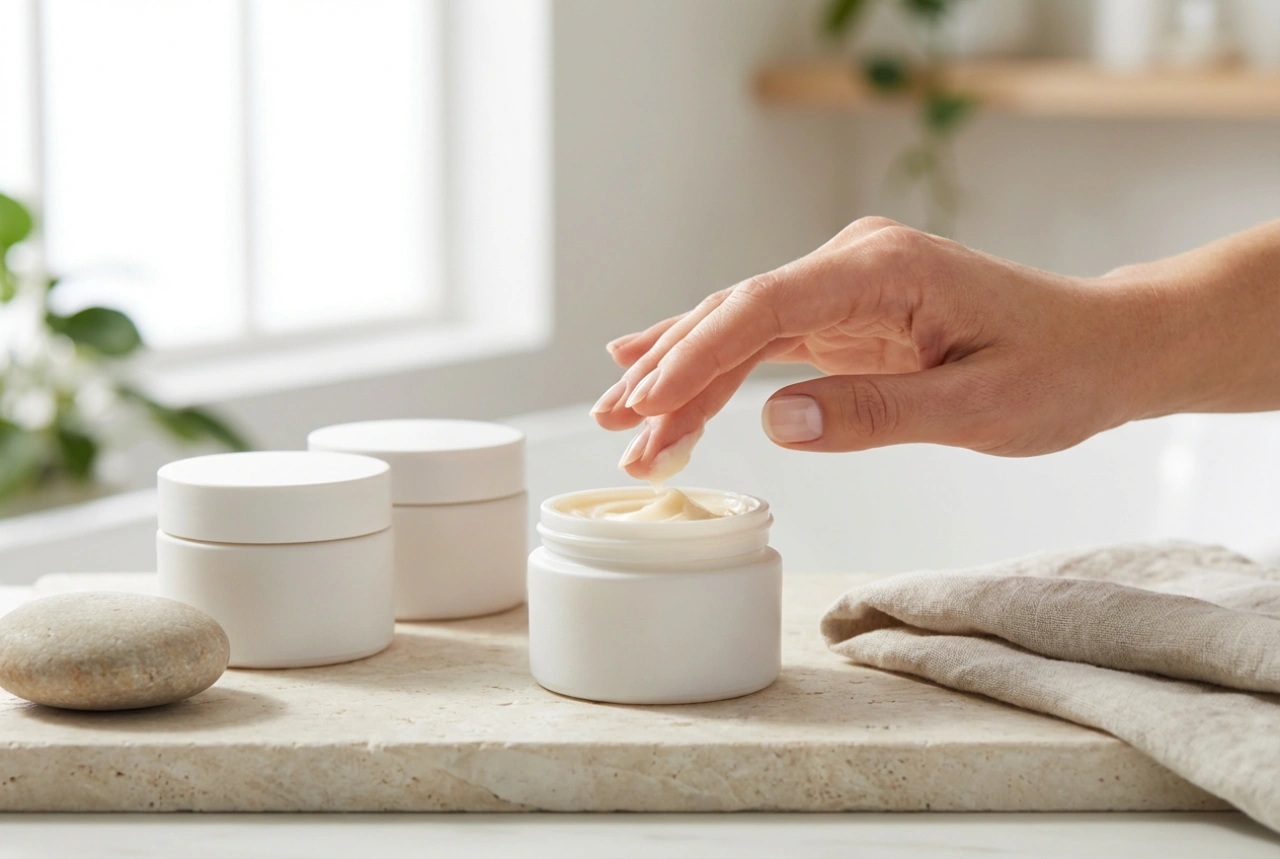
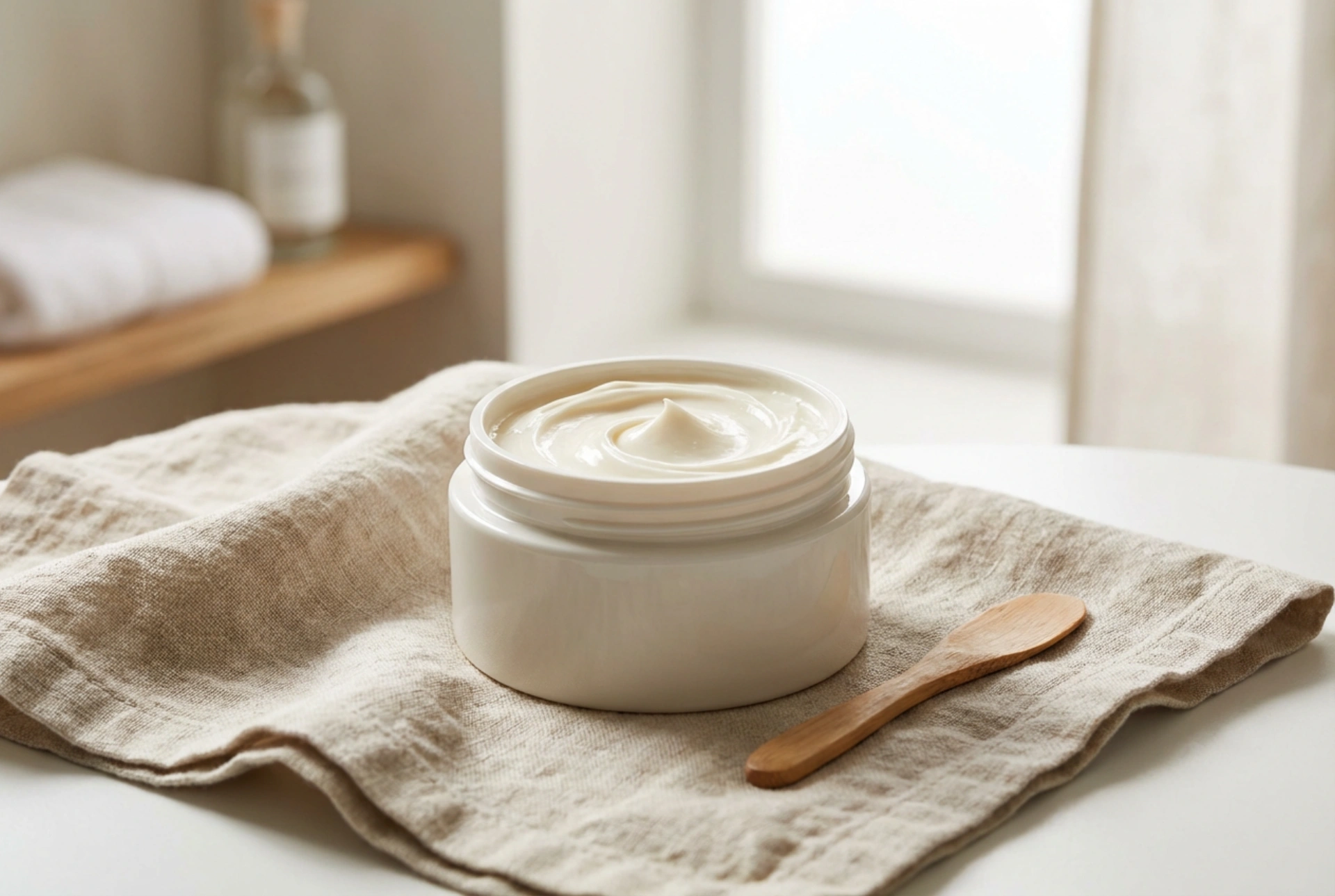
Body butter, on the other hand, is a much richer and denser formulation. It is primarily composed of natural butters derived from sources like shea, cocoa, or mango seeds, combined with carrier oils such as coconut, jojoba, or almond oil. This composition gives it a thick, creamy texture that melts upon contact with the skin. Due to its low water content, body butter is an occlusive, meaning it forms a protective barrier on the skin's surface. This barrier does two important things: it significantly reduces moisture loss from the skin (a process known as transepidermal water loss) and it shields the skin from environmental aggressors like cold air and wind. It provides a more intense and long-lasting hydration, making it ideal for skin that needs extra care and nourishment.
When Should You Choose Body Butter?
While a lotion can be a daily staple, there are specific times and situations where a body butter will deliver superior results. Opt for a butter when your skin is signalling it needs something more substantial.
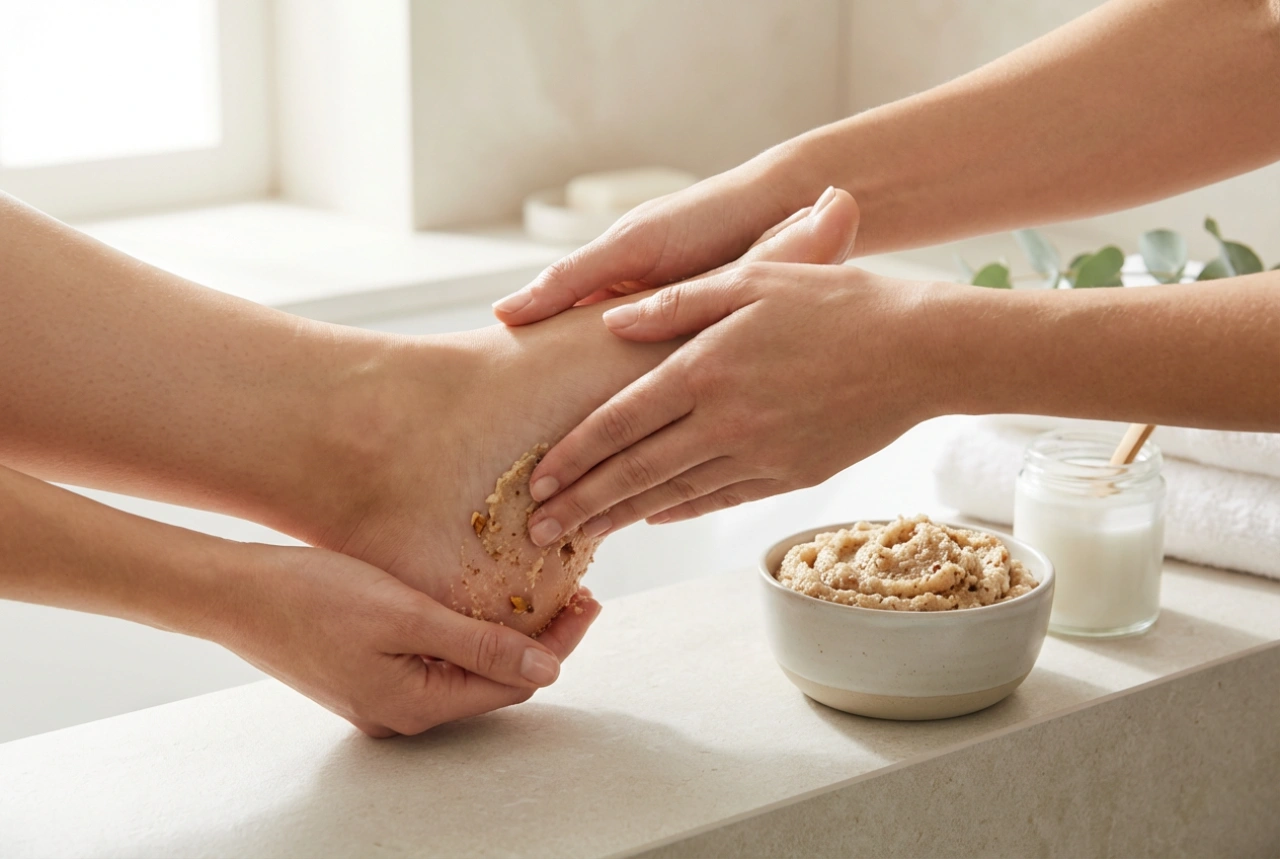
- For Intensely Dry Areas: Areas like elbows, knees, heels, and knuckles have thicker skin and fewer oil glands, making them prone to dryness and cracking. A targeted application of body butter can provide the concentrated moisture needed to soften and restore these rough patches.
- During Cold or Dry Seasons: Winter air and central heating can strip moisture from the skin, leaving it feeling tight and flaky. Switching to a body butter during colder months helps to reinforce your skin's natural barrier and keep it protected and hydrated.
- As an Overnight Treatment: Applying a generous layer of body butter before bed allows the product to work its magic overnight. As you sleep, your skin's natural repair processes are most active, and the rich butter can deeply penetrate and nourish the skin, leaving you with noticeably softer skin by morning.
- For a Pampering Self-Care Ritual: The luxurious texture and rich feel of body butter make it perfect for a mindful self-care moment. The process of warming it in your hands and massaging it into your skin can be incredibly relaxing and grounding, turning a simple moisturising step into a spa-like experience.
- After Shaving or Hair Removal: Shaving can leave skin feeling sensitive and stripped. Applying a gentle, soothing body butter afterwards helps to calm the skin, lock in moisture, and create a smooth, protective layer that reduces irritation.
How to Apply Body Butter for Maximum Benefits
To get the most out of your body butter, application technique is key. Simply slathering it on won't be as effective as a more mindful approach. Following these steps will ensure you get deep hydration without a heavy, greasy feeling.
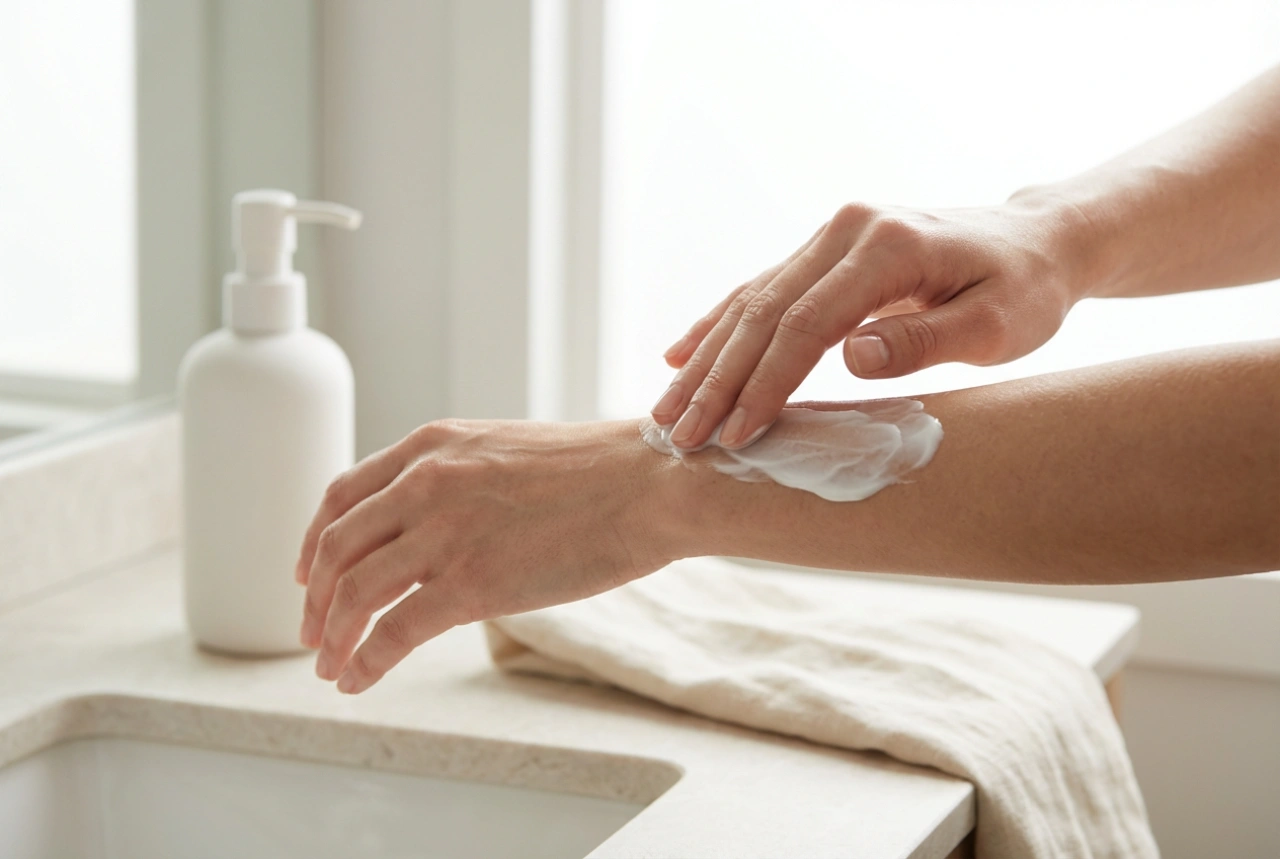
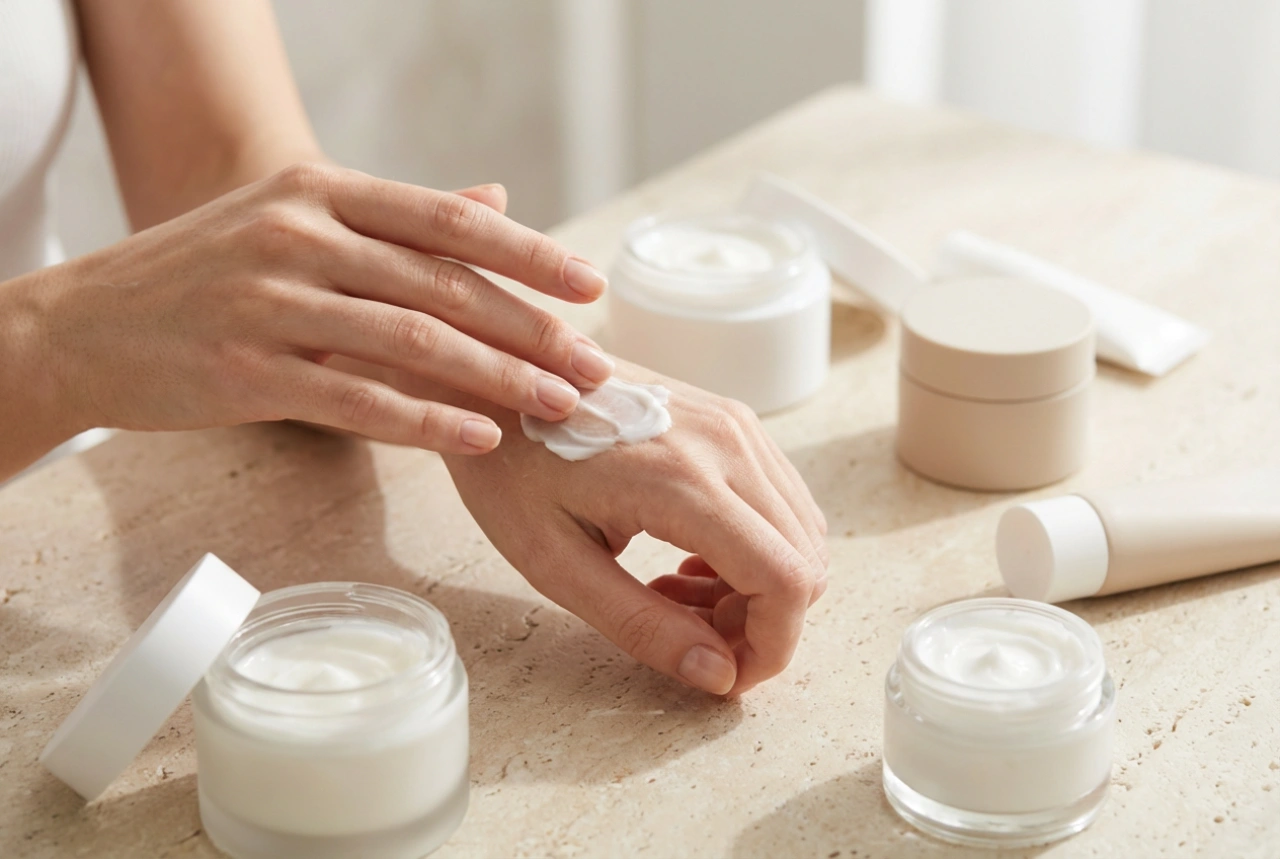
The best time to apply body butter is immediately after a warm bath or shower. Pat your skin gently with a towel, leaving it slightly damp. This dampness is crucial, as the butter will help to trap that surface moisture, pulling it into the skin for deeper hydration. Scoop a small amount of butter—about the size of a ten-pence coin—into your palm. Remember, these formulas are very concentrated, so a little goes a long way. Rub your palms together to warm and soften the butter. This transforms it from a solid into a luscious oil, making it easier to spread. Apply it to your body using long, firm strokes or gentle circular motions. Take your time to massage it in thoroughly, paying extra attention to drier areas. This not only helps with absorption but also stimulates circulation, which contributes to healthier-looking skin. Finally, allow the butter a few minutes to fully absorb before getting dressed. This prevents the product from transferring onto your clothes and gives it time to sink in properly.
Common Mistakes to Avoid
Using body butter effectively also means knowing what not to do. Avoiding these common errors will ensure you get all the benefits without any of the potential downsides.
- Using too much product: The most frequent mistake is being too heavy-handed. An excessive amount won't absorb properly, leaving a greasy film on the skin. Always start small and add more only if needed.
- Applying to completely dry skin: While better than nothing, applying body butter to bone-dry skin is less effective. It works best when it can lock in existing moisture, so always aim to apply it when your skin is still slightly damp.
- Not using it consistently: For chronically dry skin, consistency is paramount. A single application will provide temporary relief, but regular use is what builds and maintains a healthy, resilient skin barrier over time.
- Rushing the process: Unlike a fast-absorbing lotion, body butter needs a moment to be massaged in and absorbed. Rushing and immediately putting on tight clothes can lead to a sticky feeling and less effective hydration.
By understanding its unique properties and mastering the application, you can unlock the full potential of body butter, ensuring your skin stays soft, nourished, and beautifully hydrated all year round.