

Elegant, minimalist self-care routines often highlight the simplest, most effective tools for skin replenishment. Among the various sheet masks available, biocellulose has quickly earned a reputation as a premium option for achieving deep hydration and a refreshed complexion. Its delicate, gel-like texture fits perfectly onto the skin, providing a soothing, spa-like experience in the comfort of your own home. If you want to elevate your weekly skincare ritual with an intensive moisture boost, understanding how and when to use this advanced material can help you achieve optimal results.
What is a biocellulose mask?
Biocellulose is a natural, biodegradable material produced through the fermentation of coconut water by specific beneficial micro-organisms. The resulting organic fibres are extremely fine, measuring only a fraction of the width of a human hair. This unique micro-structure allows the material to retain an exceptional amount of moisture and fit snugly against the contours of the face like a second skin.
Unlike traditional paper or cotton sheet masks, which can easily slip, lift, or dry out quickly, biocellulose remains perfectly in place. This superior adhesion ensures that the nutrient-rich serum infused into the mask is continuously and evenly delivered to the epidermis, preventing evaporation and allowing for a deeply revitalising treatment.
Key benefits of biocellulose in skincare
Incorporating this material into your beauty routine offers several distinct advantages for maintaining a healthy-looking, glowing complexion:
- Intense moisturisation: Because biocellulose holds up to one hundred times its dry weight in water, it acts as a reservoir of hydration, transferring moisture directly to thirsty skin cells.
- Cooling and soothing effect: The natural physical properties of the wet fibres provide an instant, refreshing cooling sensation upon contact, which helps calm tired or puffy skin.
- Enhanced absorption: By forming a physical barrier over the face, the mask minimises serum evaporation, encouraging the skin to absorb the beneficial active ingredients more effectively.
- Gentle and hypoallergenic: The purity of the organic fibres makes them incredibly gentle, making this type of mask suitable for almost all skin types, including sensitive and dry skin.
When does a biocellulose mask work best?
While daily skincare routines are essential, there are specific moments when your skin requires an extra boost of nourishment. A biocellulose treatment is particularly beneficial in the following situations:
If you have an important event, such as a wedding or a professional photo shoot, applying this mask beforehand creates a smooth, plump, and deeply hydrated base. This helps make-up sit beautifully on the skin and prevents dry patches from showing through.
Long flights and air-conditioned environments can leave the skin looking dull and depleted. Using a hydrating sheet mask during or immediately after travel helps restore lost moisture and revitalises the appearance of tired skin.
Transitioning between seasons, particularly from autumn to winter or spring to summer, often challenges the skin's natural barrier. A regular weekly treatment helps support skin resilience during these environmental shifts.
How to use a biocellulose mask for best results
To get the most out of your home treatment, follow these simple and effective steps:
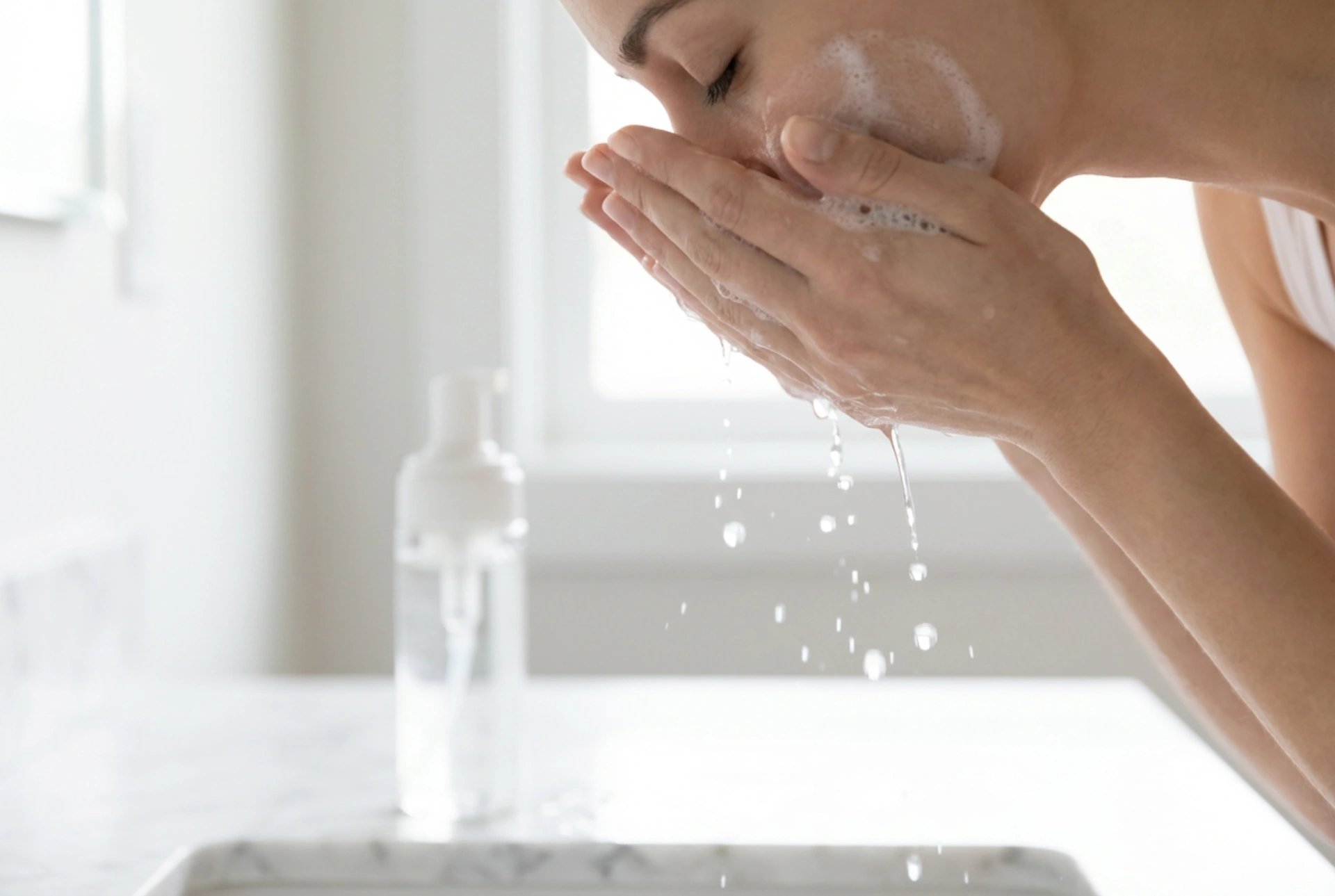
1. Thoroughly cleanse your skin
Always start with a clean canvas. Remove all make-up and impurities using your preferred gentle cleanser, and follow up with a mild toner to balance your skin's pH. This ensures that the active ingredients can penetrate without any barriers.
2. Prepare the mask
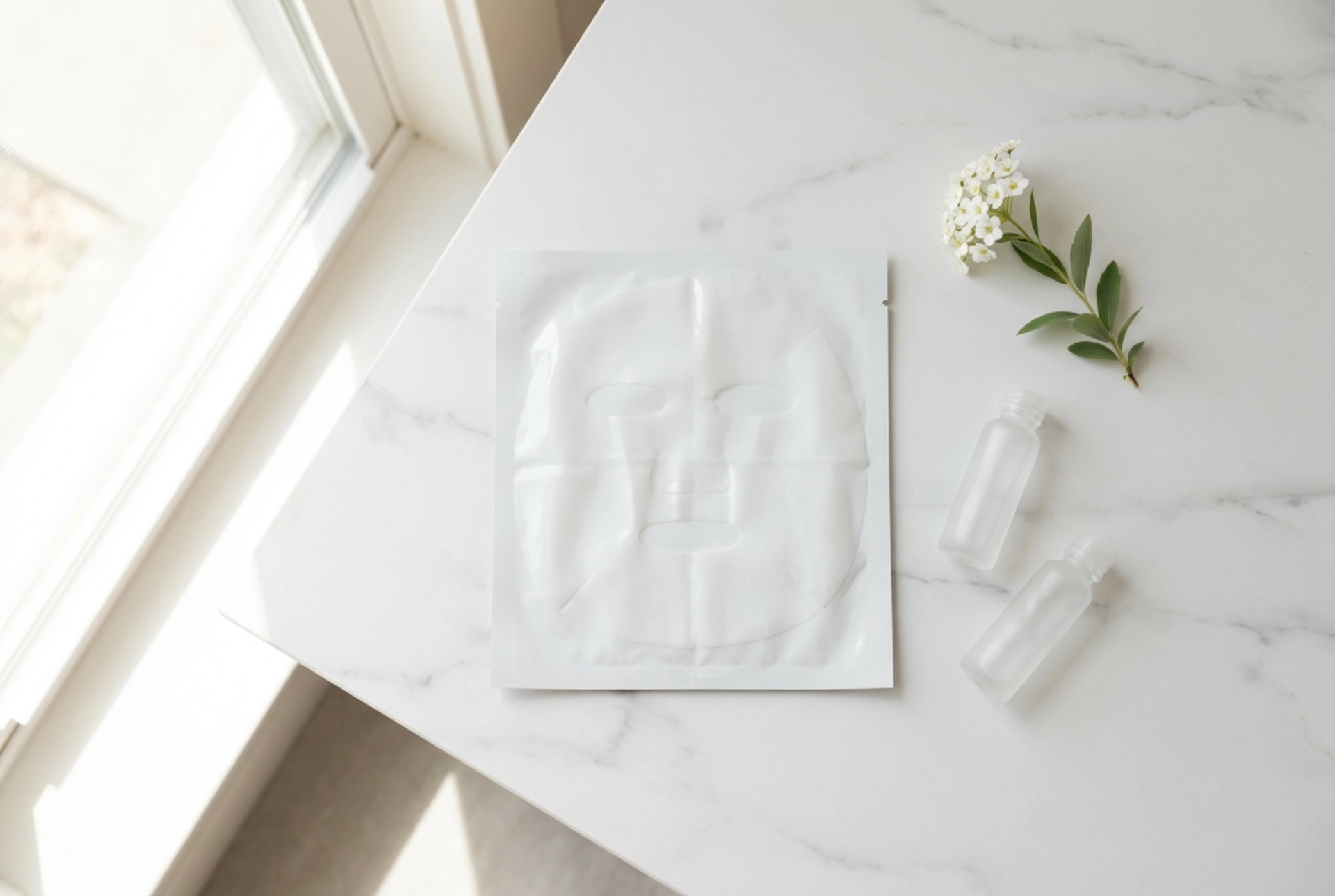
Biocellulose masks are usually protected by outer layers of mesh or protective film on both sides to keep their delicate shape. Carefully remove one protective layer before applying the mask to your face, aligning the holes with your eyes, nose, and mouth. Once in place, gently peel away the outer protective layer.
3. Relax and let it work
Smooth out any air bubbles so the mask adheres snugly to your skin. Leave it on for approximately fifteen to twenty minutes. Avoid leaving it on for too long; removing it while it is still damp prevents it from absorbing moisture back from your skin.
4. Massage the remaining serum
After removing the mask, do not rinse your face. Instead, gently pat and massage any excess serum into your face, neck, and décolletage. Follow with your favourite moisturiser to lock in the hydration and seal the benefits.