

Achieving silky, luminous hair that catches the light gracefully is a common goal in modern hair care routines. The choice of ingredients in daily products, such as shampoos, plays a pivotal role in how the hair fibres behave, look, and feel. Silicones are among the most discussed and debated ingredients in cosmetic formulations. Understanding their function helps to make informed choices that align with specific hair needs, ensuring a balanced and healthy-looking finish.
What Are Silicones in Hair Care?
Silicones are synthetic compounds derived from silica. In hair care, they act as a protective barrier, wrapping around the hair shaft to smooth down the cuticle. This creates an immediate visual effect of shine, softness, and reduced frizz. In shampoos, they are often added to provide conditioning benefits during the cleansing process, ensuring that hair does not feel overly stripped or tangled after washing.
The Benefits of Silicones: When Are They Useful?
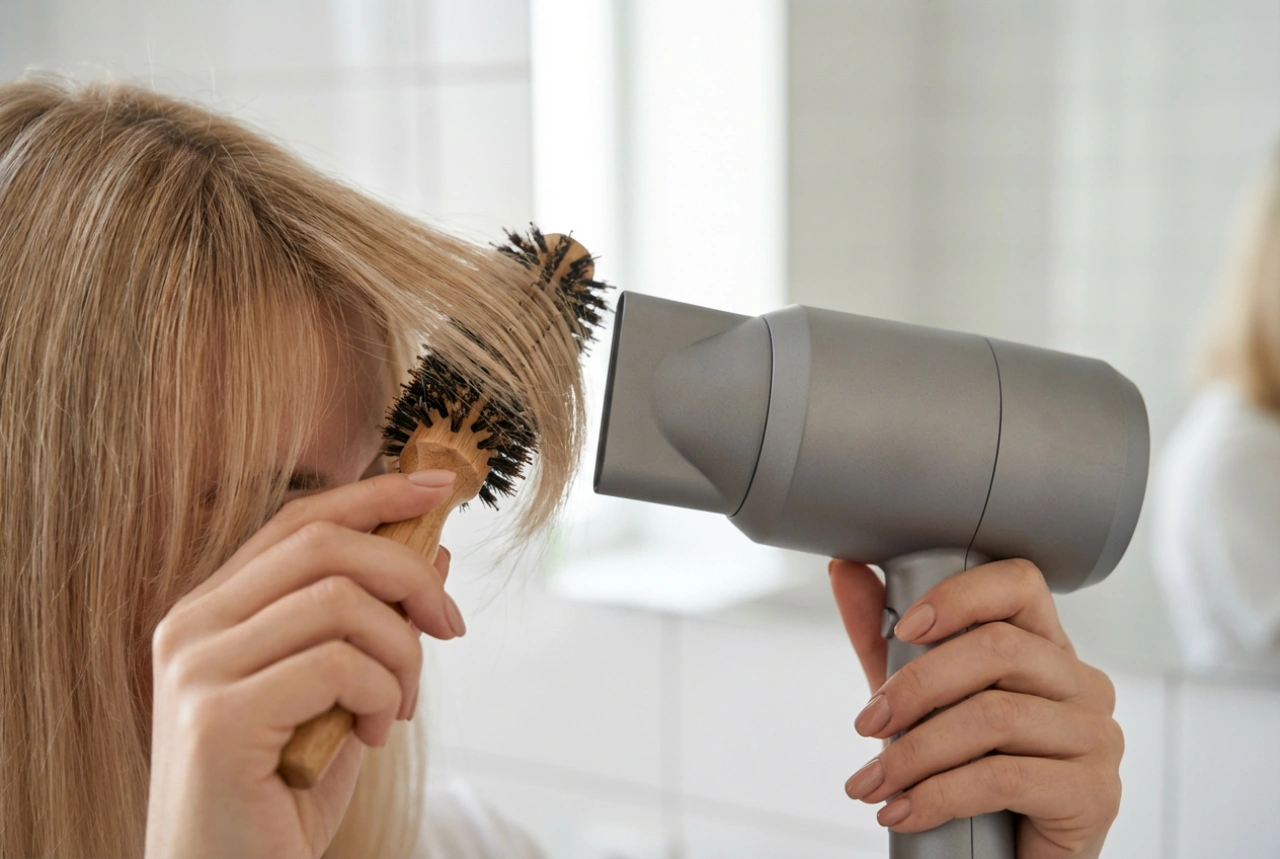
Silicones can be incredibly beneficial for certain hair types and conditions. For individuals with coarse, thick, or highly porous hair, silicones offer a protective layer that locks in moisture and prevents environmental humidity from causing unwanted frizz. They are particularly useful for those who frequently use heat-styling tools, such as straighteners or blow-dryers, as the barrier helps distribute heat more evenly and reduces thermal damage.
- Smoothing coarse hair fibres
- Enhancing natural shine and light reflection
- Facilitating easier detangling, reducing mechanical breakage
- Protecting the hair from moisture loss during heat styling
If your hair is prone to tangling or has lost its natural lustre due to colouring or styling, a silicone-containing shampoo can help restore a healthy appearance, making the hair feel silky and manageable from the very first wash.
When to Avoid Silicone-Based Products
Despite their immediate aesthetic benefits, silicones are not suitable for everyone. For those with fine, thin, or low-porosity hair, these compounds can easily weigh down the hair, making it look limp, greasy, and devoid of volume. Over time, some types of silicones can build up on the hair shaft, preventing water and nourishing ingredients from penetrating the core of the hair fibre.
If you prefer a lightweight feel or want to encourage natural volume and bounce, choosing silicone-free formulations might be a better approach. It is also wise to minimise silicone use if your scalp is naturally oily, as the heavy coating can sometimes contribute to a faster build-up of sebum, requiring more frequent washing.
How to Correctly Use and Wash Out Silicones
To enjoy the benefits of silicones without experiencing the drawbacks of build-up, a balanced routine is essential. Not all silicones are created equal; some are water-soluble and rinse away easily, while others require a deeper cleanse to be fully removed.
The Importance of Clarifying
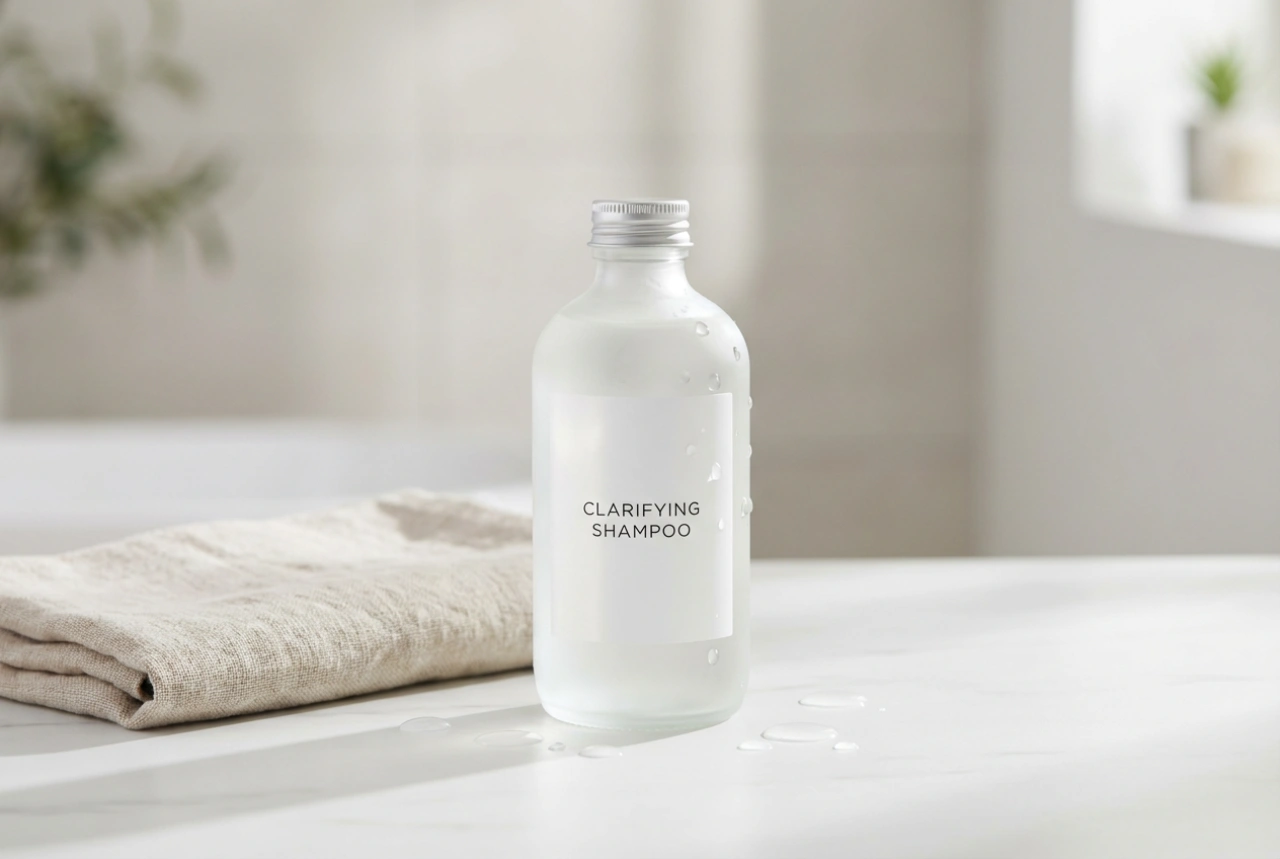
Incorporating a gentle clarifying shampoo into your weekly or bi-weekly routine is a great way to remove any accumulated residue. This resets the hair, ensuring that lightweight moisturising products can work effectively. Additionally, when using a silicone shampoo, focus the product primarily on the lengths of your hair rather than massaging heavy conditioning agents directly into the scalp, which helps maintain natural volume at the roots.