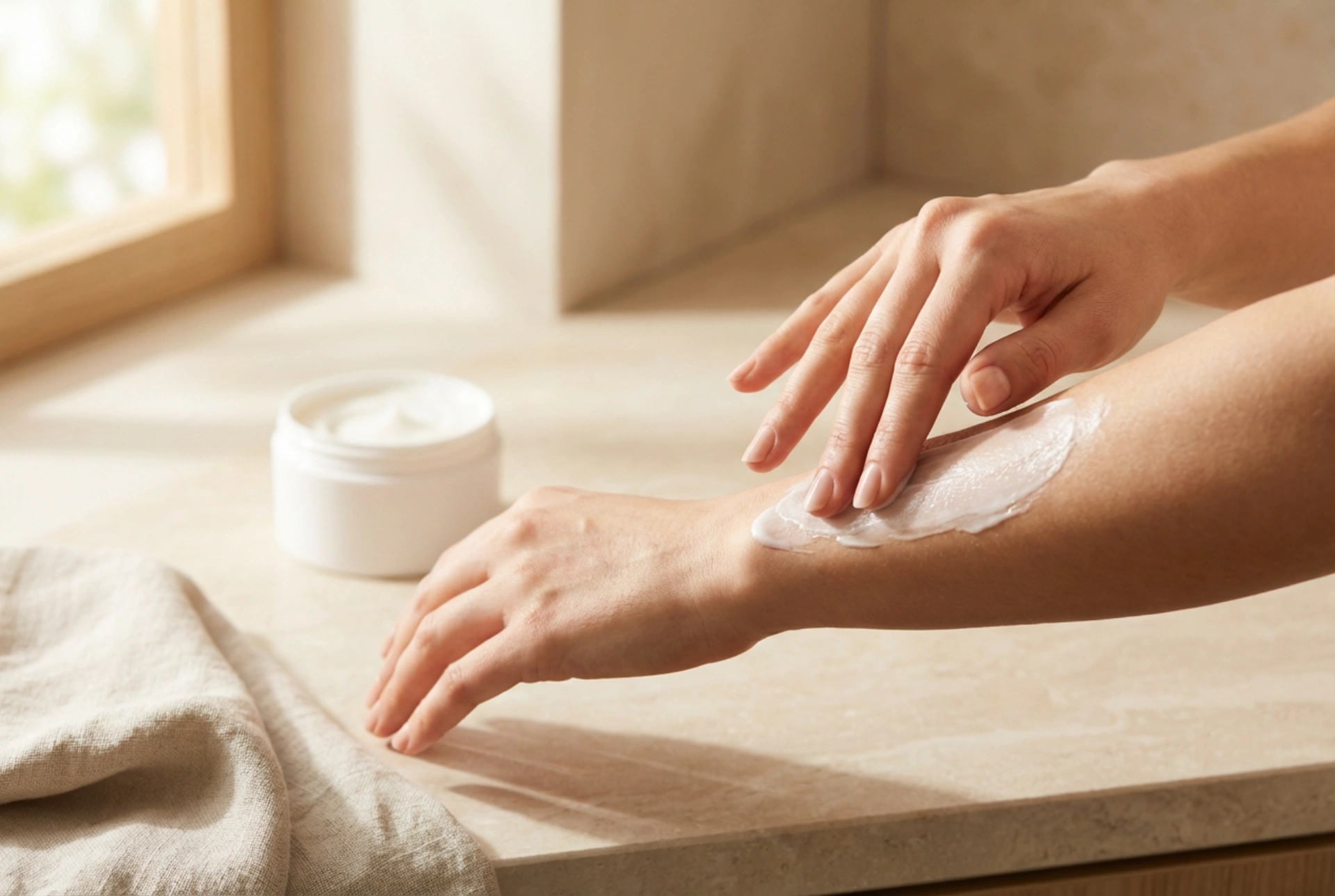


Applying a body balm is more than just a step in a routine; it’s a moment of self-care that nurtures both skin and mind. The rich texture melting into the skin and the feeling of deep hydration can transform dry, uncomfortable skin into a soft, supple, and healthy-looking canvas. But to get the most out of your body balm, it’s crucial to choose one that suits your specific skin type and to apply it correctly. This guide will walk you through everything you need to know to make your body balm work its magic.
Understanding Your Skin's Needs
Before you can choose the right product, you need to understand what your skin is asking for. Body skin, just like facial skin, falls into different categories, each with unique requirements. Identifying yours is the first step towards effective hydration.
Dry Skin
If your skin often feels tight, looks dull, or shows signs of flakiness, you likely have dry skin. This skin type produces less sebum (the skin's natural oil) than normal skin, meaning its natural moisture barrier is weaker. As a result, it loses water more easily and is more susceptible to environmental factors. For dry skin, the goal is intense nourishment and barrier repair to lock in moisture.
Normal Skin
Normal skin is the happy medium. It feels balanced—not too oily and not too dry. It has a smooth texture and a clear appearance. While it doesn't have pressing concerns, it still needs consistent care to maintain its health and hydration levels. The focus for normal skin is maintenance, ensuring it stays moisturised and protected without feeling heavy or greasy.
Sensitive Skin
Sensitive skin is more of a condition than a type, and it can accompany both dry and normal skin. It is characterised by a tendency towards redness and discomfort in response to certain ingredients or environmental changes. If your skin easily feels itchy or uncomfortable after using new products, you may have sensitive skin. The key here is to choose gentle, simple formulas that soothe and protect without causing irritation.
How to Choose the Perfect Body Balm
With your skin type in mind, navigating the world of body balms becomes much easier. The texture and ingredient list are your two most important clues.
- For Dry Skin: Look for the richest, thickest textures you can find. Balms with a dense, buttery consistency are ideal. Key ingredients to look for are powerful emollients and occlusives that create a protective seal over the skin. Think shea butter, cocoa butter, mango butter, and nourishing plant oils like avocado or jojoba oil. Ingredients that help repair the skin's barrier, such as ceramides, are also incredibly beneficial.
- For Normal Skin: You have more flexibility. You can opt for a rich balm during colder months or for particularly dry areas like elbows and knees, and perhaps a slightly lighter cream-balm for daily all-over use. Look for hydrating ingredients like hyaluronic acid and glycerine, combined with nourishing butters that absorb well without leaving a heavy residue.
- For Sensitive Skin: Simplicity is your best friend. Opt for balms that are explicitly labelled 'fragrance-free' and formulated for sensitive skin. A shorter ingredient list is often a good sign, as it reduces the risk of a reaction. Calming ingredients such as oat extracts or allantoin can be very helpful. Before applying a new product all over, always perform a patch test on a small, discreet area of skin, like the inside of your wrist, to check for any signs of irritation.
The Art of Application: A Step-by-Step Guide
How and when you apply your body balm can make a significant difference to the results. Following these steps will help you lock in moisture for longer.
Step 1: Timing is Key
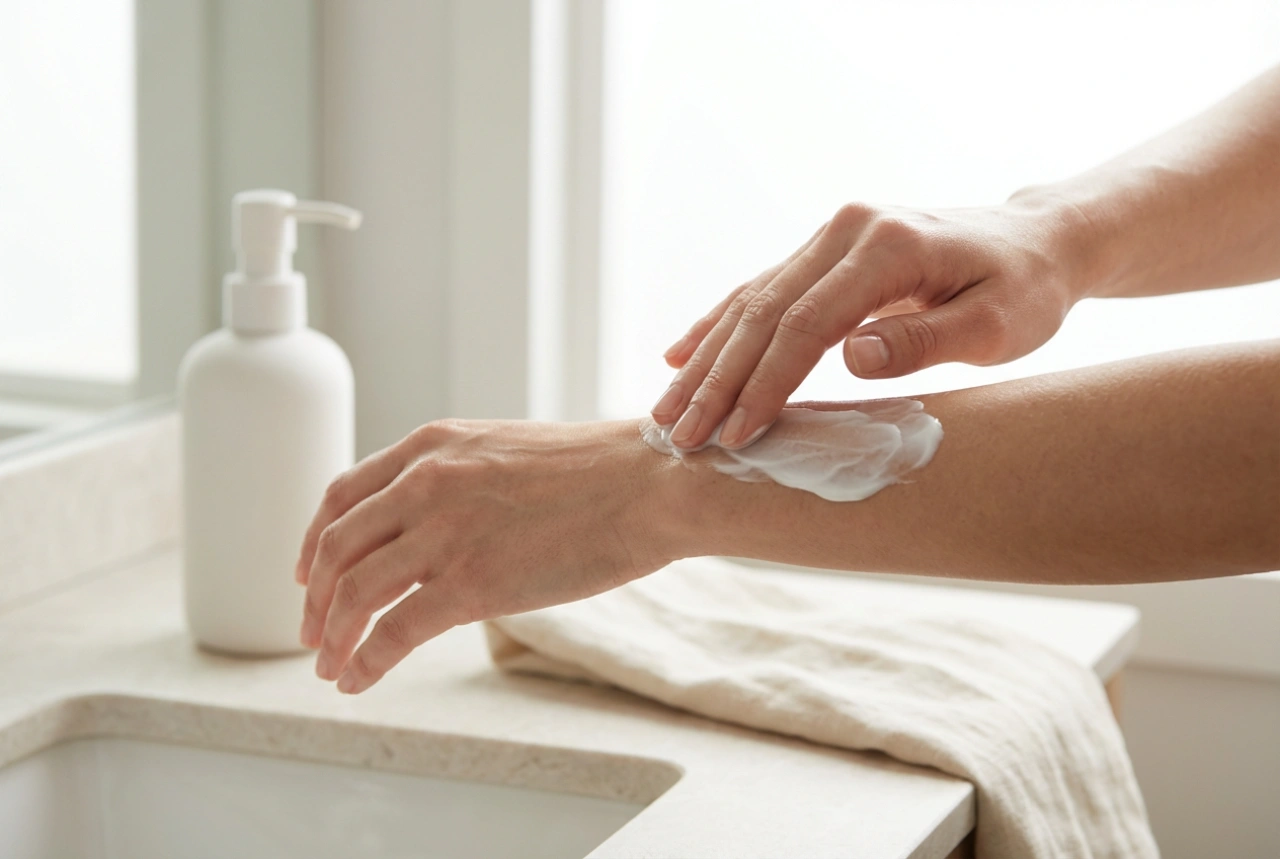
The best time to apply body balm is immediately after a bath or shower. Pat your skin gently with a towel, leaving it slightly damp. Applying moisturiser to damp skin helps to trap the water on its surface, leading to much more effective and lasting hydration. This is the single most important tip for getting the most out of any body moisturiser.
Step 2: Warm the Product
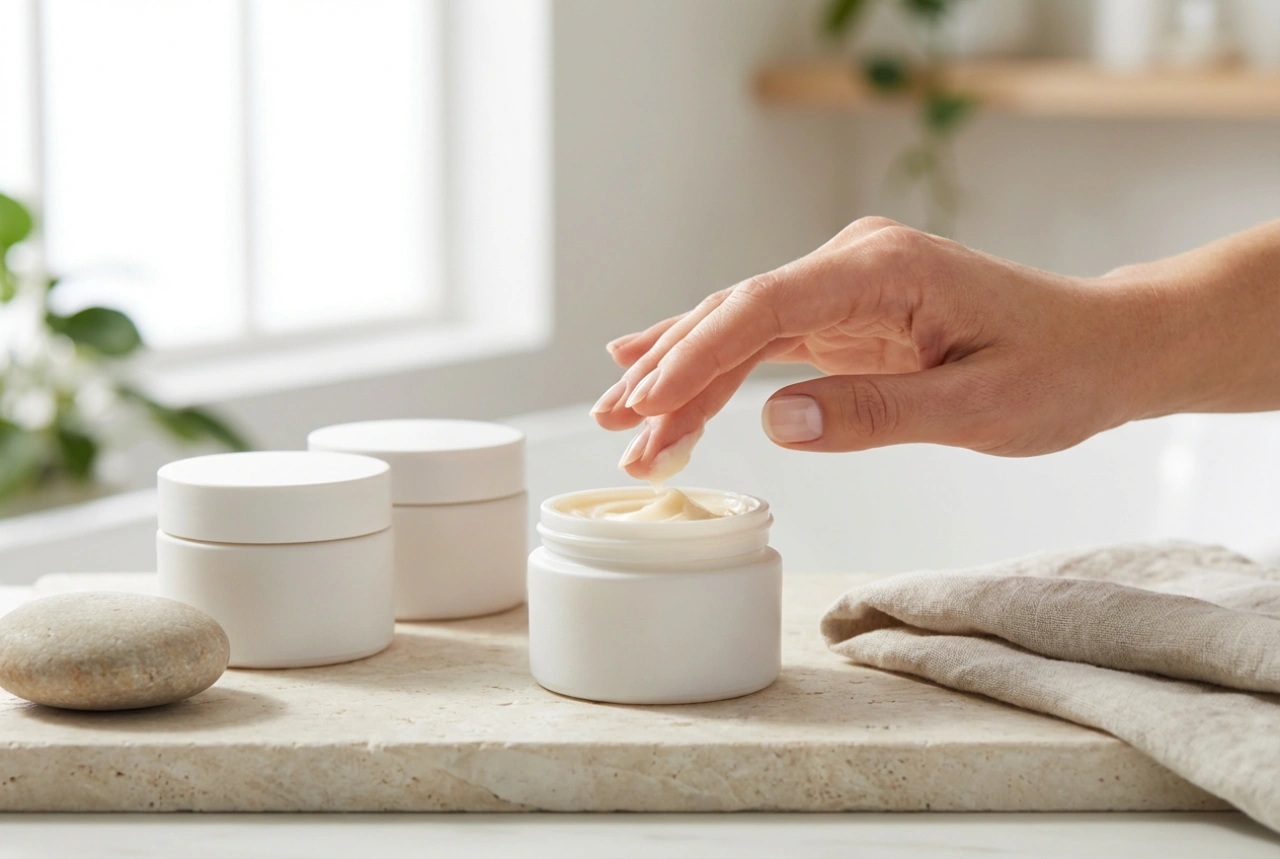
Scoop a small amount of balm from its container. Instead of applying it directly to your skin, warm it between your palms for a few seconds. This melts the balm slightly, making its rich texture easier to spread and helping it to absorb more readily into the skin.
Step 3: Apply with Gentle, Upward Strokes
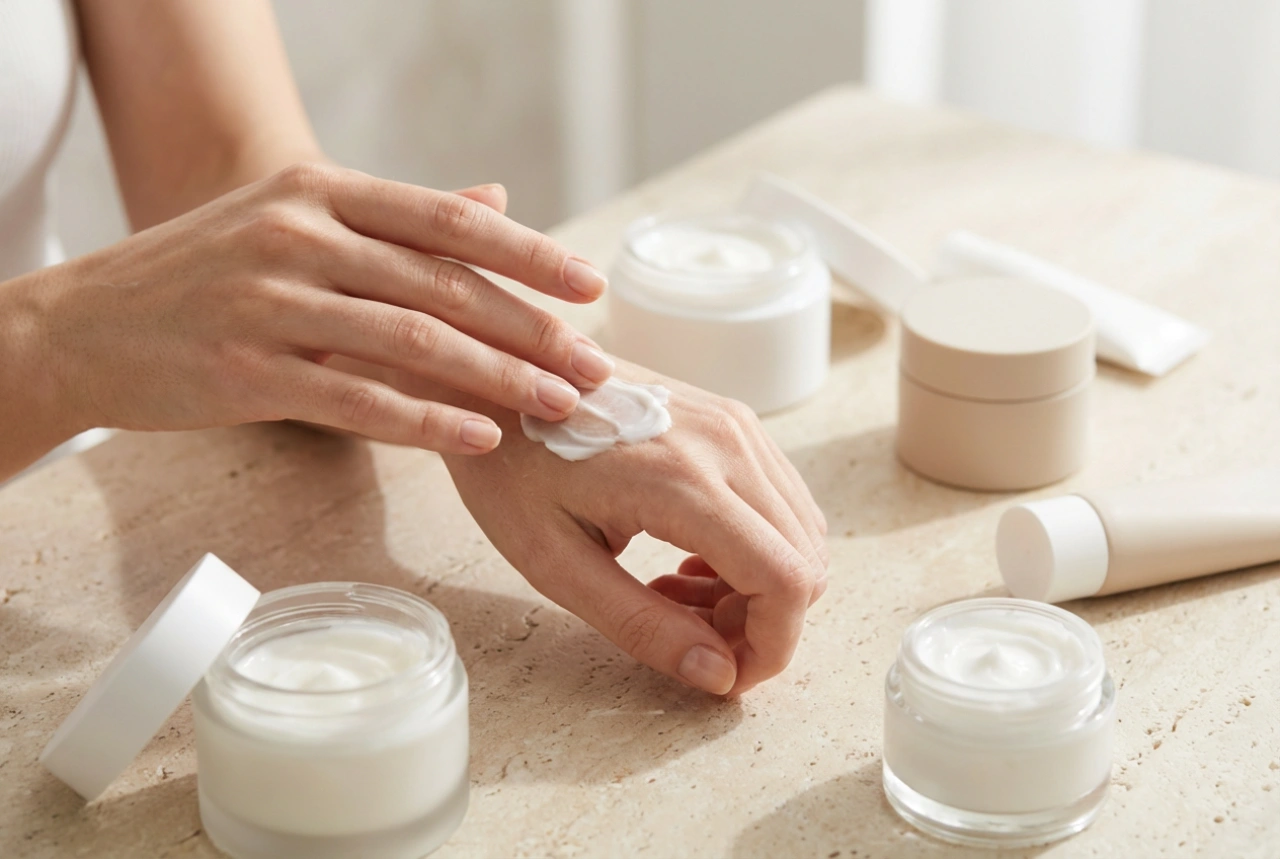
Massage the balm into your skin using gentle, circular, or upward motions. This not only ensures even coverage but also helps to stimulate circulation. Take your time with the process; view it as a mindful ritual rather than a chore. This gentle massage can help you relax and connect with your body.
Step 4: Focus on Extra-Dry Areas
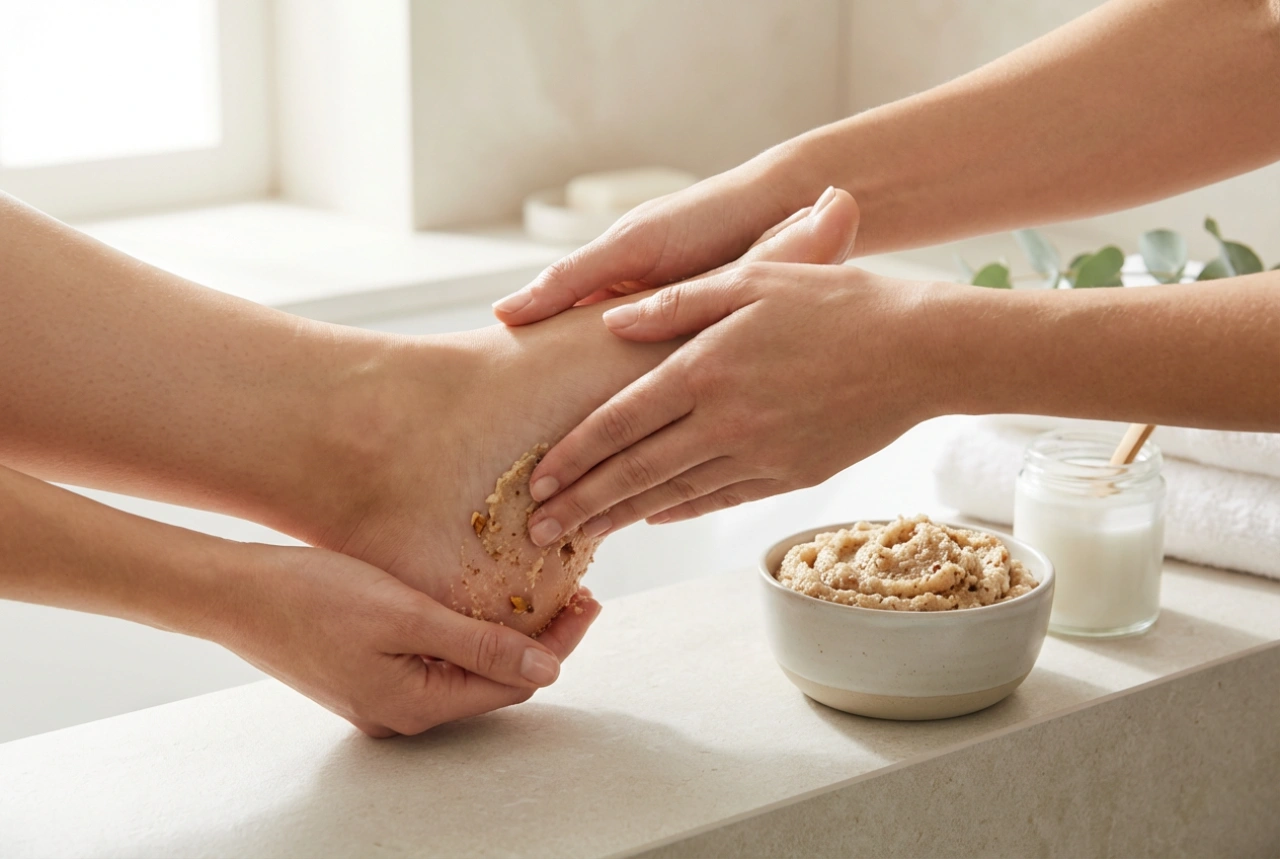
Pay special attention to areas that are prone to extreme dryness, such as your elbows, knees, ankles, and heels. These spots have thicker skin and fewer oil glands, so they need a little extra product and attention to stay soft and smooth.
Common Mistakes to Avoid
Are you making one of these common mistakes? A few small tweaks can dramatically improve your skin's hydration.
- Applying to completely dry skin: As mentioned, this is the biggest mistake. You miss the opportunity to lock in surface moisture, and the balm may just sit on top of the skin without absorbing as well.
- Using too much product: A little goes a long way with rich balms. Using too much can leave your skin feeling greasy and may even block pores. Start with a small amount and add more only if needed.
- Being inconsistent: For soft, healthy skin, consistency is crucial. Applying body balm just once in a while won't provide long-term benefits. Make it a daily habit, especially after bathing.
- Rubbing too aggressively: Your skin is an organ, not a surface to be scrubbed. Harsh, aggressive rubbing can cause irritation, especially if your skin is sensitive. Be gentle and let the product do the work.