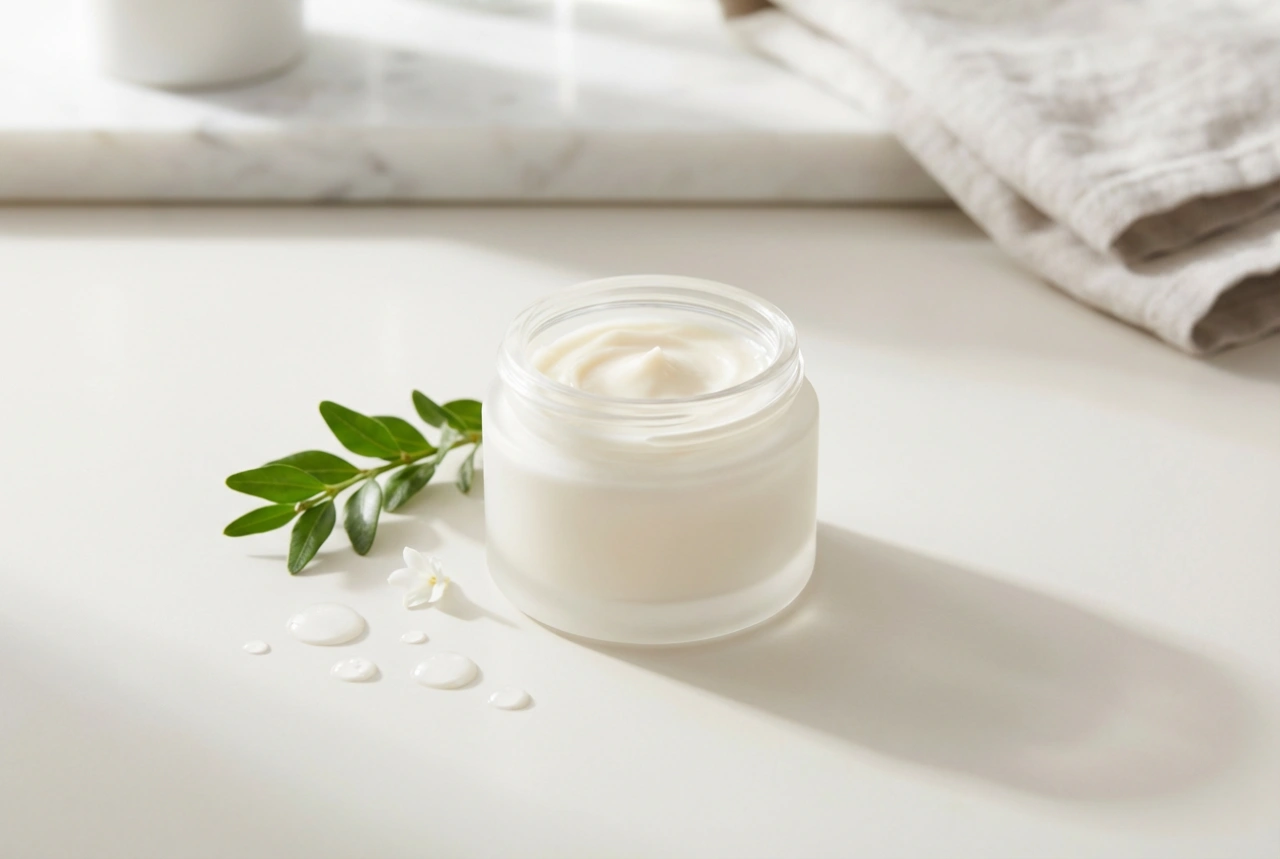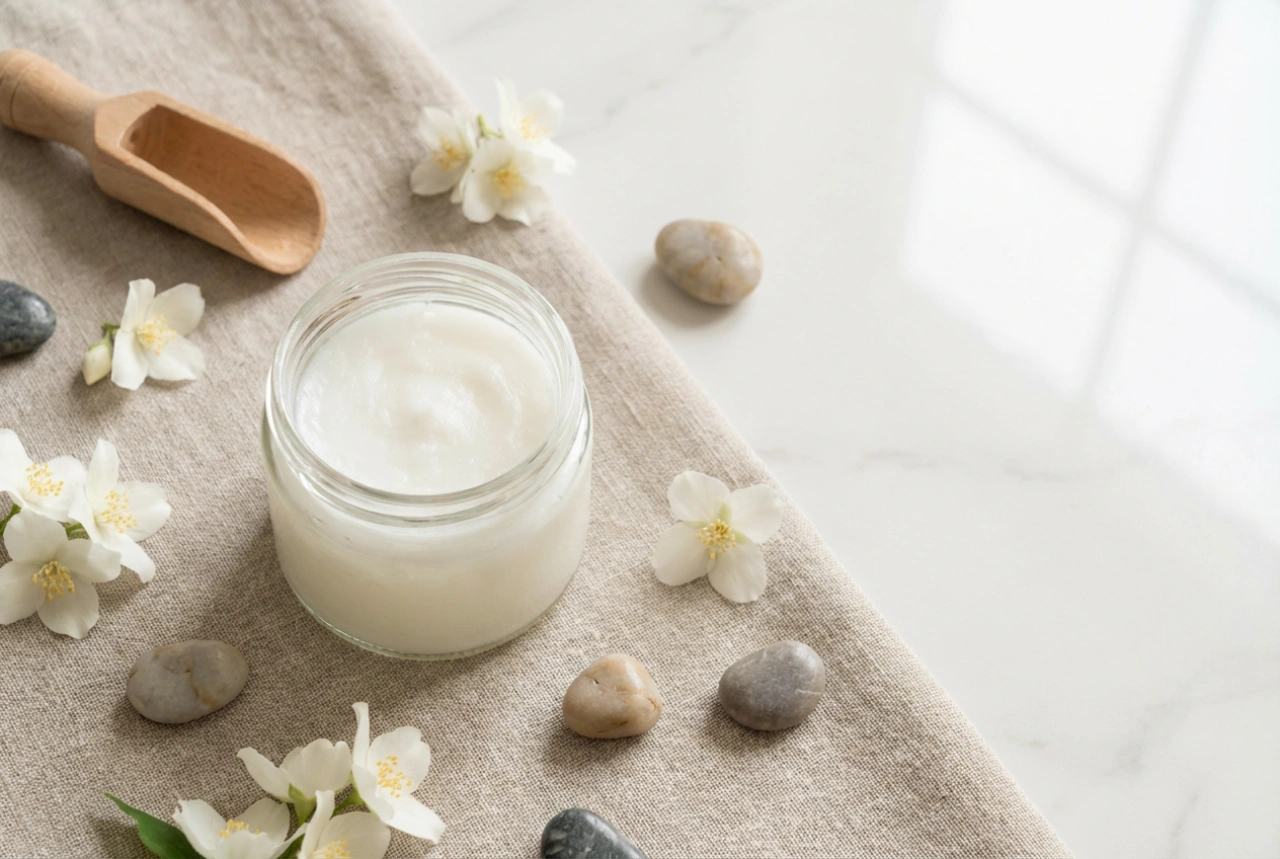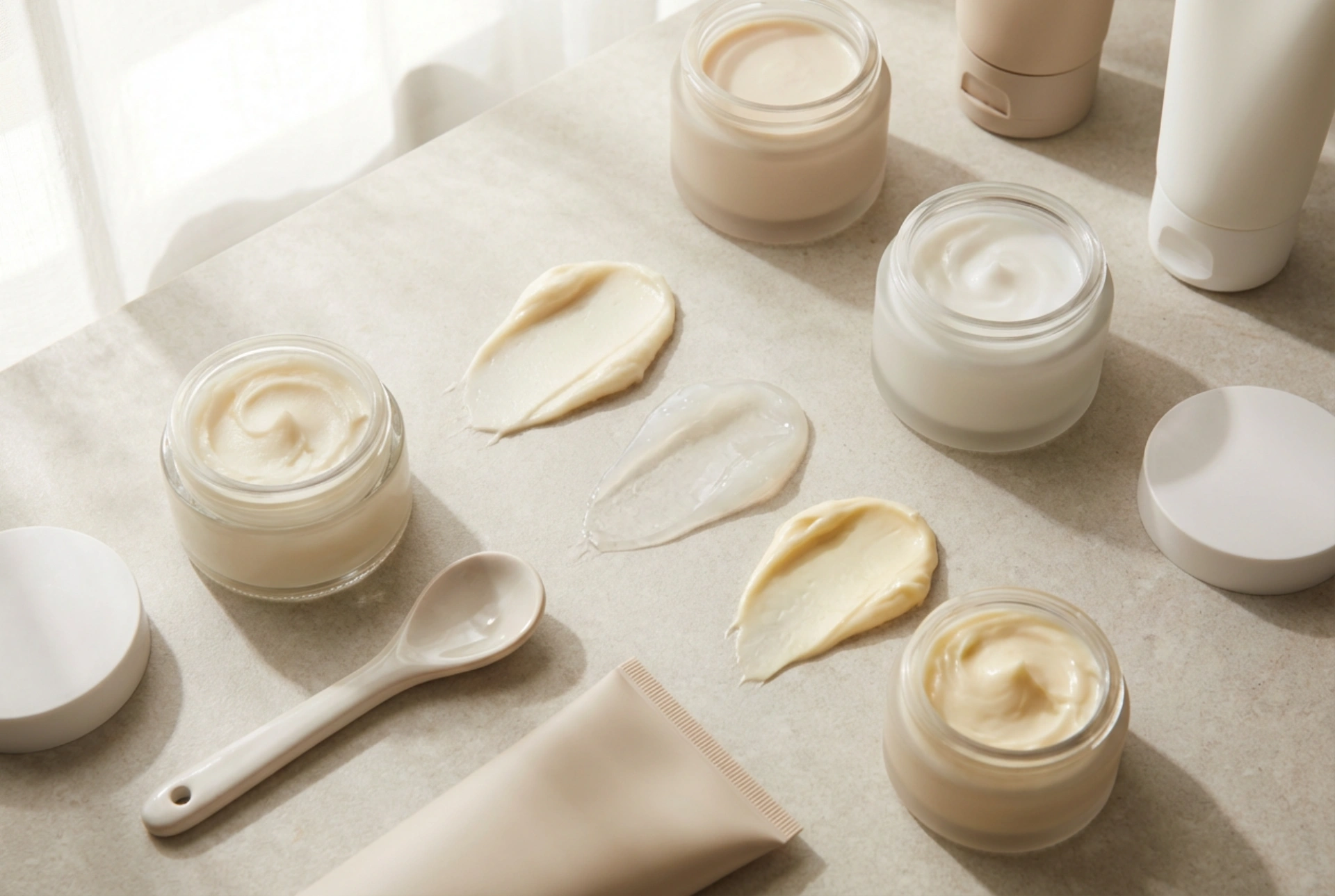


The visual of elegant, minimalist cosmetic containers resting on a pristine, sun-drenched surface immediately evokes a sense of calm and self-care. Swatches of various textures—ranging from airy, water-like gels to rich, decadent creams—highlight the diversity of body care available today. Choosing the perfect body balm is not merely about a pleasant scent; it is an art of matching the right formula to your skin's unique daily requirements. Understanding how different textures and ingredients interact with the skin barrier is the first step toward achieving long-lasting hydration, softness, and a healthy glow.
Decoding the Formulas
Modern body care offers a vast array of formulations, each designed to deliver moisture in a specific way. The primary difference between these products lies in their oil-to-water ratio, which determines their texture, absorption rate, and protective qualities.
Lightweight Lotions and Gels
These formulas contain a high percentage of water, making them fluid and exceptionally easy to spread. They absorb almost instantly, leaving no greasy residue behind. This makes them ideal for morning routines, warm climates, or for individuals who prefer a weightless feel. They focus heavily on delivering immediate surface hydration.
Classic Body Creams
With a balanced blend of oil and water, standard body creams offer a comforting middle ground. They provide deeper hydration than lotions while still absorbing relatively quickly. Creams are highly versatile and work well for daily maintenance, helping to keep the skin supple throughout the year.
Rich Balms and Butters
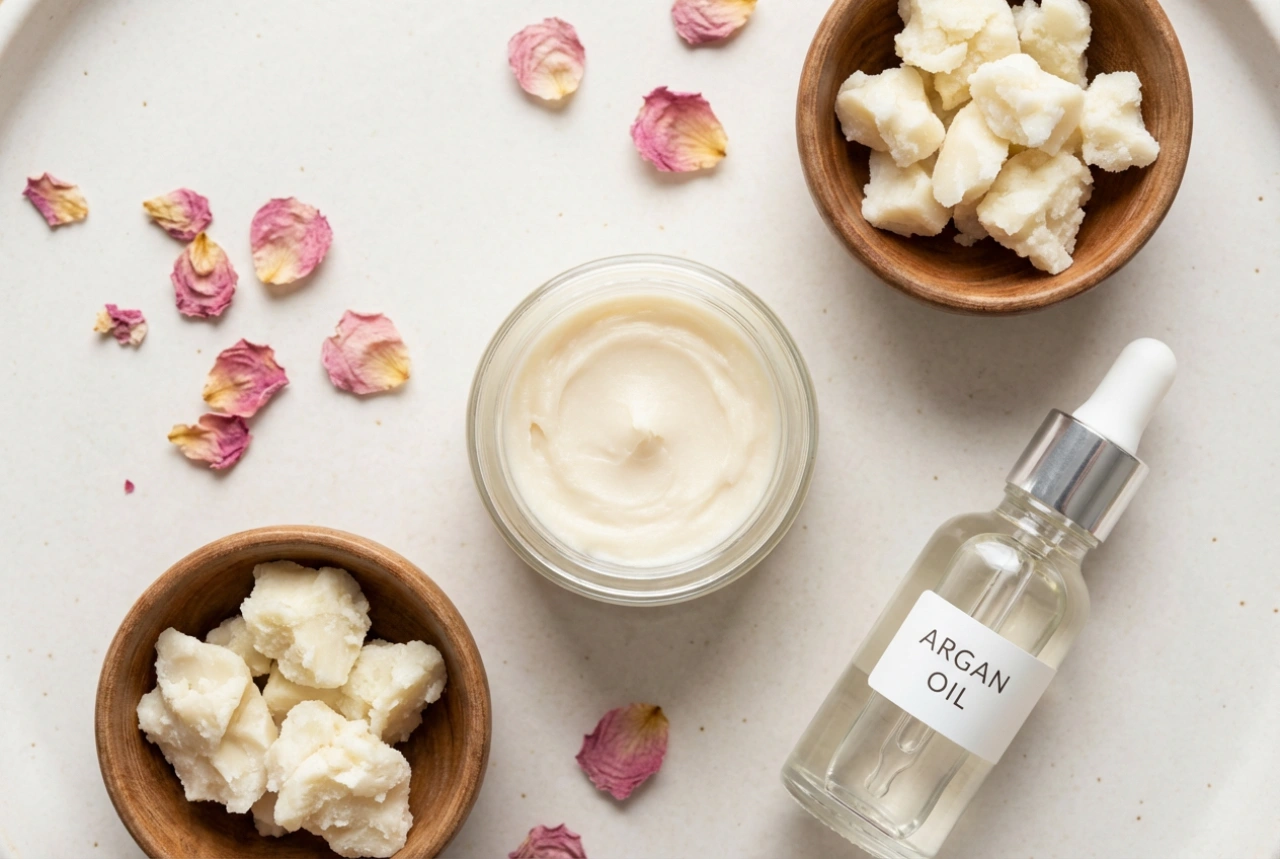
At the other end of the spectrum are anhydrous balms and heavy body butters, which have a minimal water content or are entirely oil-based. These dense, luxurious textures melt upon contact with the warmth of the skin. They create a robust protective barrier, locking in moisture and softening extremely dry or rough areas such as elbows, knees, and heels.
Matching the Formula to Your Skin's Needs
Our skin's needs change based on environmental factors, lifestyle, and natural genetics. Selecting the appropriate texture ensures that your skin receives the right balance of hydration and nourishment without feeling congested or neglected.
Daily Care for Normal Skin
Normal skin requires simple maintenance to preserve its natural barrier. A classic body cream or a hydrating lotion is usually sufficient to maintain moisture levels. Regular application after showering helps sustain a smooth, elastic texture.
Nourishing Dehydrated and Dry Skin
Dry skin lacks oil, while dehydrated skin lacks water. To address both concerns, a combination approach works best. Rich body balms containing nourishing plant oils help replenish the lipid barrier, preventing moisture from escaping. Applying a richer formula before bed allows the skin to repair and regenerate overnight.
Refreshing Care for Warm Weather
During summer, heavy balms can feel uncomfortable and may trap sweat. Switching to light gel-creams or fluid lotions keeps the skin fresh and hydrated without feeling heavy. Look for formulas that offer a cooling sensation and absorb rapidly so you can dress immediately.
Key Ingredients and Their Functions
To make an informed choice, it is helpful to understand the three main categories of moisturising ingredients commonly found in body balms:
- Humectants: These are water-binding agents that draw moisture from the air or deeper layers of the skin into the epidermis. Examples include glycerin, hyaluronic acid, and aloe vera. They are essential for plumping and rehydrating the skin.
- Emollients: These ingredients fill the micro-gaps between skin cells, smoothing out the surface. Plant-derived oils (such as sweet almond oil, jojoba oil, or avocado oil) and natural butters (like shea or cocoa butter) act as excellent emollients, restoring suppleness.
- Occlusives: These agents form a physical barrier on the surface of the skin to prevent trenespidermal water loss. While heavy oils and waxes serve this purpose, they are most effective when blended with humectants and emollients to seal in existing moisture.
The Art of Application
How you apply your body balm is just as important as the product you choose. To maximise the benefits of your body care routine, consider adopting these simple, effective habits:
The Golden Rule of Damp Skin
The absolute best time to apply any body moisturiser is within three minutes of stepping out of the bath or shower. Gently pat your skin with a towel, leaving it slightly damp, and then apply your balm. This locks in the surface water, significantly increasing hydration efficiency.
Warm the Product First
For thicker balms and butters, scoop a small amount into your palms and rub them together for a few seconds. Warming the product melts the natural oils, making the application smoother, reducing friction on the skin, and allowing for better distribution.
Gentle Massaging Motions
Apply the product using circular, upward motions. This not only ensures even coverage but also stimulates blood circulation and lymphatic drainage, promoting a natural, healthy glow. Pay extra attention to areas prone to dryness, such as the shins, elbows, and knees.
Seasonal Adjustments for Year-Round Radiance
Just as we adjust our wardrobe, our skincare routine should adapt to changing seasons. In the colder autumn and winter months, heating and harsh winds deplete skin moisture rapidly, calling for dense, lipid-rich balms. In contrast, spring and summer call for lighter, refreshing textures that allow the skin to breathe while still providing essential hydration. Listening to your skin's daily signals will help you maintain a soft, radiant, and comfortable complexion all year round.