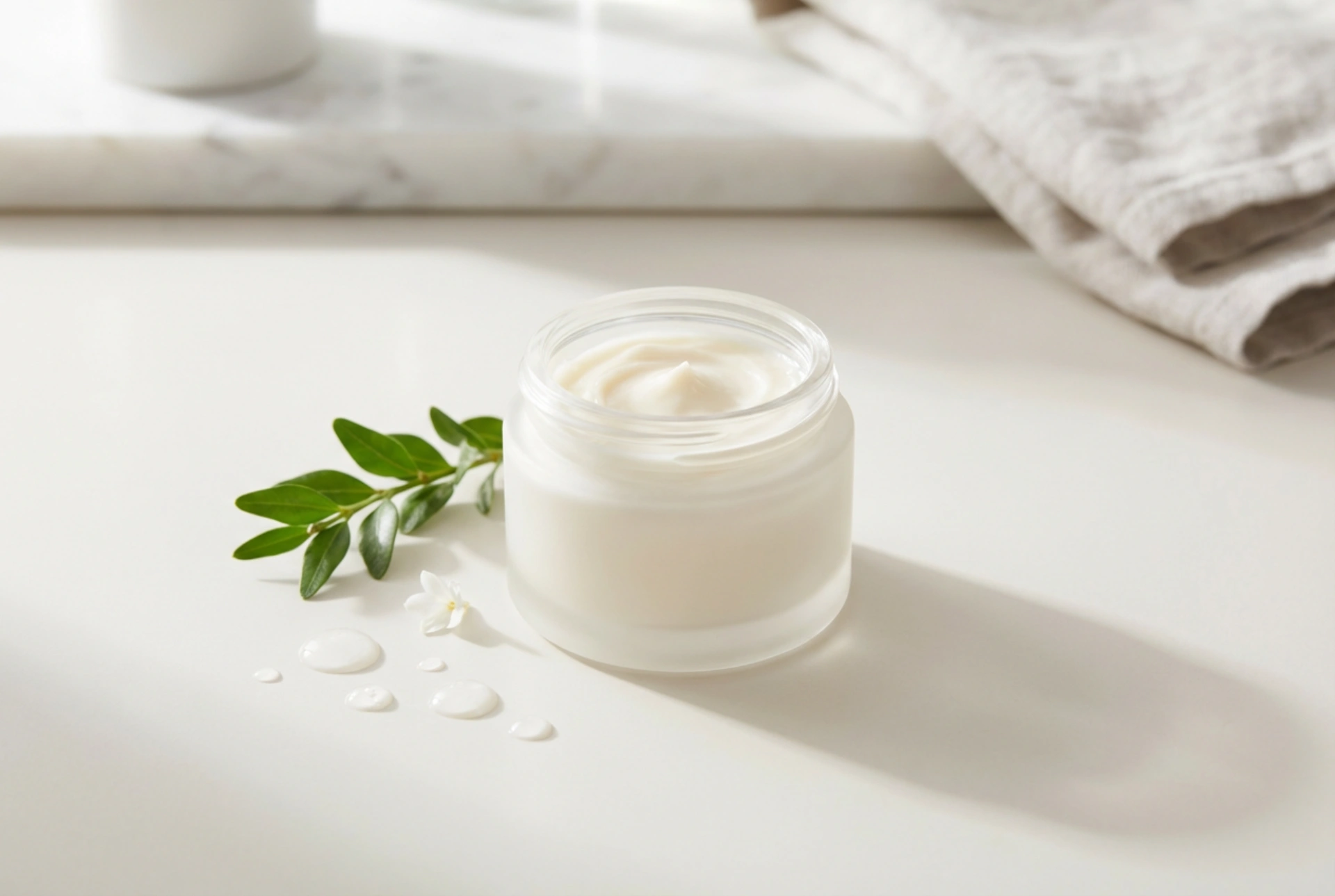


The quest for perfectly hydrated, smooth skin often leads us to seek out products that offer deep nourishment and protection against environmental factors. In a world full of complex routines, a rich, creamy moisturising balm stands out as a timeless essential. Housed in a simple, elegant jar, such a balm represents the pure essence of skincare: a perfect balance of moisture-retaining elements and protective barriers that mimic the skin's natural defences. Understanding how these products work, what ingredients make them effective, and how to apply them correctly can transform a simple daily task into a highly rewarding self-care ritual.
Essential Ingredients in a Rich Moisturising Balm
To choose the right balm, it is important to understand the formulation and how different components work together to deliver deep hydration. Unlike lighter lotions, a balm typically features a richer texture designed to seal in moisture and prevent transepidermal water loss. The effectiveness of these formulations relies on a harmonious blend of three key types of ingredients: humectants, emollients, and occlusives.
Humectants: Drawing Moisture In
Humectants are substances that attract water molecules from the surrounding environment and from the deeper layers of the skin, bringing them to the surface. In a high-quality balm, look for ingredients like hyaluronic acid, glycerin, and urea. These components act like microscopic sponges, ensuring that the skin remains plump and thoroughly hydrated from within.
Emollients: Smoothing the Surface
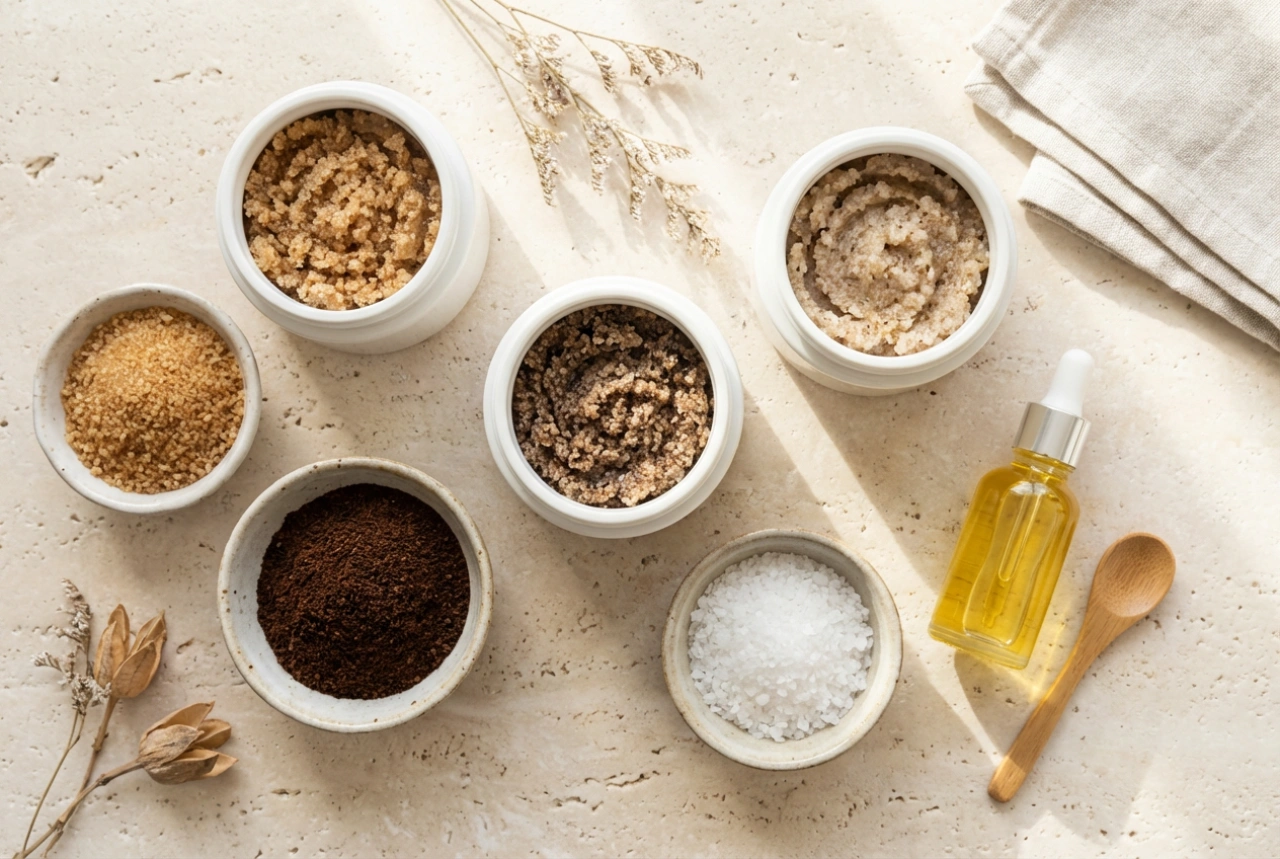
Emollients fill in the tiny gaps between skin cells, smoothing out rough patches and improving the overall texture of the skin. Natural plant-based oils, such as sweet almond oil, jojoba oil, and apricot kernel oil, are excellent emollients. They help restore the lipid barrier, leaving the skin feeling incredibly soft, supple, and comfortable throughout the day.
Occlusives: Sealing the Hydration
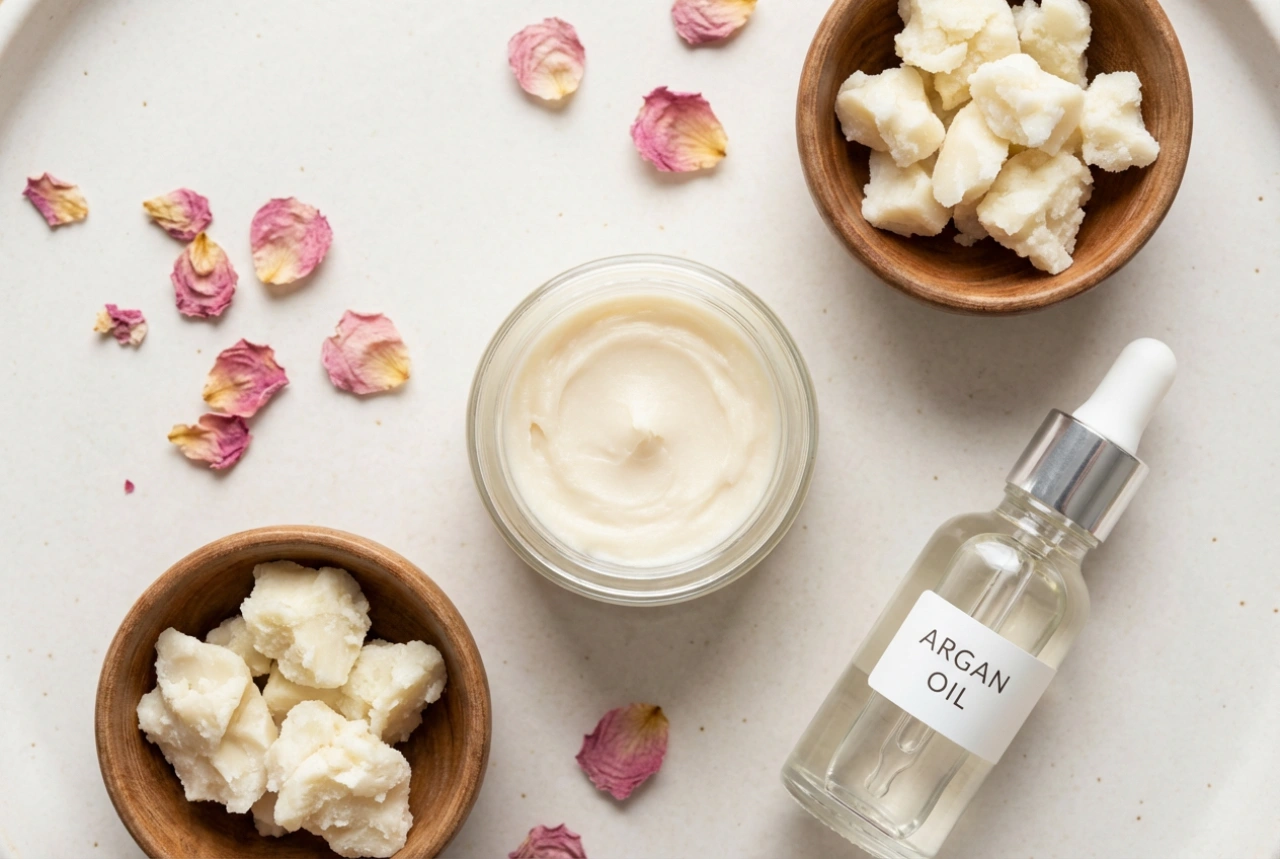
The main defining feature of a balm is its ability to create a protective, breathable barrier on the skin's surface. This is achieved through occlusive ingredients. Natural waxes, such as beeswax or carnauba wax, along with rich plant butters like shea butter and cocoa butter, are superb examples. By forming a delicate seal, they prevent the precious moisture delivered by humectants from evaporating, ensuring long-lasting comfort.
The Correct Application Method for Maximum Benefit
Applying a rich moisturising balm is not just about spreading it over the skin; the technique and timing play a crucial role in how well the product performs. To get the absolute most out of your formulation, it is best to treat the application as a mindful routine.
- The damp skin rule: The single most effective way to boost the power of a balm is to apply it immediately after bathing or showering. When your skin is still slightly damp, it has already absorbed a significant amount of water. Applying the balm at this precise moment locks that hydration in, dramatically increasing the product's effectiveness.
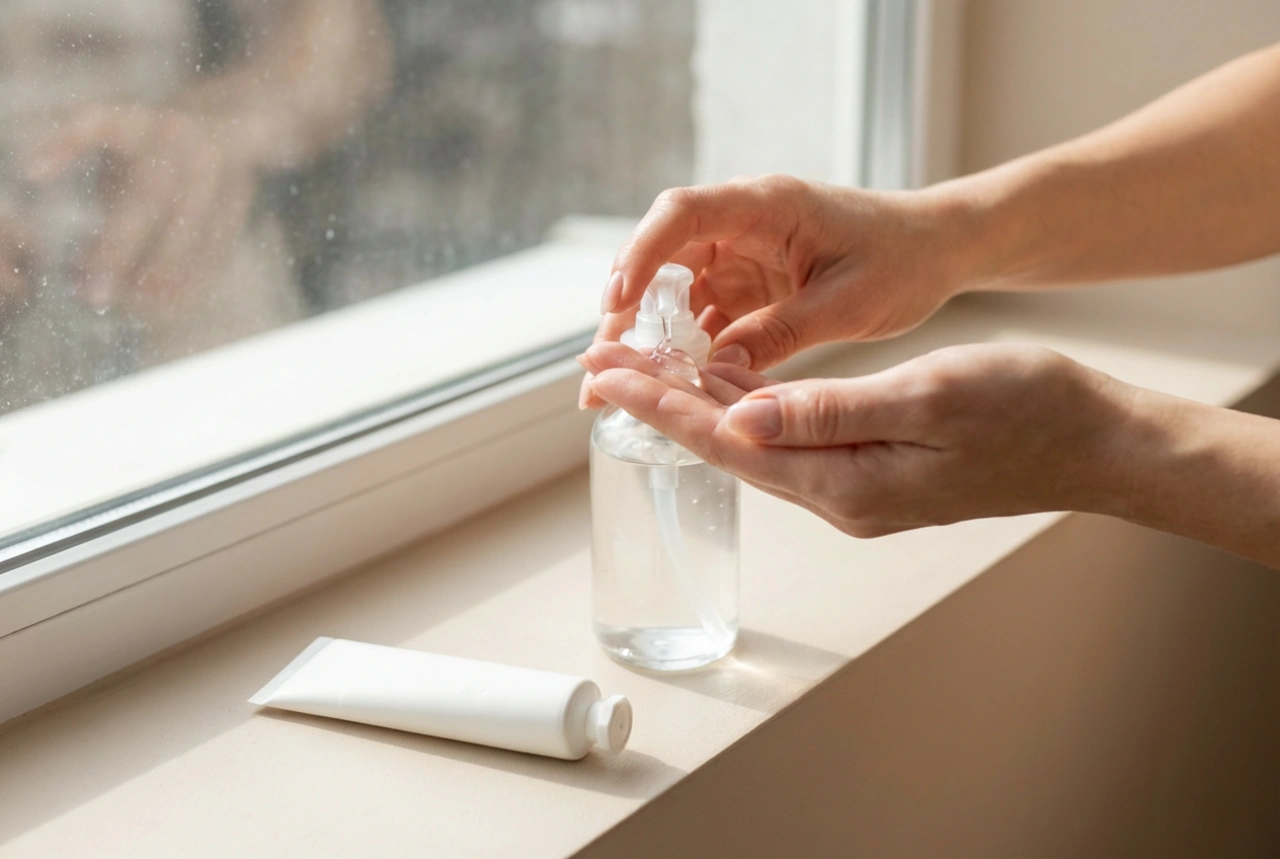
- Warm the product first: Because rich balms contain natural butters and waxes, they can have a firm texture. Scoop a small amount into your palms and gently rub them together. The warmth of your hands will melt the balm, transforming it into a silky oil that glides effortlessly over your skin without tugging.
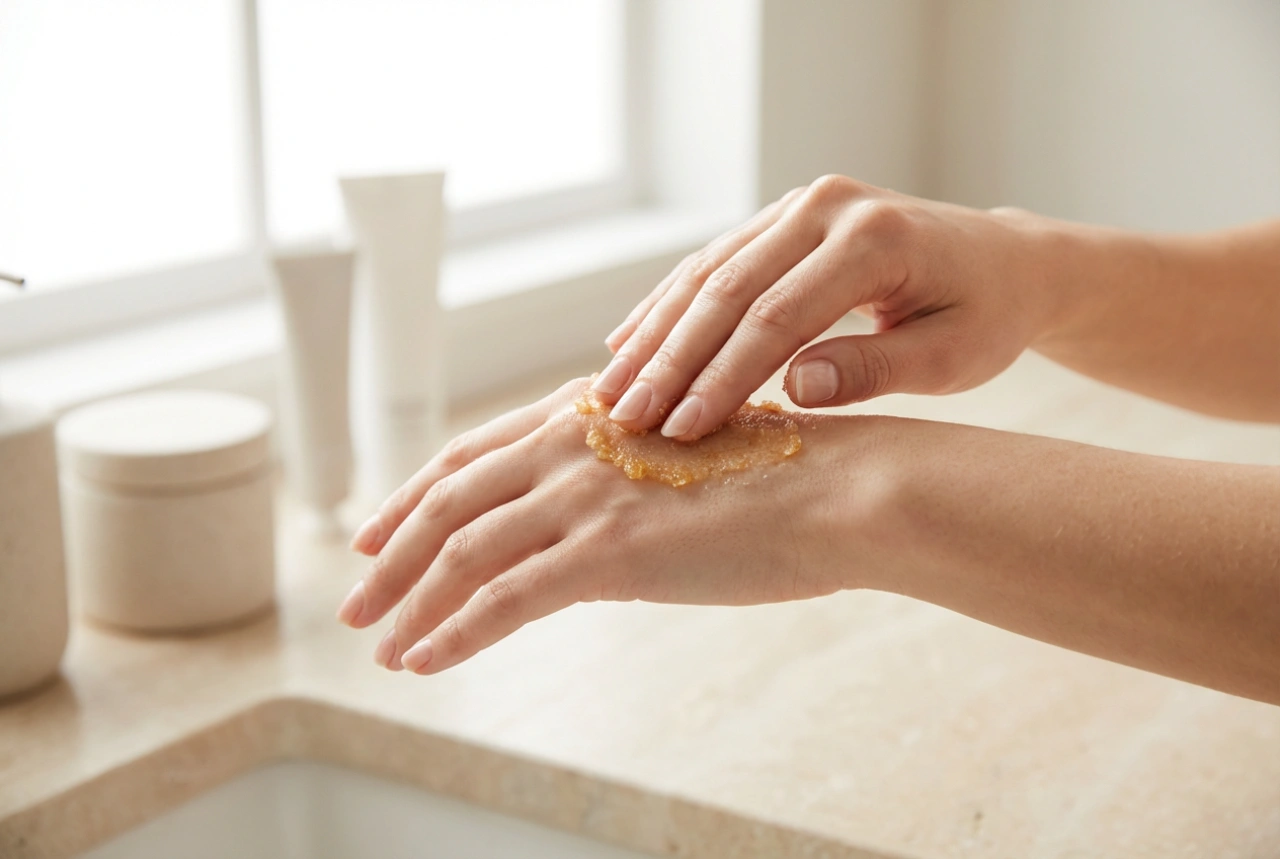
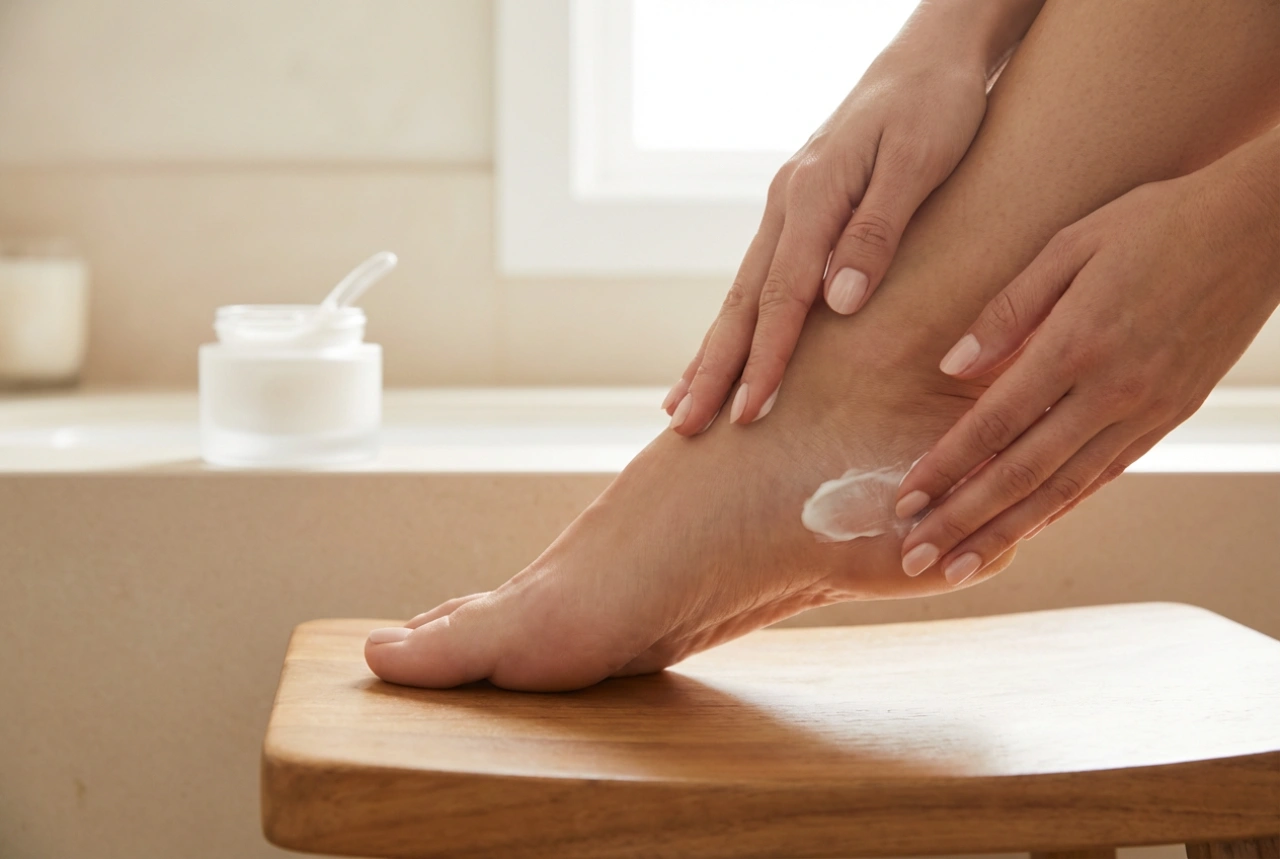
- Gentle, circular motions: Massage the balm into your skin using slow, circular, upward motions. This not only ensures even distribution but also stimulates local blood circulation, promoting a natural, healthy glow. Pay extra attention to areas prone to dryness, such as the elbows, knees, and heels.
Common Mistakes When Using Moisturising Balms
Even with the best products, certain habits can hinder the desired results. By recognizing and adjusting these daily practices, you can ensure your skin receives the full range of benefits your balm has to offer.
Applying to Completely Dry Skin
One of the most frequent errors is waiting too long after a shower to apply moisturiser. When applied to completely dry skin, a heavy balm might sit on the surface without providing the deep hydration needed. Without that initial layer of surface moisture to lock in, the occlusive barrier is less effective.
Using Too Much Product
Because balms are highly concentrated and rich in oils, a small amount goes a very long way. Using an excessive amount of product can leave a heavy, sticky residue that does not absorb well, potentially transferring onto clothing and making the skin feel uncomfortable. It is always better to start with a small, pea-sized amount and add more only if necessary.
Neglecting Routine Consistency
Skincare yields the best results when practiced consistently. Applying a rich balm only when the skin feels exceptionally dry or uncomfortable is a reactive approach. For long-term softness and resilience, incorporate the balm into your daily evening routine, allowing it to support the skin's natural renewal process overnight.
Creating a Soothing Daily Ritual
Transforming your hydration routine into a calming ritual can have a wonderful effect on your overall well-being. By setting aside just a few minutes each evening, you can create a quiet space to unwind. Store your minimalist jar of balm in a cool, dry place away from direct sunlight to preserve the integrity of the natural ingredients. Enjoy the subtle, gentle botanical notes that often accompany clean formulations, allowing the rich texture to soothe your senses as it nurtures your skin.