

In our daily routines, maintaining clean hands has become a fundamental aspect of personal hygiene. Often, we reach for convenient hand sanitisers packaged in sleek bottles to quickly cleanse on the go, or wash our hands frequently throughout the day. While these habits are essential for cleanliness, they can sometimes take a toll on the delicate skin of our hands. The key to preserving soft, healthy, and comfortable skin lies in understanding how to balance necessary hygiene with protective care, ensuring that the skin's natural moisture shield remains intact.
What is the Hydrolipid Barrier?
The skin on our hands is constantly exposed to environmental factors, making its outermost layer, known as the hydrolipid barrier, incredibly important. This barrier is a delicate emulsion of water, sebum, and lipids that coats the epidermis. It acts as a natural shield, locking in moisture and preventing dehydration, while also keeping external irritants from penetrating the deeper layers of the skin. Unlike other parts of the body, the skin on the backs of our hands is thin and contains very few sebaceous glands, while the palms have none at all. This unique structure makes our hands exceptionally prone to dryness, tightness, and roughness when this protective layer is disrupted.
How Hand Sanitisers Affect the Skin
Many hand-cleansing products, especially those formulated for quick sanitisation without water, rely on ingredients that evaporate quickly. While highly effective at cleansing, these components can dissolve the natural lipids present on the skin's surface. When used frequently without counteractive care, they strip away the hydrolipid film, leading to rapid moisture loss. This can cause the skin to feel tight, rough, or flaky. To prevent this cycle of dehydration, it is crucial to understand not only how to apply these products correctly but also how to replenish the skin immediately afterward with nourishing formulations, such as a rich hand cream.
Proper Techniques for Applying Hand Sanitiser
Using hand sanitiser efficiently does not have to mean sacrificing the health of your skin. By following a few simple steps, you can clean your hands while minimising unnecessary irritation:
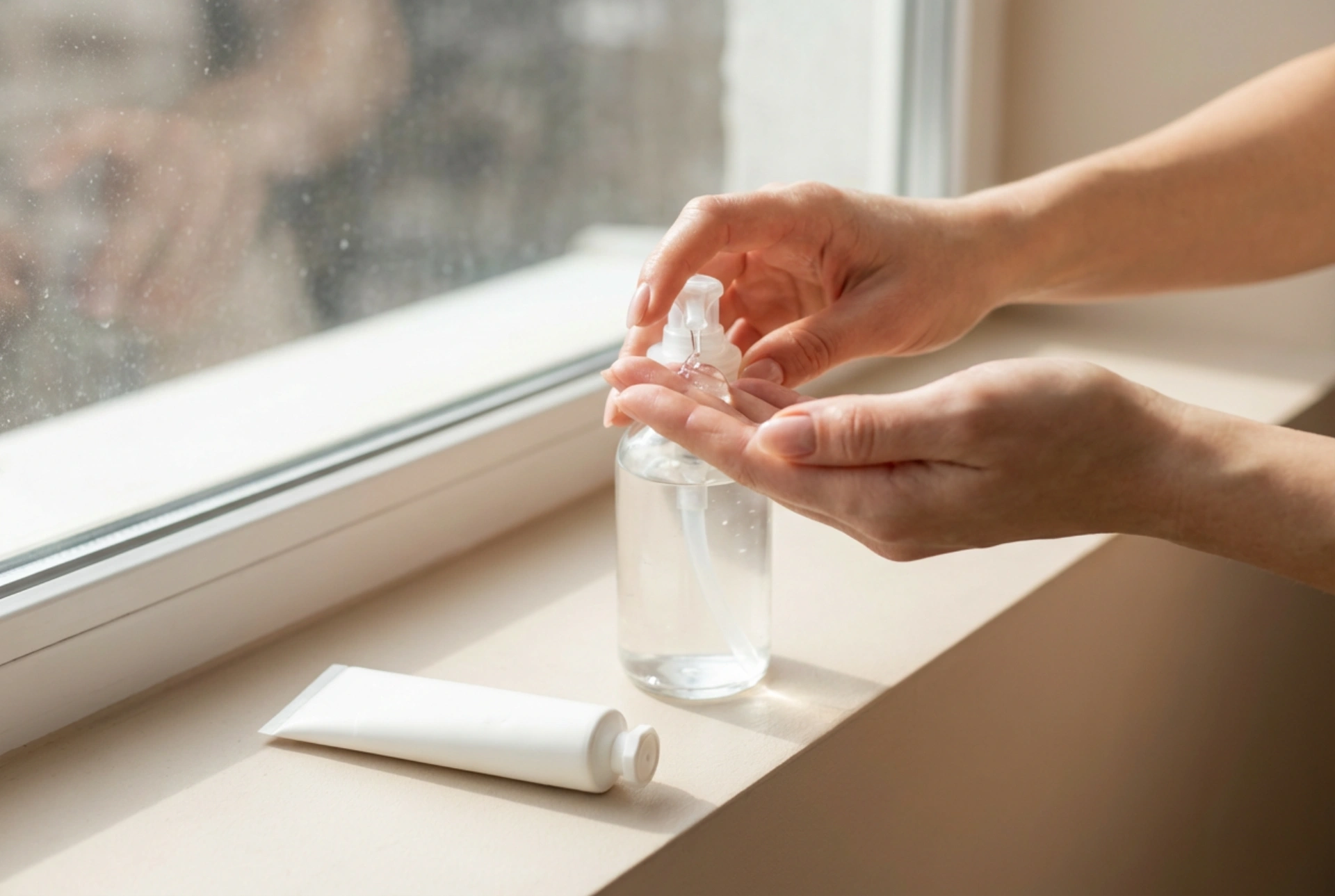
- Use the right amount: A small, coin-sized amount of product is usually sufficient to cover both hands. Avoid over-applying, as excessive product takes longer to dry and can unnecessarily increase skin dryness.
- Distribute evenly: Rub your hands together, ensuring you cover all areas, including the backs of your hands, between your fingers, and around your nails.
- Allow to dry naturally: Do not wipe the sanitiser off with a tissue or towel. Let it air dry completely for a few seconds. Wiping it away prematurely can reduce its effectiveness and cause unnecessary friction on the skin.
Rebuilding the Barrier with Nourishing Creams
The most effective way to counteract the drying effects of cleansing agents is to introduce a high-quality hand cream into your routine. Applying a nourishing cream immediately after your hand sanitiser has dried, or after washing your hands with water, helps to seal in moisture and mimic the functions of the natural lipid barrier. Look for products rich in emollient and humectant ingredients. Glycerin, plant-derived oils, shea butter, and ceramides are excellent choices as they work to restore the lipid layer, soothe discomfort, and provide a protective glove-like effect on the skin. Keeping a travel-sized tube of cream close at hand ensures you can moisturise promptly throughout the day.
Daily Care Tips for Beautiful and Hydrated Hands
Beyond sanitising and moisturising, incorporating gentle habits into your daily life will support the long-term resilience of your hands:
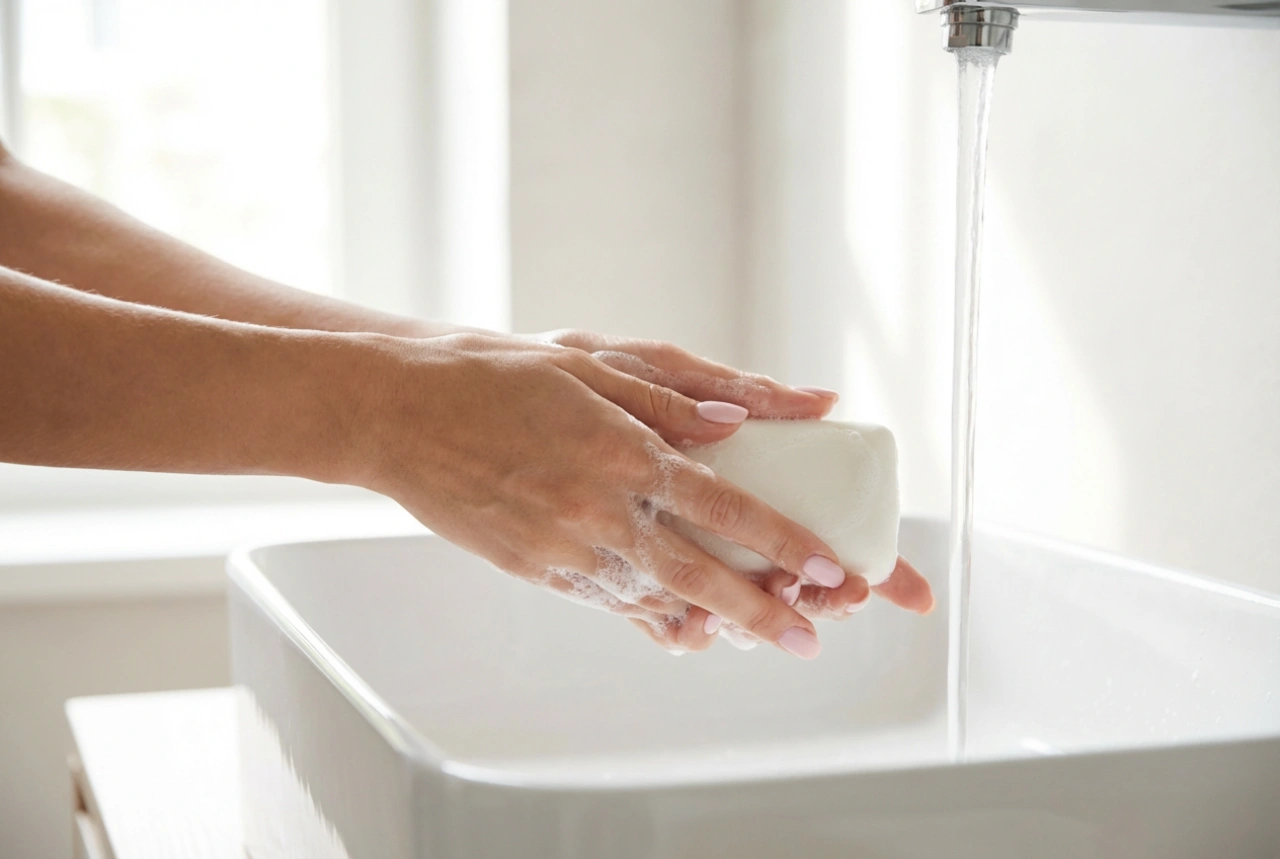
- Opt for lukewarm water: When washing your hands with soap, avoid extremely hot water, which strips natural oils much faster than cool or lukewarm water.
- Choose mild cleansers: At home, use gentle, soap-free hand washes infused with hydrating ingredients to minimise moisture loss during washing.
- Protect your hands: Wear protective gloves when performing household chores, washing dishes, or working with household cleaning agents. Additionally, wearing warm gloves during cold winter months prevents the dry, cold air from chapping the skin.
- Weekly treatments: Treat your hands to a thicker layer of nourishing cream or a dedicated hand mask overnight, wrapping them in soft cotton gloves to enhance absorption and deeply restore the skin.
By combining mindful cleansing with consistent, restorative hydration, you can enjoy clean, refreshed hands that remain beautifully soft, smooth, and fully protected against the elements.