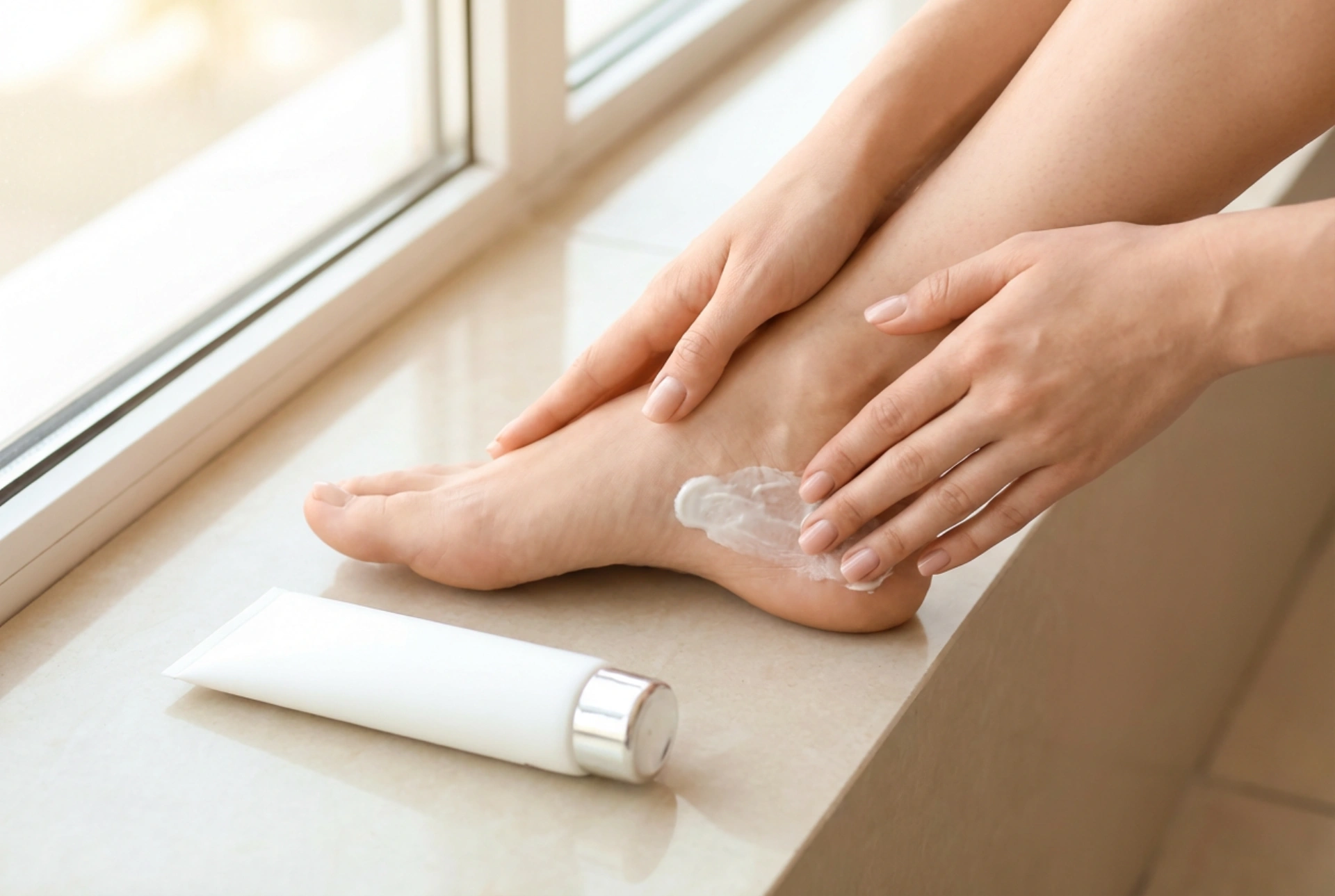


Taking care of our feet is a vital yet often overlooked part of our daily beauty and self-care routine. There is a distinct sense of comfort in sitting down after a long day and gently massaging a rich, nourishing cream into clean, tired feet. The smooth, velvety texture of a high-quality cream absorbs gradually, restoring moisture and leaving the skin feeling incredibly refreshed and soft. Among the various ingredients utilized in foot care, urea stands out as an exceptional cosmetic component capable of transforming dry, rough skin into a touchably smooth surface.
What is Urea and How Does It Benefit the Skin?
Urea is a naturally occurring compound within our skin's natural moisturising factor (NMF). In cosmetic formulations, it serves as a powerful humectant, meaning it has the unique ability to attract and bind water molecules within the skin's layers. This deep hydration mechanism helps to maintain the elasticity and resilience of the epidermis, preventing the tightness and discomfort often associated with dry skin on the feet.
In addition to its hydrating properties, urea also acts as a mild keratolytic agent. This means it helps to gently break down the connections between dead skin cells, encouraging natural exfoliation. By promoting the shedding of old, hardened cells, urea allows younger, softer skin beneath to emerge, making it an indispensable ingredient for targeting areas prone to rough patches, such as the heels and soles.
When to Incorporate Urea Foot Cream into Your Routine
Urea-infused foot creams are highly versatile and can benefit almost anyone looking to improve the texture and appearance of their feet. There are specific everyday situations where this cosmetic ingredient truly shines:
- Dry and rough skin: Regular exposure to friction, walking barefoot, or wearing open-backed shoes can strip the skin of its natural moisture, leading to a rough, sandpaper-like texture.
- Callused heels: The constant pressure exerted on our feet naturally leads to the buildup of thickened skin. Urea helps soften these hardened areas over time without the need for harsh physical scraping.
- Seasonal transitions: During colder months, heating and heavy footwear dry out the skin, while summer brings exposure to dry air and sun. A urea cream helps maintain skin balance year-round.
- Post-pedicure maintenance: Using a gentle urea cream helps prolong the smooth results achieved during your regular home pedicure routine.
Understanding Different Concentrations of Urea
When selecting a cosmetic foot cream, you will often notice different percentages of urea listed on the packaging. Understanding these concentrations helps in choosing the right product for your specific beauty needs:
- Low concentrations (up to 10%): Ideal for daily maintenance, lightweight hydration, and preventing dryness. These formulations focus heavily on moisture retention and are perfect for keeping normal skin healthy and soft.
- Moderate concentrations (15% to 30%): Suited for targeting moderate rough spots and thickened skin on the heels. These creams offer a balanced combination of intense hydration and gentle exfoliating action to smooth out uneven textures.
For standard cosmetic home care, these concentrations are highly effective and safe for regular application, helping to maintain a smooth and refreshed appearance without disrupting the skin's natural protective barrier.
How to Apply Urea Foot Cream for Best Results
To maximize the benefits of your foot cream, it is helpful to establish a structured home-care ritual. Proper preparation of the skin ensures that the active ingredients can penetrate effectively and work their magic:
1. Thorough Cleansing
Always begin by washing your feet with lukewarm water and a mild, soap-free cleanser. Ensure you dry them thoroughly, particularly between the toes, using a soft, clean towel. Applying cream to clean, slightly damp skin can help lock in extra moisture.
2. Gentle Exfoliation
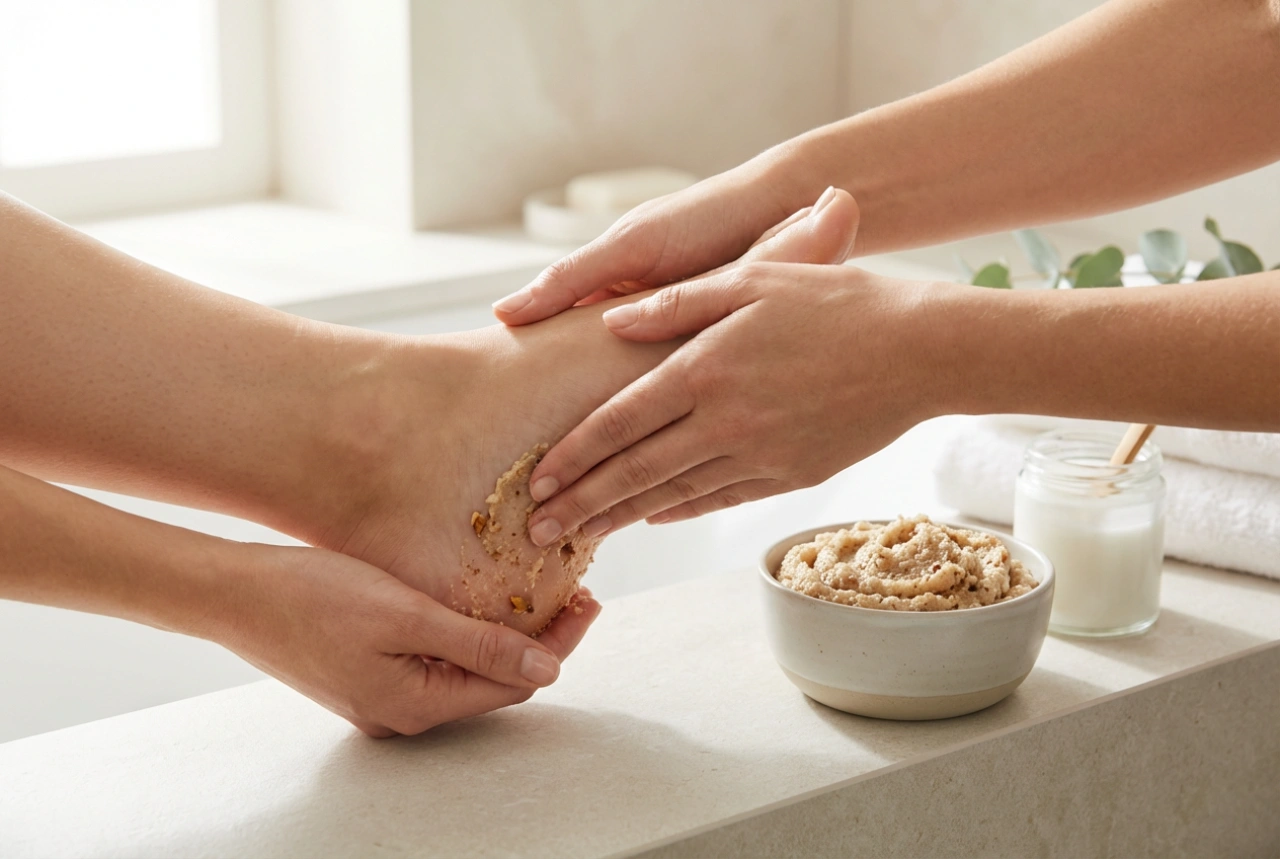
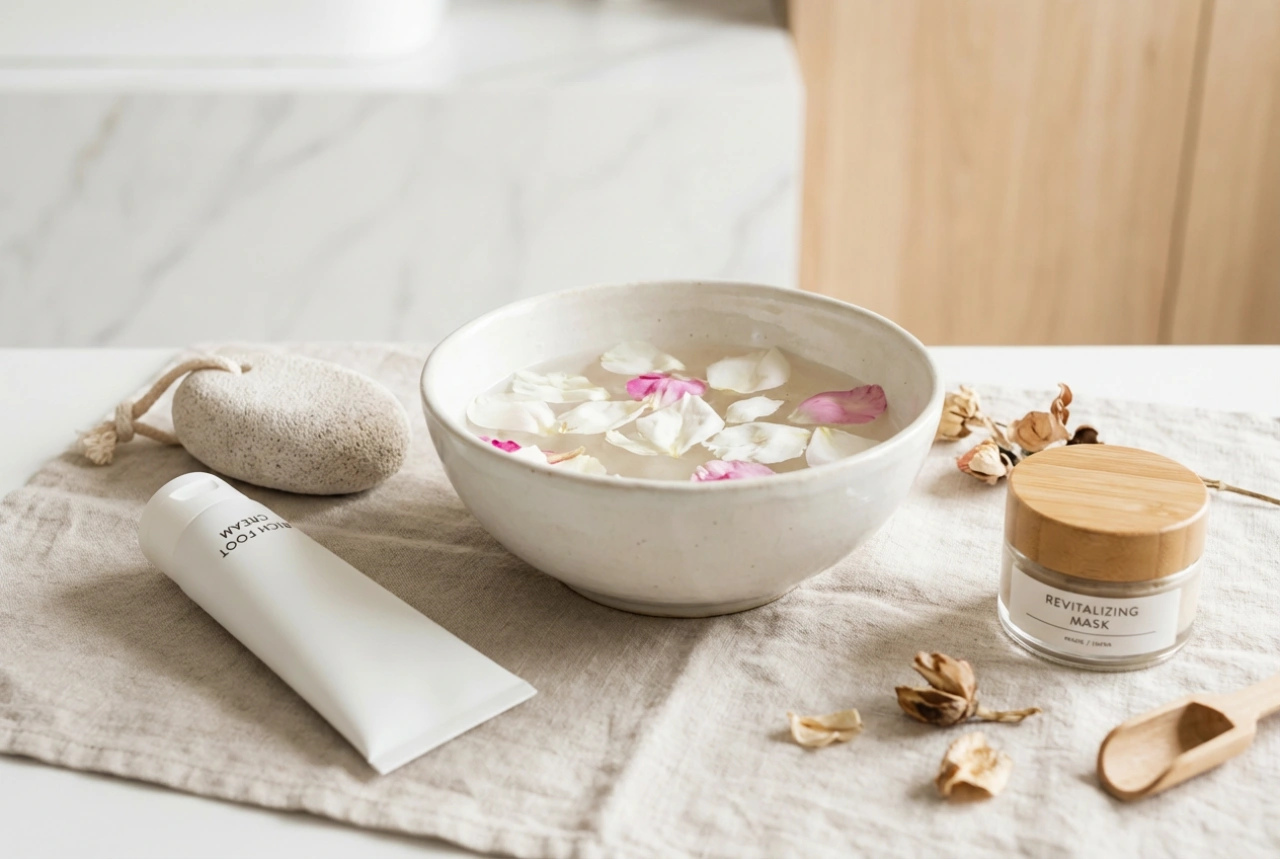
If you have particularly rough patches, you can use a gentle foot scrub or a soft pumice stone during your bath. Avoid harsh, aggressive filing, as this can stimulate the skin to produce even thicker calluses as a defense mechanism. Let the urea do the heavy lifting over time.
3. The Massage and Application
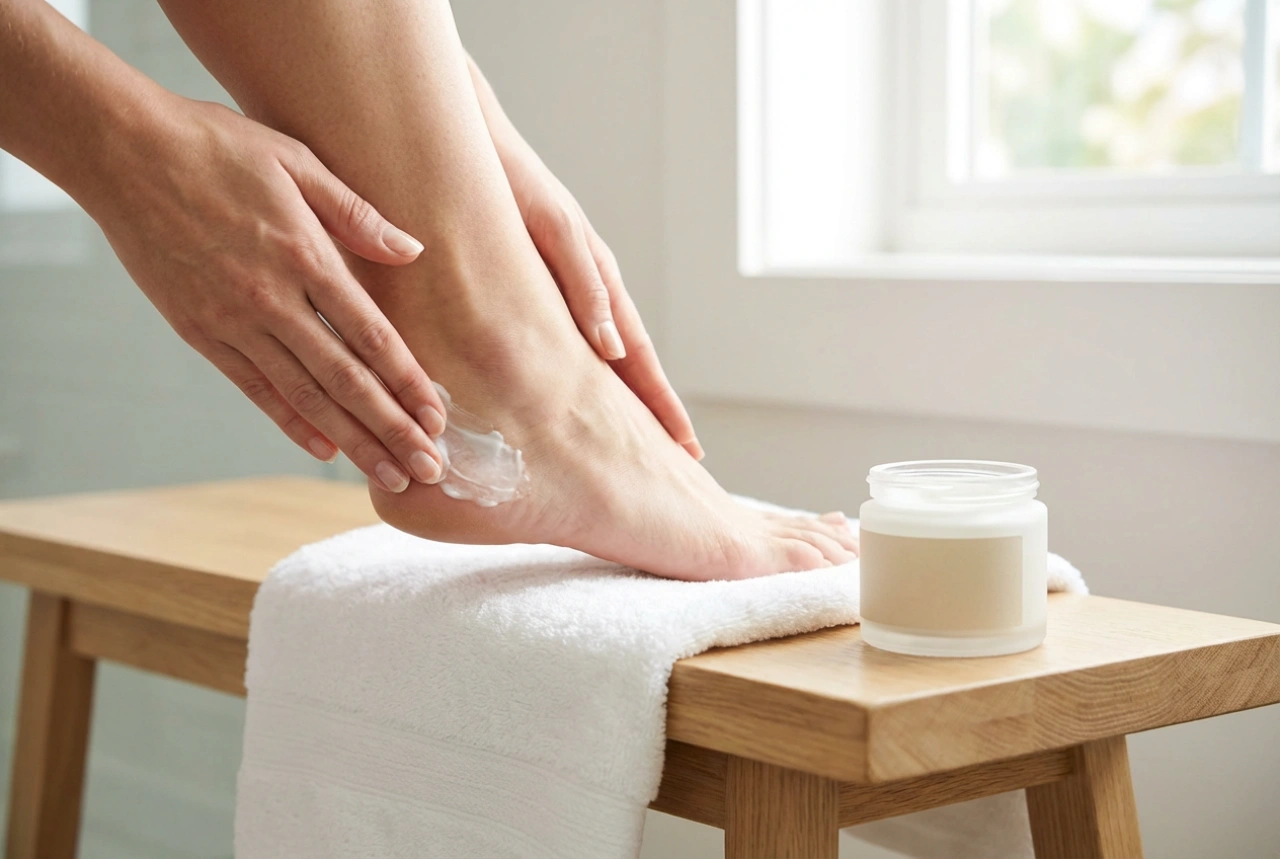
Dispense a generous amount of the rich white cream and begin massaging it into your feet. Focus on the heels, the balls of your feet, and any other dry areas. Use firm, circular motions with your thumbs to massage the cream in. This not only aids absorption but also stimulates circulation and provides a deeply relaxing sensation.
4. The Overnight Treatment
For an intensive boost of hydration, apply a thicker layer of cream right before bed and slip on a pair of clean, breathable cotton socks. This creates a gentle barrier, allowing the active ingredients to work continuously throughout the night, leaving you with remarkably soft skin by morning.
Maintaining Soft and Healthy Feet Long-Term
Consistency is key when it comes to foot care. While a single application of urea cream will provide immediate relief and surface smoothness, maintaining beautiful feet requires regular attention. Incorporating a quick application into your evening routine can prevent the recurrence of rough spots altogether. Additionally, choosing footwear that fits correctly and minimizes friction will support the long-term health and beauty of your skin, ensuring your feet always look and feel their best.