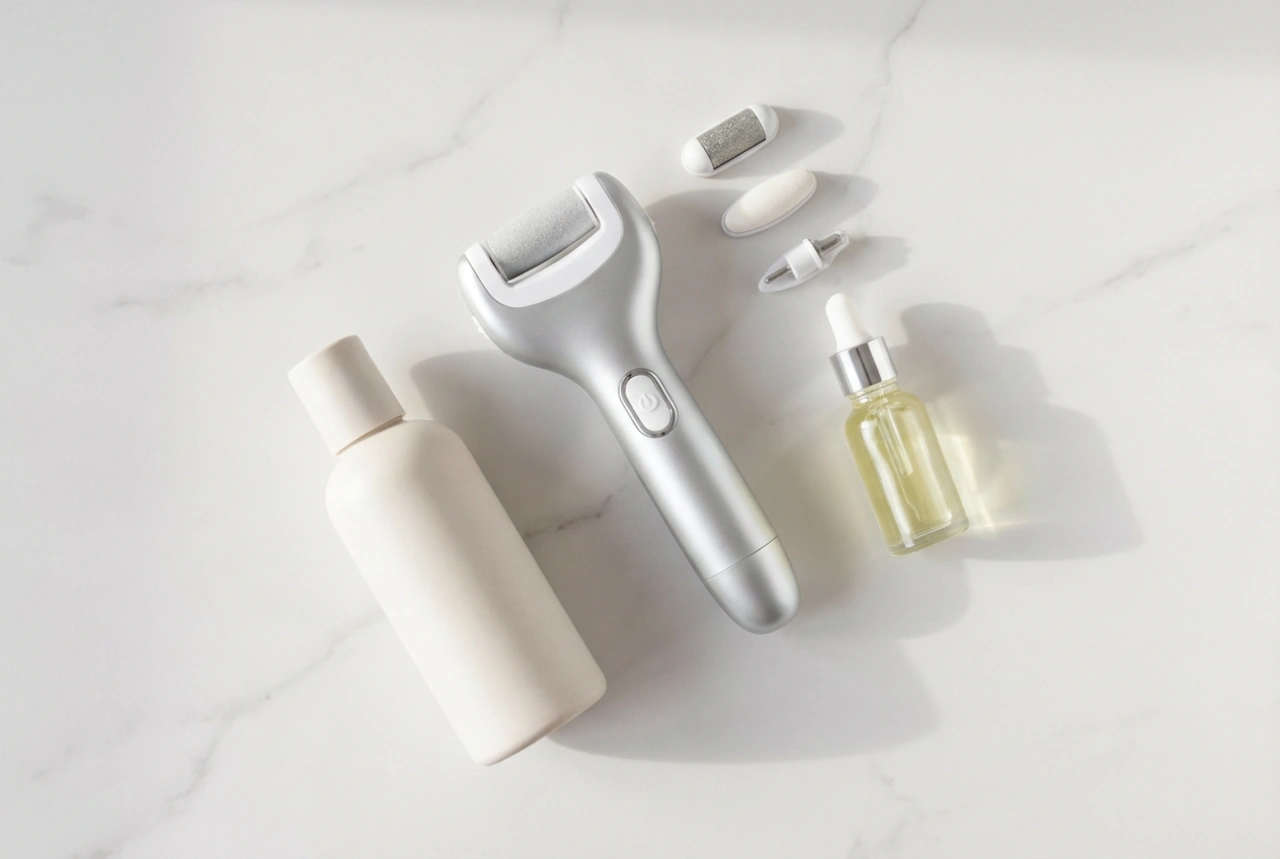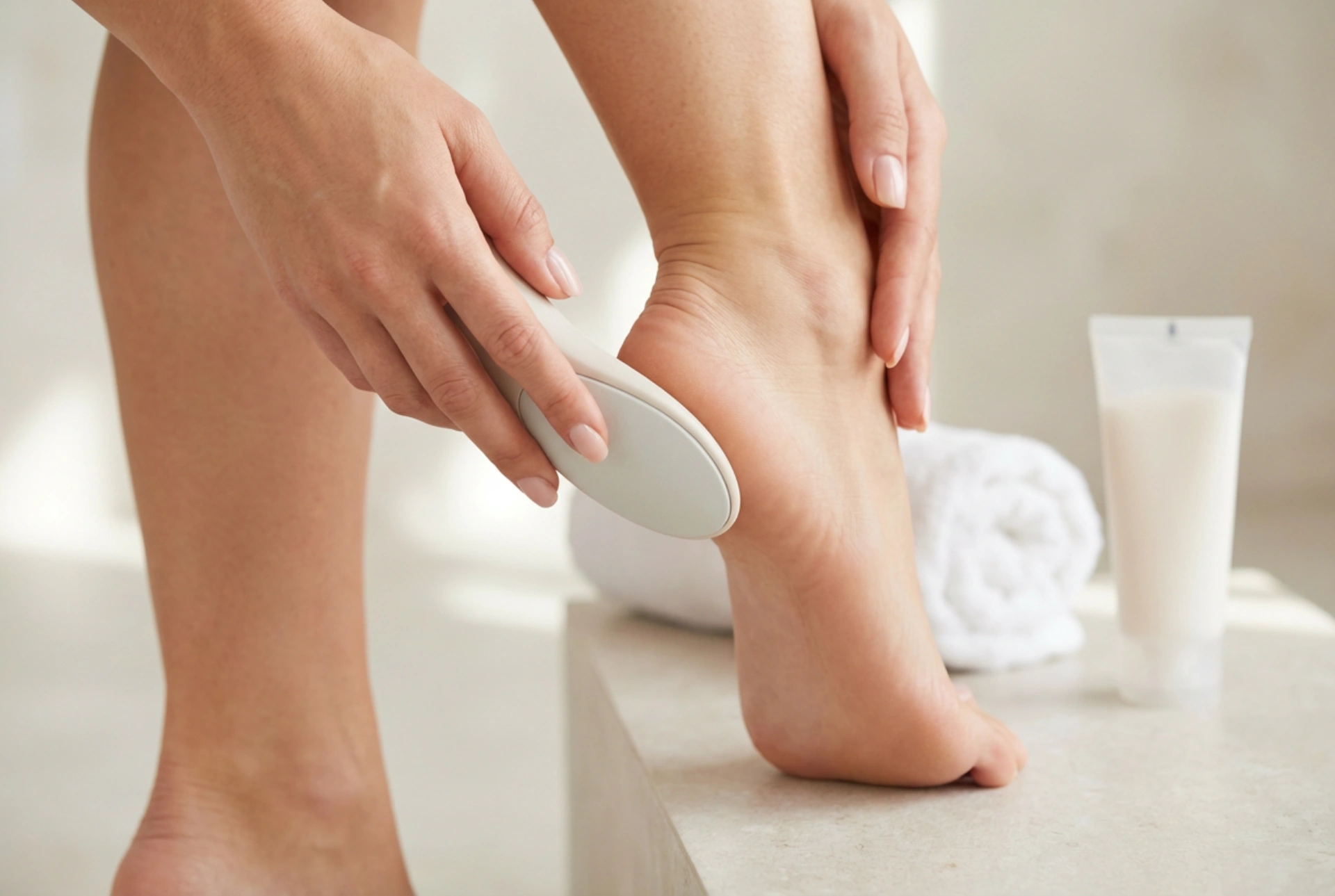


Gentle care for feet is a crucial element of any home self-care routine, ensuring both comfort and confidence. Looking at the careful technique of using a modern, ergonomic foot file on a heel, we can appreciate how simple yet effective this ritual can be when performed correctly. Soft, smooth feet not only look aesthetic but also prevent discomfort during daily activities. However, improper exfoliation can easily backfire, leading to irritation, redness, or even accelerated skin thickening. Achieving the perfect balance between effectiveness and safety requires the right tools and a proper approach.
Choosing the Right Foot File for Your Skin Type
Before beginning any foot care routine, it is essential to select a suitable tool. Not all files are created equal, and using one that is too abrasive can damage healthy skin layers.
Manual and Wooden Files
Traditional manual files often feature a wooden or plastic handle with abrasive paper of varying grits. These are highly versatile and allow for precise pressure control. It is best to choose a double-sided file with one coarse side for removing hardened areas and one fine side for smoothing the surface.
Glass and Ceramic Files
For those with sensitive or delicate skin, glass or ceramic foot files are an excellent alternative. These modern tools feature a finely textured surface that gently grinds away dead cells without tearing the skin. They are also incredibly hygienic, as they can be easily washed and sanitised after each use.
Step-by-Step Guide to Safe Foot Filing
To achieve perfectly smooth heels without causing irritation, it is vital to follow a systematic approach. Patience and gentle movements are key to maintaining skin integrity.
1. Preparation and Softening
Never file completely dry and hardened skin if it is prone to cracking. Start by soaking your feet in warm water for ten to fifteen minutes. You can add natural bath salts or a few drops of nourishing herbal oils to help soften the epidermis. Once the skin is sufficiently soft, gently pat it dry with a clean, soft towel. Filing slightly damp or properly prepared skin reduces friction and prevents micro-injuries.
2. The Filing Technique
Hold the ergonomic file comfortably and apply it to the hardened areas of the heel. Use gentle, unidirectional strokes rather than rapid back-and-forth sawing motions. Moving the file in one direction helps keep the skin fibres aligned and smooth. Focus only on the areas with thickened skin, avoiding sensitive arches or healthy surrounding tissue. Stop immediately if you feel any warmth or sensitivity.
3. Post-Treatment Hydration
Exfoliation removes the protective outer layer of the skin, making immediate hydration essential. Apply a generous amount of a rich foot cream containing natural moisturising factors such as urea, shea butter, or glycerin. Massage the cream gently into the heels to lock in moisture and support skin regeneration.
Common Mistakes to Avoid
Many people make the mistake of over-filing their feet in search of instant results. Removing too much skin triggers a natural defence mechanism, causing the body to produce even thicker skin at a faster rate. Additionally, using metal scrapers or sharp blades at home is highly discouraged, as they carry a high risk of deep cuts and uneven texture. Consistency and moderation are far more effective than aggressive treatments.
Post-Filing Foot Care Routine
To maintain smooth heels for longer, incorporate daily moisturising into your evening schedule. Wearing soft, breathable cotton socks after applying foot cream before bed can significantly enhance the absorption of active ingredients. Regular, gentle maintenance once a week is always safer and more beneficial than intensive, sporadic filing.