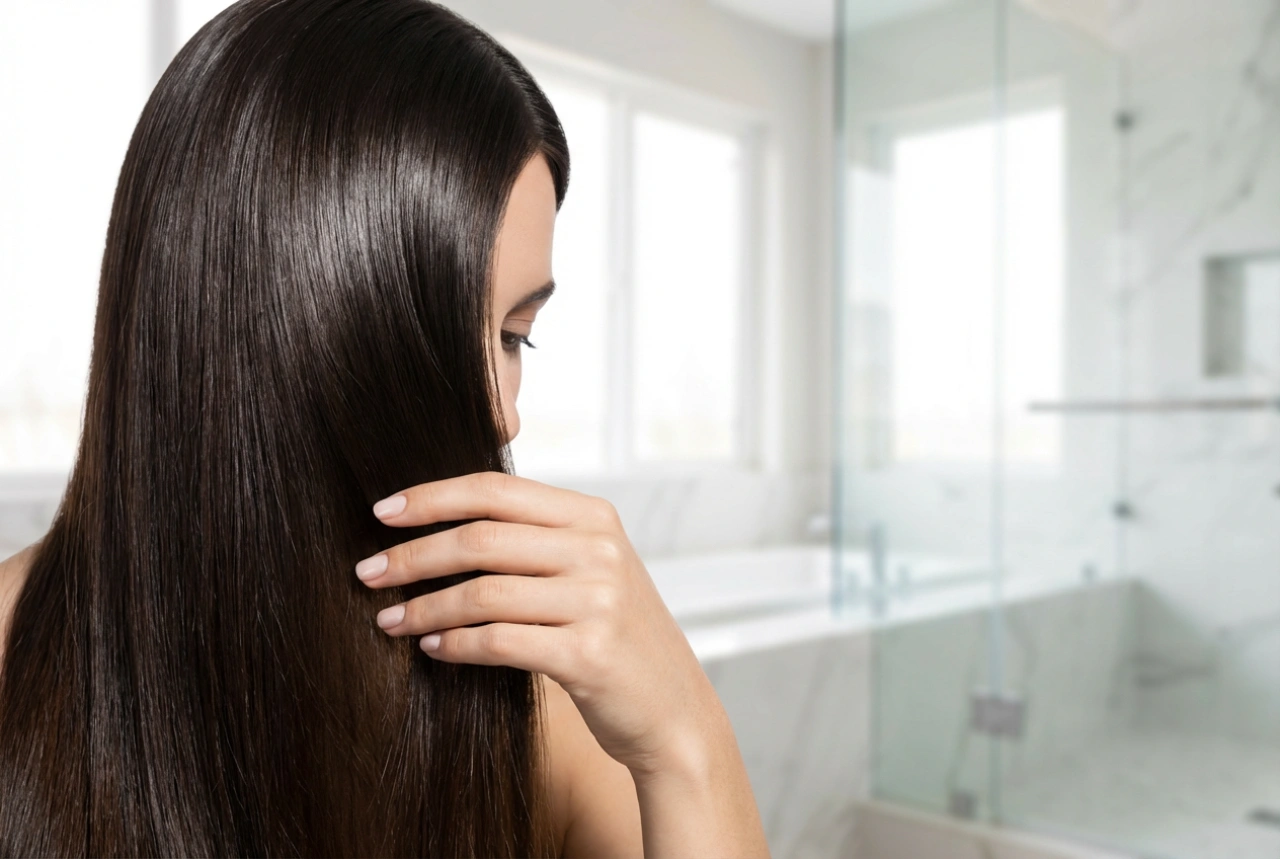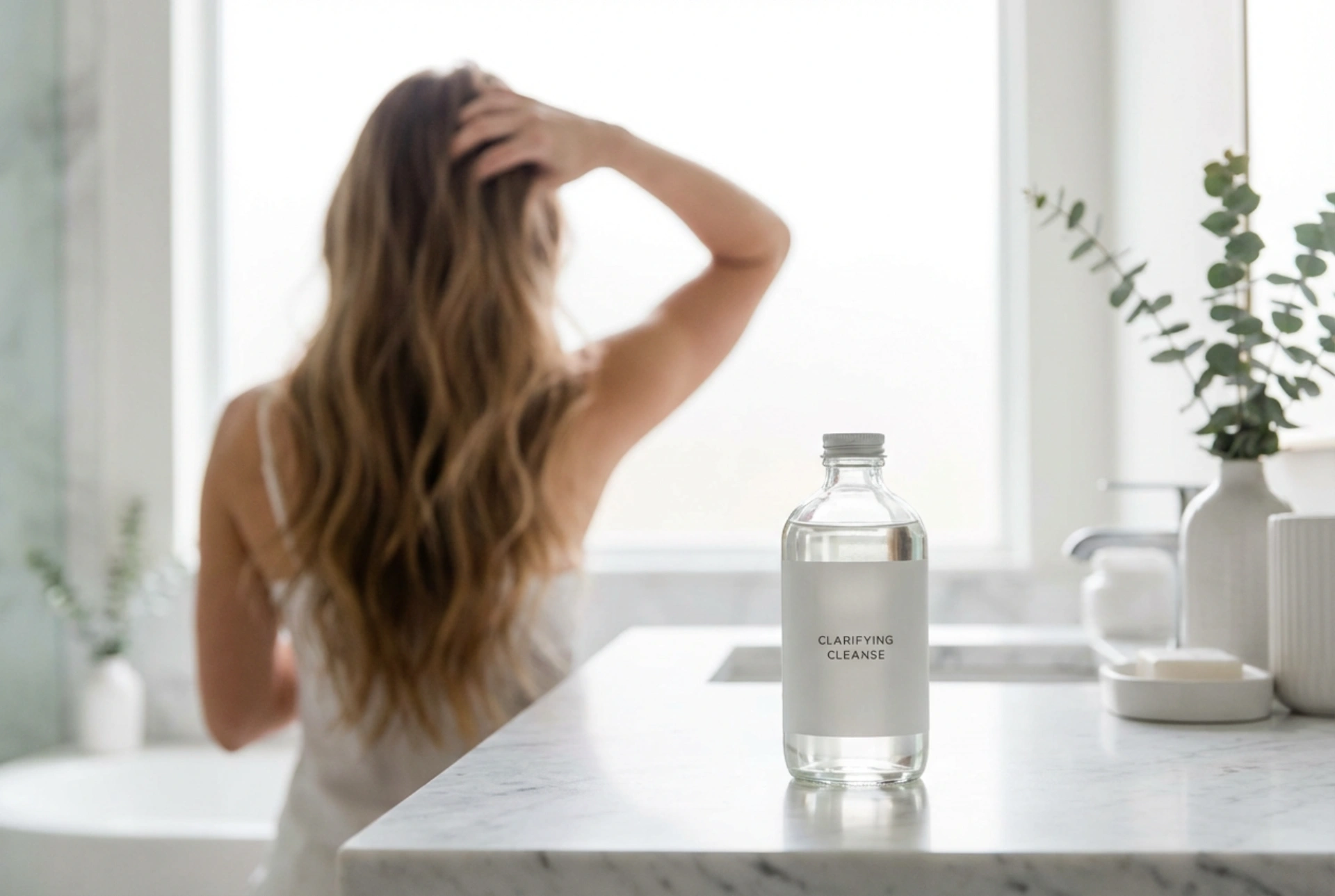


Imagine stepping into a serene, well-lit bathroom, where the promise of a fresh start begins with a simple, pure hair care routine. There is a distinct sense of lightness and revitalisation that comes from truly clean hair—free from the invisible weight of daily life. In our search for glossy, flowing locks, we often accumulate a variety of styling products, oils, and environmental impurities that standard shampoos cannot fully wash away. This is where a clarifying shampoo becomes an essential tool in your beauty arsenal. Designed to act as a reset button for your scalp and strands, it offers a deep, thorough cleanse that restores natural bounce and radiance.
What is a Clarifying Shampoo and How Does It Work?
Unlike regular daily cleansers, which are formulated to gently refresh the hair while maintaining its moisture barrier, clarifying shampoos are specifically designed for deep purification. They contain effective cleansing agents that target stubborn residues left behind by heavy conditioners, leave-in serums, hairsprays, and even the minerals found in hard tap water. Think of it as a deep-cleaning treatment for your tresses. By thoroughly lifting away these deposits, the hair cuticle is cleared, allowing subsequent treatments like masks and oils to penetrate much more effectively. However, because of their potent formula, they require a thoughtful approach to ensure they benefit rather than strip your hair.
Signs It Is Time to Reach for a Clarifying Cleanser
It can be difficult to tell when your regular hair care routine is no longer yielding the desired results. When product buildup accumulates over weeks, your hair begins to exhibit subtle signs of distress. Here are some of the most common indicators that your hair is crying out for a deep, revitalising wash:
- Your hair feels heavy, limp, and lacks its usual volume, even immediately after washing.
- Standard shampoos no longer lather properly, indicating a thick layer of styling residue on the scalp.
- Your scalp feels persistently greasy or congested, despite regular washing.
- Your hair looks dull and has lost its natural shine and vibrancy.
- Hydrating masks and conditioners seem to sit on top of your hair rather than absorbing and softening it.
Identifying these signs early allows you to adjust your routine and restore balance before your locks become excessively dry or unmanageable.
How to Use a Clarifying Shampoo Correctly
To get the absolute best out of your clarifying shampoo without compromising the health of your scalp, proper application technique is crucial.
Step 1: Thorough Saturation
Begin by completely soaking your hair with warm water. Warmth helps to gently open the hair cuticles, making it easier for the deep-cleansing agents to lift away trapped impurities.
Step 2: Focused Scalp Massage
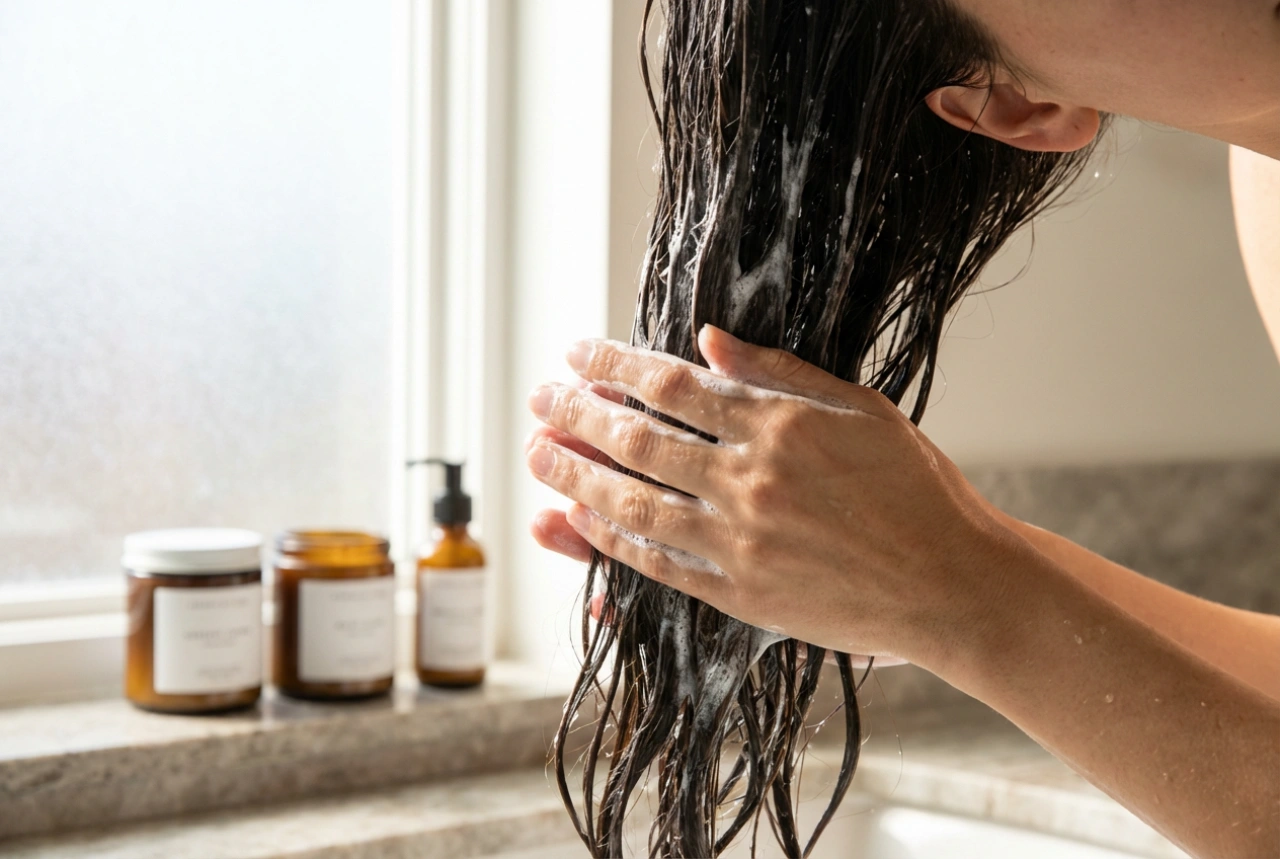
Squeeze a small amount of the cleanser into your palms and work it into a rich lather. Focus your attention primarily on the scalp, where sebum and styling products accumulate the most. Gently massage using your fingertips in circular motions, avoiding harsh scratching with your nails.
Step 3: Gentle Distribution
Allow the lather to glide down the lengths of your hair rather than scrubbing the mid-lengths and ends directly. This ensures the fragile, older parts of your hair are cleansed gently without being stripped of essential moisture.
Step 4: Comprehensive Rinsing
Spend ample time rinsing your hair with clean water. Leaving any residue behind can lead to further buildup, defeating the purpose of the treatment.
How to Avoid Over-Cleansing Your Hair
While the feeling of lightweight, airy hair is incredibly satisfying, it is easy to overdo deep cleansing. Overusing a clarifying formula can strip away the natural sebum that protects your scalp and keeps your hair supple. For most hair types, a clarifying session is recommended only once every two to three weeks. If you use heavy styling products daily, swim regularly, or live in a hard water area, you might benefit from a weekly treatment. Conversely, those with dry, coarse, or colour-treated hair should limit deep cleansing to once a month to prevent colour fade and dryness. Listening to your hair is key; if it begins to feel brittle or static, it is time to scale back.
Restoring Hydration After a Deep Clean
Because a clarifying shampoo leaves your hair cuticles wide open and completely free of coatings, it is the perfect moment to deliver high-quality nourishment. Immediately following your deep cleanse, apply a rich, deeply hydrating conditioner or an intensive hair mask. Focus this treatment from the mid-lengths to the ends, leaving it on for several minutes to allow the nourishing ingredients to fully penetrate the exposed hair shaft. Rinse with cool water to help seal the cuticles, locking in the hydration and leaving your hair looking incredibly sleek, shiny, and refreshed.