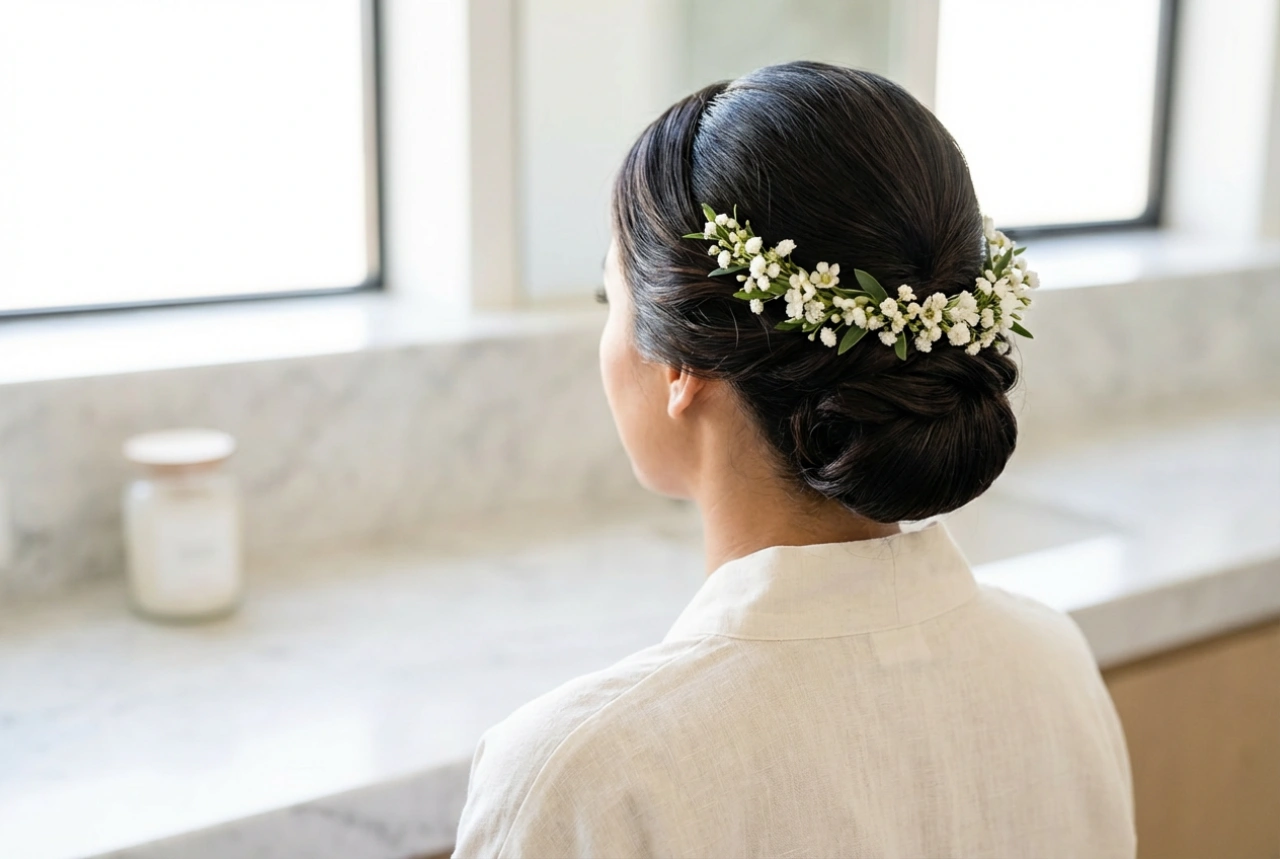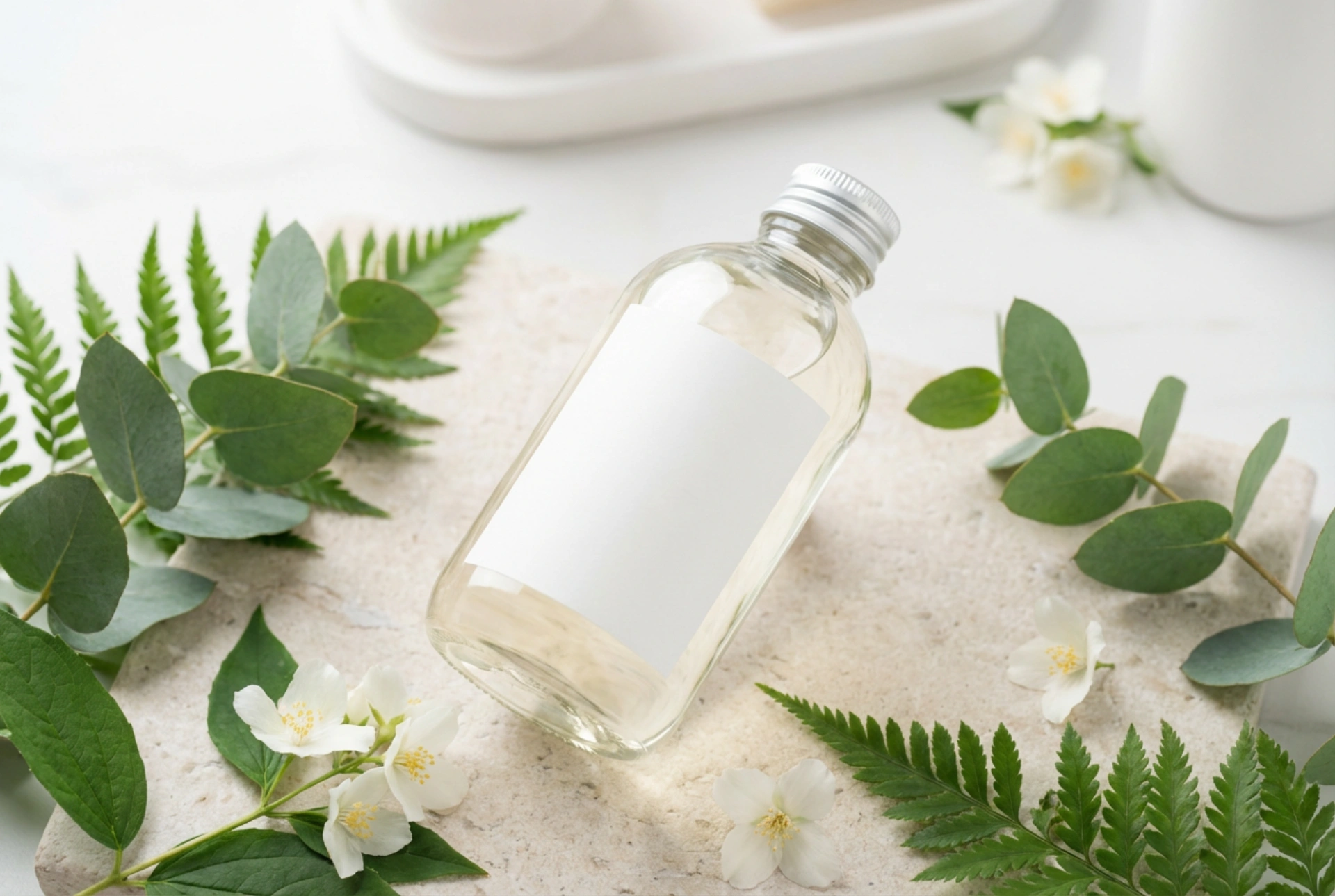


In a world where daily hair care is transitioning towards simplicity and nature, botanical shampoos have emerged as a staple on many bathroom shelves. Often displayed alongside delicate white flowers and fresh green leaves, these products symbolise a clean, gentle approach to hair hygiene. Choosing the right botanical shampoo, however, requires more than just appreciating its aesthetic appeal or refreshing scent. Understanding what lies behind the label and learning how to incorporate these natural-inspired formulations into your routine can transform your hair care experience.
Understanding Botanical Shampoos
Botanical shampoos are hair cleansing products formulated primarily with plant-derived ingredients. Unlike traditional shampoos that may rely heavily on synthetic detergents and heavy silicones, botanical alternatives utilise the natural properties of herbs, flowers, seeds, and oils to cleanse and nourish the hair and scalp. These formulations aim to maintain the natural balance of your hair, offering a milder cleansing action that respects the scalp's delicate barrier.
The rise in popularity of plant-based hair care reflects a growing preference for conscious beauty routines. People are increasingly seeking products that are gentler on both their hair and the environment. Botanical shampoos are designed to meet this demand, combining traditional herbal wisdom with modern cosmetic science to deliver effective results without unnecessary harshness.
Key Plant Extracts to Look For
When reading the ingredient list of a botanical shampoo, certain plant extracts stand out for their specific benefits. Depending on your hair type and scalp needs, you should look for formulations containing these key natural components:
- Nettle and Birch: Excellent for oily hair and scalp. These extracts help regulate sebum production, keeping the hair fresh and light for longer without drying out the lengths.
- Chamomile and Calendula: Known for their exceptionally soothing properties. These botanical ingredients are ideal for sensitive scalps prone to mild irritation, helping to calm and comfort the skin during washing.
- Aloe Vera and Flaxseed: Exceptional natural moisturisers. They help bind water inside the hair shaft, providing deep hydration, elasticity, and softness to dry or coarse hair.
- Rosemary and Horsetail: Renowned for their strengthening properties. These herbs support hair vitality, making them a great choice for fine, limp, or weak hair that needs a natural boost.
How to Read the Ingredient List (INCI)
Navigating the back of a shampoo bottle can feel overwhelming, but a few simple guidelines can help you identify a truly botanical product. The International Nomenclature of Cosmetic Ingredients (INCI) lists ingredients in descending order of concentration. To ensure you are choosing a high-quality product, look for plant hydrosols, extracts, and oils near the top of the list.
Additionally, pay attention to the cleansing agents used. Genuine botanical shampoos often replace harsh sulphates like Sodium Lauryl Sulfate (SLS) with milder, plant-derived surfactants. Look for ingredients such as Coco-Glucoside, Decyl Glucoside, or Lauryl Glucoside, which are derived from coconut or sugar and cleanse the hair gently without stripping its natural oils.
How to Correctly Use a Botanical Shampoo
To get the most out of your botanical shampoo, it is essential to adapt your washing technique. Because these products often contain milder cleansing agents, they may behave differently to conventional shampoos, particularly when it comes to lathering.
Step 1: Thoroughly Wet the Hair
Before applying the shampoo, ensure your hair and scalp are completely saturated with lukewarm water. Water acts as a natural vehicle, helping to distribute the gentle botanical formula evenly across your scalp.
Step 2: Dilute and Emulsify
Pour a small amount of shampoo into your palms and mix it with a little water before applying it to your scalp. This simple step helps to activate the natural surfactants, allowing them to lather more effectively and spread easily.
Step 3: Focus on the Scalp
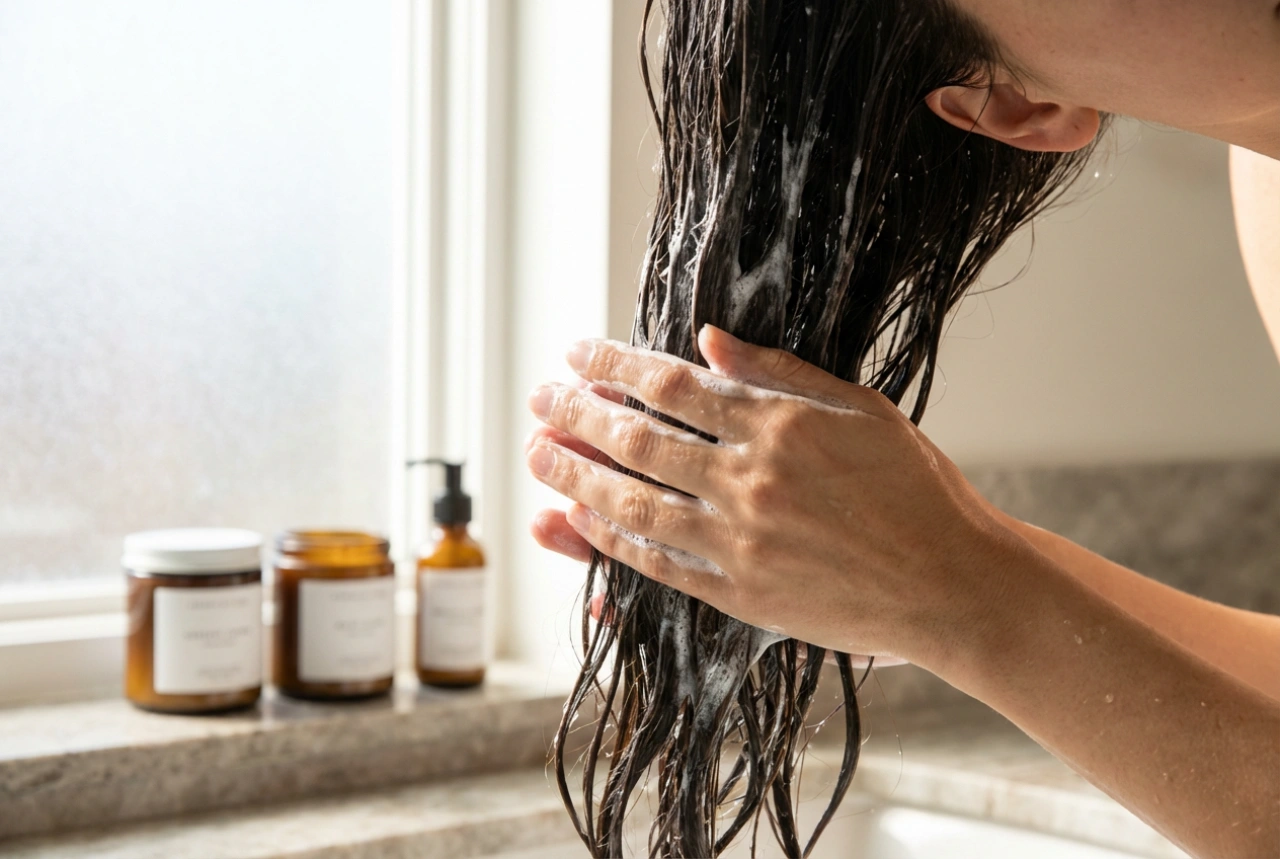
Massage the shampoo gently into your scalp using your fingertips, not your nails. Focus on cleansing the skin, as this is where oils, sweat, and environmental impurities accumulate. There is no need to scrub the lengths of your hair directly; the lather that runs down when rinsing is sufficient to clean them.
Step 4: Double Washing
If you use styling products or wash your hair less frequently, consider double washing. The first wash removes surface grime and product build-up, while the second wash allows the active botanical extracts to thoroughly cleanse and nourish the scalp.
Step 5: Rinse Thoroughly
Rinse your hair meticulously with lukewarm water. Botanical formulations can sometimes leave residues if not rinsed properly, which might weigh fine hair down. Ensure no product remains before proceeding to your conditioner or hair mask.
Choosing the Right Product for Your Hair Type
Just like any other hair care product, botanical shampoos are not one-size-fits-all. It is crucial to match the herbal blend to your hair's unique characteristics. If you have fine, flat hair, look for lightweight herbal infusions and avoid heavy plant oils. Conversely, if your hair is thick, curly, or dry, seek out shampoos enriched with natural oils like jojoba, argan, or shea butter to provide the necessary nourishment and frizz control.
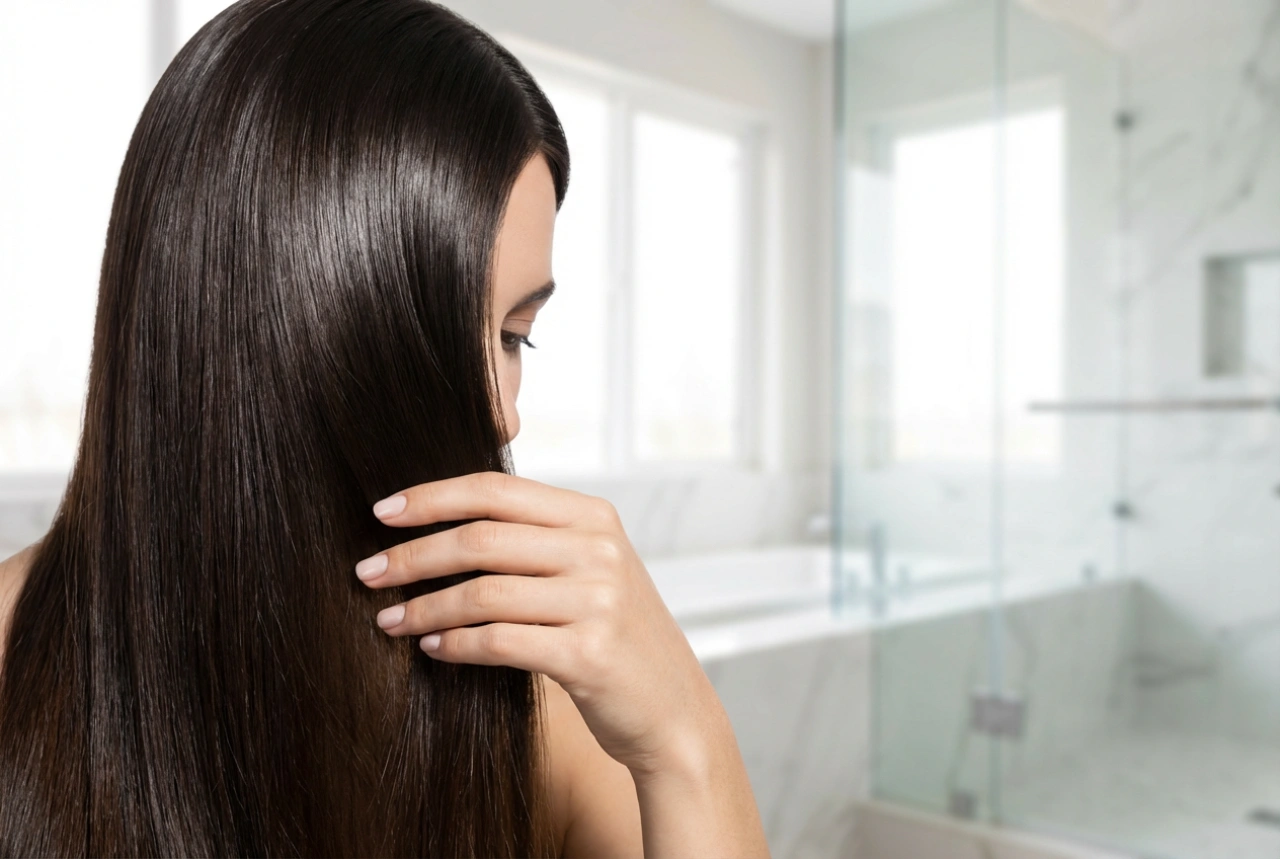
By selecting a botanical shampoo tailored to your specific needs and applying it with care, you can enjoy a healthier, more balanced hair care routine that harnesses the gentle power of nature.