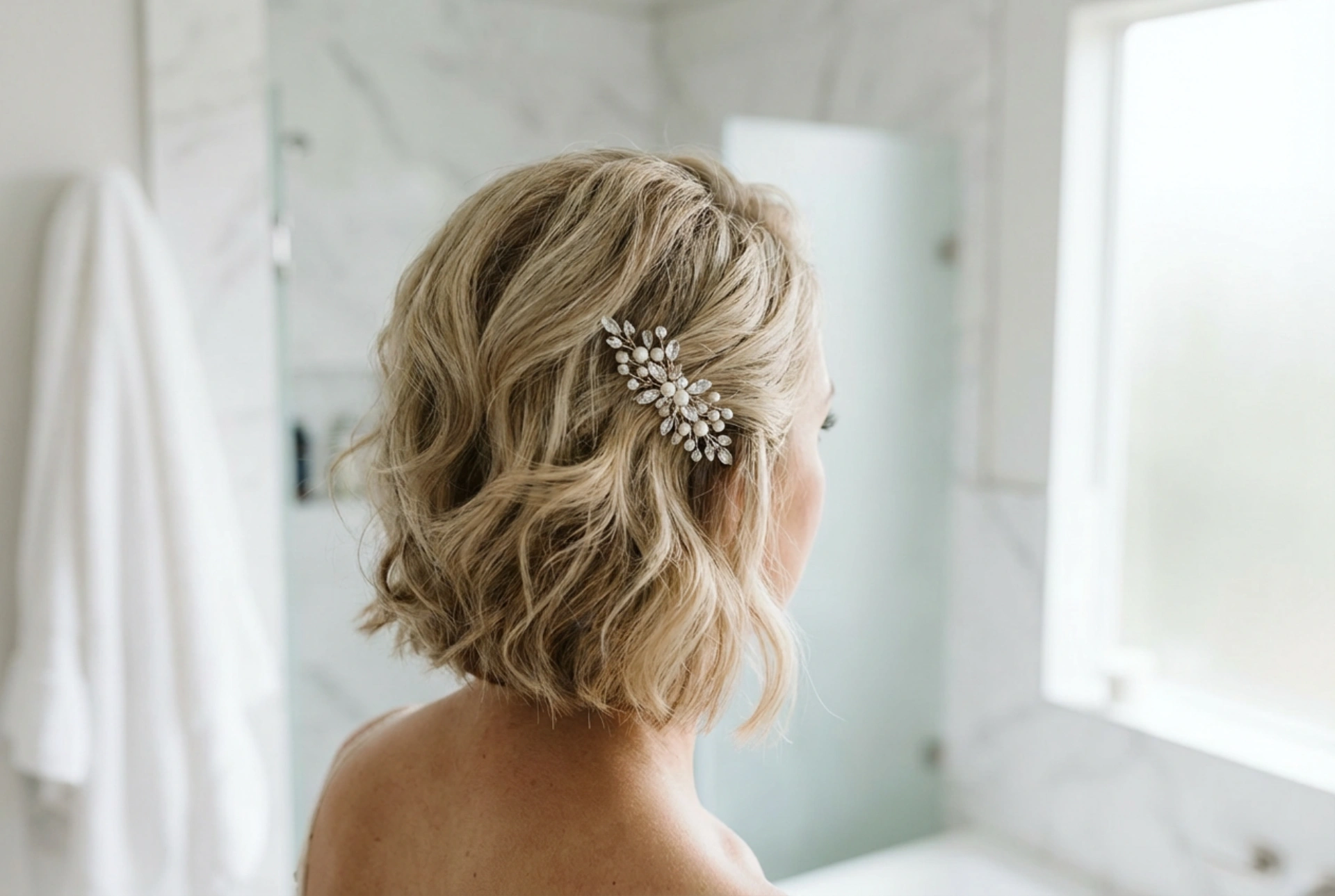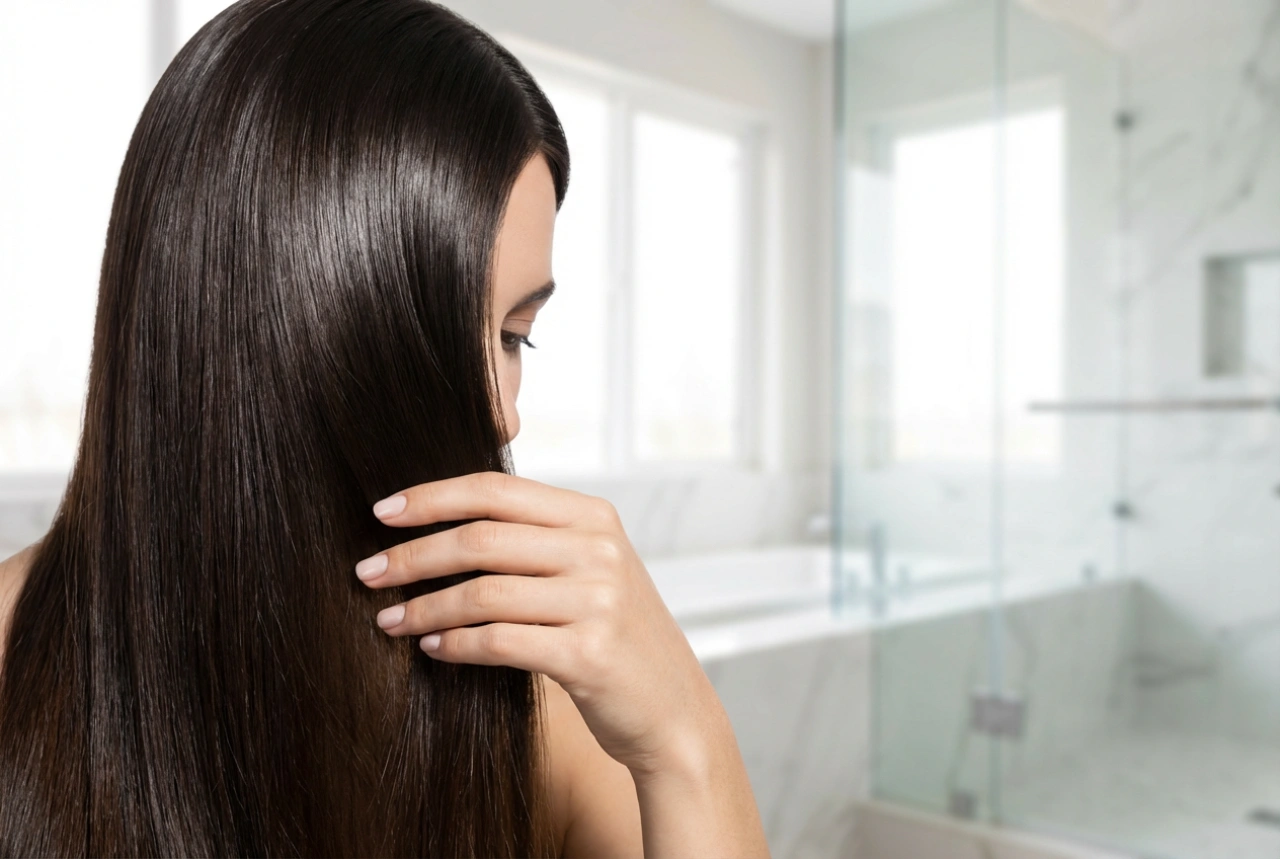


A minimalist and gentle hair care routine often centres on maintaining the perfect balance of hydration and nourishment. When we look at soft, healthy-looking strands glistening with subtle moisture, we are often seeing the beautiful results of well-chosen hair care. Among the fundamental products that help achieve this smooth, glossy finish is the emollient shampoo. While cleansing is the primary purpose of any shampoo, an emollient-rich formula does much more, acting as a protective shield and smoothing agent for hair that is prone to dryness, frizz, or environmental damage.
What is an emollient shampoo?
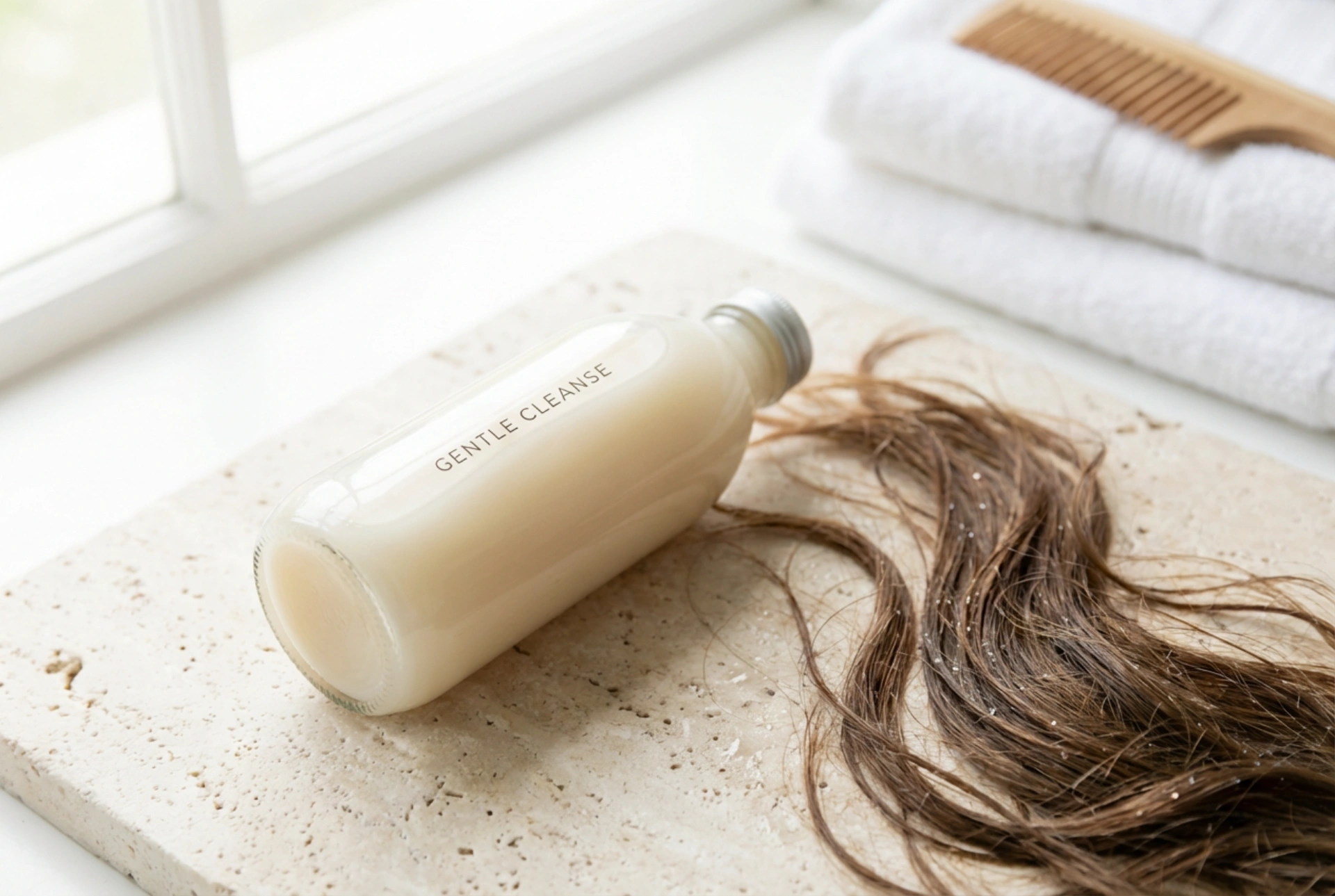
Emollients are substances that form a protective, occlusive layer on the surface of the hair shaft. In cosmetic formulations, they typically include plant oils (such as argan, sweet almond, or macadamia oil), natural butters (like shea butter), fatty alcohols, and waxes. An emollient shampoo is formulated to cleanse the scalp gently while depositing a micro-thin, breathable layer of these lubricating ingredients onto the hair strands. Unlike harsh clarifying shampoos, which can strip away natural lipids, an emollient shampoo helps to retain essential moisture. It smoothens the hair cuticle, making the strands feel softer to the touch, reducing static electricity, and enhancing natural shine without weighing the hair down.
When should you reach for an emollient shampoo?
Understanding the needs of your hair is key to choosing the right cleansing product. You should consider incorporating an emollient shampoo into your regular hair care routine if you experience any of the following characteristics:
- Frizz and static: If your hair reacts to humidity by puffing up or becomes easily charged with static electricity, it is often a sign that the cuticle is raised and lacks protective lipids.
- Dryness and roughness: Hair that feels coarse, dry, or straw-like to the touch benefits greatly from the smoothing and softening properties of emollients.
- High porosity: Hair that has been chemically processed, frequently heat-styled, or is naturally highly porous has gaps in its structure. Emollients help fill these micro-gaps, temporarily restoring a smoother surface.
- Difficulty detangling: If your hair tangles easily after washing, the lubricating effect of an emollient-rich formula can help the strands slide past one another, reducing breakage during brushing.
How to combine emollient shampoos within the PEH balance
In modern hair care, the PEH balance—comprising Proteins, Emollients, and Humectants—is a widely respected framework for achieving healthy hair. To get the best results from your emollient shampoo, it is essential to understand how to combine it with other products.
1. Combining with Humectants (Moisturisers)
Humectants (such as aloe vera, glycerin, and hyaluronic acid) draw water into the hair shaft. However, if you use humectants alone without a sealant, that moisture can easily evaporate, leaving hair even drier. Using an emollient shampoo or a subsequent emollient conditioner after a humectant treatment locks in the hydration, ensuring your hair remains plump and soft.
2. Combining with Proteins (Rebuilders)
Proteins (like wheat or silk proteins) repair micro-damage and restore structure to the hair. However, an excess of proteins can make hair stiff or brittle. Following a protein-rich treatment with an emollient wash or conditioner softens the hair, providing elasticity and balance to the newly strengthened strands.
3. The Emollient-Heavy Routine
If your hair is extremely dry or coarse, you might opt for a routine where emollients dominate. This involves using an emollient shampoo, followed by an emollient-rich mask or conditioner, and finishing with a lightweight hair oil on the damp ends.
Tips for washing and application
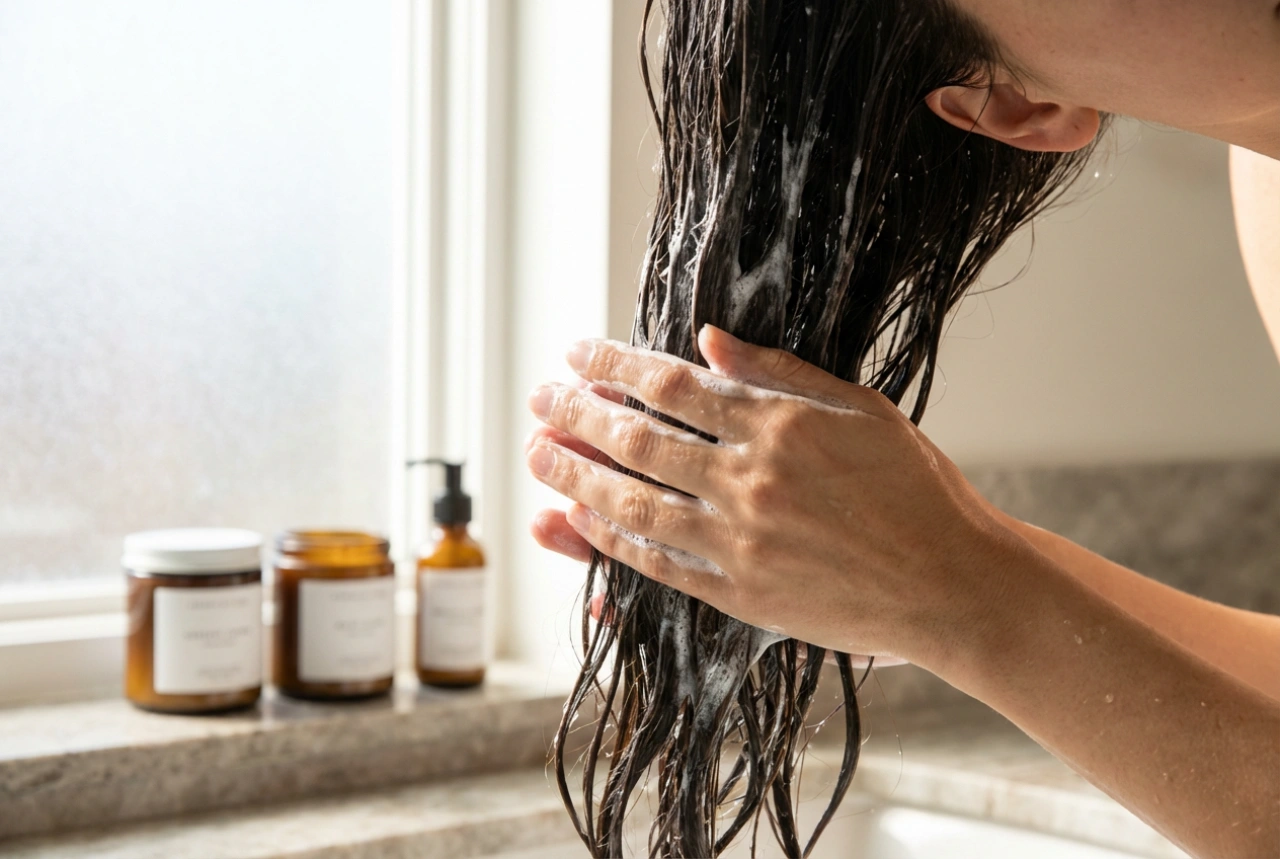
To maximise the benefits of your emollient shampoo, try to adopt a gentle washing technique. Start by thoroughly wetting your hair with lukewarm water. Apply a small amount of shampoo primarily to the scalp, massaging gently with your fingertips to lift away impurities. As you rinse, let the lather run down the lengths of your hair—this is usually sufficient to clean the delicate ends without stripping them. For optimal nourishment, always follow up with a suitable conditioner or mask to seal the cuticle completely, leaving your hair looking revitalised, glossy, and beautifully healthy.