

The ritual of preparing a face mask from natural clay powder is a simple yet profound act of self-care. It connects us to basic, earthy ingredients and offers a moment of calm in a busy schedule. However, to truly harness the benefits of a clay mask, a little knowledge goes a long way. The effectiveness of your mask depends entirely on choosing the right clay for your skin, mixing it to the perfect consistency, and knowing exactly when to wash it off. Getting these steps right can transform your experience from a potentially drying one into a deeply purifying and balancing treatment.
Choosing the Right Clay for Your Skin Type
Not all clays are created equal. They vary in mineral composition, absorbency, and texture, making some more suitable for certain skin types than others. Understanding these differences is the first step to a successful at-home mask session.
White Clay (Kaolin)
This is the mildest of all cosmetic clays, making it an excellent choice for those with sensitive, dry, or mature skin. White kaolin clay offers very gentle exfoliation and helps to soften the skin without drawing out an excessive amount of natural oils. Its action is delicate, focusing more on cleansing and lightly purifying, so it's a safe starting point if you are new to clay masks.
Green Clay
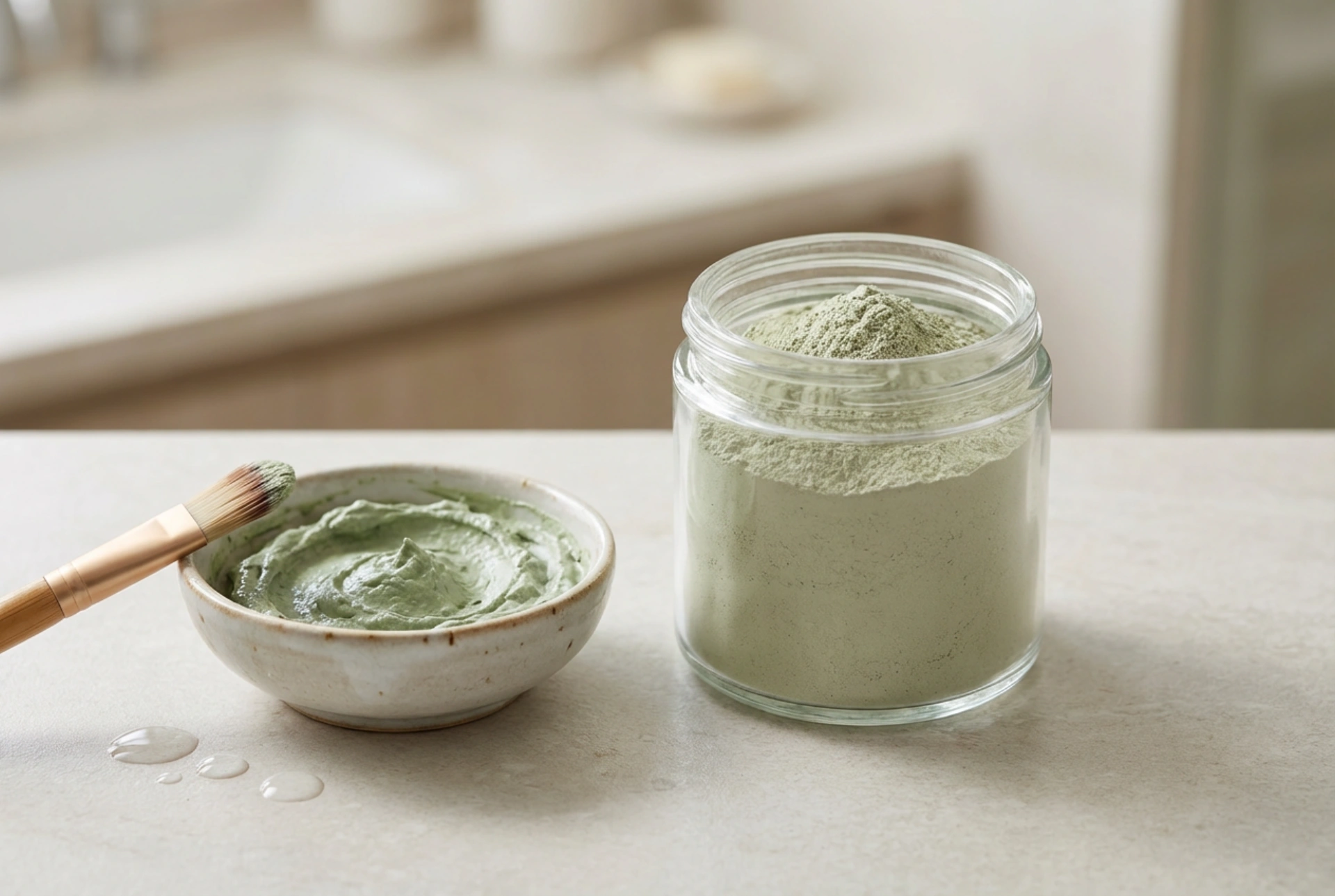
Often referred to as French green clay, this type is highly absorbent and has a powerful drawing effect. Its properties make it ideal for oily and combination skin types, as it is particularly effective at absorbing excess sebum from the pores and toning the skin's surface. Due to its potency, it might be too intense for dry or very sensitive skin.
Red Clay
With a high concentration of iron oxides, which gives it its characteristic earthy red colour, red clay is known for its ability to help revitalise and brighten the complexion's appearance. It is more absorbent than white clay but gentler than green clay, making it suitable for normal, combination, and slightly oily skin types. It can provide a gentle cleansing action while helping to improve the look of skin firmness and tone.
Pink Clay
Typically a blend of red and white clays, pink clay strikes a beautiful balance between the gentle nature of white kaolin and the toning properties of red clay. This makes it a versatile option suitable for most skin types, including normal and sensitive skin. It helps to cleanse and refine the look of pores with a very mild action, leaving the skin feeling soft and smooth.
Preparing Your Mask: The Perfect Consistency
Once you have chosen your clay, the next step is preparation. The ratio of liquid to powder is crucial for creating a mask that is both effective and comfortable to wear.
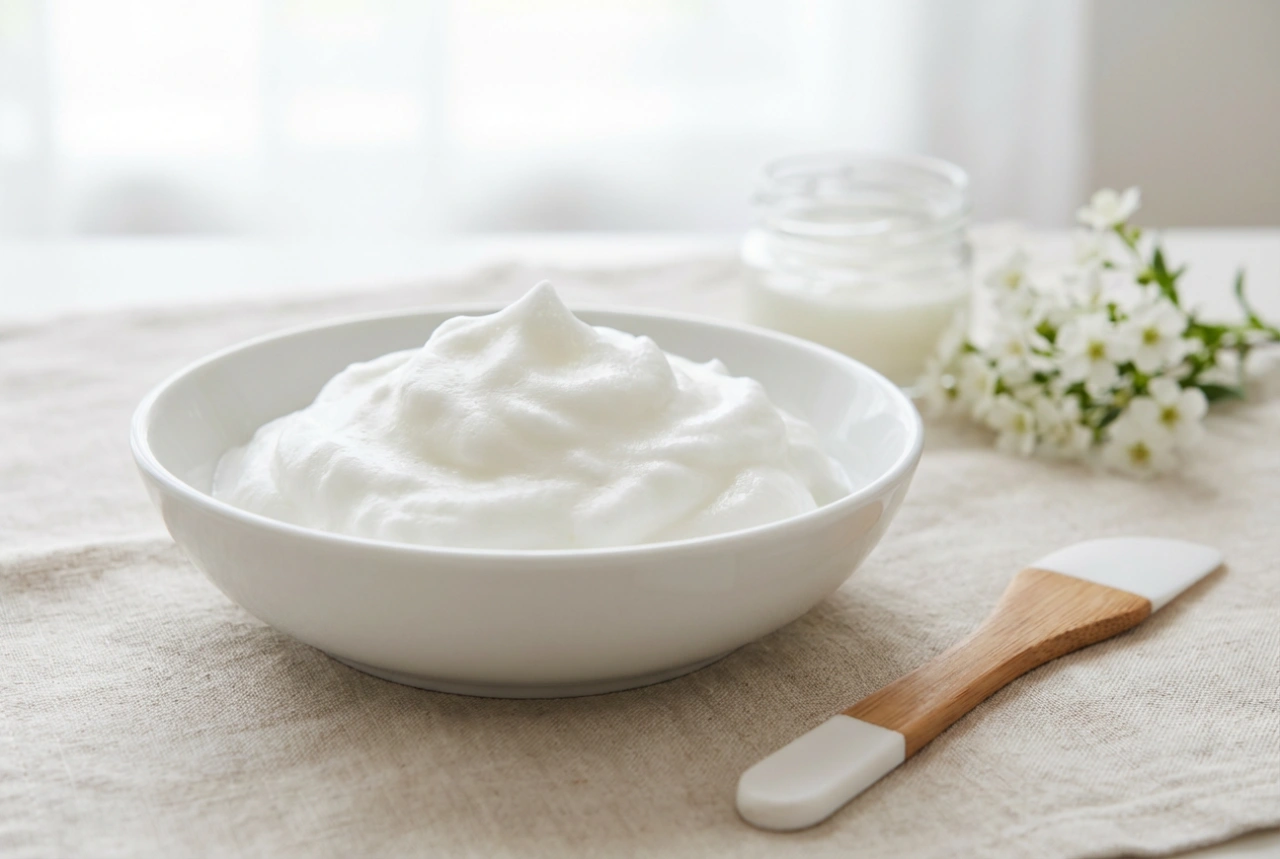
A good starting point is a 1:1 ratio. For example, use one tablespoon of clay powder to one tablespoon of liquid. It's best to add the liquid gradually to the powder, stirring continuously until you achieve the desired consistency. The ideal texture is a smooth, creamy paste—similar to yogurt—that is thick enough to stay on your face without dripping, yet thin enough to spread easily. If the mixture is too thick, add a few more drops of liquid. If it's too runny, sprinkle in a tiny bit more clay.
For the best results, use non-metal tools like a wooden spoon or a ceramic bowl. It is believed that metal can react with the minerals in the clay, potentially reducing its efficacy. Use purified, distilled, or floral water (like rosewater) instead of tap water for a more refined and gentle mixture.
Application and Timing: The Most Common Mistake
How you apply the mask and, more importantly, how long you leave it on, are critical to achieving the desired benefits without causing irritation. The biggest mistake people make is letting the mask dry completely.
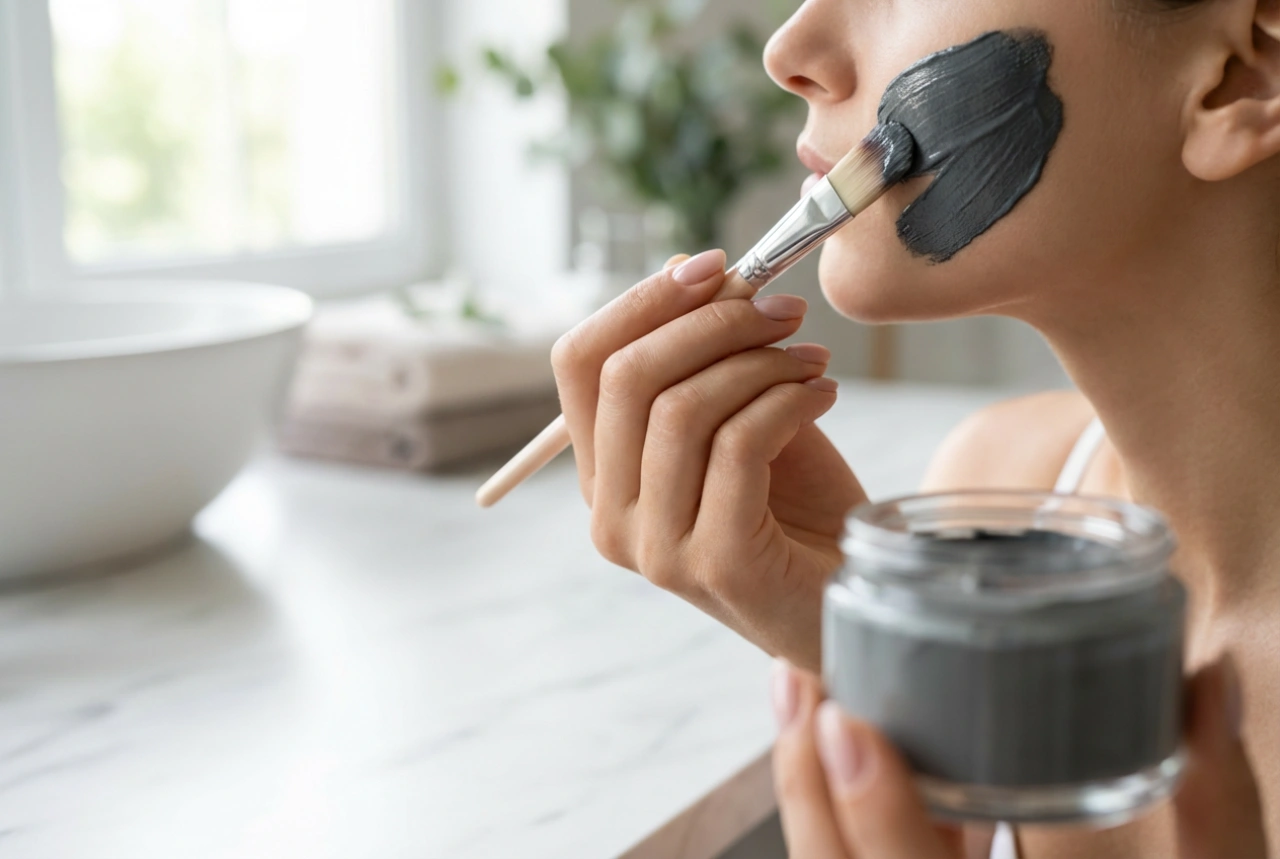
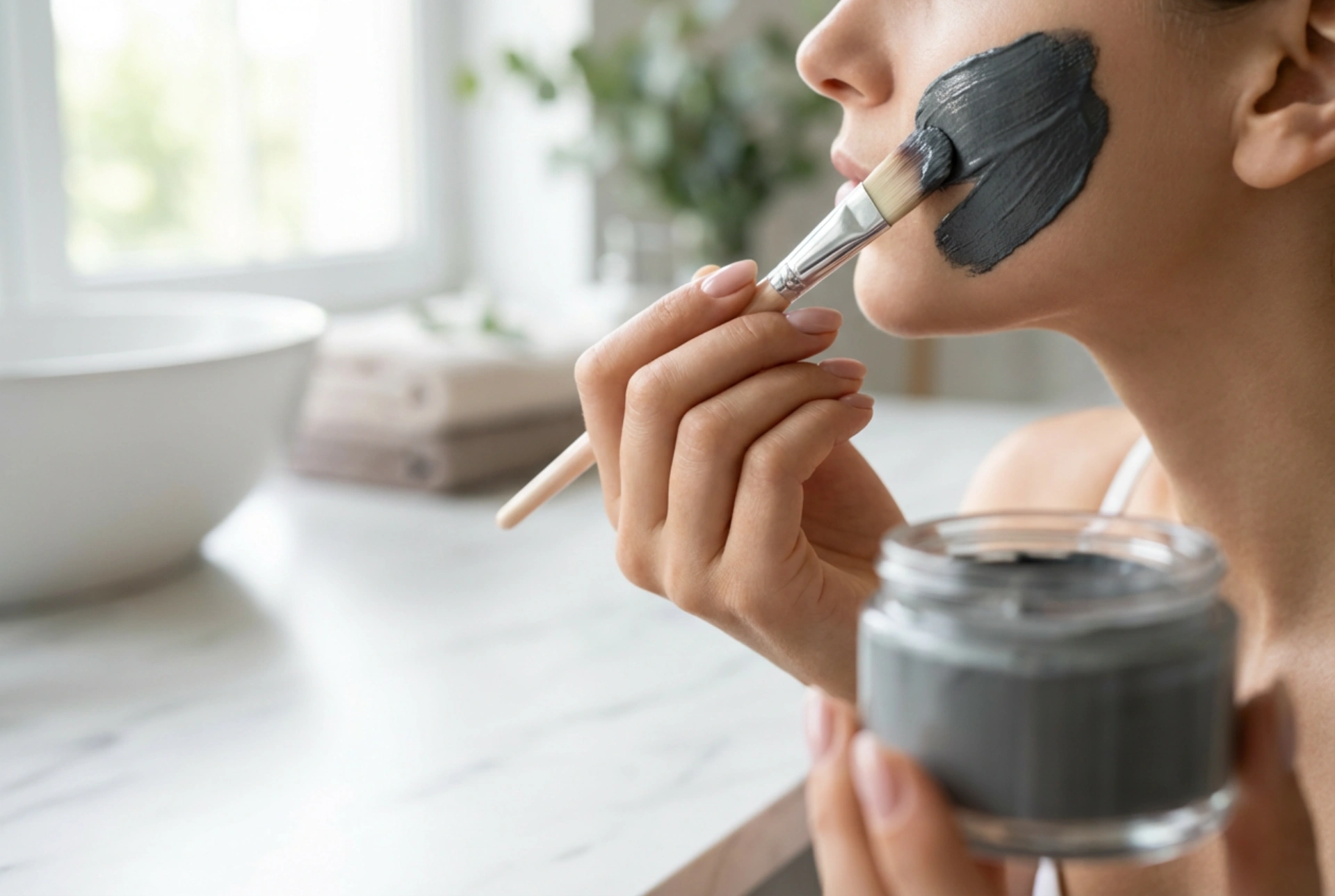
Apply your freshly mixed mask to a clean, dry face in a thin, even layer, avoiding the delicate skin around your eyes and mouth. As the mask sits on your skin, it goes through three phases:
- The Wet Phase: Immediately after application, your skin is absorbing the beneficial minerals from the damp clay.
- The Damp Phase: The mask begins to cool and dry. This is the optimal phase, where the clay gently draws out excess sebum and impurities from your pores.
- The Dry Phase: The mask is fully dry, hard, and may start to crack. At this stage, it is no longer providing benefits. Instead, it begins to draw moisture from the surface of your skin, which can lead to dehydration and irritation.
The key is to rinse the mask off while it is still in the damp phase—when it's tacky to the touch but not completely dry. This is typically between 5-10 minutes for gentler clays or sensitive skin, and up to 15 minutes for stronger clays on oily skin. Watch your mask, not the clock.
Removal and Post-Mask Care
To remove the mask, splash your face with lukewarm water to soften the clay. Gently use your fingertips in a circular motion to wash it away. You can also use a soft, damp washcloth, but be careful not to scrub or pull at your skin. Pat your face dry with a clean towel. Because a clay mask is so purifying, it's vital to follow up immediately with hydration. Apply your favourite hydrating toner, serum, and moisturiser to replenish moisture and lock in the benefits of your treatment, leaving your skin feeling balanced, clean, and refreshed.