

The quest for hydrated, plump-looking skin is a universal goal in beauty. While many are familiar with hyaluronic acid, a lesser-known but incredibly potent ingredient is making its mark: polyglutamic acid (PGA). This powerful humectant promises a surge of moisture, leaving the skin feeling supple and looking dewy. But to truly harness its benefits, it's essential to understand how it works, where it fits into your routine, and the common pitfalls to avoid.
What is Polyglutamic Acid and How Does It Hydrate?
Polyglutamic acid is a polymer derived from the amino acid glutamic acid. In skincare, it functions primarily as a humectant, meaning it draws moisture from the environment into the skin. What sets it apart is its large molecular size. Unlike some other hydrating ingredients that penetrate deeper, PGA forms a thin, flexible film on the skin's surface. This film acts like a breathable mesh, effectively locking in moisture and preventing it from evaporating—a process known as Trans-Epidermal Water Loss (TEWL).
The primary benefits of incorporating a PGA serum into your routine include:
- Intense Surface Hydration: By creating a moisture-retaining film, PGA provides an immediate feeling of hydration and comfort. It helps to quench thirsty skin instantly.
- Visible Plumping Effect: This surge of surface hydration can temporarily fill in fine lines and wrinkles that are caused by dehydration, making the skin appear smoother and plumper.
- Enhanced Radiance: Well-hydrated skin reflects light more effectively. PGA contributes to a dewy, glass-like finish that many desire.
- Smooth Canvas for Makeup: The smooth film created by PGA can act as a hydrating primer, helping makeup apply more evenly and preventing it from settling into dry patches.
It's important to see PGA not as a replacement for other hydrators, but as a complementary team player that excels at sealing in moisture at the surface level.
How to Layer Polyglutamic Acid in Your Skincare Routine
Correctly layering your skincare products is crucial for ensuring each one performs optimally. The general rule is to apply products from the thinnest to thickest consistency, allowing water-based products to absorb before sealing them with oils or creams. Due to its film-forming nature, the placement of polyglutamic acid is key.
Here is a sample routine to guide you:
- Cleanse: Start with a clean face. Use a gentle cleanser to remove makeup, dirt, and impurities without stripping the skin of its natural oils. Pat your skin dry, leaving it slightly damp.
- Tone (Optional): If you use a toner, choose a hydrating, alcohol-free formula. Apply it to your damp skin.
- Apply Other Serums: This is where you would apply any other lightweight, water-based serums targeting different concerns. For example, a vitamin C serum in the morning or a niacinamide serum. These should go on before PGA.
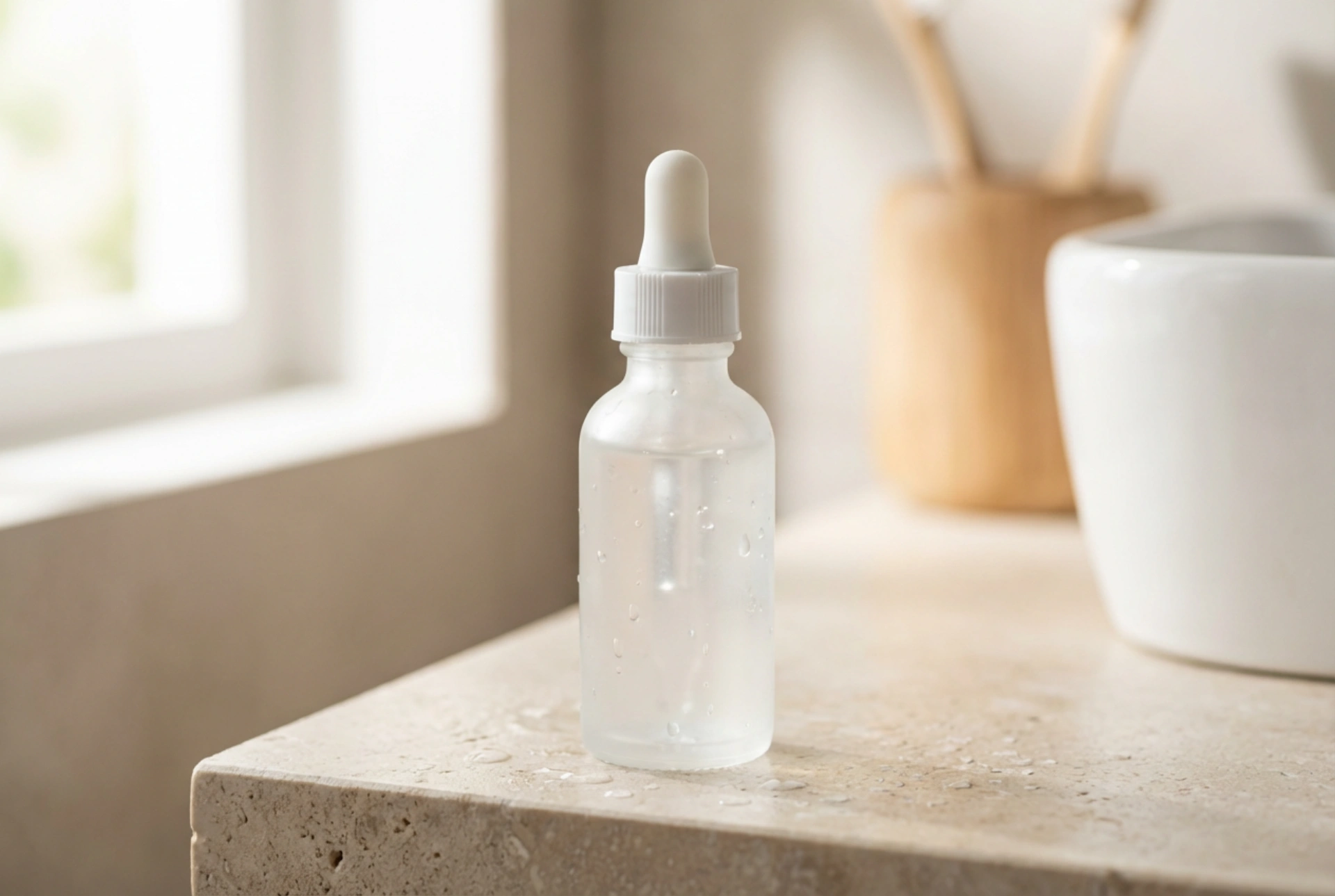
- Apply Polyglutamic Acid Serum: Dispense 2-3 drops of your PGA serum onto your fingertips and gently press it into your skin. Because it forms a film, applying it after your other serums helps to lock them in and also provides its own layer of hydration. Applying it too early might hinder the absorption of subsequent water-based products.
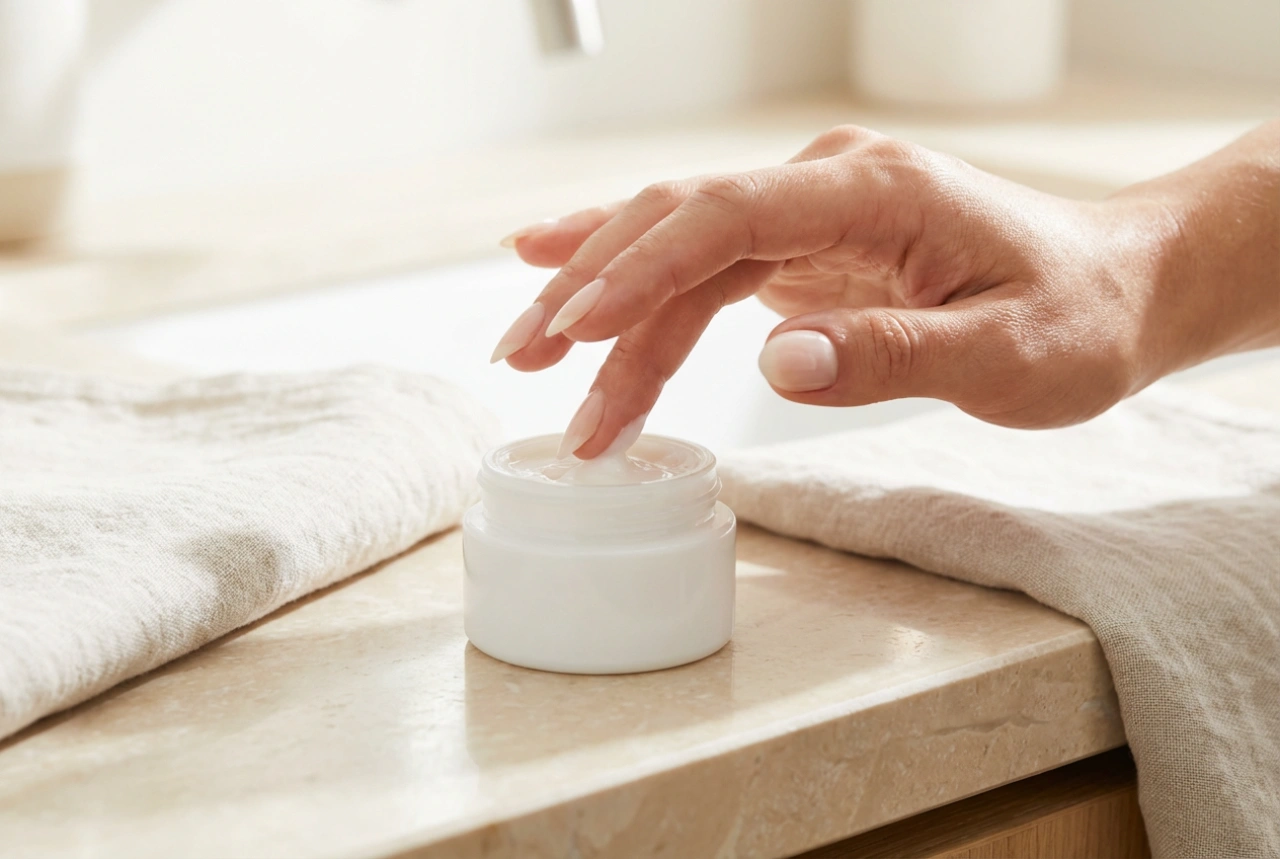
- Moisturise: This is a non-negotiable step. After the PGA serum has been applied, follow up with a good moisturiser. The cream or lotion will seal in the PGA and all the hydrating goodness underneath, acting as the final lock on moisture.
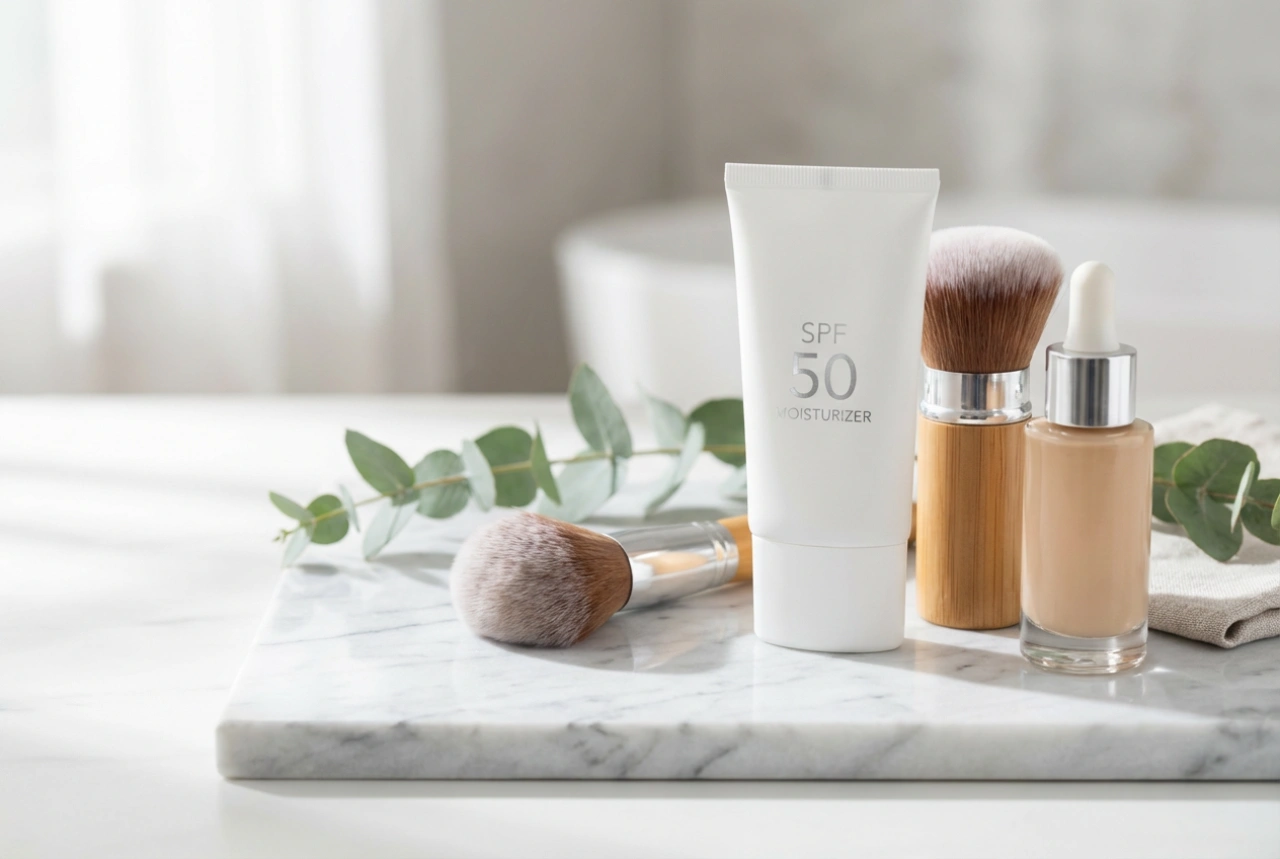
- SPF (Morning Routine): In the morning, always finish your routine with a broad-spectrum sunscreen with an SPF of 30 or higher. This protects your skin from UV damage, which is a leading cause of dehydration and premature ageing.
Common Mistakes to Avoid When Using PGA
To get the most out of your polyglutamic acid serum, be mindful of these common errors. Avoiding them will ensure you experience the intended benefits without any frustrating side effects.
Mistake 1: Applying it to completely dry skin
Like many humectants, PGA works best when it has moisture to hold onto. Applying it to bone-dry skin, especially in a low-humidity environment, can be less effective. For best results, always apply it to skin that is slightly damp from cleansing or a hydrating toner. This gives the PGA an immediate reservoir of water to bind to the skin's surface.
Mistake 2: Skipping moisturiser afterwards
This is perhaps the most critical mistake. Because PGA forms a film on the surface, you need to seal that film. Without a more occlusive layer (like a cream or lotion) on top, the moisture PGA has gathered can eventually evaporate, potentially leaving your skin feeling even drier than before. Think of your moisturiser as the final step that locks the door on dehydration.
Mistake 3: Incorrect layering order
As mentioned, layering PGA before other potent, water-based serums could potentially reduce their effectiveness. The film it creates might act as a barrier, preventing other ingredients from reaching the skin properly. Always treat it as a final serum step, just before your moisturiser, to create a hydrating "top coat" over your other treatments.
Mistake 4: Expecting it to do everything
Polyglutamic acid is a hydration specialist. It excels at plumping and smoothing the skin's surface. However, it is not designed to target concerns like hyperpigmentation, deep-set wrinkles, or loss of firmness. Manage your expectations and use it as part of a comprehensive routine that includes other active ingredients to address your specific skin goals.