

Gel manicures are celebrated for their durability, vibrant colour, and flawless finish that lasts for weeks. However, once the polish comes off, many of us are faced with nails that feel weak, thin, and brittle. This period after removing gel polish is a crucial time for care and regeneration. Giving your nails a well-deserved break and treating them to a gentle, nourishing routine can restore their natural strength and healthy appearance. This guide will walk you through the essential steps for at-home nail recovery, helping you bring them back to their best condition.
Why Do Nails Become Damaged After Gel Polish?
Understanding the cause of the damage is the first step towards effective care. The issue often lies not with the gel polish itself, but with the application and, more importantly, the removal process. Repeated use without breaks can also contribute to weakness. The main culprits are typically mechanical damage and dehydration. During removal, aggressive scraping with metal tools or over-zealous filing can strip away the top layers of the nail plate, leaving it thinner and more susceptible to peeling and breakage. Furthermore, soaking fingertips in pure acetone, a common step in gel removal, is extremely dehydrating for both the nail plate and the surrounding skin and cuticles. When the nail loses moisture, it becomes less flexible and more prone to splitting.
A Gentle Nail Regeneration Routine
Patience and consistency are your greatest allies in nursing your nails back to health. This process won't happen overnight, but a dedicated daily routine will yield visible results. Focus on nourishing, protecting, and being gentle with your hands.
1. Shorten and Shape Carefully
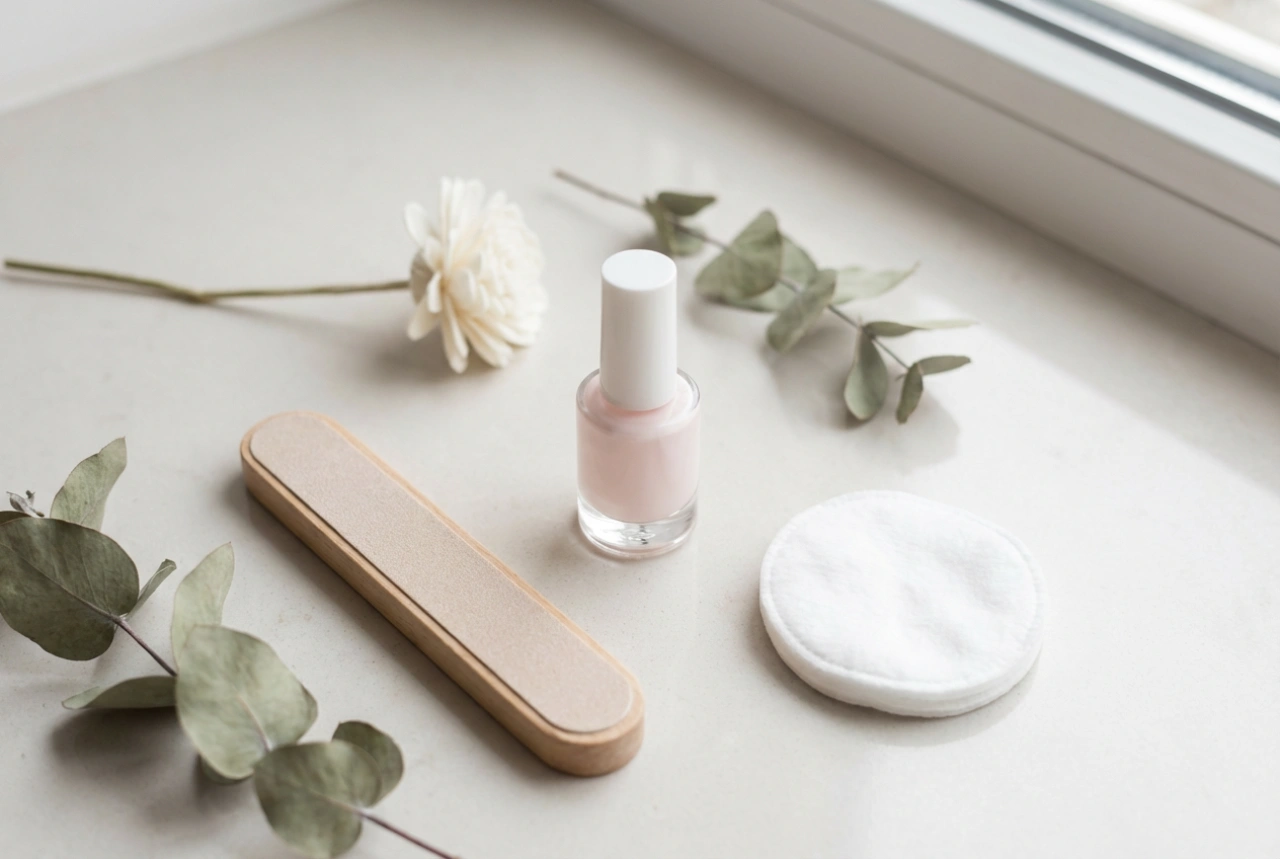
Long, weak nails are more likely to snag and break, which can set back your recovery progress. Start by trimming them to a manageable, short length. When shaping, opt for a high-grit buffer or a glass nail file. These are much gentler on the nail edge than coarse emery boards. File in one direction only, moving from the side of the nail towards the centre. Avoid a back-and-forth sawing motion, which can create micro-fissures and lead to peeling.
2. Prioritise Hydration and Nourishment
This is the most critical step in restoring your nails. Dehydrated nails are brittle nails. Make it a habit to moisturise them multiple times a day.
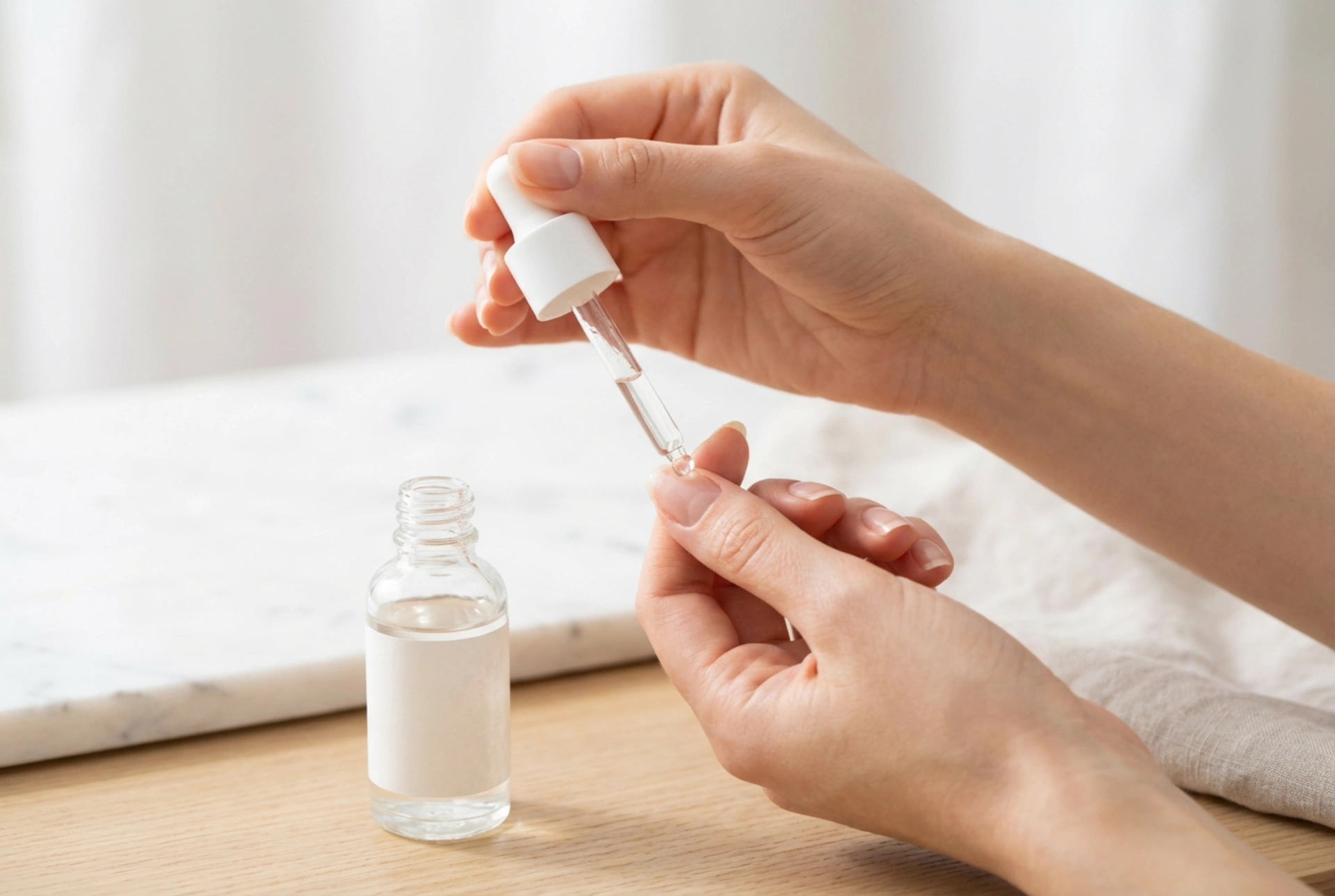
- Cuticle Oil: A high-quality cuticle oil is non-negotiable. Look for formulas rich in nourishing ingredients like jojoba oil, vitamin E, or sweet almond oil. Massage a drop into each cuticle and over the entire nail plate at least twice a day, especially before bed. This will hydrate the nail, soften the cuticles, and promote healthier growth from the matrix (the area where your nail grows from).
- Nail Serum or Cream: For an intensive treatment, consider a nail-strengthening serum or cream. These products are often formulated with ingredients like keratin, biotin, or peptides that help to reinforce the nail structure. Apply it to clean, bare nails as directed, allowing it to fully absorb.
3. Protect Your Hands and Nails
Your recovering nails need to be shielded from further stress. Everyday chores can be surprisingly harsh. Always wear rubber gloves when washing dishes, cleaning with detergents, or doing any wet work. This prevents water and chemicals from stripping away natural oils and the nourishing products you've applied. Also, be mindful not to use your nails as tools to scrape labels, open cans, or type aggressively on a keyboard. Treat them with care, and they will thank you for it.
Common Mistakes to Avoid During Nail Recovery
Just as important as what you do is what you avoid doing. Steer clear of these common pitfalls to ensure your regeneration journey is a success.
- Aggressive Buffing: It might be tempting to buff the surface of your nails to make them look smoother, but this only removes more layers of an already thinned nail plate. Resist the urge completely while your nails are recovering.
- Applying New Polish Too Soon: Give your nails a complete break from all types of polish, including regular nail varnish. The chemicals in polish and removers can be drying and counterproductive to the healing process. Let them breathe and absorb the oils and serums you are applying.
- Peeling or Picking: If you notice layers of your nail peeling, do not pick or peel them off. This will only cause further damage and create an uneven surface. Instead, very gently smooth the edge with a soft file and apply extra oil.
- Forgetting About Diet: While topical care is essential, nail health also comes from within. Ensure you are eating a balanced diet rich in vitamins and minerals. Foods containing biotin (eggs, nuts), zinc (seeds, legumes), and protein are beneficial for building strong keratin, the primary component of your nails.
By following this gentle routine and avoiding common mistakes, you can effectively restore your nails' strength and resilience. Embrace the look of your natural, healthy nails and enjoy the process of caring for them. Before you know it, they will be strong enough for your next colourful manicure, should you choose to have one.