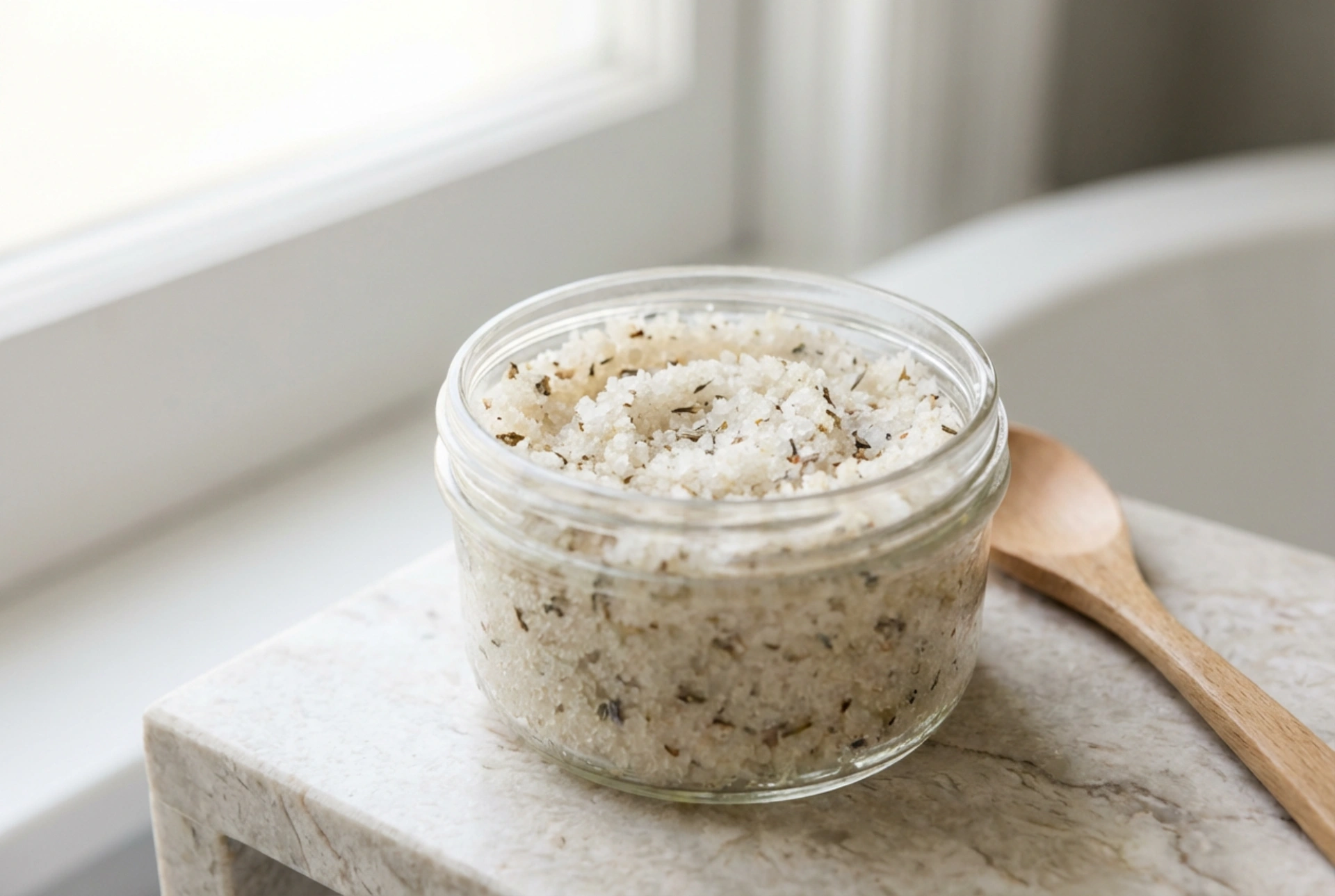


Achieving soft, radiant skin is a common goal in any body care routine, and one of the most effective ways to attain it is through regular exfoliation. A good quality body scrub, like the one hinted at by its pure and textured appearance in a jar, can transform your skin from dull and rough to smooth and glowing. Understanding the fundamentals of how to use it—from choosing the right type to mastering the technique—is key to unlocking its full potential without causing irritation. This guide will walk you through the essentials of body exfoliation for healthy-looking skin.
Why is Body Exfoliation a Crucial Step?
Our skin naturally sheds dead cells in a process called desquamation. However, this process can slow down due to age, environmental factors, and lifestyle, leading to a build-up of dead skin on the surface. This can cause the skin to look dull, feel rough, and even lead to clogged pores. Regular exfoliation helps to manually remove this build-up, revealing the fresher, newer skin underneath. The benefits are numerous: it improves skin texture, making it feel softer and smoother; it allows moisturisers and body lotions to penetrate more deeply and work more effectively; and it creates a perfect canvas for treatments like self-tanners, ensuring a more even application.
Choosing the Right Exfoliator for Your Skin
Not all body scrubs are created equal. The type of abrasive particle used determines the intensity of the exfoliation. Choosing one that suits your skin's needs is vital to avoid sensitivity or micro-tears. The formulas are typically suspended in a nourishing base of oils or butters to hydrate the skin simultaneously.
Sugar-Based Scrubs
Sugar crystals are a popular choice for exfoliants because they are natural humectants, meaning they draw moisture from the environment into the skin. They are generally gentler than salt scrubs because the crystals are rounder and dissolve as you use them, which prevents over-exfoliation. This makes them an excellent option for most skin types, including those with more sensitive skin.
Salt-Based Scrubs
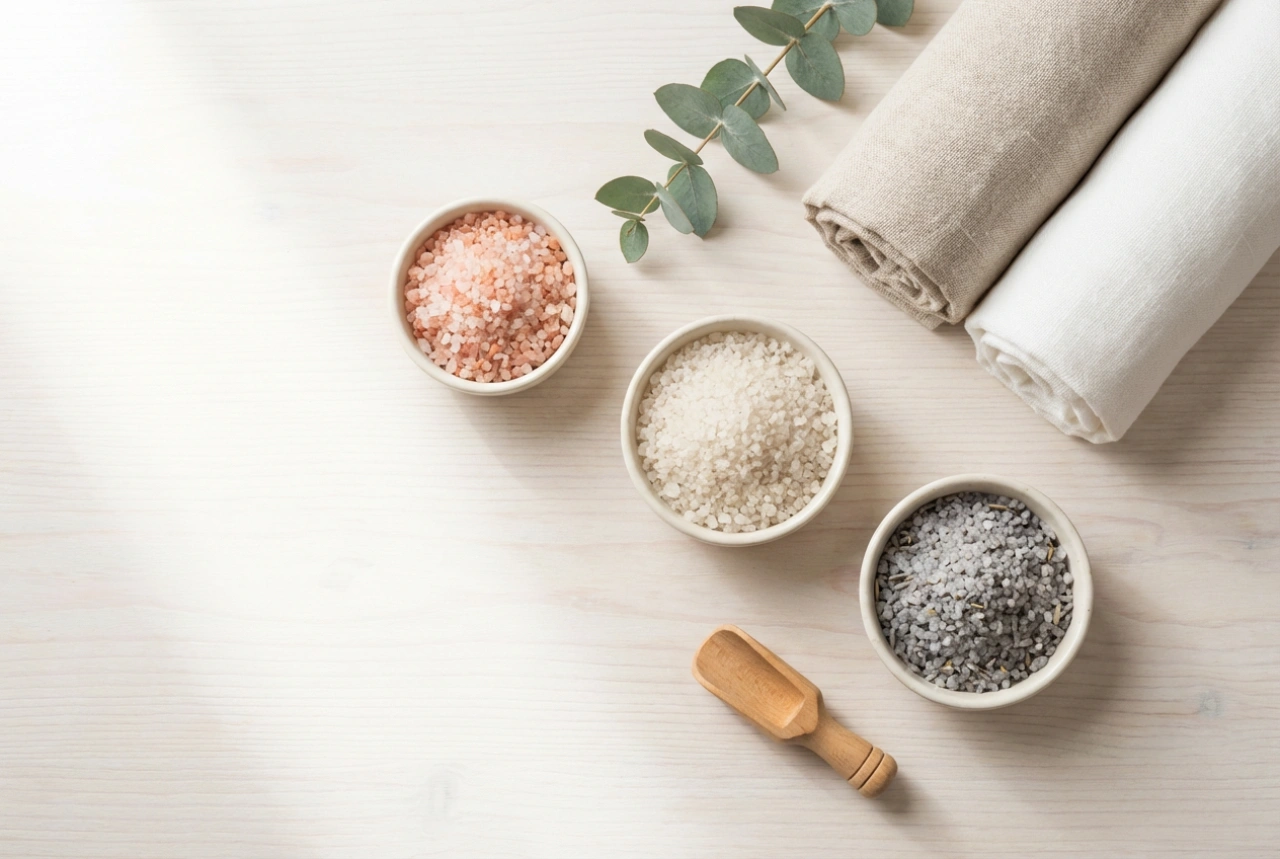
Salt scrubs tend to have larger, more angular granules, providing a more vigorous scrub. They are particularly effective for tackling very rough and dry patches, such as on the feet, elbows, and knees. Many types of salt also contain minerals that can have a purifying effect on the skin. Due to their intensity, they are best suited for normal to oily skin types and should be used with a gentle touch.
Coffee-Based Scrubs
Ground coffee is another popular natural exfoliant. The texture of the grounds is effective at sloughing away dead skin, and the caffeine content is known to have a temporary tightening and energising effect on the skin's appearance. The invigorating aroma also adds a stimulating sensory element to your shower routine.
How to Exfoliate Your Body: A Step-by-Step Guide
The technique you use is just as important as the product itself. Proper application ensures you get all the benefits without causing harm. Follow these steps for an effective and safe exfoliation session:
- Step 1: Wet Your Skin. Start your exfoliation in the bath or shower. Warm water helps to soften the skin and open up the pores, preparing it for the scrub.
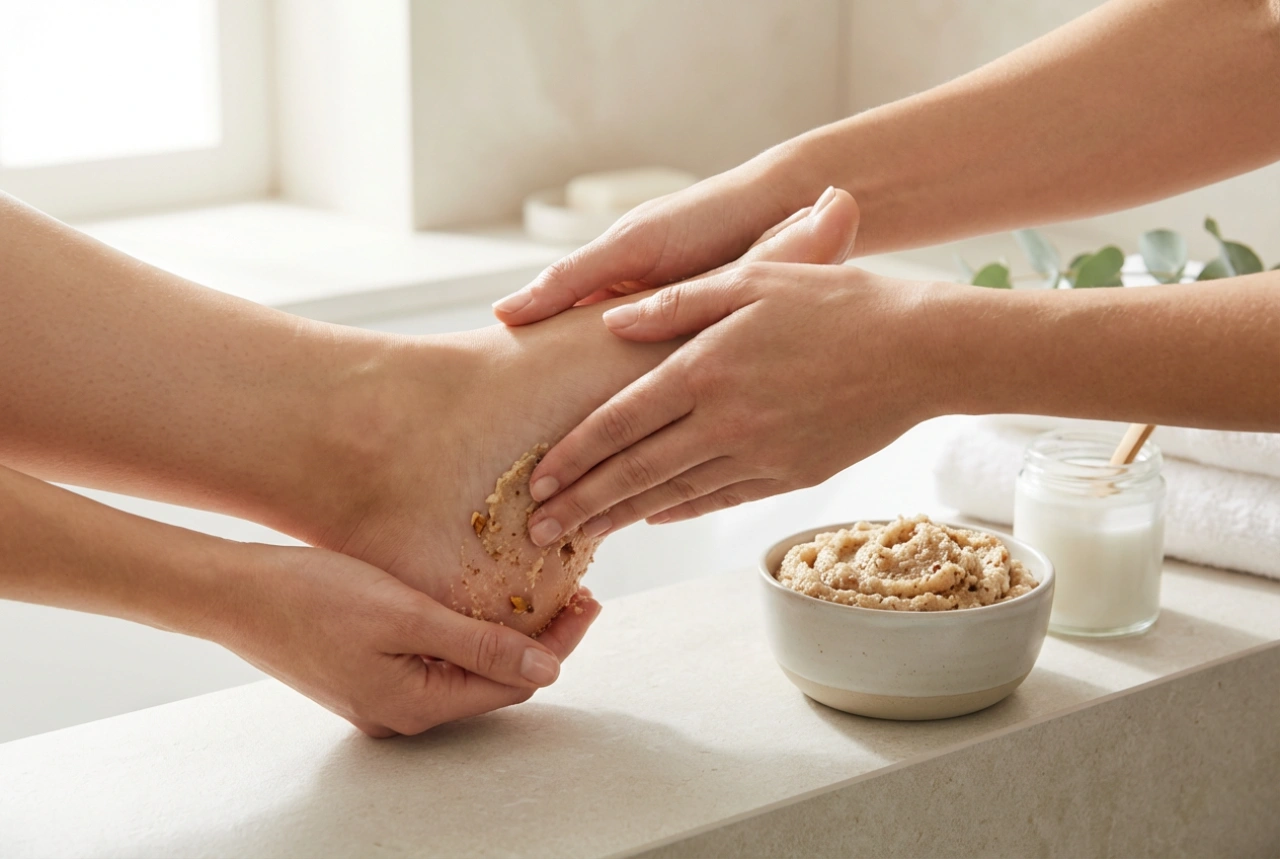
- Step 2: Apply the Scrub. Take a generous amount of your chosen body scrub and begin applying it to your skin. It's often best to start from your feet and work your way up your body towards your heart, which can help stimulate circulation.
- Step 3: Massage Gently. Using firm but gentle pressure, massage the scrub into your skin in circular motions. This motion is less abrasive than scrubbing back and forth.
- Step 4: Focus on Rough Areas. Spend a little extra time on areas that tend to be rougher, like your knees, elbows, and the heels of your feet. Be careful not to apply too much pressure.
- Step 5: Be Cautious with Sensitive Zones. Use a much lighter touch on more delicate areas, such as your chest, neck, and stomach. Avoid any areas with broken skin, sunburn, or irritation.
- Step 6: Rinse Thoroughly. Once you have exfoliated your entire body, rinse all the product off with warm water.
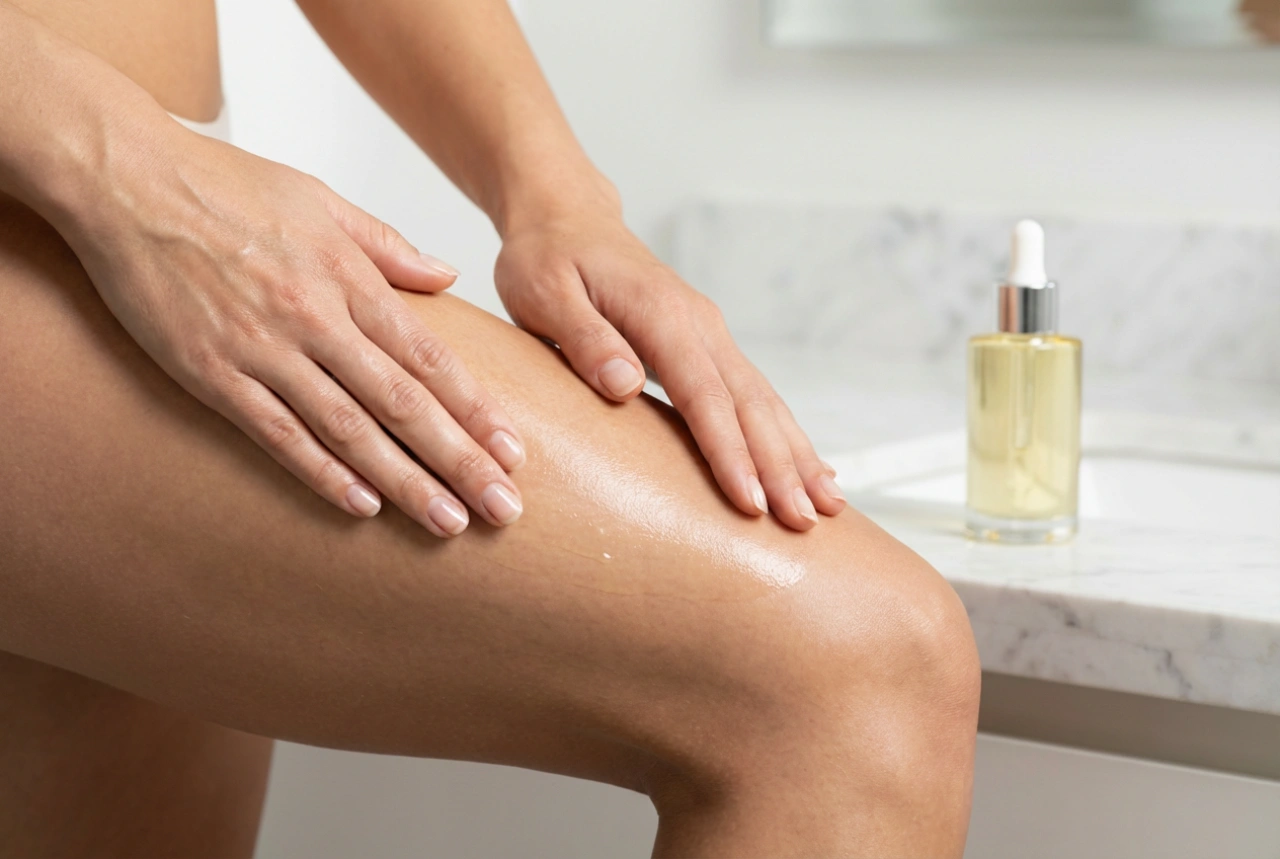
- Step 7: Moisturise Immediately. After patting your skin dry with a towel, apply a hydrating body lotion, cream, or oil. Your skin is now perfectly prepped to absorb moisture, so this step is crucial for locking in hydration and keeping your newly revealed skin soft and supple.
How Often Should You Exfoliate?
The ideal frequency for body exfoliation depends on your skin type and the product you're using. A general guideline is one to three times per week. If you have sensitive or very dry skin, once a week is often sufficient. Those with oily or normal skin might find they can exfoliate two or three times a week. It's important to listen to your skin. If you notice any redness, persistent sensitivity, or dryness, you may be over-exfoliating and should reduce the frequency. Remember, the goal is to support your skin's natural renewal process, not to strip it.