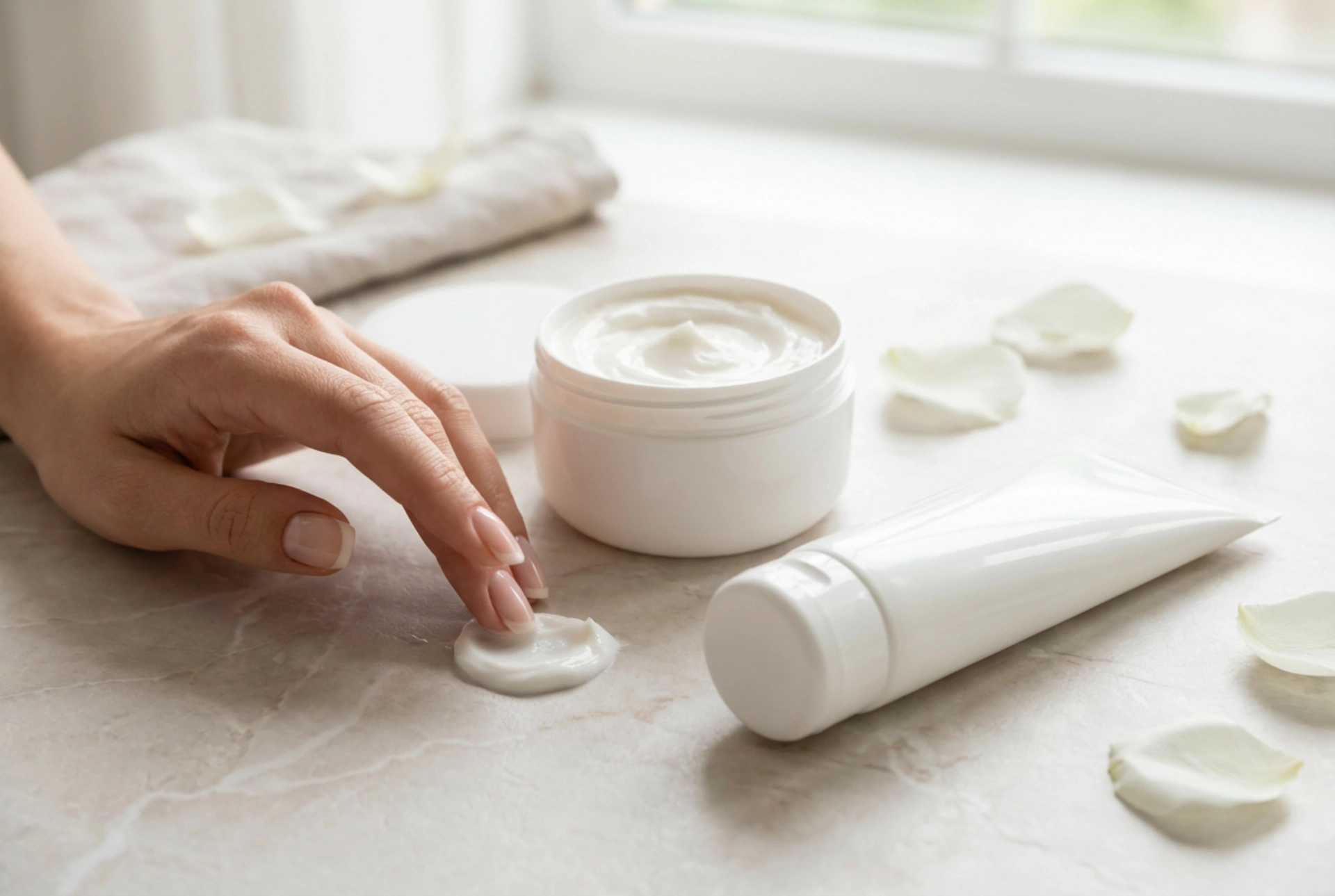


In the pursuit of soft, hydrated, and healthy-looking skin, navigating the body care aisle can sometimes feel overwhelming. Two staples you'll frequently encounter are body cream and body balm. While both promise to deliver moisture, they are fundamentally different products designed for distinct purposes. Understanding their unique textures, formulations, and benefits is the key to choosing the perfect moisturiser for your skin's specific needs and achieving that coveted smooth feel.
What Is a Body Cream?
A body cream strikes a balance between hydration and nourishment. It's a versatile product that serves as a happy medium in the world of moisturisers, sitting comfortably between a lightweight lotion and a dense balm.
Composition and Texture
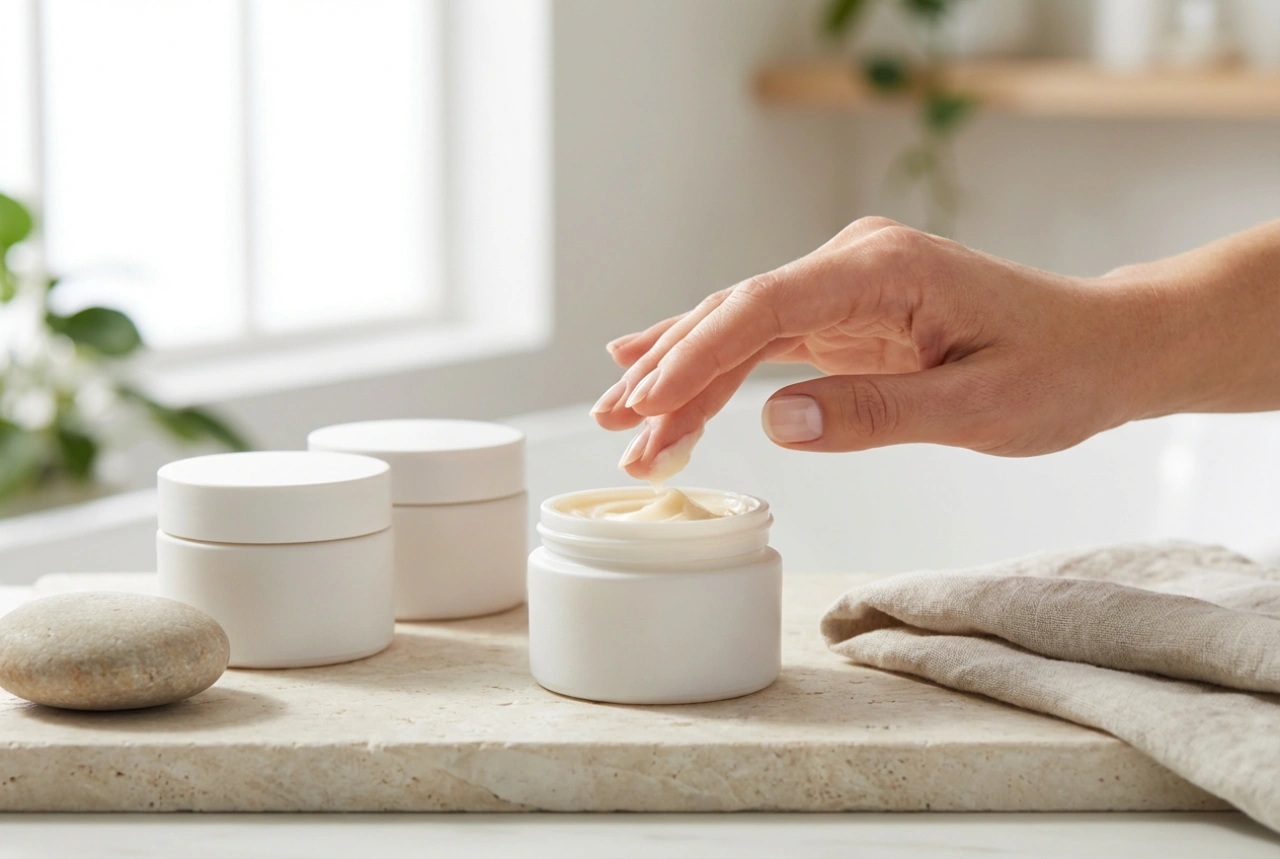
Body creams are emulsions of water and oil, typically with a roughly 50/50 split. This formulation gives them a thicker, richer consistency than lotions without feeling overly heavy or greasy. They spread easily across the skin and take a few moments to absorb fully, leaving behind a soft, protective layer. Due to their texture, they are most often packaged in jars or tubs, allowing for easy scooping.
When to Use a Body Cream
A body cream is an excellent choice for daily use, especially for those with normal to dry skin types. Its balanced formula provides more substantial and longer-lasting hydration than a lotion, making it particularly effective during colder months when the air is drier and skin loses moisture more rapidly. It's ideal for all-over application after a shower to lock in moisture and maintain skin suppleness throughout the day.
What Is a Body Balm?
A body balm is an intensive treatment product, designed to provide a powerful barrier and deep nourishment to the driest, most compromised areas of skin. Think of it as a rescue remedy for skin in need of serious help.
Composition and Texture
The primary characteristic of a body balm is its high concentration of oils and butters (like shea or cocoa butter) and a very low, if any, water content. Many balms are anhydrous, meaning they are water-free. This results in a very thick, dense, and often waxy or solid texture that melts upon contact with skin warmth. Balms are occlusive, meaning they form a protective seal over the skin's surface, which is highly effective at preventing water loss (Transepidermal Water Loss).
When to Use a Body Balm
Body balms are not typically intended for all-over daily use unless you have extremely dry skin. Their primary function is for targeted application. They work wonders on particularly rough or chapped areas such as elbows, knees, heels, and knuckles. A balm is also an excellent overnight treatment for hands and feet (wear cotton gloves or socks to enhance absorption) or as a protective barrier on exposed skin during harsh, windy, or freezing weather.
Key Differences at a Glance
To simplify the choice, here's a direct comparison between body cream and body balm:
- Water Content: Creams have a significant water component, which helps with hydration. Balms have very little to no water, focusing on sealing in existing moisture.
- Texture: Creams are thick and smooth, but spreadable. Balms are very dense, waxy, or semi-solid and become more malleable with body heat.
- Primary Function: A cream's main job is to moisturise and soften the skin. A balm's primary role is to protect, heal, and deeply nourish by creating an occlusive barrier.
- Absorption: Creams absorb relatively well, leaving a soft finish. Balms are designed to sit on top of the skin for longer, providing a lasting protective layer.
- Best For: Creams are ideal for daily hydration for normal to dry skin. Balms are best for spot-treating very dry, chapped patches and providing intense protection.
How to Apply Body Moisturisers for Best Results
The effectiveness of your chosen product also depends heavily on how you apply it. Following a few simple steps can dramatically improve the results you see.
Apply to Damp Skin
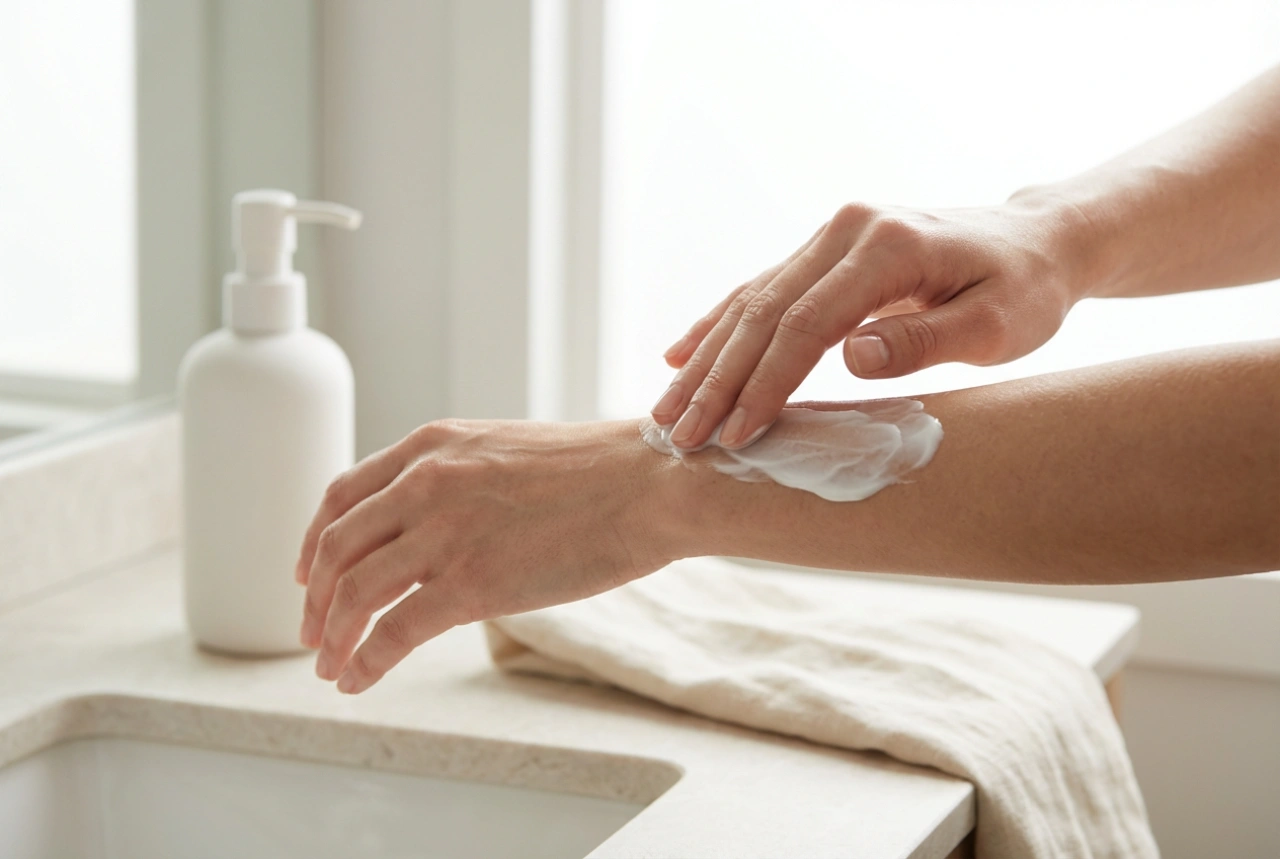
The golden rule of moisturising is to apply your product to slightly damp skin. The best time is within a few minutes of stepping out of the bath or shower. Pat your skin gently with a towel, leaving it a little moist. Applying cream or balm now helps to trap that surface water, pulling it into the skin for enhanced hydration.
Warm the Product First
This is especially important for body balms. Scoop a small amount and warm it between your palms. This melts the butters and oils, making the product much easier to spread and helping it to penetrate the skin more effectively.
Use Gentle, Massaging Motions
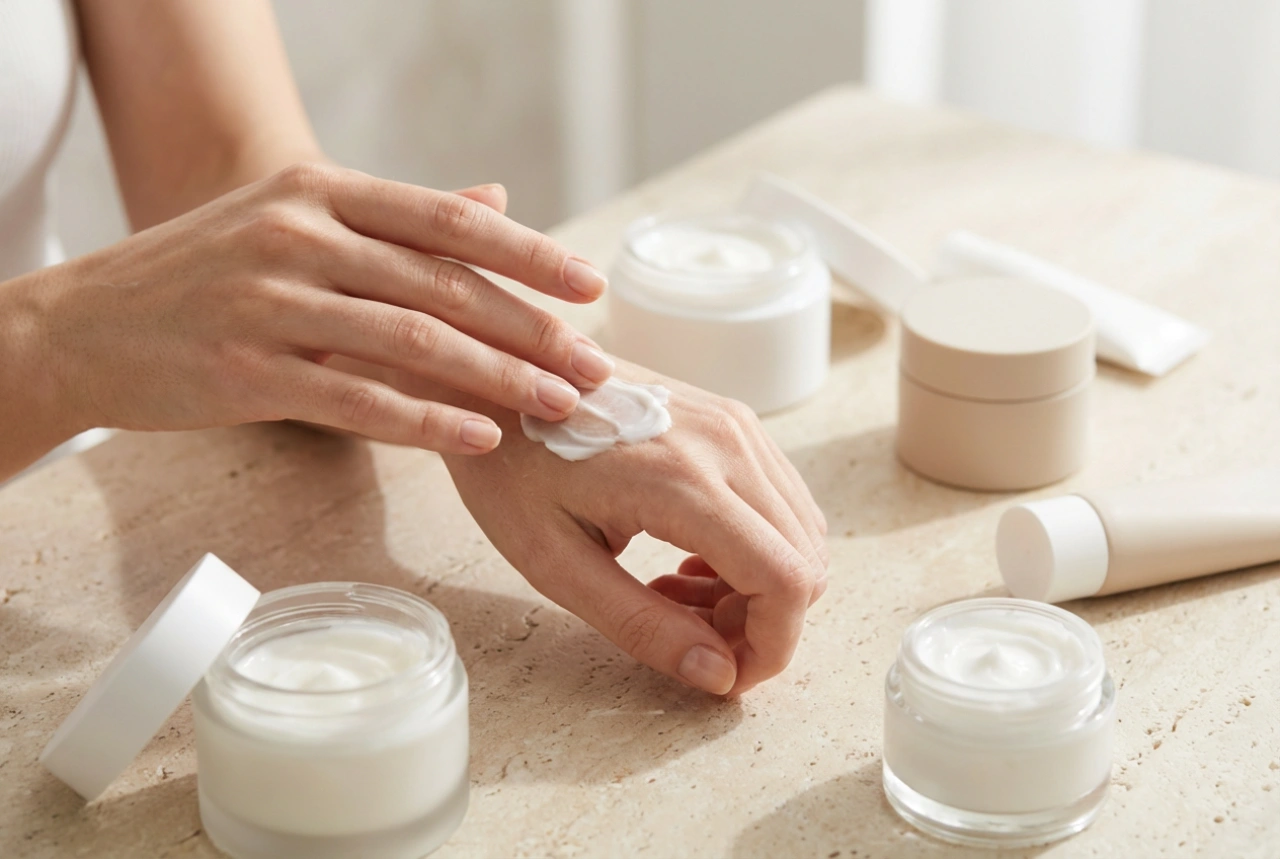
Apply your moisturiser using gentle, upward circular motions. This not only ensures even coverage but also helps to stimulate circulation. Pay extra attention to areas that tend to be drier, like your legs, arms, elbows, and knees. Don't rush the process; take a moment to enjoy the ritual of caring for your body. The choice between a body cream and a body balm ultimately comes down to your skin's current condition and your personal preferences. Many people find it beneficial to have both in their collection, using a cream for daily, all-over moisture and a balm as a targeted treatment when and where it's needed most.