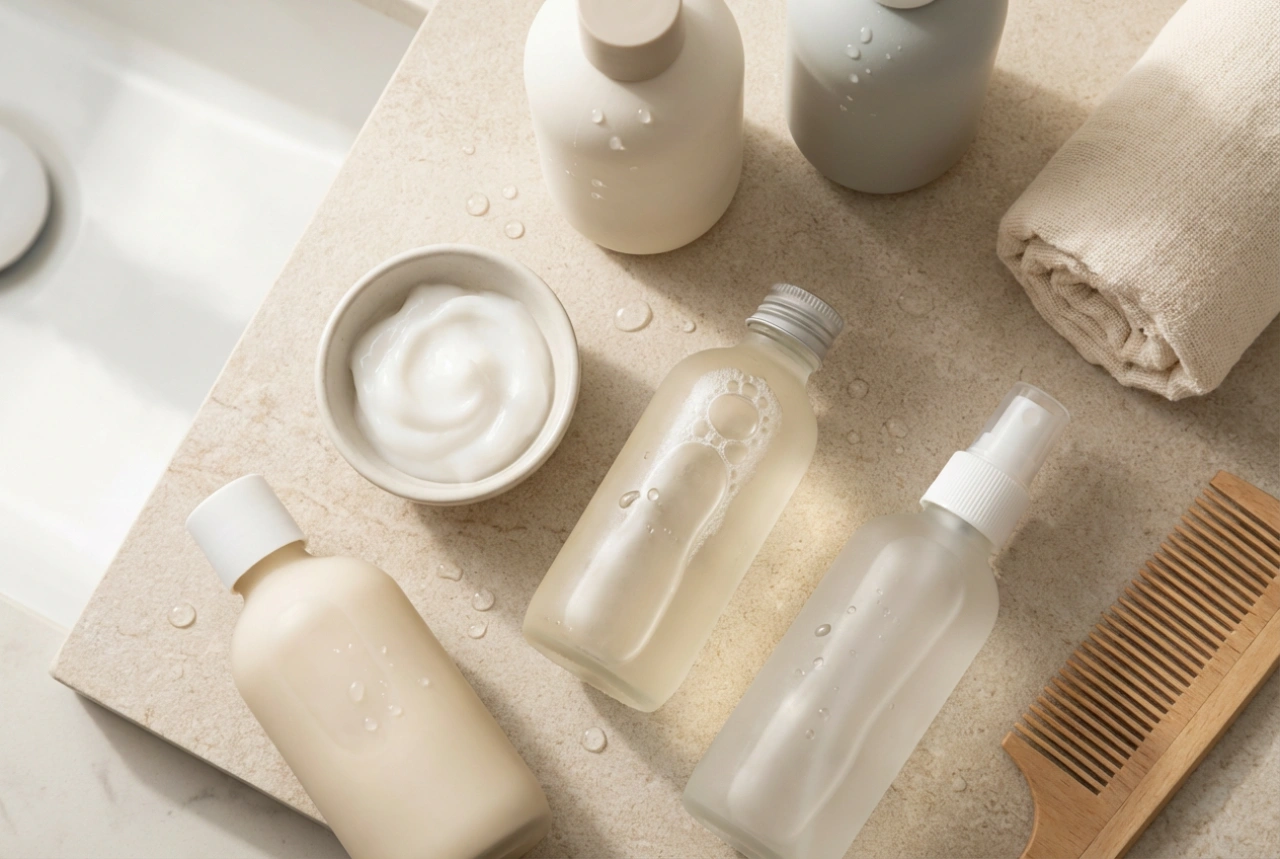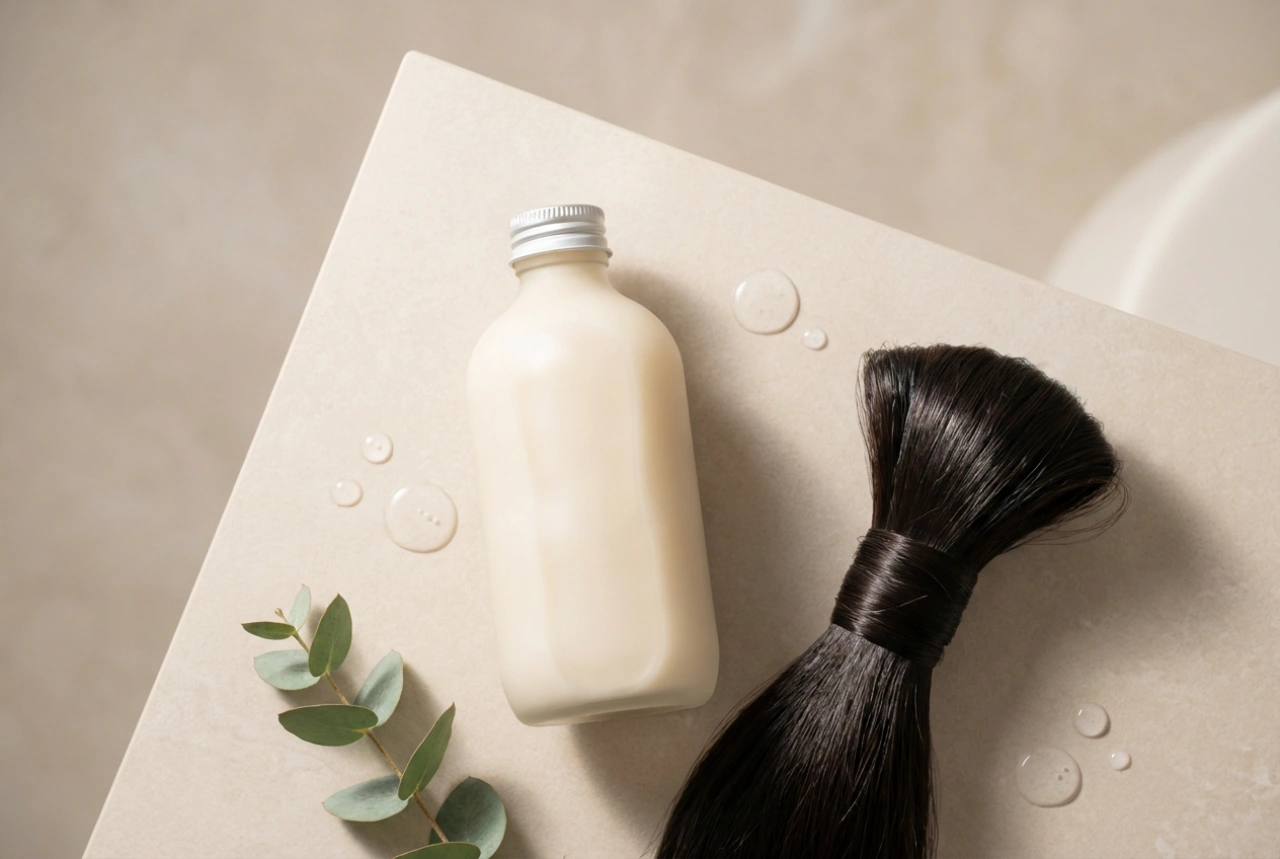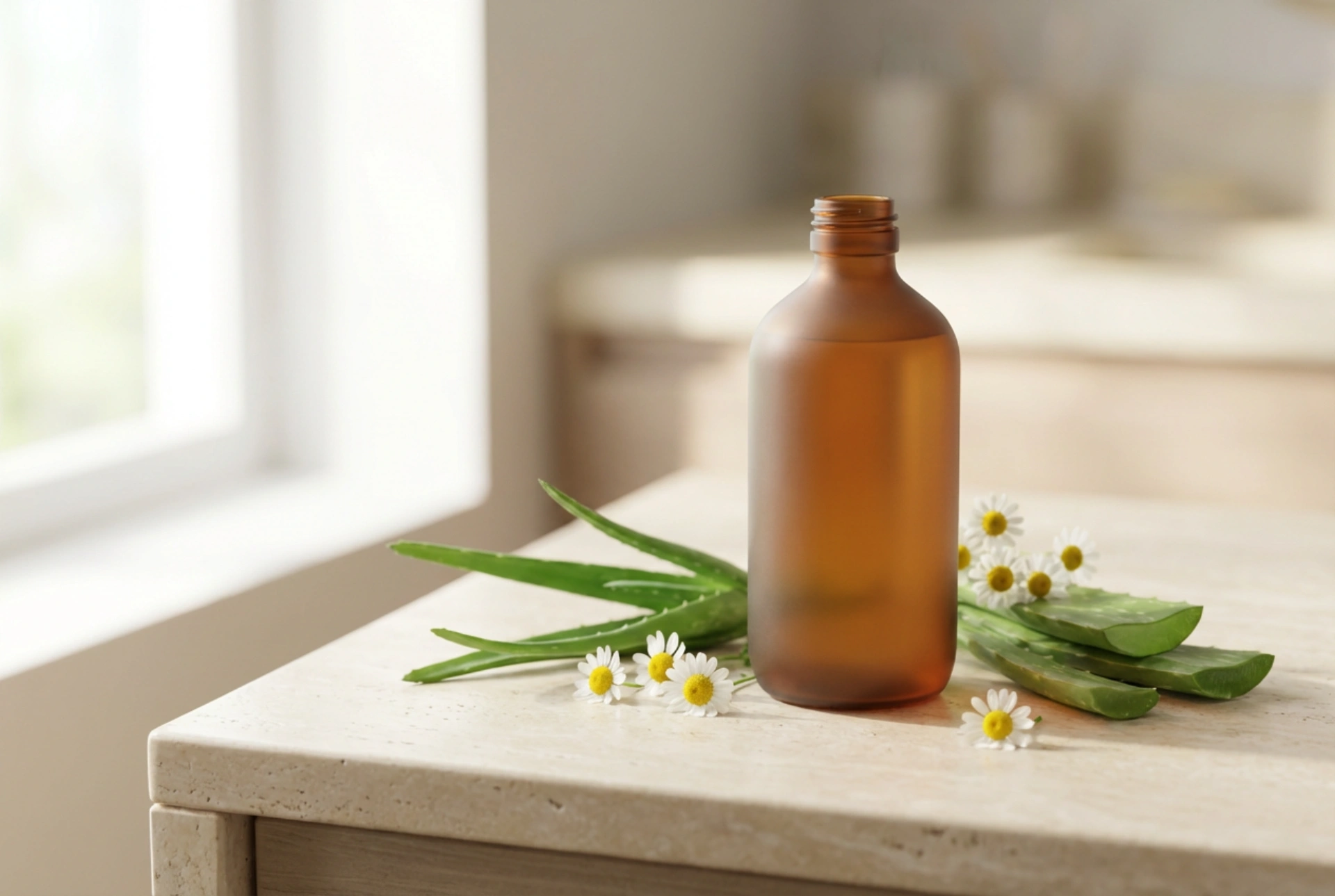


Achieving a calm, balanced scalp and healthy-looking hair is a common beauty goal. Often, the path to this is associated with gentle, nature-inspired care, as evoked by the serene image of aloe vera and chamomile. If you're dealing with the appearance of a flaky scalp, you might think harsh solutions are necessary, but a milder, more considered approach can be highly effective. Understanding which natural ingredients to look for and adopting the right washing technique can make a significant difference in managing scalp comfort and the cosmetic issue of flakiness.
Understanding the Causes of a Flaky Scalp
Before exploring solutions, it's helpful to understand what can lead to a flaky scalp from a cosmetic perspective. Flakes can appear for several reasons, which are not mutually exclusive. One common cause is a simple dry scalp, which lacks moisture and can feel tight and itchy, producing small, white flakes. On the other hand, an oily scalp can also produce flakes. In this case, an overproduction of natural oils (sebum) can lead to larger, yellowish, and more adherent flakes. Finally, the build-up of hair care products, infrequent washing, or inadequate rinsing can clog follicles and irritate the scalp, leading to flaking.
Key Gentle Ingredients in Natural Formulations
When selecting a shampoo to manage flakiness, focusing on gentle yet effective ingredients is crucial. Nature offers a wealth of botanicals that can help soothe, cleanse, and balance the scalp without causing irritation.
Soothing and Calming Botanicals
Ingredients known for their soothing properties are excellent for calming an irritated scalp. Look for formulations containing:
- Aloe Vera: Renowned for its hydrating and soothing properties, aloe vera helps to moisturise a dry scalp and calm feelings of itchiness.
- Chamomile: Much like the tea, chamomile extract in hair care is prized for its gentle, anti-inflammatory properties that can help soothe a sensitive scalp.
- Calendula: This plant extract is another powerful soothing agent, often used in products for sensitive skin and scalps to reduce redness and discomfort.
Clarifying and Balancing Agents
To address flakiness related to oiliness or build-up, certain natural ingredients can help clarify and rebalance the scalp without being overly stripping.
- Tea Tree Oil: Known for its potent clarifying and purifying properties, tea tree oil can help maintain a clean scalp environment. It should always be used in a diluted form within a shampoo, as it is very strong.
- Willow Bark Extract: A natural source of salicylates, this extract provides very gentle exfoliation, helping to lift dead skin cells and prevent pore-clogging.
- Clay (Kaolin or Bentonite): These natural clays are excellent at absorbing excess sebum and impurities from the scalp, leaving it feeling fresh and clean.
The Correct Hair Washing Technique to Manage Flakes
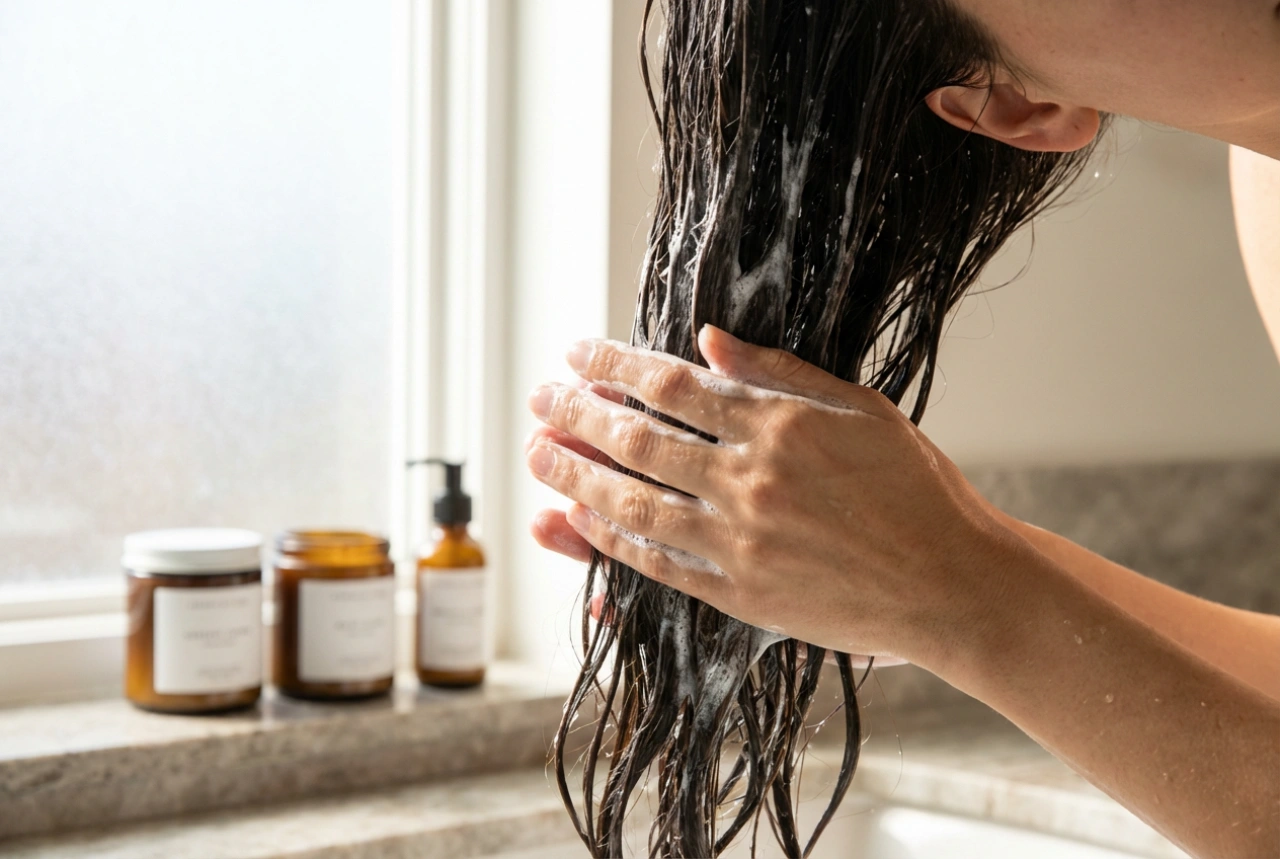
How you wash your hair is just as important as the products you use. An improper technique can worsen dryness or fail to remove build-up effectively. Follow these steps for a scalp-friendly wash routine:
- Use Lukewarm Water: Hot water can strip the scalp of its natural oils, leading to dryness and irritation. Always opt for lukewarm water for washing and a cool rinse at the end to help seal the hair cuticle.
- Focus on the Scalp: Apply shampoo directly to your scalp, not the lengths of your hair. The lather that rinses down is sufficient to clean the rest of your hair.
- Massage Gently: Use your fingertips (not your nails) to massage the shampoo into your scalp with gentle, circular motions. This helps to loosen flakes and stimulate circulation without causing abrasion or damage.
- Allow Time to Work: Let the shampoo sit on your scalp for a minute or two before rinsing. This gives the active ingredients time to perform their function, whether it's soothing, moisturising, or clarifying.
- Rinse Thoroughly: One of the biggest culprits of scalp build-up is leftover product. Make sure you rinse your hair and scalp meticulously until the water runs completely clear.
- Condition aponas: Apply conditioner primarily to the mid-lengths and ends of your hair, avoiding the scalp, especially if you have an oily scalp. This prevents weighing the roots down and contributing to build-up.
Lifestyle Habits for a Healthier Scalp
Beyond your washing routine, a few simple habits can contribute to better scalp health. Regularly clean your hairbrushes and combs to avoid reintroducing oil and product build-up to your hair. Try to minimise the use of heavy styling products that can clog follicles. Lastly, a balanced diet and staying hydrated support overall skin health, which naturally includes the skin on your head. Consistency with a gentle, thoughtful hair care routine is the key to maintaining a comfortable, balanced, and flake-free scalp.