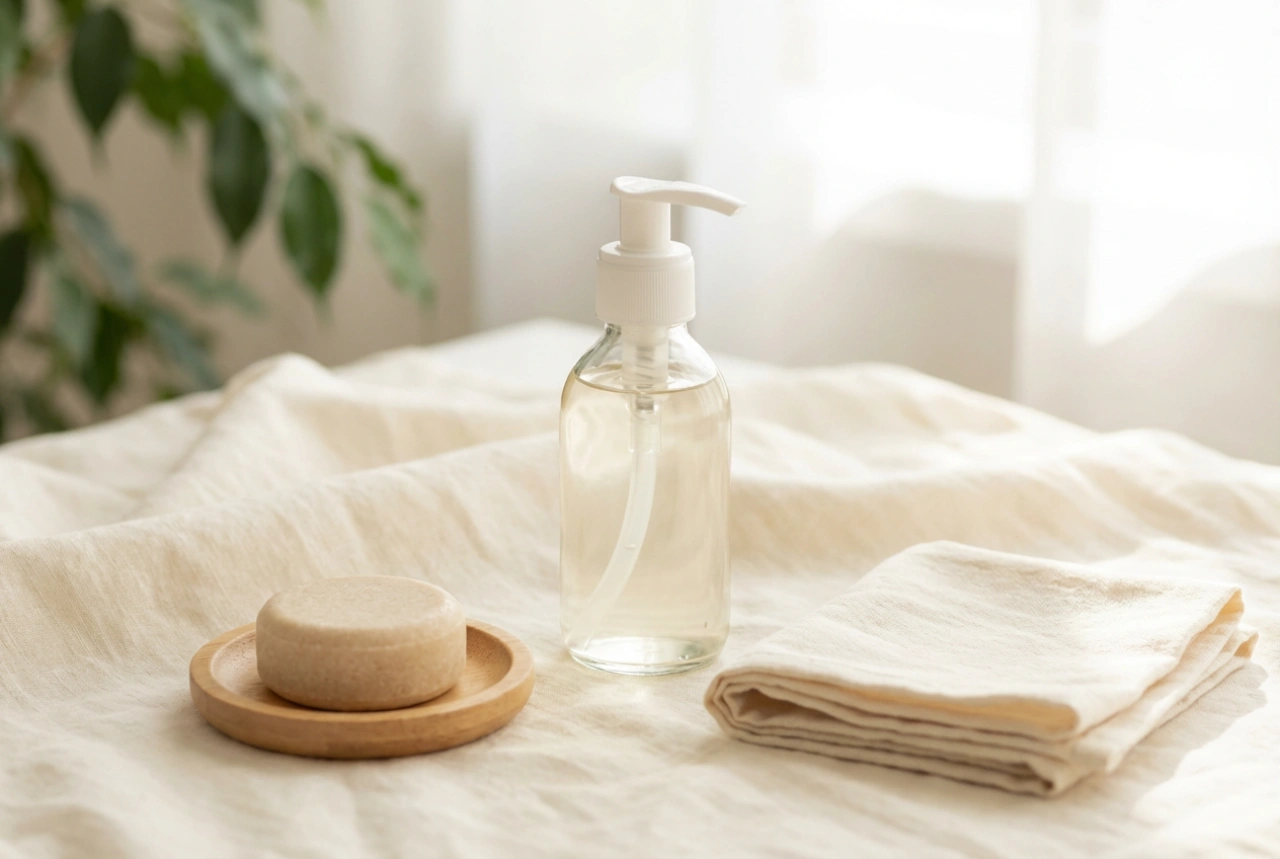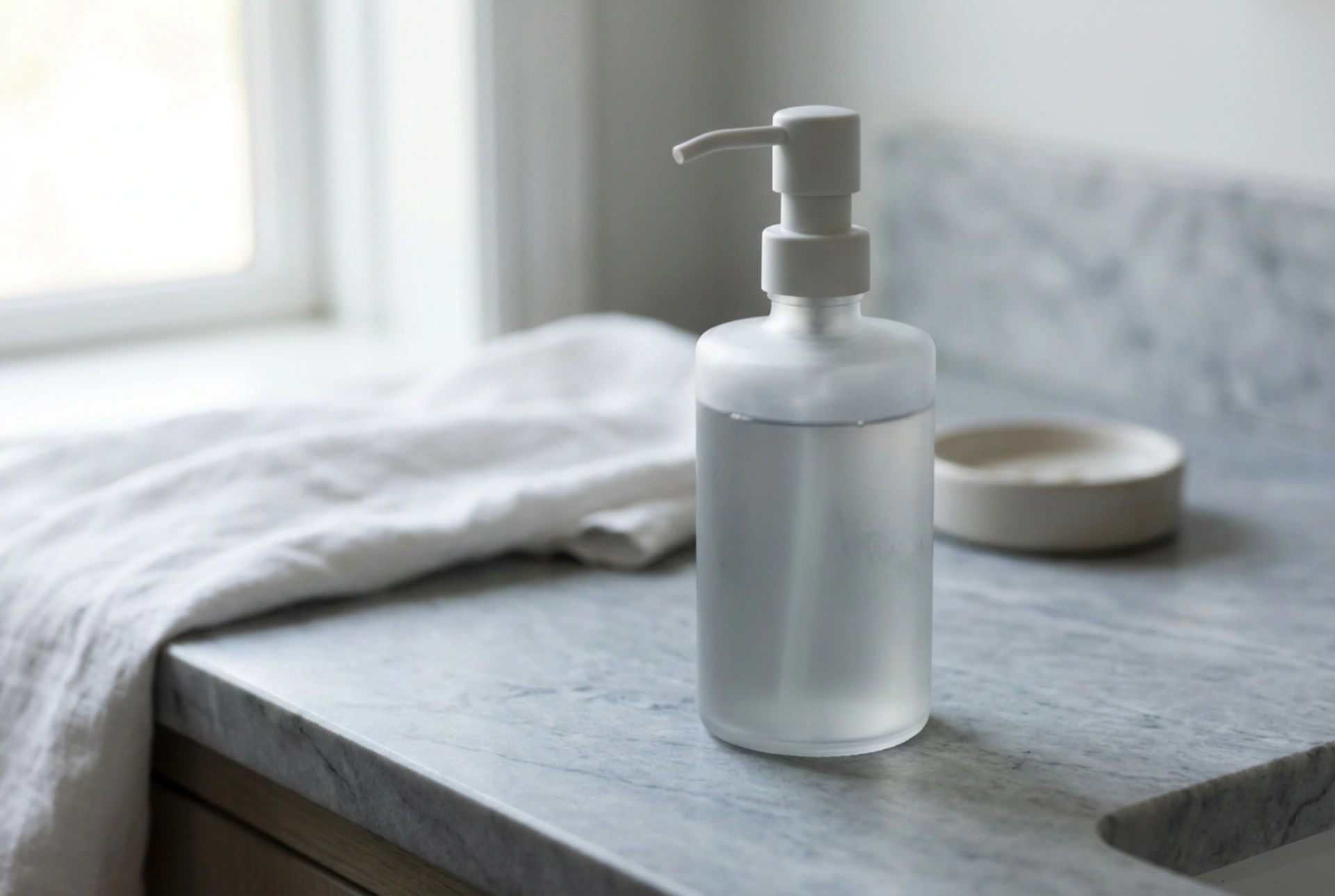


In a world of complex cosmetic formulas, there is a growing appreciation for simplicity and a return to traditional ingredients. One such classic, reimagined for modern convenience, is liquid grey soap. Known for its minimalist composition and versatile properties, this gentle cleanser fits perfectly into a sophisticated yet straightforward beauty routine. Its subtle appearance in a sleek pump bottle belies a host of uses that can benefit both skin and hair, making it a valuable addition to any bathroom cabinet.
What is Liquid Grey Soap?
Liquid grey soap, often referred to as potassium soap, is a natural cleansing agent with a long history. Unlike many modern bar soaps which are made with sodium hydroxide, traditional grey soap is created through a process involving potassium hydroxide and vegetable or animal fats. The liquid version maintains these core principles, typically using plant-based oils like sunflower or linseed oil. This results in a soap that is naturally soft, water-soluble, and biodegradable. Its characteristic greyish or brownish hue comes from the natural ingredients used, without the addition of artificial colourants. The primary appeal of liquid grey soap lies in its simple, short ingredient list, often free from synthetic fragrances, dyes, and preservatives that can irritate sensitive skin.
Everyday Cosmetic Uses
The gentle yet effective nature of liquid grey soap makes it suitable for various cosmetic applications, from daily cleansing to more specific treatments for skin and hair.
For Cleansing the Face and Body
Liquid grey soap is an excellent cleanser for daily use on the hands and body. Its natural formula effectively removes dirt and impurities without stripping the skin of its natural protective barrier. For those with combination or oily skin types, it can be particularly beneficial for facial cleansing. Its purifying properties help to remove excess sebum and leave the skin feeling fresh and balanced. When using it on the face, it's best to lather the soap in your hands first before gently massaging it onto damp skin, avoiding the eye area, and then rinsing thoroughly.
For Clarifying Hair
Occasionally, hair can become weighed down by the build-up of styling products, conditioners, and natural oils. Liquid grey soap can act as a powerful clarifying agent to deep-cleanse the scalp and hair strands. Because it is alkaline, it effectively opens up the hair cuticles to remove residue. It should be used as a periodic treatment rather than a daily shampoo. After washing with diluted grey soap, it's crucial to follow up with an acidic rinse (like a diluted apple cider vinegar solution) or a nourishing conditioner to seal the cuticles, restore the hair's natural pH, and ensure it remains smooth and manageable.
How to Use and Store Liquid Grey Soap Correctly
To get the most out of your liquid grey soap, proper application and storage are key. For general body washing, you can apply it directly to a loofah or sponge to create a rich lather. For facial use, a small amount is sufficient. For hair clarifying, it is recommended to dilute the soap with water (e.g., one part soap to three parts water) to make it easier to distribute and rinse out.
Important Considerations
- Patch Test: Before using it on your face or as a hair treatment for the first time, perform a patch test on a small area of skin (like behind the ear or on the inner arm) to ensure you do not have a reaction.
- Rinse Thoroughly: Always rinse your skin or hair thoroughly with lukewarm water after use to remove all traces of soap.
- Moisturise: While it is a gentle cleanser, some people, especially those with drier skin types, may find it slightly drying. Always follow up with your favourite moisturiser or body lotion.
Proper Storage
Storing liquid grey soap is straightforward. Keep it in its original, airtight pump bottle to protect it from contamination and prevent it from drying out. Store the bottle in a cool, dry place away from direct sunlight, as high temperatures and UV exposure can alter its consistency and effectiveness over time. A bathroom cabinet or shelf is an ideal location.