

Proper hand washing is a cornerstone of personal hygiene and plays a significant role in maintaining the health and appearance of our skin. While the primary goal is cleanliness, the process should also be a moment of care, leaving hands feeling fresh, soft, and comfortable, not tight and dry. Understanding which type of soap to use and when can make all the difference in achieving this balance.
What Defines an Antibacterial Soap?
At its core, soap works by helping to lift dirt and germs from the skin's surface so they can be washed away with water. Antibacterial soaps are formulated with additional ingredients that are intended to reduce the amount of certain bacteria on the skin. These products are designed to provide an extra level of cleansing beyond what standard soap offers. However, it's this enhanced cleansing action that sometimes leads to questions about their effect on skin hydration and whether they are necessary for everyday use.
When Might You Choose Antibacterial Soap?
While regular soap is highly effective for most daily situations, there are certain times when you might feel the need for a more thorough clean. These are typically occasions where you have been in contact with a higher concentration of germs or substances you'd prefer to wash off completely.
- After handling raw foods like meat or poultry in the kitchen.
- Following a trip on public transport or visiting crowded public places.
- After gardening or other activities involving contact with soil.
- When caring for someone who is feeling unwell at home.
In these specific instances, using an antibacterial soap can provide an added sense of security and cleanliness. For the rest of the time, such as washing hands before a meal at home or after minor tasks, a gentle, regular soap is often perfectly sufficient to keep hands clean.
How to Prevent Dryness When Using Antibacterial Soap
One of the most common concerns with antibacterial soaps is their potential to dry out the skin, especially with frequent use. The ingredients that target bacteria can sometimes strip the skin of its natural oils, leading to dryness, tightness, and even irritation. Fortunately, with the right technique and aftercare, you can minimise these effects and keep your hands soft and hydrated.
Correct Washing Technique
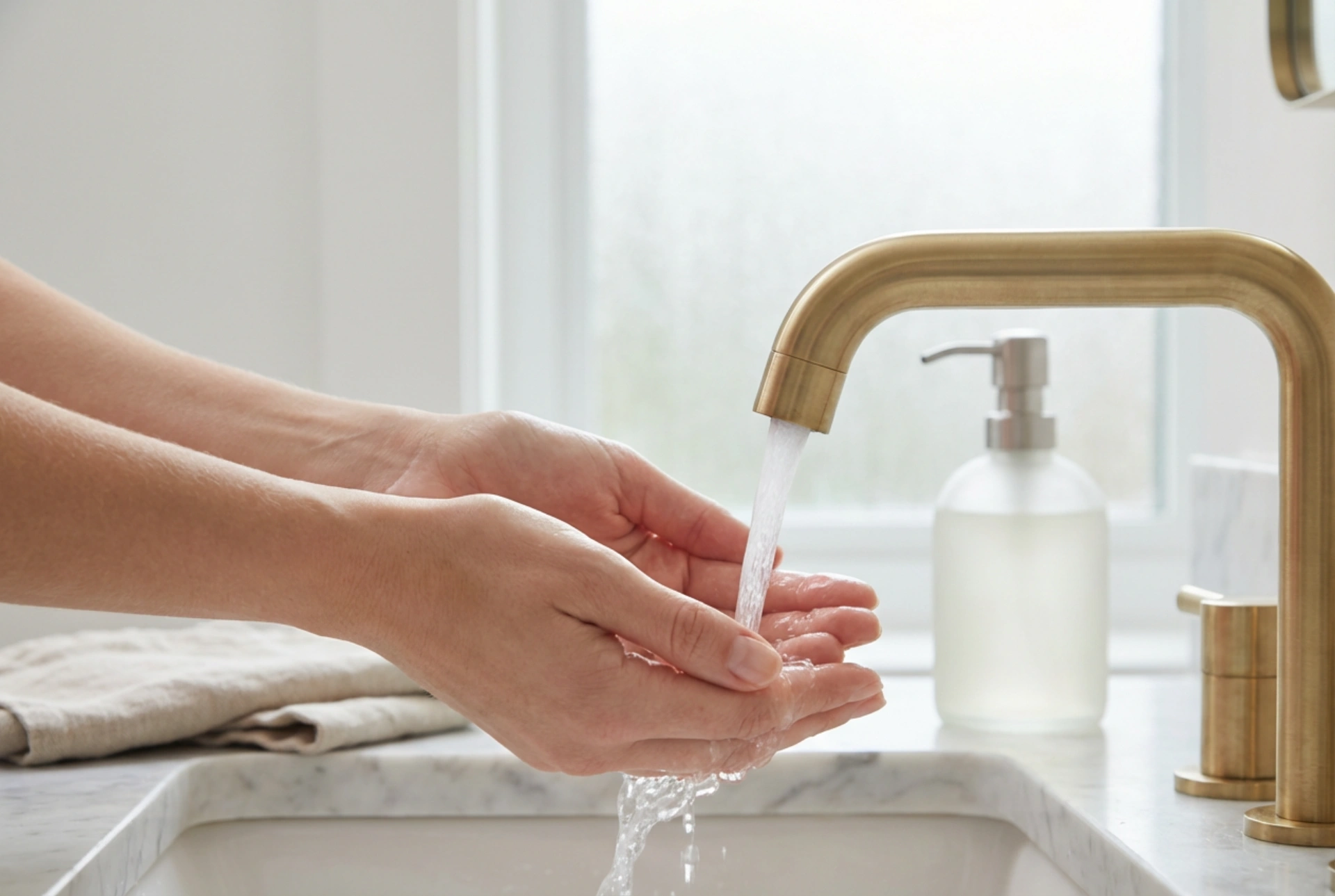
The way you wash your hands matters just as much as the product you use. Always use lukewarm water, as hot water can be harsh on the skin and strip away its natural moisture barrier. Lather the soap for at least 20 seconds, making sure to clean between your fingers, under your nails, and on the backs of your hands. Rinse thoroughly to ensure no soap residue is left behind, as this can also contribute to dryness. Afterwards, gently pat your hands dry with a clean towel instead of rubbing them vigorously.
The Crucial Role of Moisturising
This is the most important step in preventing dryness. Immediately after washing and drying your hands, apply a good-quality hand cream or lotion. This helps to lock in moisture and replenish any oils that were washed away. Look for moisturisers containing ingredients like ceramides, hyaluronic acid, shea butter, or glycerin. Making this a consistent habit will create a protective barrier that keeps your skin resilient and smooth.
Look for Soaps with Added Hydrators
Many modern antibacterial soaps are formulated with skin comfort in mind. When choosing a product, check the label for added moisturising ingredients. Formulations containing glycerin, aloe vera, vitamin E, or natural oils can help to counteract the drying effects of the cleansing agents, making the soap gentler on your skin from the start.
Alternatives for Everyday Hand Hygiene
It's important to remember that for the vast majority of daily handwashing needs, traditional soap and water are exceptionally effective. The mechanical action of rubbing your hands with soap and rinsing with water is what removes most of the germs and dirt. If you have sensitive skin or find that your hands become dry easily, sticking with a gentle, hydrating regular soap for most of the day and reserving antibacterial soap for specific situations is an excellent strategy. This approach provides effective hygiene without compromising your skin's natural moisture balance.