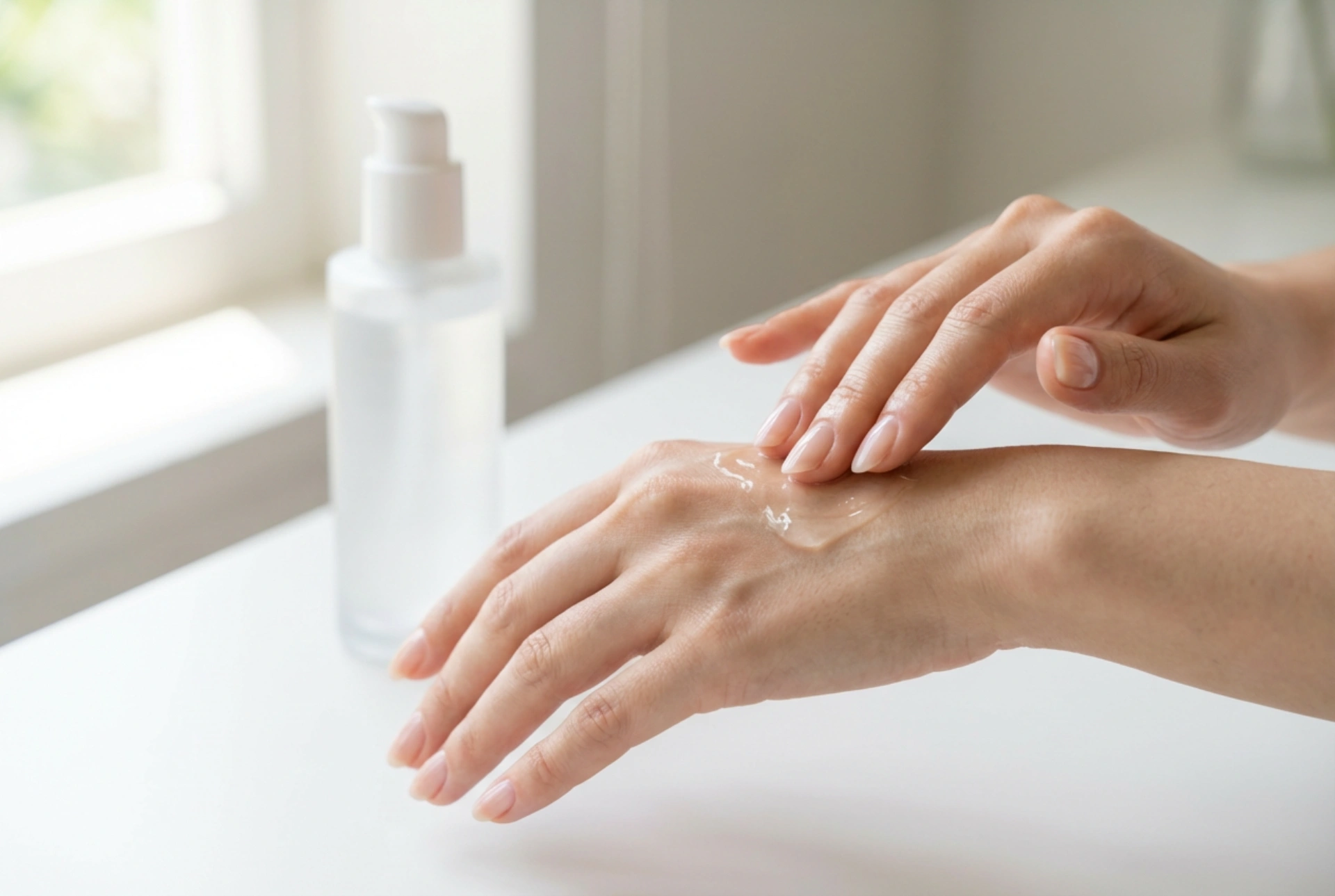


In our daily lives, maintaining hand hygiene is a cornerstone of personal care. While washing with soap and water is ideal, it's not always practical. This is where hand sanitisers come in, offering a convenient way to cleanse our hands on the go. As seen in the delicate act of massaging a sanitising gel into the skin, these products have become an indispensable part of our routines. However, their frequent use, especially those with a high alcohol content, can take a toll on our skin's health, leading to dryness and discomfort. Understanding how to choose the right product and complementing its use with a proper care routine is key to keeping your hands both clean and beautifully soft.
What to Look for in a Hand Sanitiser?
When selecting a hand sanitiser, the formulation is the most important factor to consider. The primary purpose of these products is effective cleansing, which is largely determined by their active ingredients. Look for products that contain an alcohol concentration of at least 60%. This level is widely considered effective for cleansing purposes. While alcohol is the key cleansing agent, it is also very drying. To counteract this, many modern formulations include beneficial skin-conditioning ingredients. Seek out sanitisers enriched with humectants and emollients like glycerin, aloe vera, panthenol (pro-vitamin B5), or vitamin E. These ingredients help to attract and lock in moisture, mitigating the stripping effect of the alcohol and leaving your hands feeling less tight and more comfortable after use.
Gel or Spray: Which Format Suits Your Lifestyle?
Hand sanitisers are most commonly available in two formats: gel and spray. Neither is inherently better than the other; the best choice often comes down to personal preference and specific needs. Both can be equally effective if they contain the right concentration of alcohol and are used correctly.
Hand Sanitiser Gels
Gels are the classic format and are favoured by many for their texture and control. A small, dollop-sized amount is typically easy to dispense without making a mess. The thicker consistency allows you to feel the product as you spread it, ensuring you cover your entire hand surface. Gels often contain a higher concentration of moisturising ingredients, giving them a more substantial, lotion-like feel. The main drawback is that some formulations can leave a slightly sticky residue if they don't absorb fully, and they generally take a few seconds longer to dry compared to sprays.
Hand Sanitiser Sprays
Sprays offer a lightweight, fast-absorbing alternative. The fine mist covers a large surface area quickly and tends to evaporate almost instantly, making it a great option for those who dislike any form of residue on their skin. The non-contact application is another plus. Sprays are also versatile; the fine mist can be used to quickly cleanse surfaces you frequently touch, such as keys or shopping trolley handles. On the downside, it can be tricky to ensure complete coverage on your hands with a spray, and there is a risk of inhaling some of the airborne particles. They also may not feel as moisturising as their gel counterparts.
The Correct Way to Apply Hand Sanitiser
Using a hand sanitiser effectively is about more than just a quick rub. To ensure you are cleansing your hands thoroughly, follow these simple steps, whether you are using a gel or a spray:
- Dispense an adequate amount of product into the palm of one hand. It should be enough to completely coat both of your hands. For gels, this is usually a coin-sized amount; for sprays, it's typically 2-3 pumps.
- Rub your hands together, palm to palm.
- Interlace your fingers and rub the palms together to clean the spaces in between.
- Rub the back of each hand with the palm of the other hand, with fingers interlaced.
- Don't forget your thumbs. Clasp your left thumb in your right palm and rub in a rotational motion, then switch hands.
- Rub the tips of your fingers on the palm of the opposite hand to clean under your nails.
- Continue rubbing your hands together until the sanitiser has completely dried. This should take around 20-30 seconds. Do not wipe your hands or rinse them with water afterwards.
Essential Hand Care When Using Sanitisers
The very ingredient that makes sanitisers effective—alcohol—can disrupt your skin's natural moisture barrier. Over time, this can lead to dryness, flakiness, redness, and even fine cracks, making your hands look aged and feel uncomfortable. To prevent this, integrating a dedicated hand care routine is not just a recommendation; it's a necessity. The goal is to replenish the moisture and lipids that have been stripped away. After the sanitiser has fully dried on your skin, it's the perfect time to apply a nourishing hand cream. Make this a regular habit throughout the day. Look for creams with restorative ingredients such as shea butter, cocoa butter, ceramides, hyaluronic acid, and natural oils like jojoba or almond oil. For an intensive overnight treatment, apply a thick layer of a rich hand balm or cream and wear a pair of cotton gloves to bed. This locks in the moisture and allows the ingredients to work deeply, helping you wake up with noticeably softer, smoother hands.
Finally, remember that sanitiser is for when you can't wash. When you do have access to a sink, wash your hands with a gentle, hydrating soap and lukewarm—not hot—water, as hot water can further strip the skin of its natural oils. Pat your hands dry gently with a soft towel and immediately apply your favourite hand cream to seal in the hydration.