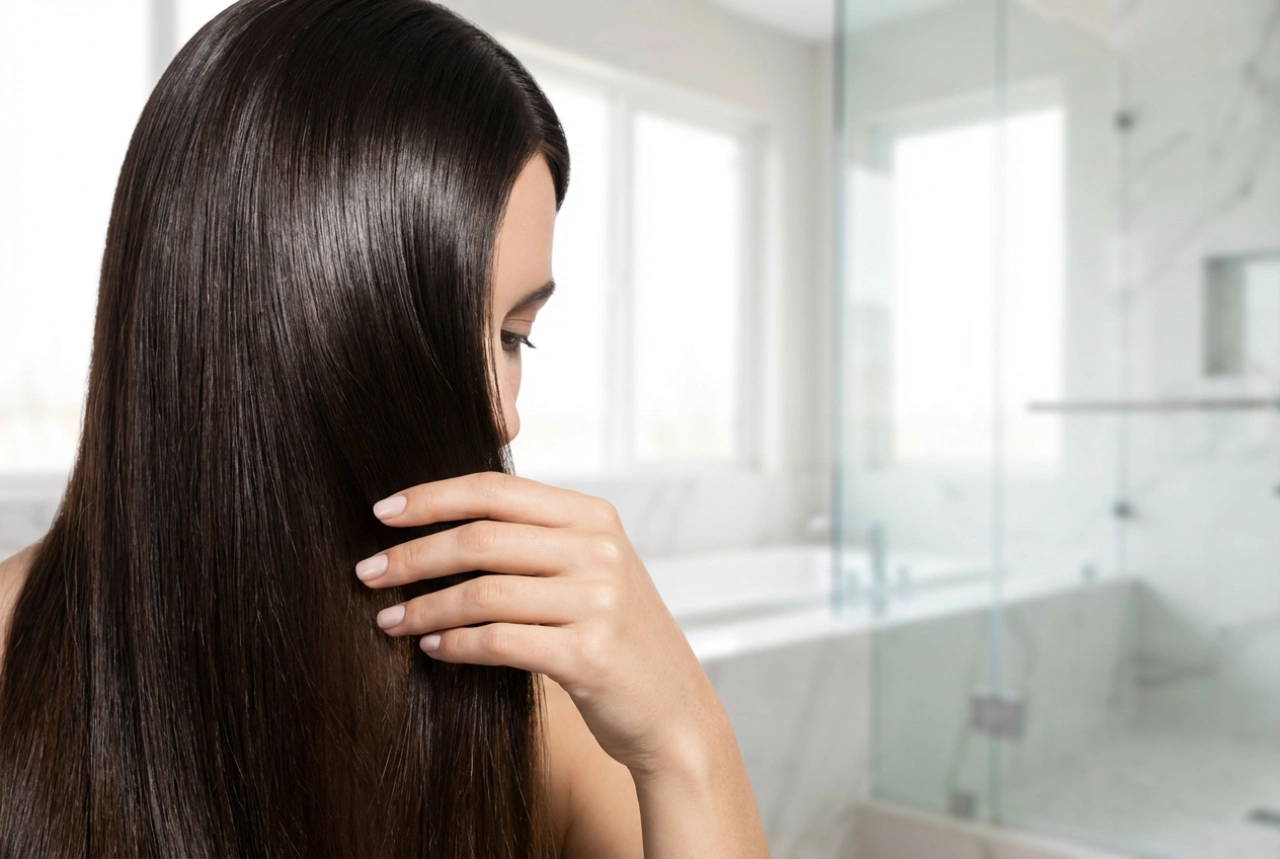


The feeling of freshly washed, clean hair is a simple pleasure many of us enjoy. However, the debate over how often we should wash our hair is ongoing. Is daily washing a damaging habit or a necessary step for certain hair types and lifestyles? The answer isn't one-size-fits-all. Understanding your hair's unique needs is the key to creating a healthy cleansing routine that works for you, ensuring your hair remains soft, vibrant, and well-cared for.
Understanding the Need for Daily Washing
While many people can go two, three, or even more days between washes, daily cleansing is sometimes beneficial or even necessary. Certain factors can increase the need for washing your hair every day. If you find your hair feels limp, greasy, or unclean just 24 hours after washing, you might be a candidate for a daily routine.
Factors That Justify Daily Cleansing
- Scalp Type: Individuals with naturally oily scalps produce more sebum, which can quickly travel down the hair shaft, making it look greasy and weighed down.
- Hair Texture: Very fine hair has a larger surface area relative to its diameter, meaning oil can coat it more easily and become more visible, often requiring more frequent washing to maintain volume and freshness.
- Lifestyle: If you exercise daily and sweat a lot, washing your hair can help to cleanse the scalp of sweat, salt, and bacteria, preventing clogged pores and discomfort.
- Environment: Living in a hot, humid climate or a heavily polluted urban area can cause sweat and grime to accumulate on the scalp and hair more quickly, necessitating a daily wash.
Potential Downsides of Over-Washing
For those who don't fit the criteria above, daily washing can sometimes do more harm than good. The primary concern is the stripping of natural oils, or sebum, from the scalp and hair. Sebum is essential for keeping the hair moisturised and protecting the scalp's natural barrier. Constantly removing it can lead to a cycle of issues.
What to Watch Out For
- Dryness and Brittleness: Without its protective layer of sebum, hair can become dry, brittle, and more prone to breakage and split ends.
- Scalp Irritation: A stripped scalp can become dry, itchy, and flaky. In some cases, the scalp may overcompensate by producing even more oil to combat the dryness, leading to a seemingly endless cycle of greasiness.
- Colour Fading: If you have colour-treated hair, frequent washing can cause the colour to fade much faster, as water and cleansing agents lift the colour molecules from the hair shaft with each wash.
How to Wash Your Hair Daily Without Causing Damage
If daily washing is the right choice for you, adopting a gentle approach is crucial to protect your hair's health. With the right techniques and products, you can enjoy clean hair every day without compromising its integrity.
Choose Your Products Wisely
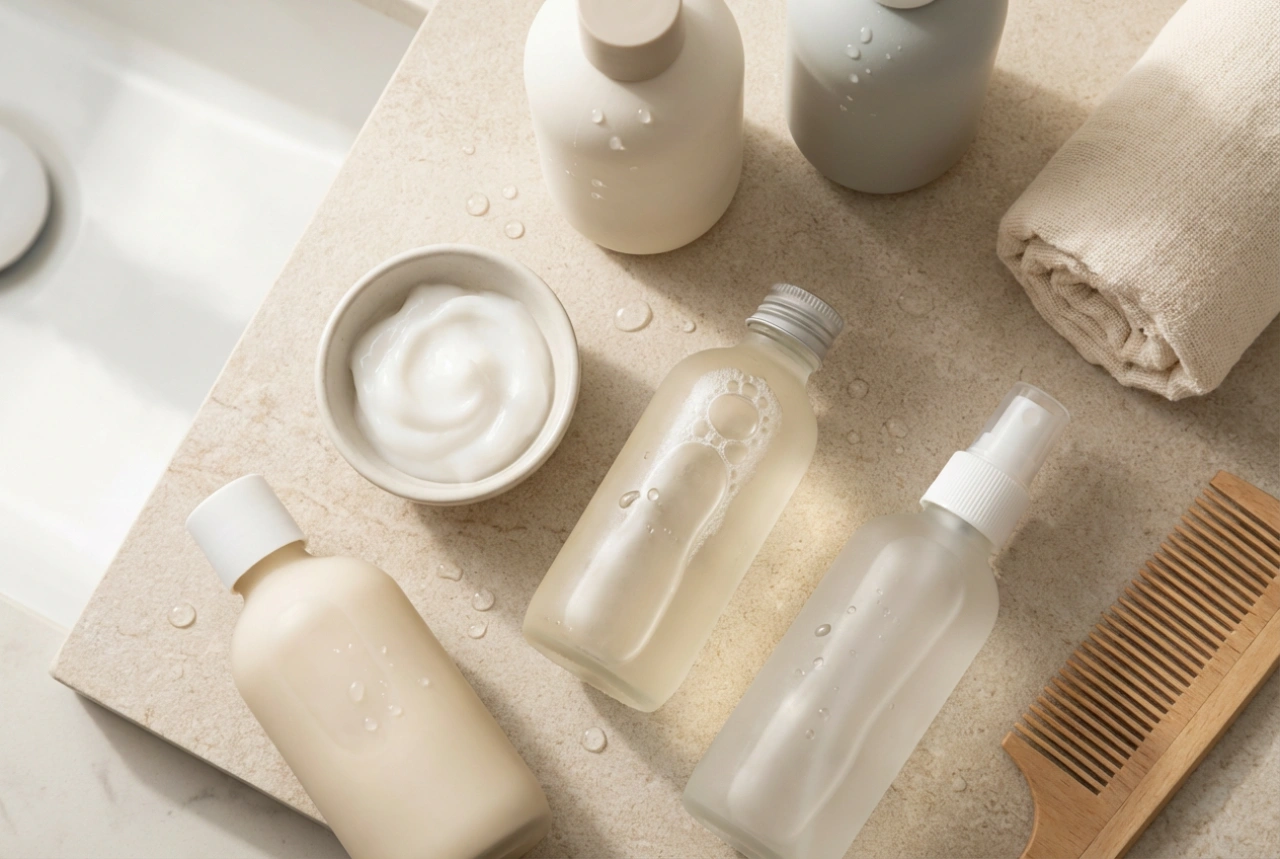
The type of shampoo you use is paramount. Opt for mild, gentle formulas designed for daily use. Look for cleansers that are free from harsh sulphates (like SLS and SLES), as these can be particularly stripping. Instead, seek out shampoos with hydrating and soothing ingredients that cleanse effectively without disrupting the scalp's natural balance.
Perfect Your Washing Technique
How you wash your hair is just as important as what you use. Follow these steps for a gentle yet effective cleanse:
- Use Lukewarm Water: Hot water can strip oils from the hair and scalp and open the cuticle too much, making it vulnerable. Lukewarm water is ideal for cleansing effectively without causing dryness.
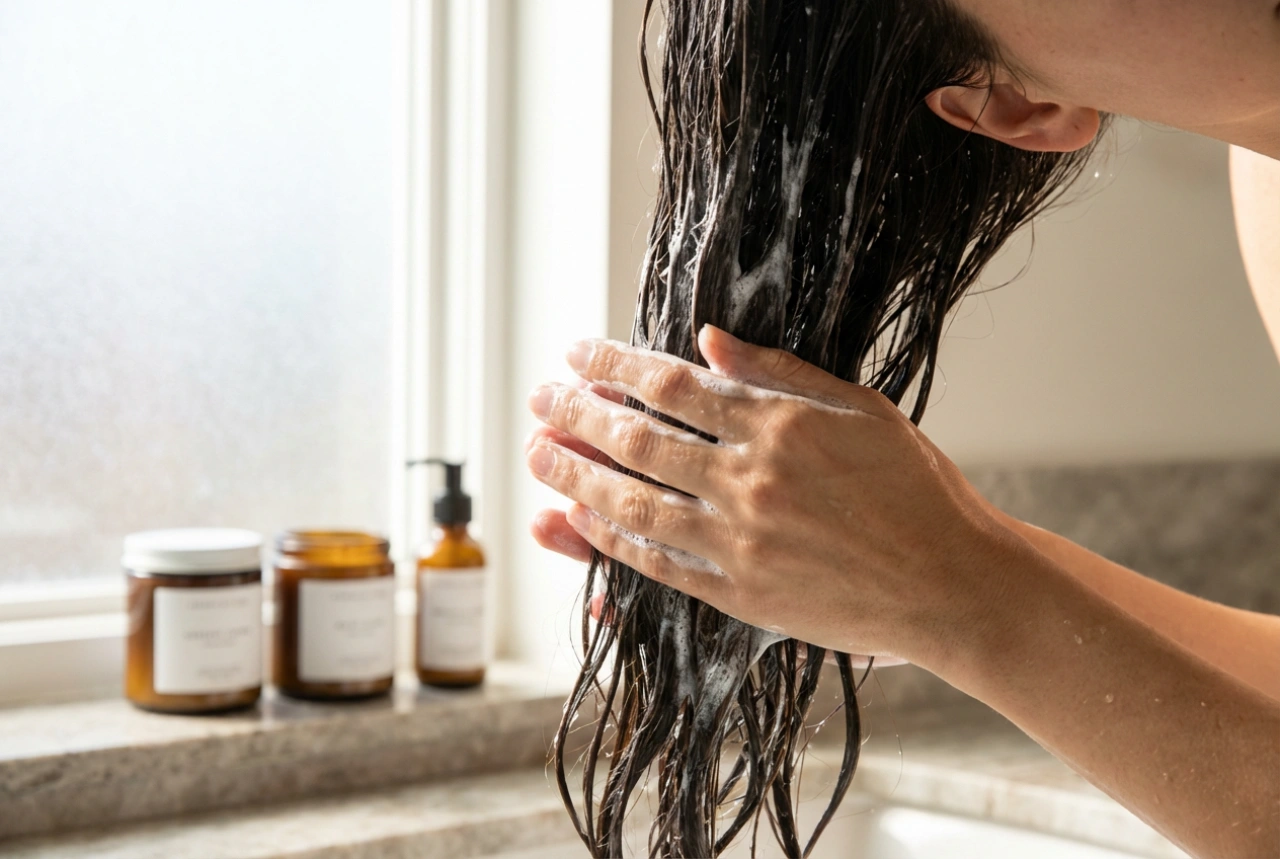
- Focus on the Scalp: Concentrate the shampoo on your roots and scalp, where oil and product buildup are most significant. Use your fingertips (not your nails) to massage it in gently. The lather that rinses down the lengths of your hair is sufficient to clean them.
- Always Use Conditioner: Never skip conditioner. It helps to seal the hair cuticle, replenish moisture, and detangle. Apply it mainly to the mid-lengths and ends, avoiding the roots if your hair gets greasy easily.
Gentle Post-Wash Care
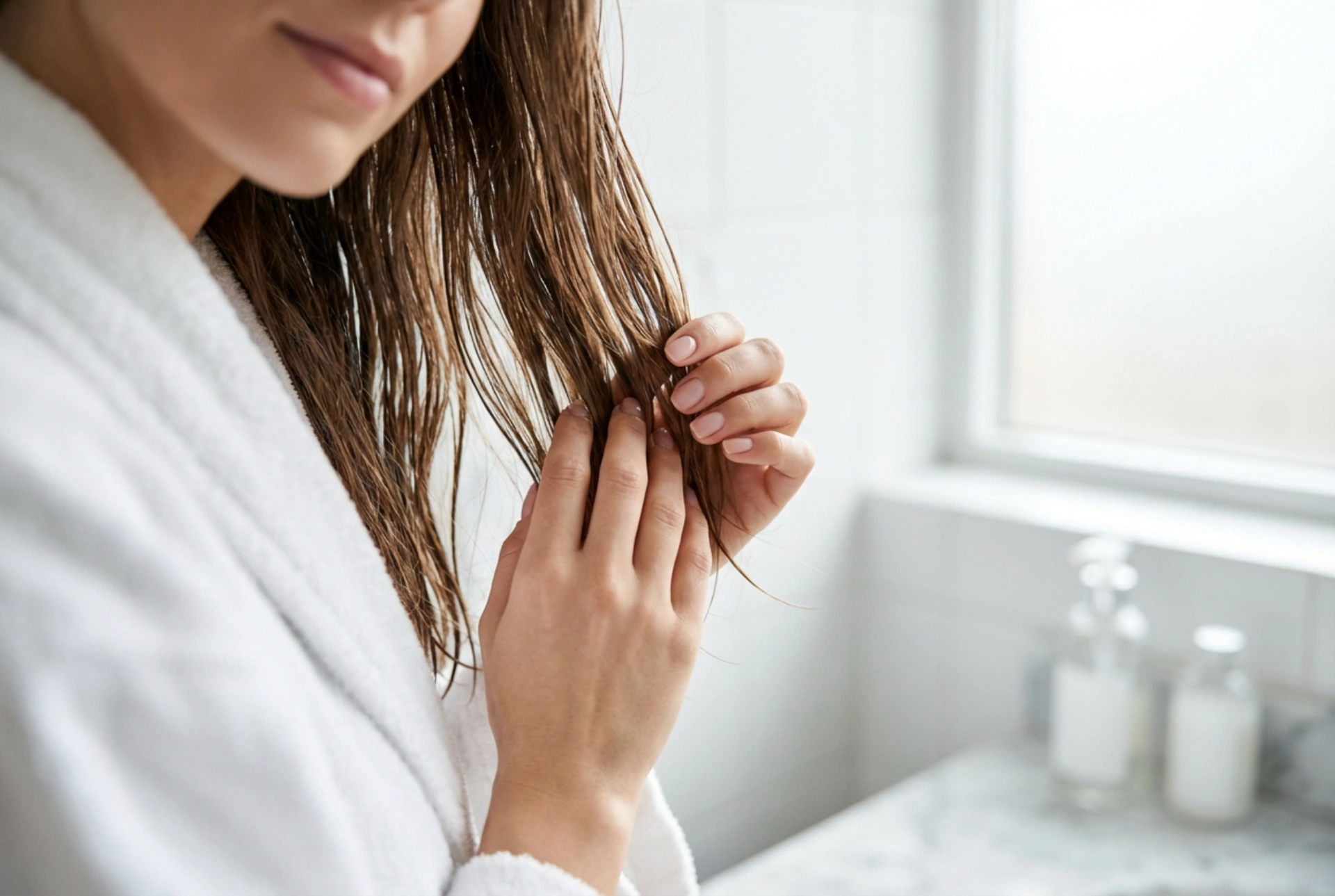
Your hair is most fragile when wet, so handle it with care. Instead of rubbing it vigorously with a towel, gently squeeze out excess water with a soft microfibre towel or an old cotton t-shirt to minimise friction and breakage. Whenever possible, let your hair air-dry. If you must use heat styling tools, always apply a heat protectant spray beforehand to create a barrier against damage.
Alternatives to Washing Every Day
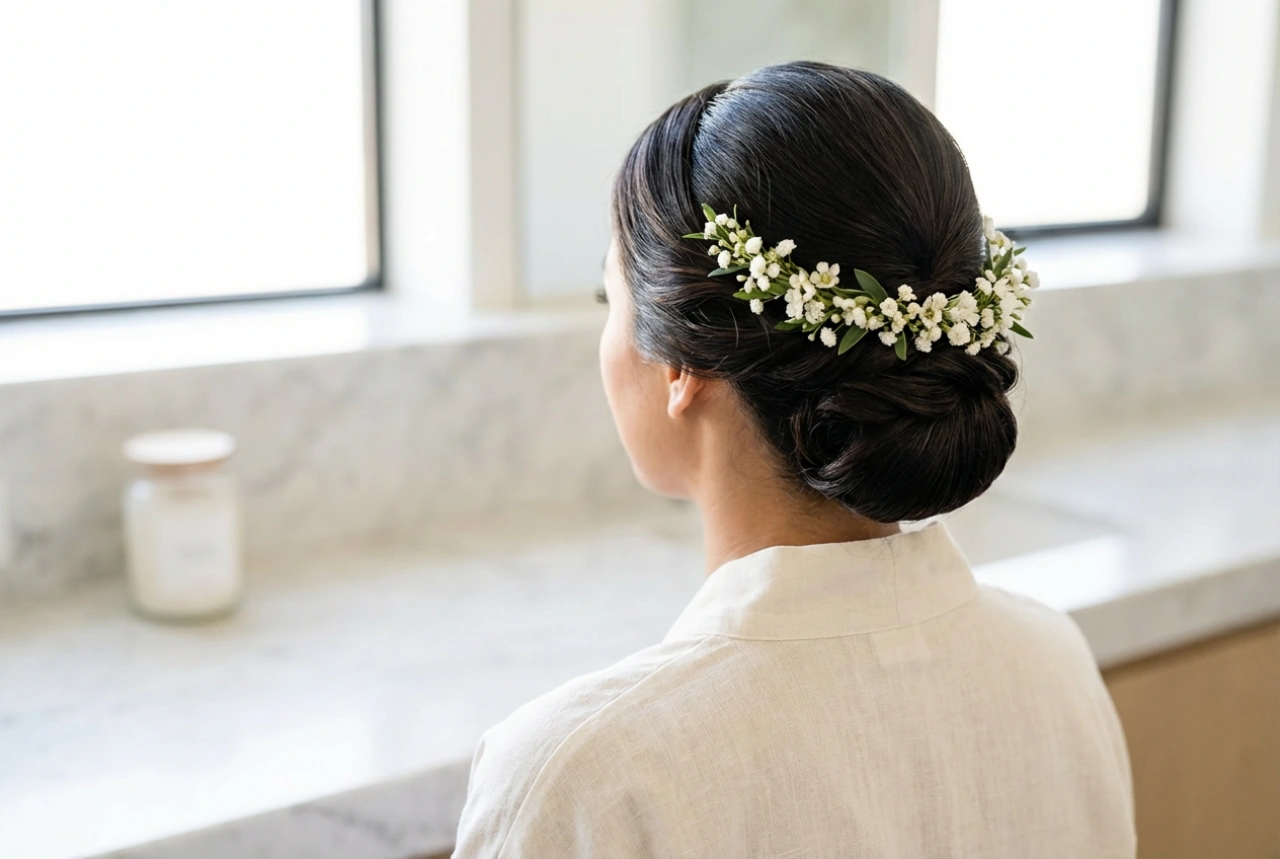
If you want to extend the time between washes, there are several effective strategies. Dry shampoo is a popular choice for absorbing excess oil at the roots and adding volume. For best results, spray it from a distance, let it sit for a minute or two to absorb the oil, and then massage it into the scalp and brush it out thoroughly. You can also try different hairstyles, like a chic bun or a braid, which often work better on second-day hair. Refreshing your strands with a light mist of water or a leave-in conditioning spray can also help to revive your style without a full wash.