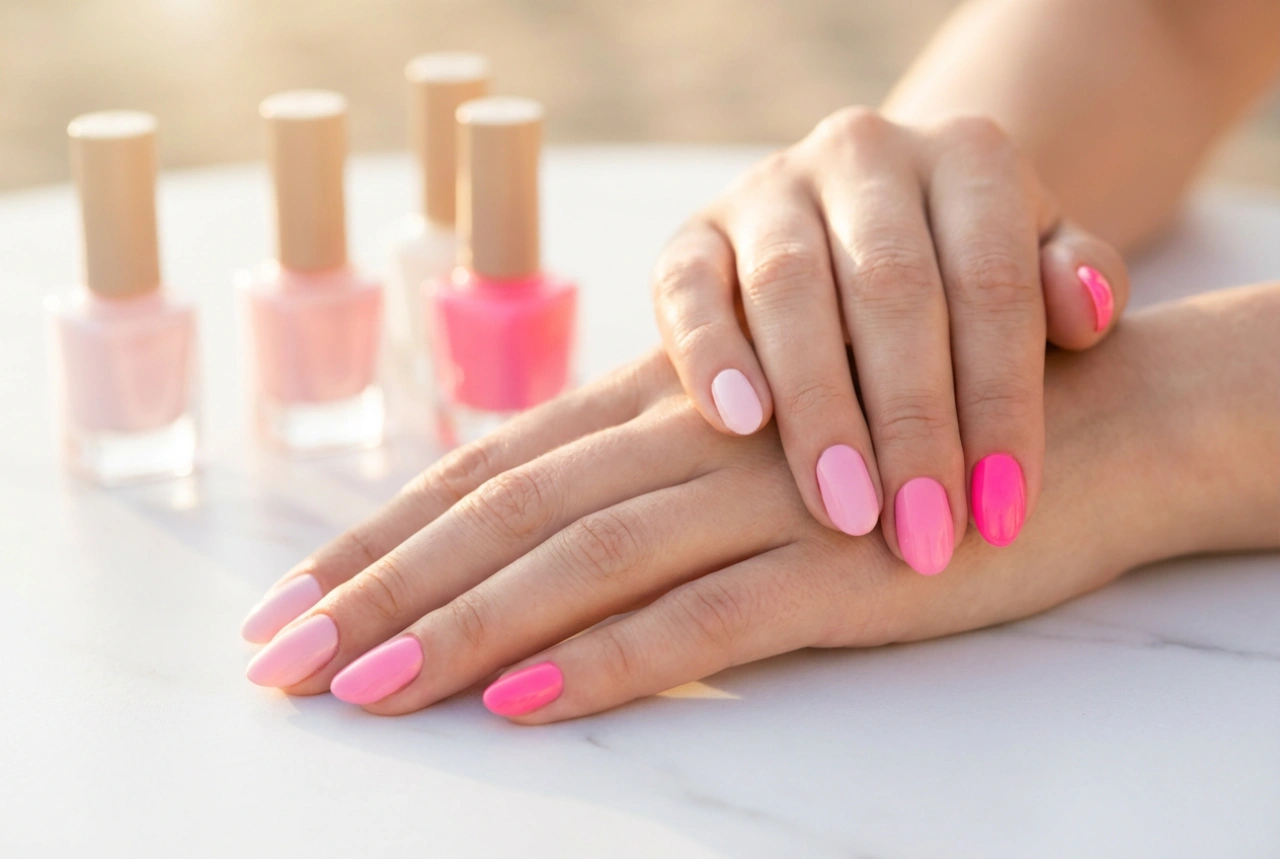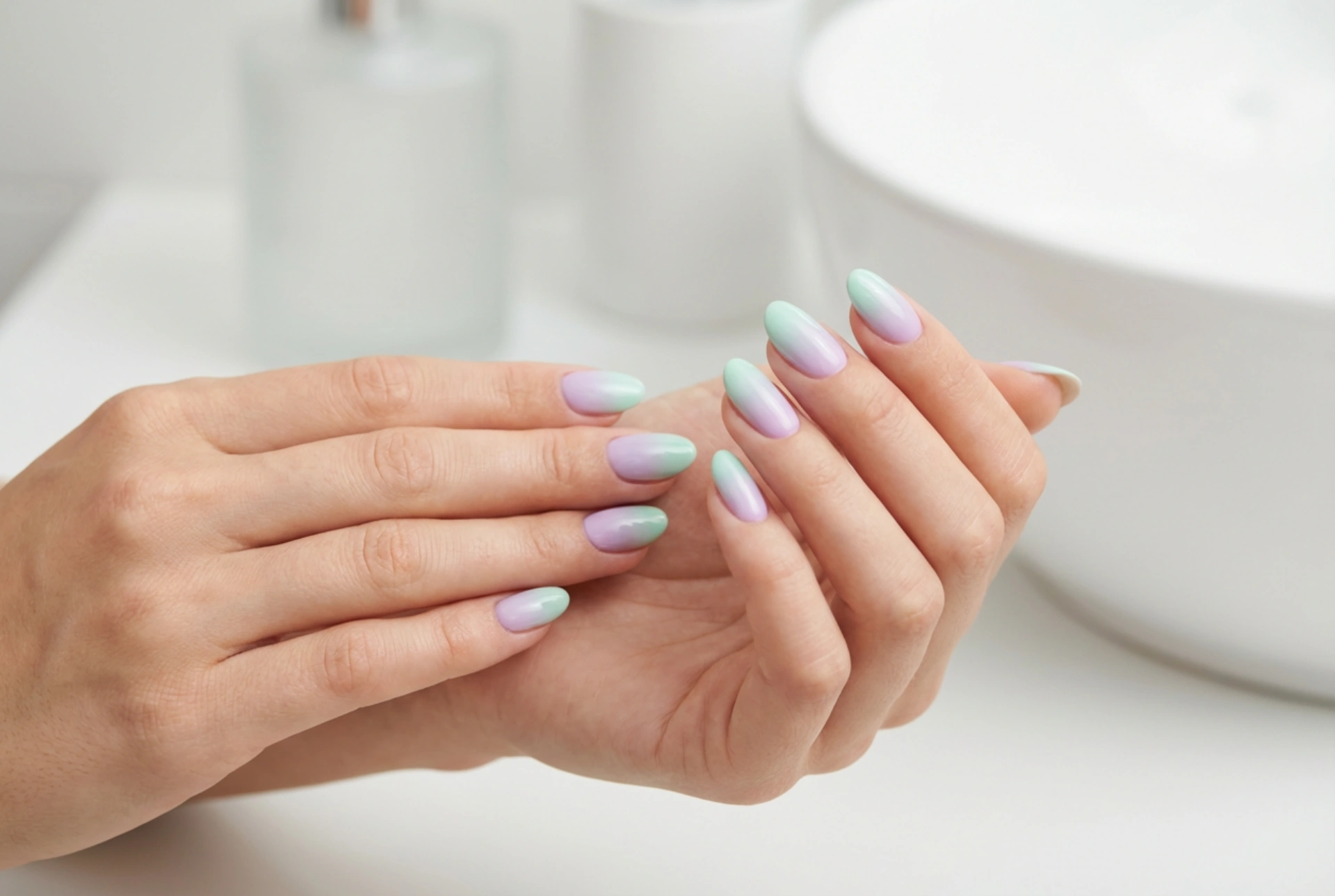


The delicate and dreamy effect of pastel ombre nails, where soft shades seamlessly blend into one another, is a timeless choice for a sophisticated and artistic manicure. Achieving this smooth, flawless gradient, reminiscent of a soft watercolour painting, might seem like a task reserved for professionals, but with the right technique and a little patience, you can create this stunning look at home. This guide will walk you through the process, from preparation to the final glossy top coat, ensuring your pastel ombre is nothing short of perfect.
What You'll Need for a Perfect Pastel Ombre
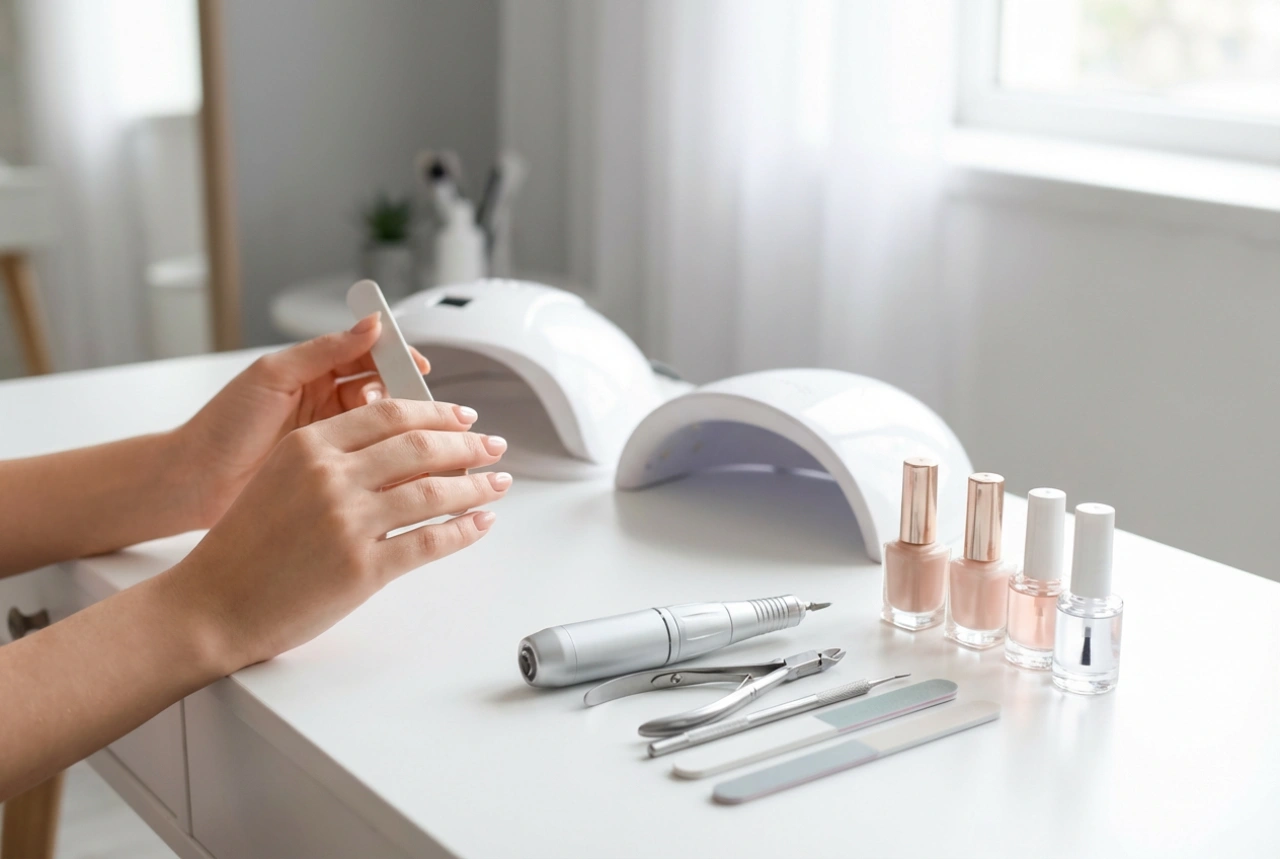
Before you begin, gather all the necessary tools to make the process smooth and efficient. Having everything on hand will prevent smudges and mishaps. You will need:
- A quality base coat to protect your nails and provide a smooth canvas.
- Two or more pastel nail polishes of your choice. Colours from the same family (e.g., light blue and lavender) or complementary shades (e.g., soft peach and mint green) work beautifully.
- A clear top coat to seal the design and add shine. A quick-dry formula is often helpful.
- A cosmetic sponge. A high-density, latex-free make-up wedge works best as it absorbs less polish and creates a finer blend.
- A small, flat brush or a cotton bud for cleaning up.
- Nail polish remover.
- A piece of paper or a plastic mat to protect your work surface.
- Optional: A white or off-white nail polish to use as a base colour, which will make the pastel shades appear more vibrant.
- Optional: Liquid latex or tape to protect the skin around your nails.
Step-by-Step Guide to Creating Pastel Ombre Nails
Follow these steps carefully for a professional-looking result. Remember that your first attempt might not be perfect, but practice makes all the difference.
Step 1: Preparation is Key
Start with clean, dry nails. Shape them with a file and gently push back your cuticles. Wipe each nail with a lint-free cloth and some nail polish remover to eliminate any oils. Apply a thin layer of your base coat. If you want your pastel colours to pop, follow this with one or two coats of a white or very pale base colour. Allow the base to dry completely before moving on.
Step 2: Applying the Colours to the Sponge
Take your cosmetic sponge and paint horizontal stripes of your chosen pastel polishes directly onto it. The colours should be right next to each other, slightly overlapping where they meet. This overlap is crucial for creating a smooth gradient rather than distinct blocks of colour. Be generous with the polish, as the sponge will absorb some of it.
Step 3: Dabbing the Gradient onto the Nail
Now, gently press and dab the sponge onto your nail. You can use a slight rolling motion from one side of the nail to the other to transfer the design. Avoid pressing too hard, as this can create a bubbly texture. The first layer will look quite sheer; this is normal. Let it dry for a minute or two, then reapply the polish to the sponge and repeat the dabbing process to build up the colour intensity. Two to three layers are usually sufficient for a vibrant, blended look.
Step 4: The Clean-Up
The ombre technique is inherently messy, so don't worry about the polish on your skin. If you used liquid latex or tape, you can now peel it off for an instantly cleaner look. Otherwise, dip your small brush into nail polish remover and carefully trace around your cuticle line and the sides of your nail to remove all the excess polish. Patience is your best friend during this step.
Step 5: Sealing the Design
Once you are happy with the colour saturation and the clean-up, it's time for the final touch. Apply a generous layer of a glossy top coat. This not only protects your manicure but also has a magical effect of further melting the colours together, enhancing the smoothness of the gradient. Be sure to 'cap' the free edge of your nail with the top coat to help prevent chipping.
Common Mistakes and How to Avoid Them
Even with a guide, you might encounter a few issues. Here’s how to troubleshoot them:
- Bubbly or Chunky Texture: This is often caused by pressing the sponge too hard, using a very porous sponge, or applying layers that are too thick. To fix this, use a dense make-up sponge and apply the polish in light, dabbing motions. Ensure each layer is semi-dry before applying the next.
- Harsh Lines Between Colours: If your colours aren't blending well, you may not have overlapped them enough on the sponge. Make sure the polish stripes on the sponge melt into each other slightly. A good top coat can also help to blur any minor harshness.
- The Sponge Lifts the Polish: This can happen if the base layers are not fully dry or if you wait too long between dabs, causing the polish on the sponge to become tacky. Work one nail at a time and move at a steady pace.
- A Very Messy Finish: Protecting your skin beforehand is the best prevention. If you forget, take your time with the clean-up. A precise brush will give you a much cleaner result than a cotton bud, which can leave behind fibres.