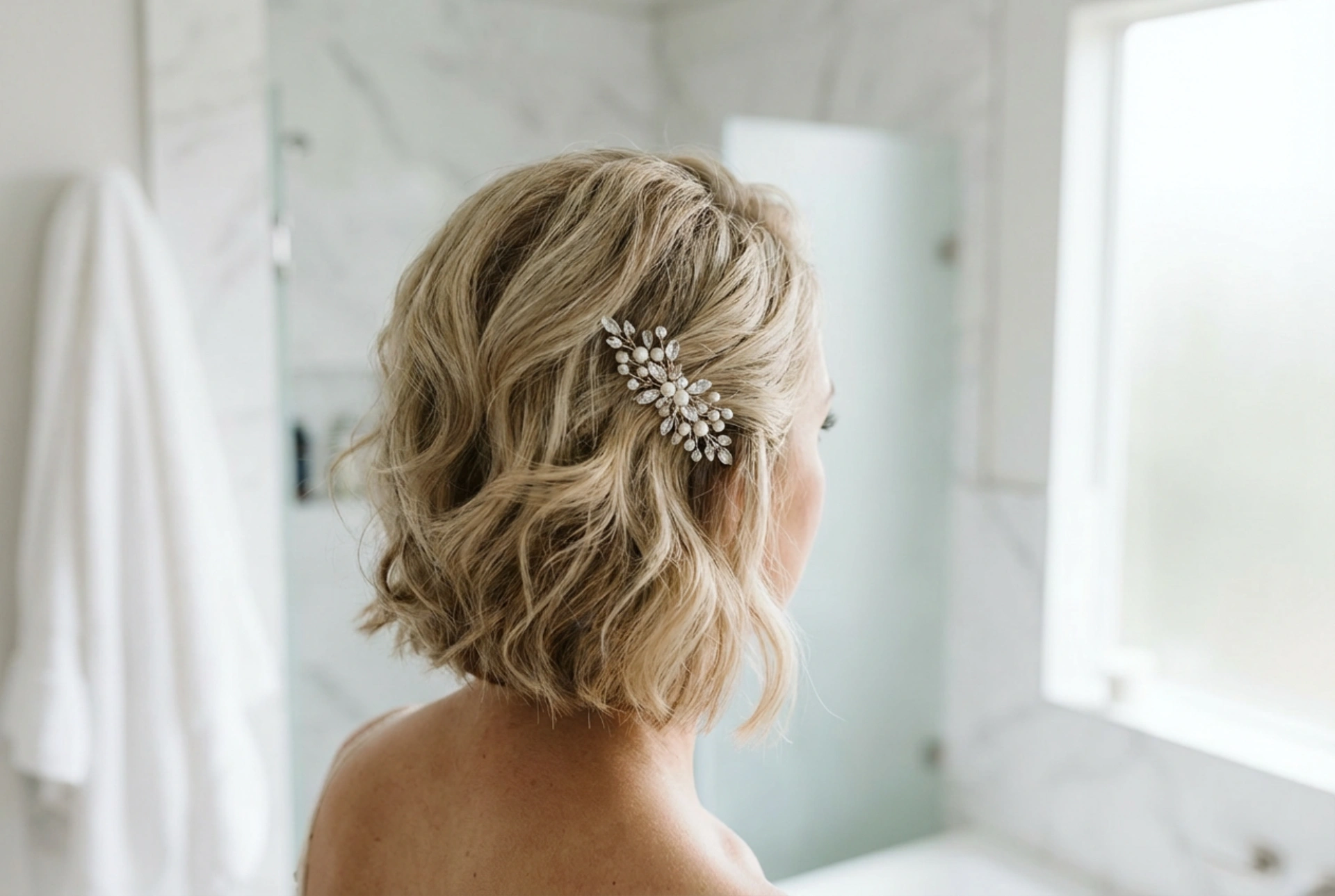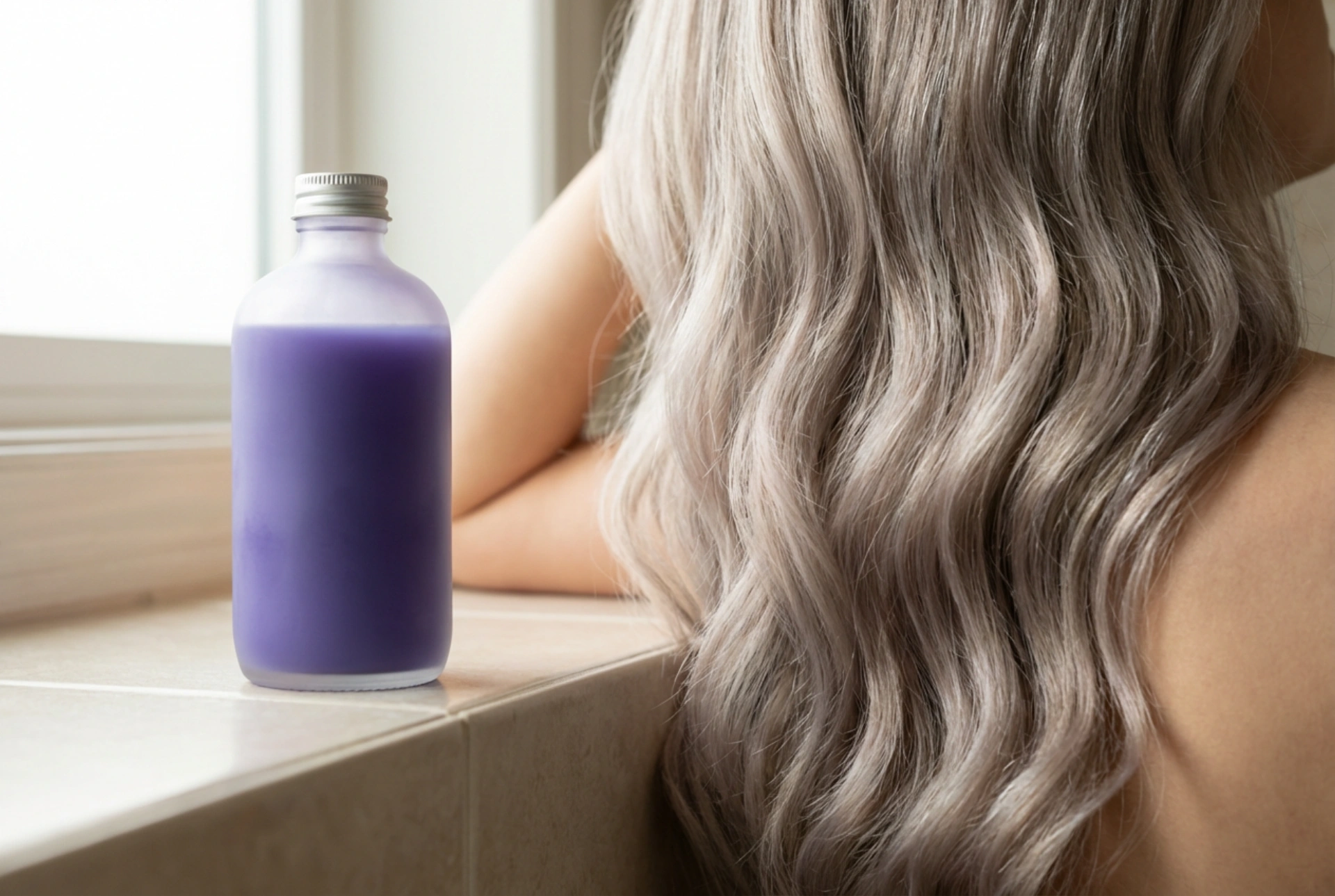


Achieving a beautiful, cool-toned blonde or silver hair colour is one thing; maintaining it is another. Over time, lightened hair can develop unwanted yellow or brassy tones due to factors like sun exposure, hard water minerals, and natural oxidation. This is where a purple shampoo becomes an essential tool in your hair care routine. Its purpose is to correct these colour shifts, restoring the fresh, vibrant, and cool shade you desire, much like the pristine look of perfectly toned hair.
What Is Purple Shampoo and How Does It Work?
The secret behind purple shampoo lies in basic colour theory. If you look at a colour wheel, you will see that purple is directly opposite yellow. This means that purple and yellow are complementary colours that cancel each other out. Purple shampoos are formulated with violet pigments that are deposited onto the hair shaft. When applied to blonde or grey hair, these pigments neutralise the appearance of yellow tones, effectively colour-correcting your hair and enhancing its cool, ashy, or platinum finish. It's not a dye, but rather a toning treatment that temporarily adjusts the reflection of light from your hair.
Who Should Use Purple Shampoo?
Purple shampoo is not just for platinum blondes. A wide range of hair colours and types can benefit from its toning properties. Consider using it if you have:
- Bleached or Lightened Hair: Hair that has been chemically lightened is porous and particularly susceptible to picking up yellow tones.
- Natural Blonde Hair: Even natural blondes can experience brassiness over time due to environmental factors.
- Silver or Grey Hair: Natural grey or silver hair can often take on a dull, yellowish cast, which a purple shampoo can brighten and clarify.
- Highlighted or Balayage Hair: If you have blonde highlights, balayage, or ombré, using a purple shampoo can keep the lighter sections crisp and free from brassiness without affecting the darker base colour.
What Causes Yellow Tones?
Understanding the cause can help with prevention. Brassy tones can be caused by a variety of factors, including UV rays from the sun, chlorine from swimming pools, mineral deposits in hard water, and even heat styling tools that can alter the hair's underlying pigments.
How to Use Purple Shampoo Correctly
For the best results, it's important to use purple shampoo properly. Incorrect application can lead to uneven toning or even a slight purple tinge. Follow these simple steps for a flawless finish:
- Start with Wet Hair: Thoroughly wet your hair with lukewarm water. This helps to open up the hair cuticle, allowing the pigments to be absorbed more effectively.
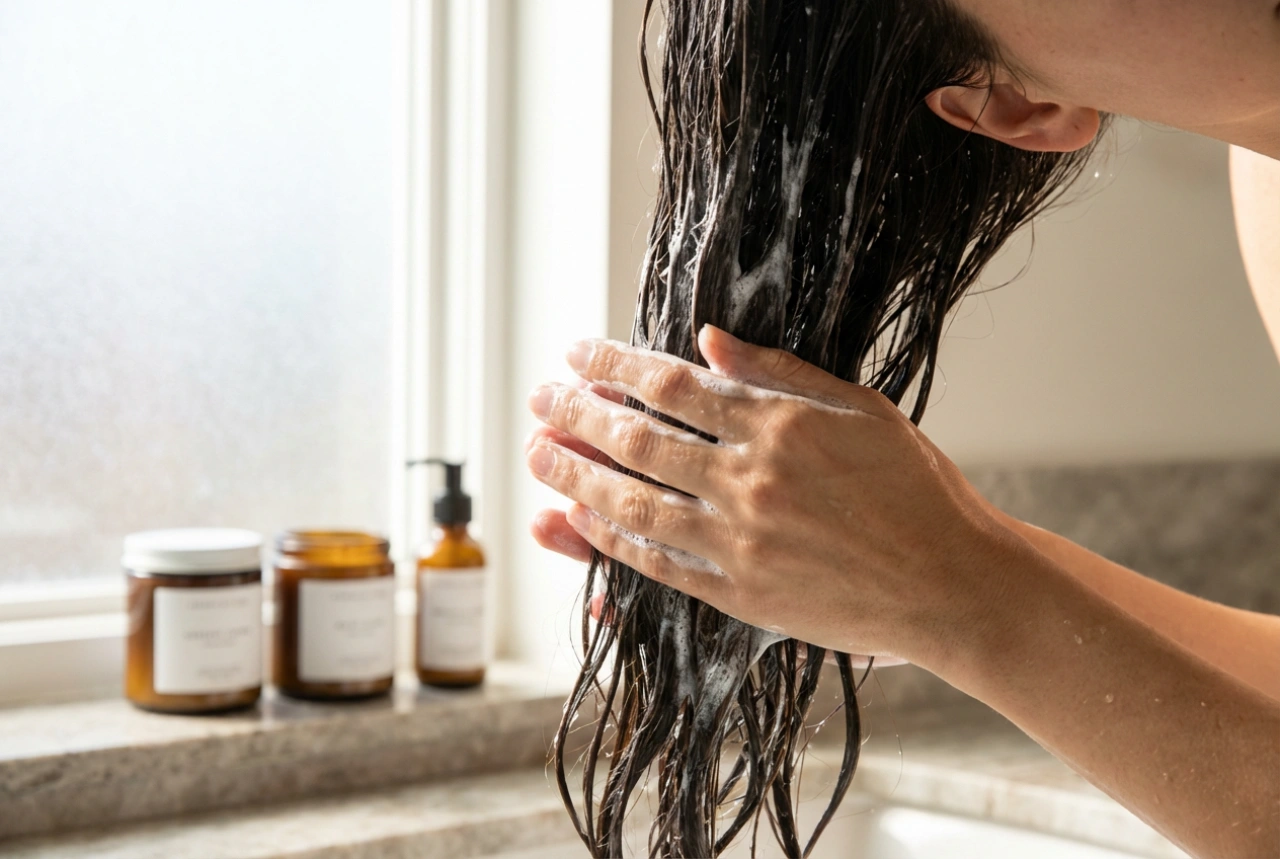
- Apply the Shampoo: Squeeze a normal amount of shampoo into your hands. Lather it up and apply it to your hair, focusing on the areas where you see the most yellowing.
- Wait and Let It Tone: This is the most crucial step. The time you leave the shampoo on will determine the intensity of the toning. For first-time use, leave it on for 1-3 minutes. You can gradually increase this to 5 minutes in subsequent washes if needed. Be careful not to leave it on for too long.
- Rinse Thoroughly: Rinse your hair completely with cool water until the water runs clear. Cool water helps to seal the hair cuticle, locking in moisture and the toning effect.
- Always Follow with Conditioner: Purple shampoos can be more cleansing and less moisturising than regular shampoos. It is essential to follow up with a hydrating conditioner to restore moisture, smoothness, and shine to your hair.
Common Mistakes to Avoid
To keep your hair healthy and beautifully toned, avoid these common errors:
- Overuse: Using purple shampoo every day is not necessary and can lead to over-toning, giving your hair a visible lilac or purple hue. Use it once or twice a week, or whenever you notice brassiness returning.
- Leaving It On Too Long: While it's tempting to think longer is better, leaving the shampoo on for an extended period (more than 5-7 minutes) significantly increases the risk of staining your hair purple, especially if it's very light or porous.
- Skipping Conditioner: Neglecting to use a conditioner after a purple shampoo can leave your hair feeling dry, brittle, and difficult to manage. Always replenish the moisture.
- Uneven Application: Rushing the application can lead to patchy results. Take the time to distribute the product evenly from roots to ends for a consistent, professional-looking tone.
By incorporating purple shampoo into your hair care schedule correctly, you can easily combat brassiness at home. It’s a simple and effective way to maintain the integrity of your colour, ensuring your blonde or silver hair remains luminous, cool, and perfectly toned between salon visits.