

The quest for silky-smooth skin has led to the development of many at-home beauty tools, offering the convenience of achieving professional-level results in the comfort of your own home. Among the most popular are light-based hair removal devices, often colloquially called home 'lasers'. These sleek, modern gadgets promise a significant reduction in unwanted hair, but how exactly do they work? Understanding the science behind this technology is key to using it effectively and having realistic expectations about the results.
The Principle of Light-Based Hair Removal
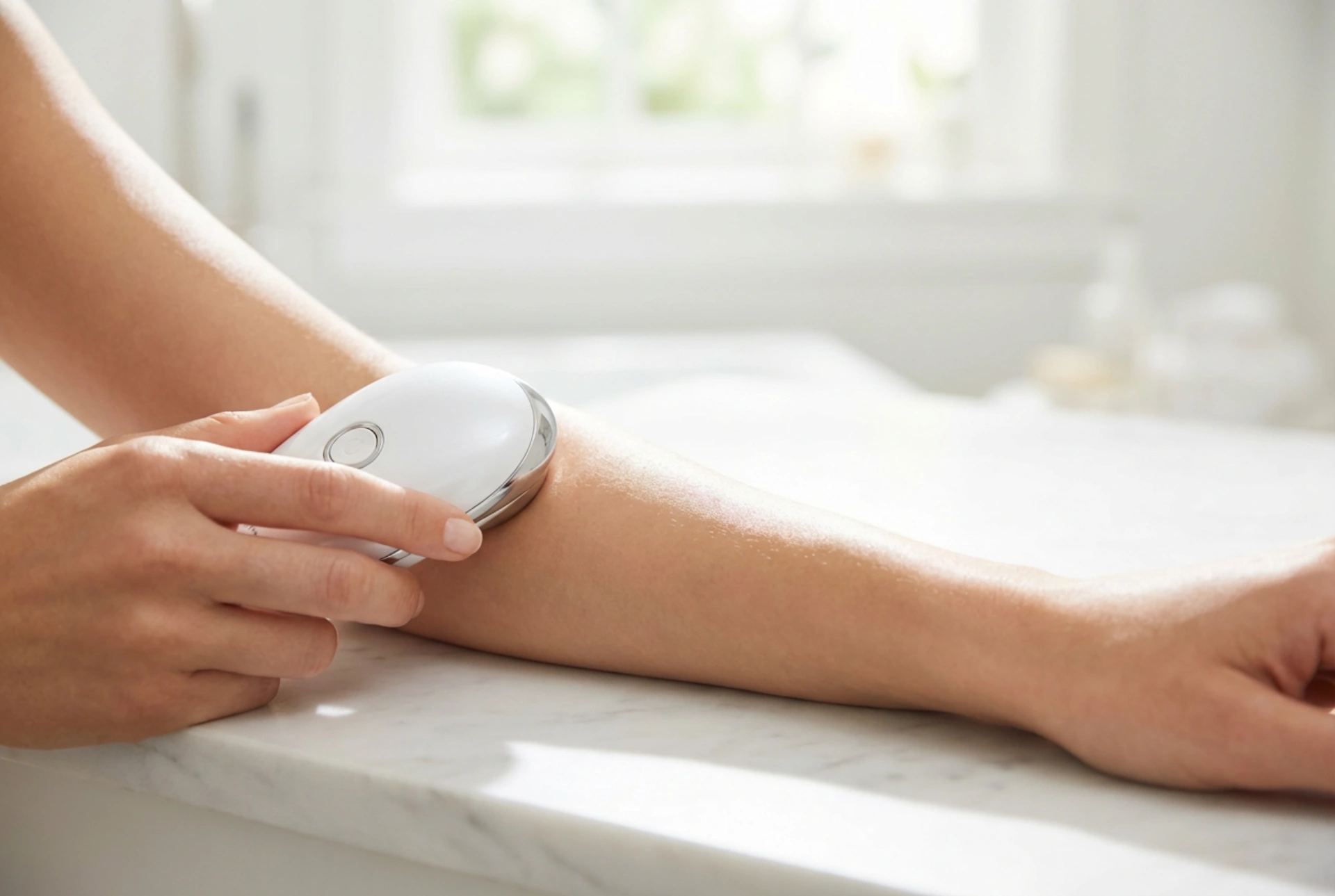
At-home hair removal devices primarily use a technology called Intense Pulsed Light (IPL). While the term 'laser' is often used, true laser devices emit a single, concentrated wavelength of light, whereas IPL devices emit a broad spectrum of light. Despite this difference, the underlying principle is similar and is known as selective photothermolysis.
Here's a simple breakdown:
- Light Emission: The device produces a flash of intense, filtered light.
- Melanin Absorption: This light is absorbed by the melanin (the pigment that gives hair its colour) within the hair shaft.
- Heat Conversion: The light energy is converted into heat.
- Follicle Damage: This heat travels down the hair shaft to the root, damaging key areas of the follicle responsible for hair growth.
By repeatedly treating an area, this process can put the hair follicles into a resting state, significantly slowing down or stopping hair regrowth over time. It is a method of hair reduction, not permanent removal, as some follicles may eventually recover.
Who Can Expect the Best Results?
The effectiveness of IPL technology is heavily dependent on the contrast between your skin tone and hair colour. This is because the light energy needs to target the melanin in the hair without being overly absorbed by the melanin in the surrounding skin.
Ideal Candidates
The ideal candidate for at-home IPL has fair to light brown skin and dark blonde to black hair. The significant contrast allows the device to effectively target the hair follicle with minimal energy absorption by the skin, making the process both safer and more efficient.
Less Effective Scenarios
The technology is generally not effective on very light hair colours, such as white, grey, light blonde, or red. This is because these hair colours contain little to no melanin, so there is no pigment to absorb the light energy. Similarly, these devices are not suitable for very dark skin tones. The high concentration of melanin in dark skin can absorb too much light energy, which can lead to skin discolouration or discomfort. Many modern devices have built-in skin tone sensors to prevent use on unsuitable skin tones.
Understanding the Hair Growth Cycle
A common question is why multiple sessions are necessary. The answer lies in the hair's natural growth cycle, which consists of three main phases:
- Anagen (Growth Phase): This is the active phase when the hair is growing and is connected to its follicle. IPL is only effective during this stage.
- Catagen (Transition Phase): The hair stops growing and detaches from the follicle.
- Telogen (Resting Phase): The old hair falls out, and the follicle remains dormant for a period before a new hair begins to grow.
At any given time, only a fraction of your body's hair is in the anagen phase. Therefore, repeated sessions, typically spaced a couple of weeks apart initially, are required to catch each hair during its active growth phase. After an initial series of treatments, you can typically move to less frequent maintenance sessions to keep the skin smooth.
Preparation and Aftercare for Optimal Results
Proper skin preparation and aftercare are crucial for safety and effectiveness. Following a consistent routine will help you get the most out of your device.
Before Your Session
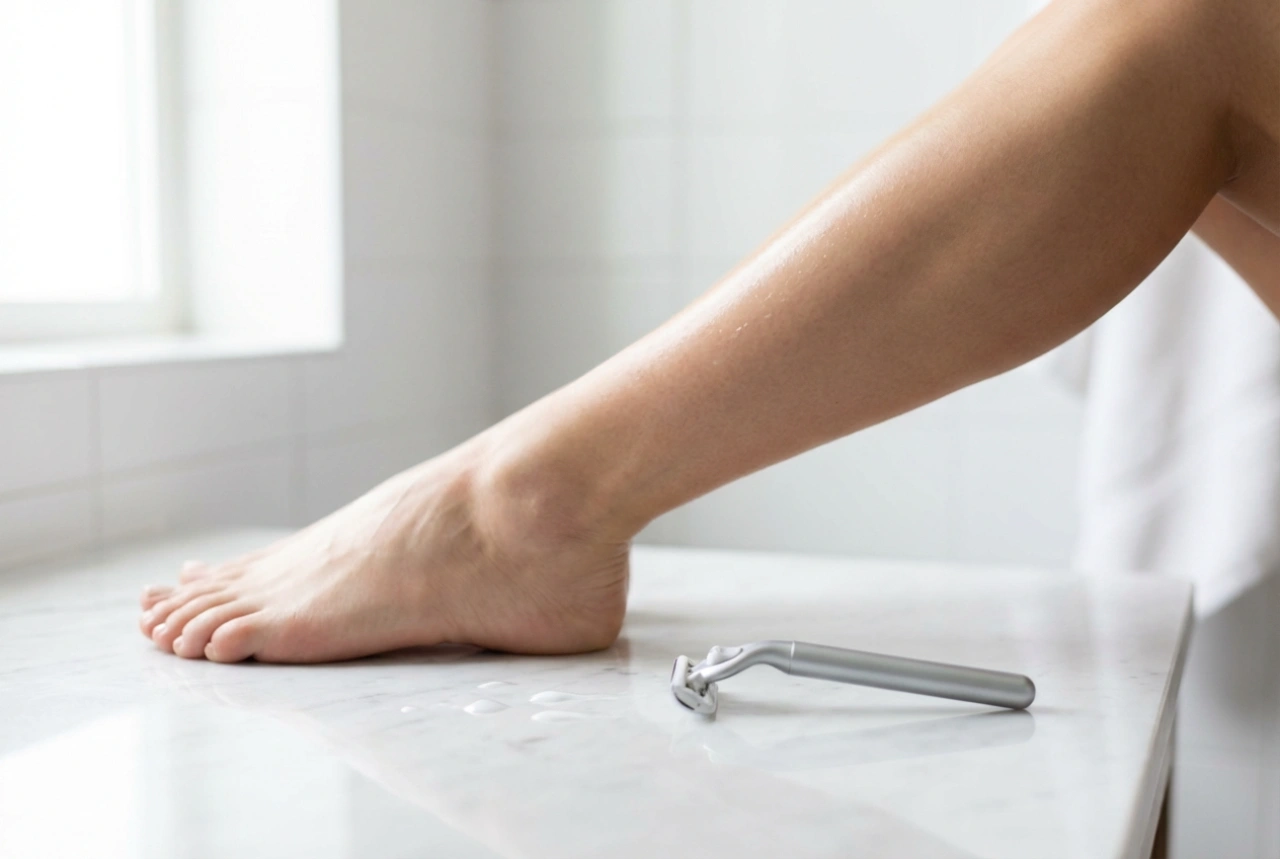
- Shave the Area: Shave the treatment area 12 to 24 hours before using the device. This ensures the light energy is directed to the hair root beneath the skin, not wasted on the hair above it. Do not wax or epilate, as the root must be present.
- Cleanse Your Skin: The skin should be clean, dry, and free from any lotions, creams, or deodorants.
- Avoid Sun Exposure: Do not use the device on recently tanned or sunburnt skin. Avoid sunbathing and tanning beds for at least two weeks before a session.
After Your Session
- Avoid Sun: Protect the treated area from direct sun exposure for at least 48 hours. Use a broad-spectrum sunscreen with a high SPF if you go outside.
- Keep it Cool: Avoid hot baths, saunas, and intense exercise for 24 hours to prevent irritation.
- Moisturise: Gently apply a simple, fragrance-free moisturiser to keep the skin hydrated and soothe any mild redness.
What Are the 'Real Effects'?
It's important to have a realistic understanding of the outcome. At-home IPL offers significant hair *reduction*, not complete and permanent hair *removal*. With consistent use according to the recommended schedule, most users experience a noticeable decrease in hair growth. The hair that does grow back is often finer, lighter, and much slower to appear. Many achieve long periods of smoothness, maintained with occasional touch-up sessions. Results vary based on individual factors like hair colour, skin tone, and hormonal influences, but for many, it's a highly effective tool for managing body hair long-term.