

The quest for smooth, hair-free skin is a common beauty goal, and achieving it in the comfort of your own home has never been more accessible. Modern at-home devices offer a way to manage unwanted hair, transforming a sometimes tedious chore into a serene self-care ritual. To get the best results and avoid irritation, it's essential to have a clear plan. This guide will walk you through the process of using an at-home light-based hair removal device, ensuring a safe, effective, and calm experience from start to finish.
Understanding At-Home Light-Based Hair Removal
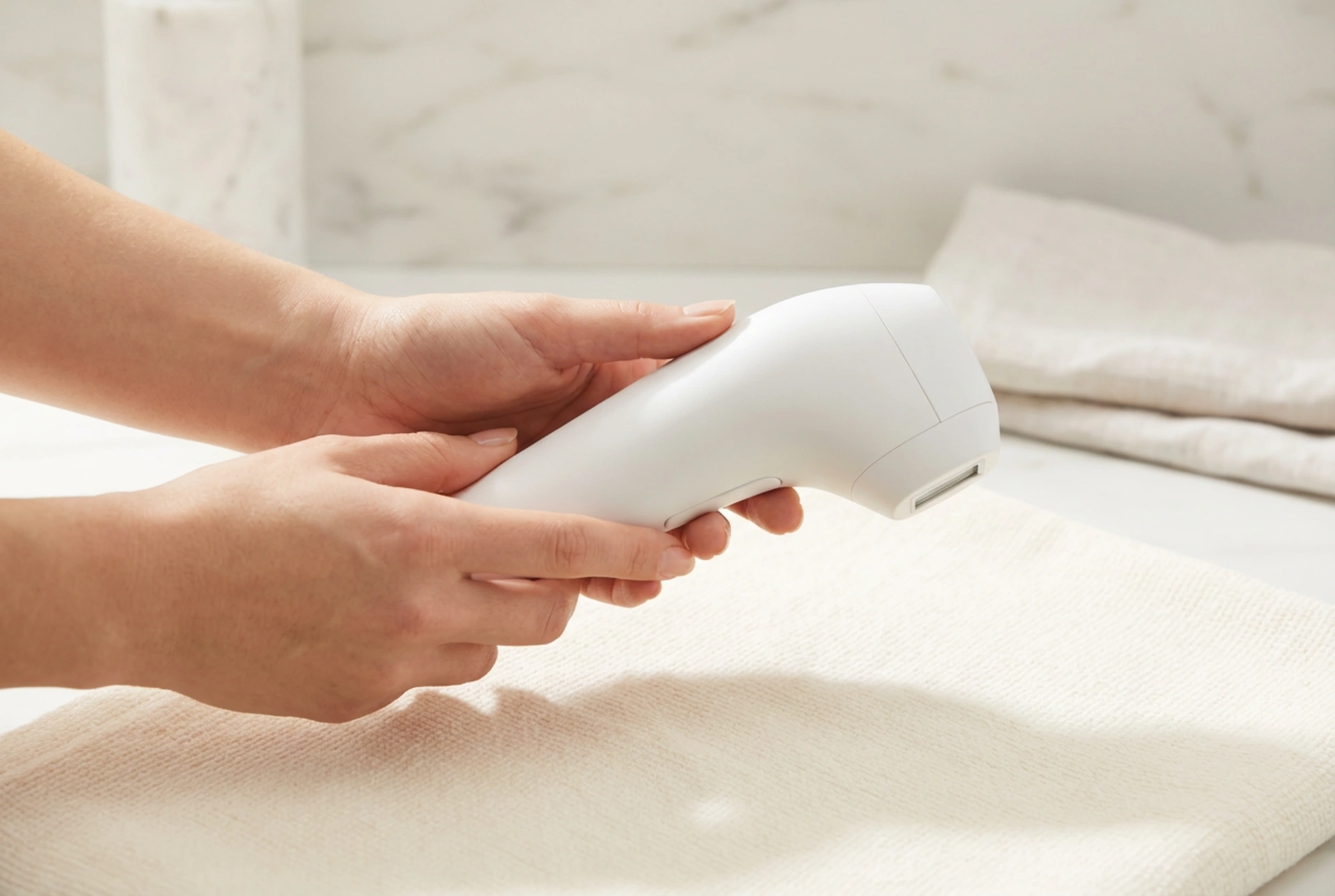
At-home devices, often referred to as IPL (Intense Pulsed Light) technology, work by directing pulses of light onto the skin. This light energy is absorbed by the pigment (melanin) in the hair, where it converts to heat. This heat then travels down to the hair follicle, encouraging it to enter a resting phase. As a result, hair growth is gradually reduced over time with consistent use. It's important to understand that this is a process of hair reduction, not permanent removal, and requires multiple sessions to see significant, long-lasting results. Unlike shaving, which cuts hair at the surface, or waxing, which pulls it from the root, light-based methods aim to reduce the rate of regrowth over an extended period.
Preparing Your Skin for the Treatment
Proper preparation is the foundation of a successful and irritation-free session. Rushing this stage can lead to discomfort and less effective results. Before you even turn on your device, follow these crucial preparatory steps.
Skin and Hair Tone Compatibility
Light-based hair removal technology works best when there is a high contrast between the skin tone and hair colour—specifically, lighter skin tones and darker hair. The pigment in the hair needs to absorb the light, so it is generally not effective on very light blonde, red, grey, or white hair. Conversely, very dark skin tones contain more melanin, which can absorb too much light energy, increasing the risk of skin reactions. Always consult the user manual of your specific device, which will include a skin tone and hair colour compatibility chart. Most modern devices also have built-in safety sensors that prevent them from flashing on unsuitable skin tones.
Shave, Don't Pluck or Wax
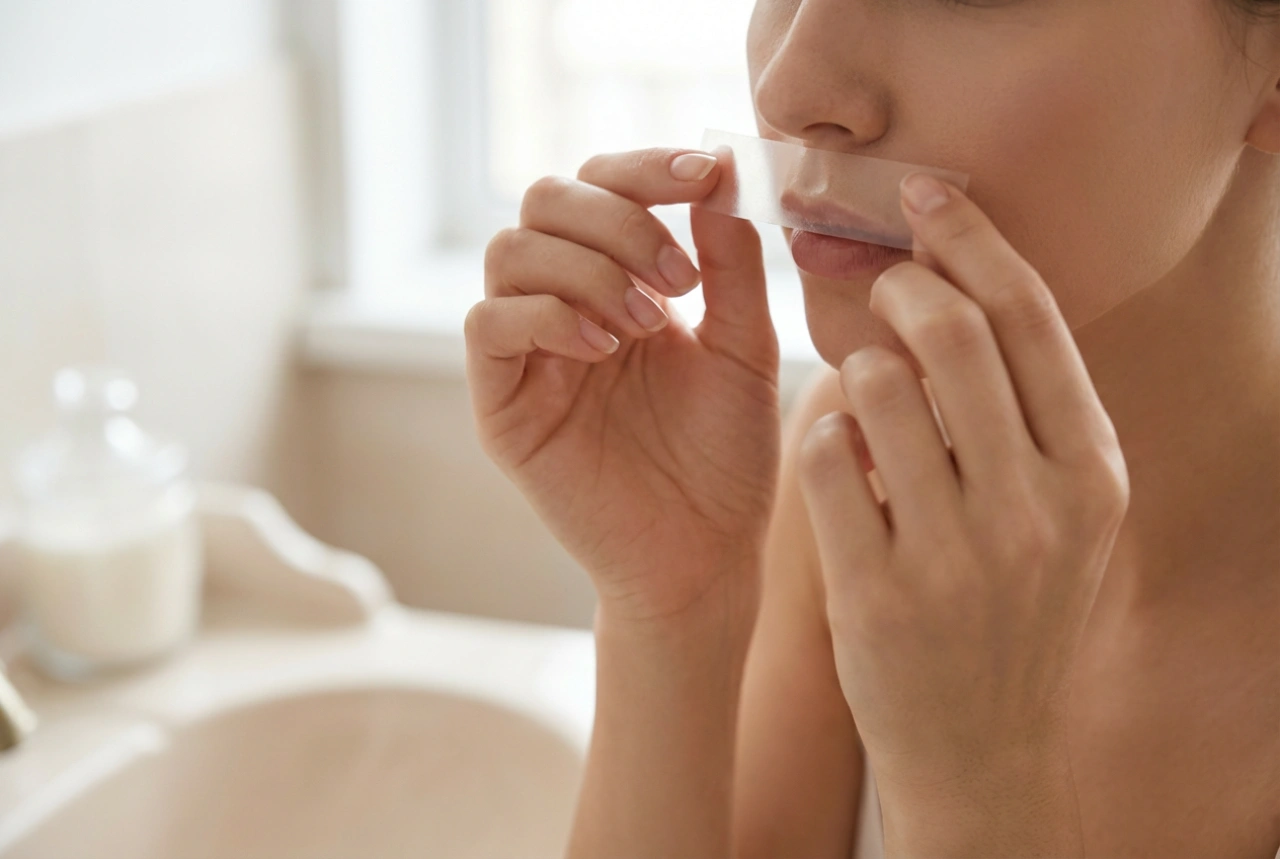
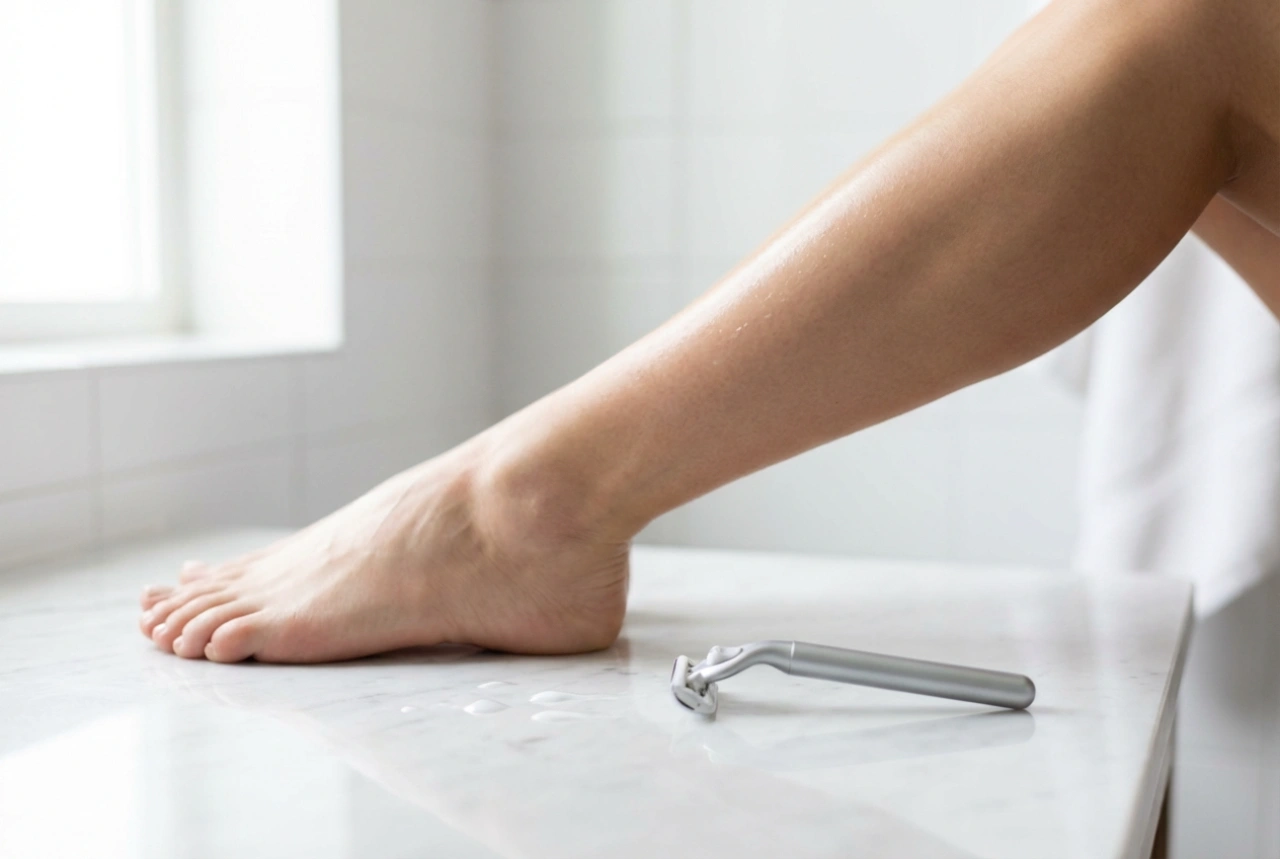
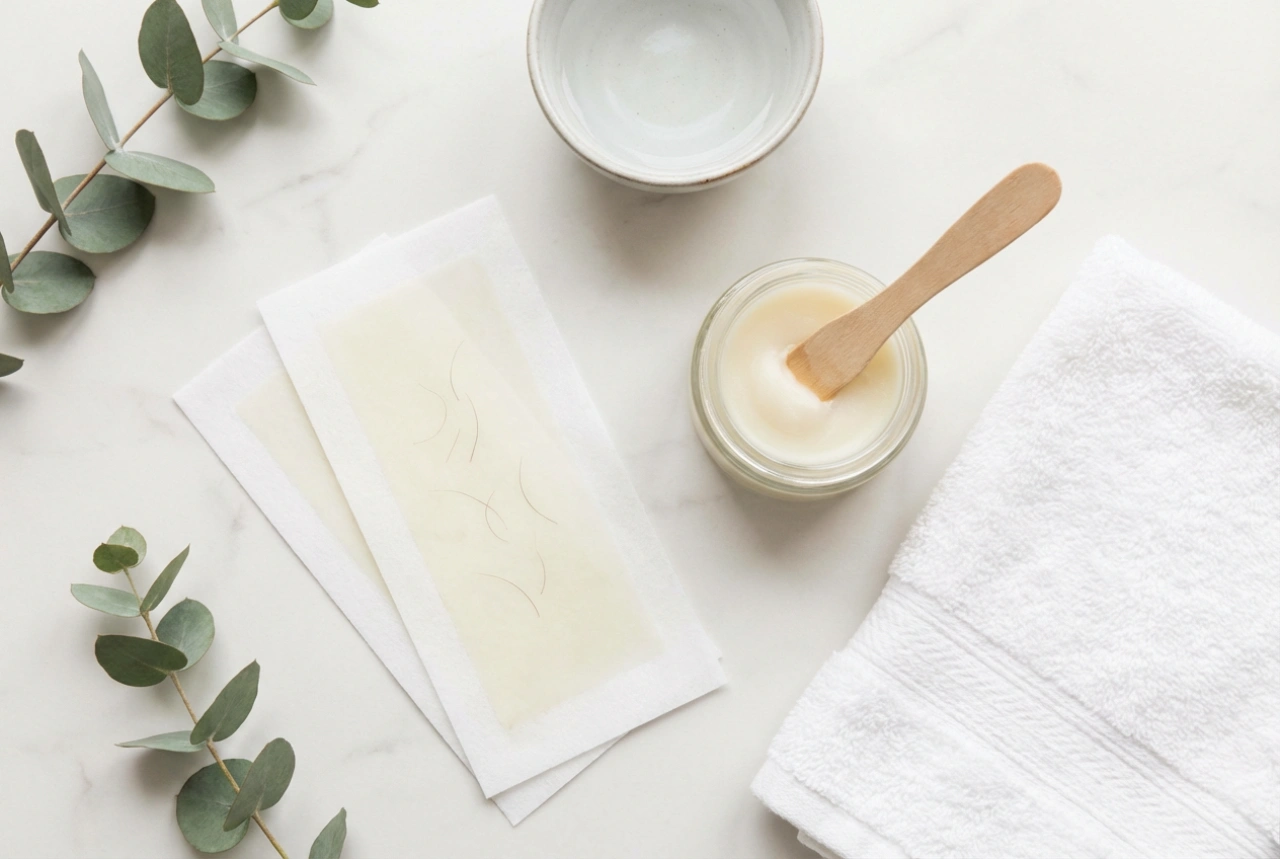
For the treatment to be effective, the hair needs to be present in the follicle to act as a conductor for the light energy. However, any hair above the skin's surface can burn and cause an unpleasant smell or skin irritation. Therefore, it is essential to shave the area you plan to treat approximately 12 to 24 hours before your session. This ensures the light energy is directed efficiently to the follicle beneath the skin. Avoid waxing, epilating, or plucking in the weeks leading up to and between treatments, as these methods remove the entire hair shaft and root, leaving nothing for the light to target.
Ensure Skin is Clean and Dry
Before starting your session, the treatment area must be completely clean, dry, and free of any products. Wash your skin to remove any lotions, creams, oils, or deodorants. Residue on the skin can block the light pulses or, in some cases, cause an adverse reaction when heated by the device. Pat the skin completely dry with a soft towel before you begin.
The Step-by-Step Guide to a Smooth Session
Once your skin is prepped, you can proceed with the treatment. Approach this process methodically and calmly to ensure safety and effectiveness.
Perform a Patch Test
If you are using the device for the first time or treating a new body area, a patch test is non-negotiable. Choose a small, inconspicuous spot within the area you wish to treat and apply one or two flashes at the intensity level you plan to use. Wait for at least 24 to 48 hours and monitor the area for any adverse reactions like excessive redness, blistering, or pigmentation changes. If your skin looks and feels normal, you can proceed with a full treatment.
Select the Correct Intensity Level
At-home devices come with multiple intensity settings. The correct level depends on your skin tone and comfort. Many devices have sensors that automatically recommend the best setting. If you have to choose manually, start with the lowest setting and gradually increase it until you feel a warm, slightly snapping sensation, but no pain. Refer to your device's manual for guidance. Using a setting that is too high can cause discomfort and irritation, while a setting that is too low will be ineffective.
The Treatment Technique
Press the device's window firmly against your skin, ensuring full contact. Press the flash button and wait for the light pulse. Glide the device to the next spot, making sure not to overlap the treated areas, as this can increase the risk of irritation. Work in a grid-like pattern to ensure you cover the entire area evenly without missing any spots. Take your time and maintain a steady, gentle pressure.
Post-Treatment Care: Nurturing Your Skin
What you do after the session is just as important as what you do before. Proper aftercare helps soothe the skin, prevent irritation, and protect it while it's in a sensitive state.
Soothe and Moisturise
After a session, your skin may feel slightly warm and appear a little pink, which is normal and usually subsides within a few hours. Apply a gentle, fragrance-free, and alcohol-free moisturiser or a soothing gel (like one containing aloe vera) to calm the skin. This helps to hydrate and restore its natural barrier. Avoid any harsh products that could cause further irritation.
Sun Protection is Essential
Your skin will be more sensitive to UV radiation after a light-based treatment. It is crucial to avoid direct, unprotected sun exposure on treated areas for at least 48 hours. For several weeks following treatment, apply a broad-spectrum sunscreen with a high SPF (30 or above) to any areas that might be exposed to the sun, even on cloudy days. This helps prevent pigmentation changes and protects your skin.
What to Avoid Immediately After
For the first 24 hours after your treatment, avoid anything that could introduce excess heat or friction to the treated area. This includes hot baths, saunas, steam rooms, and swimming in chlorinated water. It's also wise to wear loose-fitting clothing to prevent rubbing against the sensitised skin. Do not use any harsh chemical exfoliants or scrubs for a few days post-treatment.