

Achieving smooth, comfortable skin is a key part of many self-care routines, helping you feel confident and refreshed. When it comes to swimwear season or simply personal preference, managing the bikini area is a common goal. Classic bikini hair removal is a popular and straightforward choice that provides a neat, tidy appearance without being overly styled. It focuses on creating a clean line that follows the natural shape of standard underwear or bikini bottoms, making it an excellent starting point for anyone new to bikini grooming.
What is a Classic Bikini Line?
A classic, or standard, bikini line tidy-up involves removing the hair that would be visible from outside a typical pair of bikini bottoms. Imagine wearing your favourite swimwear; any hair that shows along the top and side creases of the legs is what's targeted. This method doesn't involve removing hair from the top or going further inward. The result is a natural-looking, clean finish that is perfect for everyday confidence and comfort. It's the most modest style of bikini hair removal and is focused on simply 'tidying up the edges'.
Preparing Your Skin for Bikini Hair Removal
Proper preparation is the secret to a more comfortable experience and better results, regardless of the hair removal method you choose. Taking a few simple steps beforehand can help minimise irritation and prevent common issues like ingrown hairs.
Cleanse and Exfoliate Gently
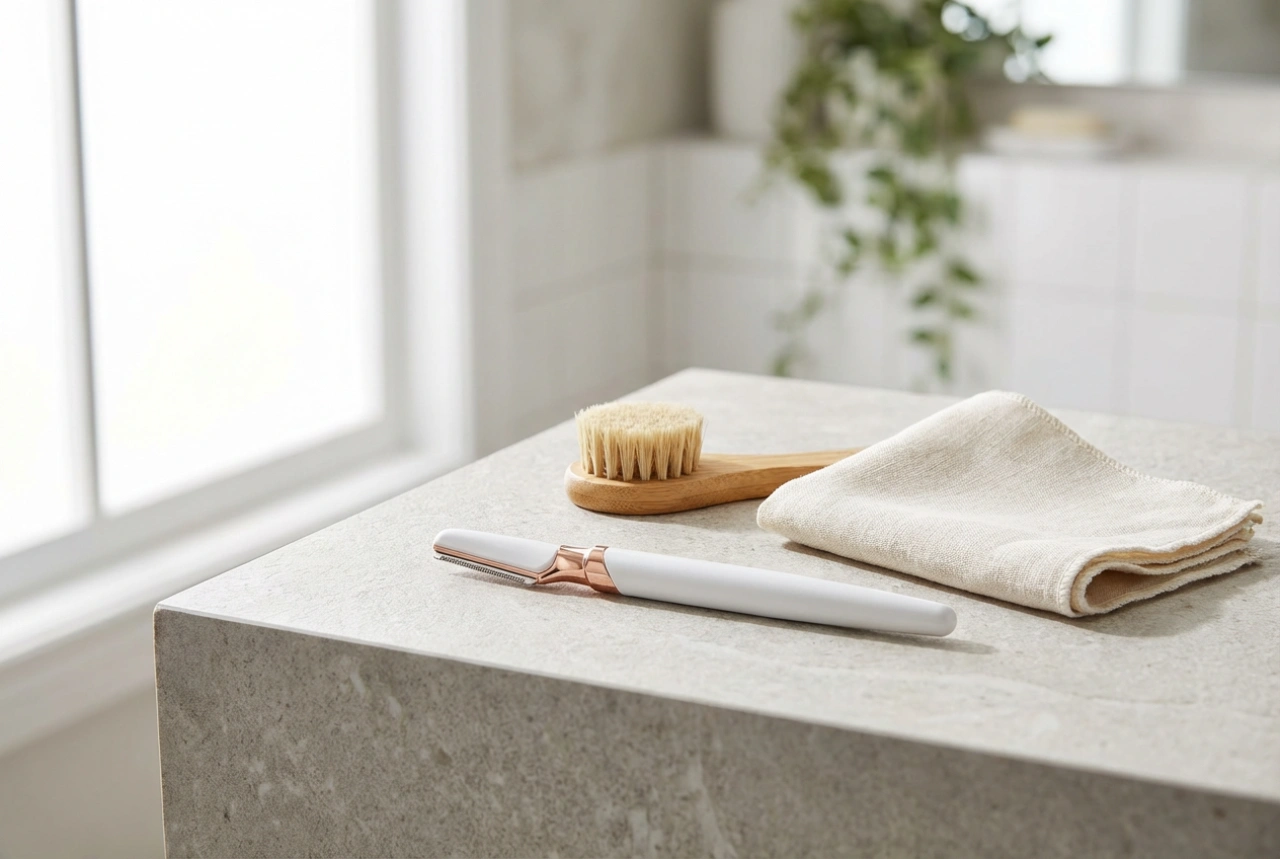
The day before you plan to remove hair, gently wash the bikini area with a mild, fragrance-free cleanser to remove any impurities. Follow this with gentle exfoliation. You can use a soft washcloth or a very mild body scrub to slough away dead skin cells. This helps to free any trapped hairs, allowing for a cleaner removal and reducing the likelihood of bumps later on.
Trim the Hair
If the hair in your bikini area is long, it's wise to trim it before proceeding with methods like waxing or epilating. The ideal length is around 6 millimetres (about a quarter of an inch). Hair that is too long can make the process more uncomfortable, while hair that is too short may be difficult for wax or an epilator to grip effectively. Use a pair of small, clean scissors or an electric trimmer with a guard for this step.
Check Your Skin's Condition
Never perform hair removal on skin that is irritated, broken, inflamed, or sunburnt. This can worsen the existing issue and lead to significant discomfort. If your skin is sensitive or compromised, wait until it has fully healed before attempting any form of hair removal.
At-Home Hair Removal Techniques for the Bikini Line
There are several effective methods for maintaining a classic bikini line at home. The best one for you depends on your personal preference, skin sensitivity, and how long you want the results to last.
Shaving
Shaving is one of the quickest and most accessible methods. For best results, always use a sharp, clean razor. Wet the skin and apply a hydrating shaving cream or gel to create a protective barrier. Shave in the direction of hair growth to minimise the risk of razor burn and ingrown hairs. While fast and painless, remember that results from shaving are short-lived as it only cuts the hair at the skin's surface.
Waxing at Home
Home waxing kits can provide longer-lasting smoothness by removing hair from the root. There are two main types: soft wax, which is removed with fabric strips, and hard wax, which solidifies and is pulled off on its own. Hard wax is often preferred for the sensitive bikini area as it adheres only to the hair, not the skin. To wax effectively, apply the wax in the direction of hair growth, hold the skin taut with one hand, and quickly pull the strip or wax off in the opposite direction.
Epilating
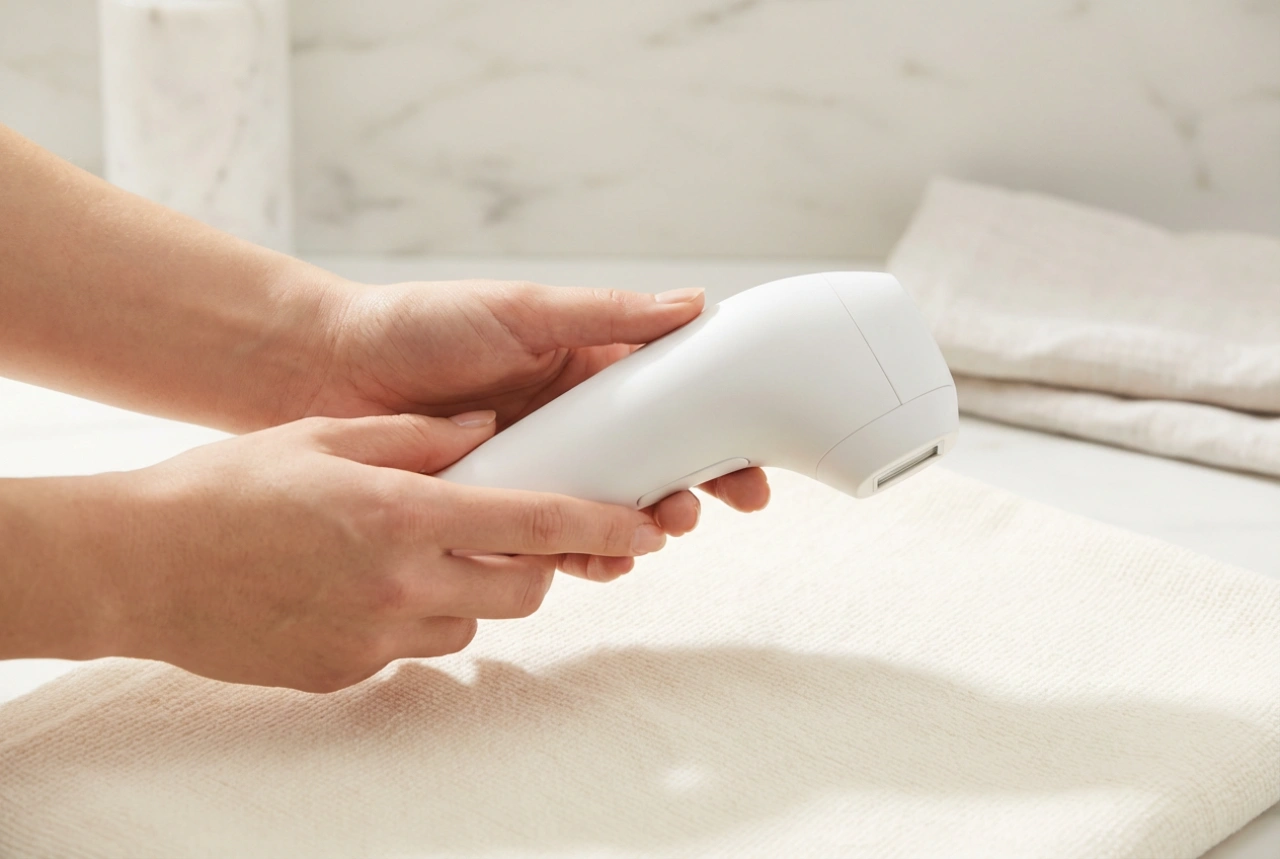
An epilator is an electrical device with rotating tweezers that pulls multiple hairs out from the root, similar to waxing. While it can be uncomfortable, especially at first, the results are long-lasting. If you are new to epilating, you might want to start on the lowest setting and test it on a less sensitive area first. Keeping the skin taut as you move the device can help reduce discomfort.
Depilatory Creams
Depilatory creams work by chemically dissolving hair at the surface of the skin. They are a painless option, but it is absolutely crucial to perform a patch test on a small area of skin 48 hours before full application. The bikini area is very delicate, so choose a cream specifically formulated for sensitive skin or the bikini line and never leave it on for longer than the instructions recommend.
Aftercare: Keeping Your Bikini Line Smooth and Calm
What you do after hair removal is just as important as the preparation. Good aftercare helps to soothe the skin, prevent irritation, and maintain your smooth results for longer.
Soothe Immediately After
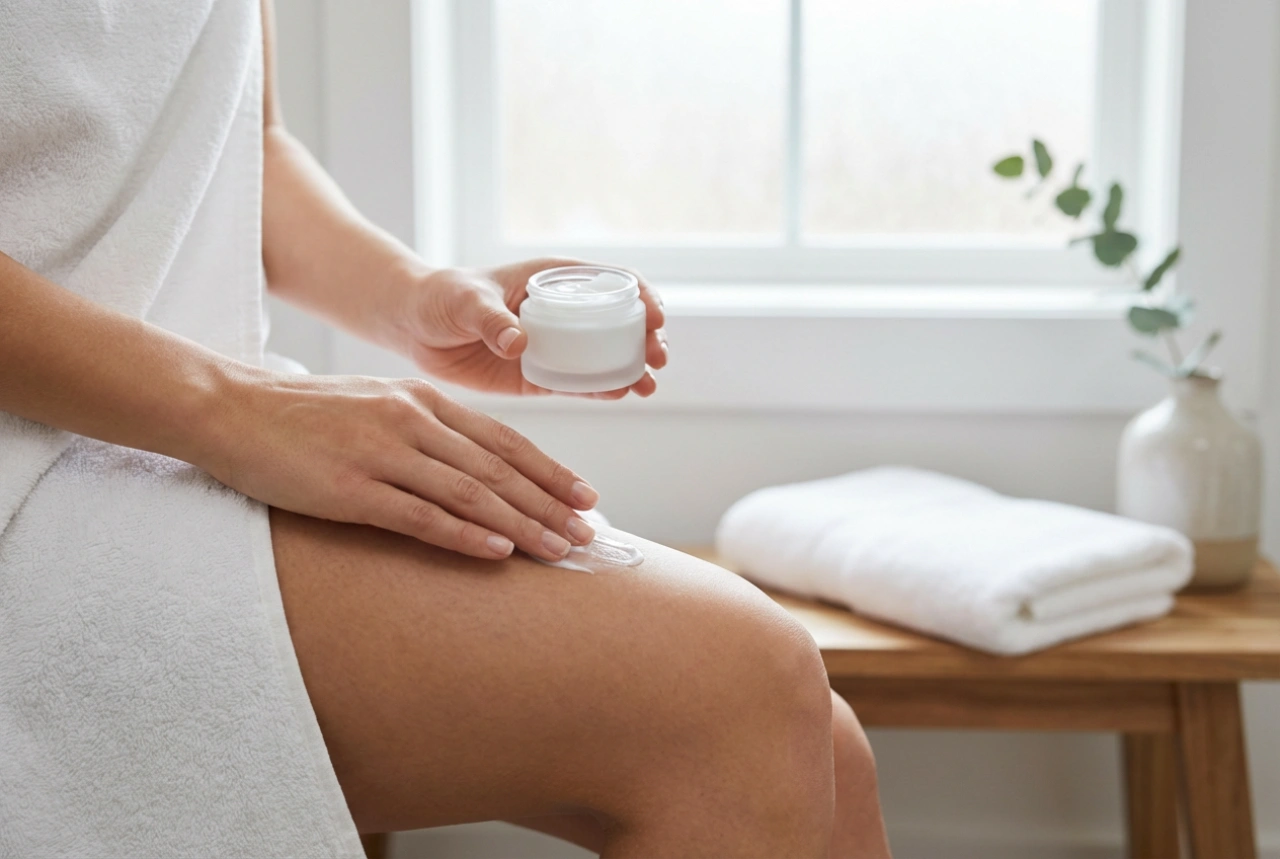
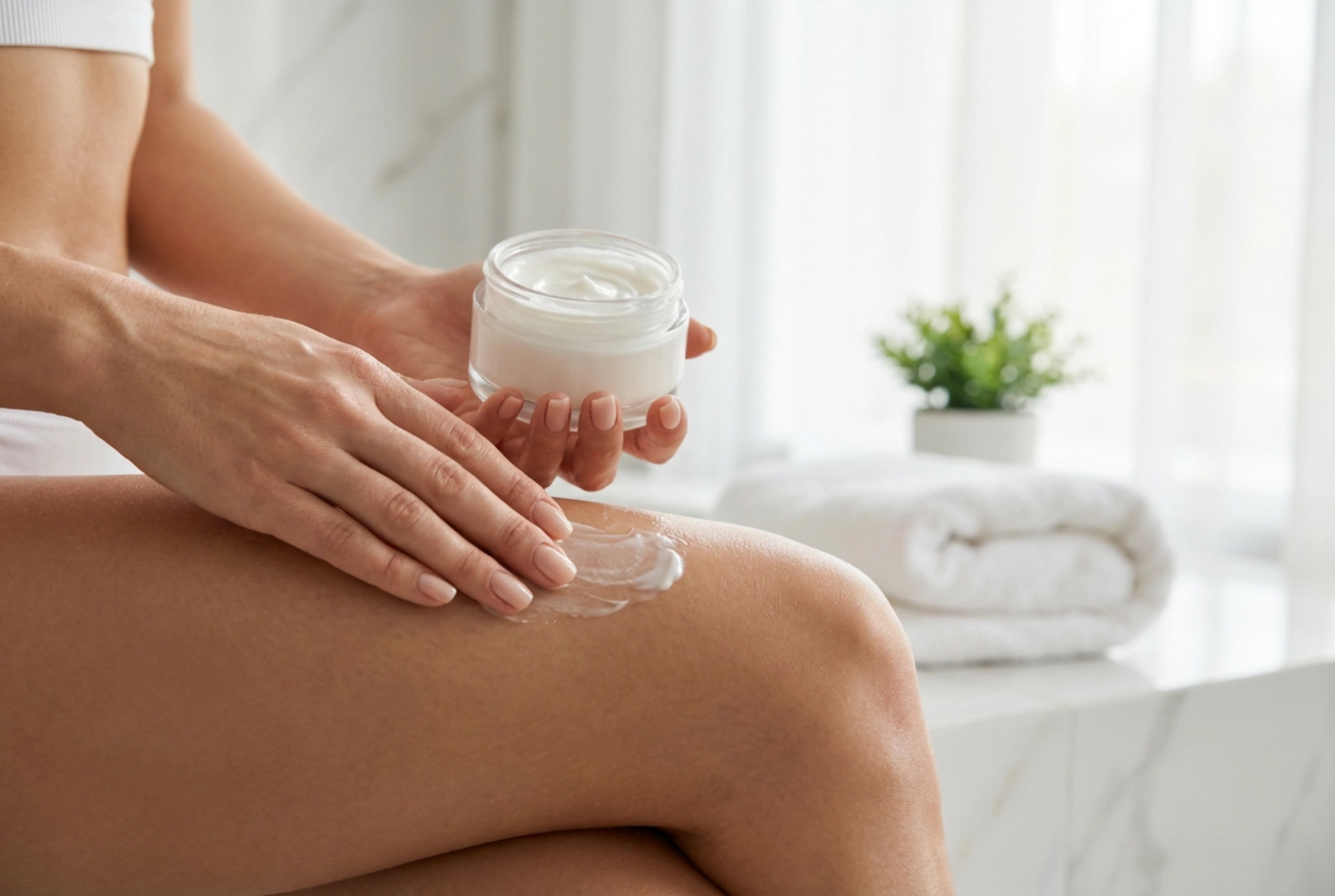
After hair removal, rinse the area with cool water and gently pat it dry. Avoid rubbing the skin. Apply a gentle, fragrance-free and alcohol-free moisturiser or a soothing gel, such as one containing aloe vera, to calm the skin. For the next 24 hours, wear loose-fitting cotton underwear and avoid tight clothing to prevent friction and allow your skin to breathe.
Preventing Ingrown Hairs
To help prevent ingrown hairs, begin gently exfoliating the area again about two to three days after hair removal. Continue to exfoliate two to three times per week. This consistent routine helps keep the skin clear and prevents hair from becoming trapped as it regrows.
What to Avoid Post-Removal
For at least 24-48 hours after hair removal, avoid hot baths, saunas, swimming in chlorinated pools, and intense workouts that cause a lot of sweating. These activities can introduce bacteria to sensitive follicles or cause irritation, leading to redness and bumps.