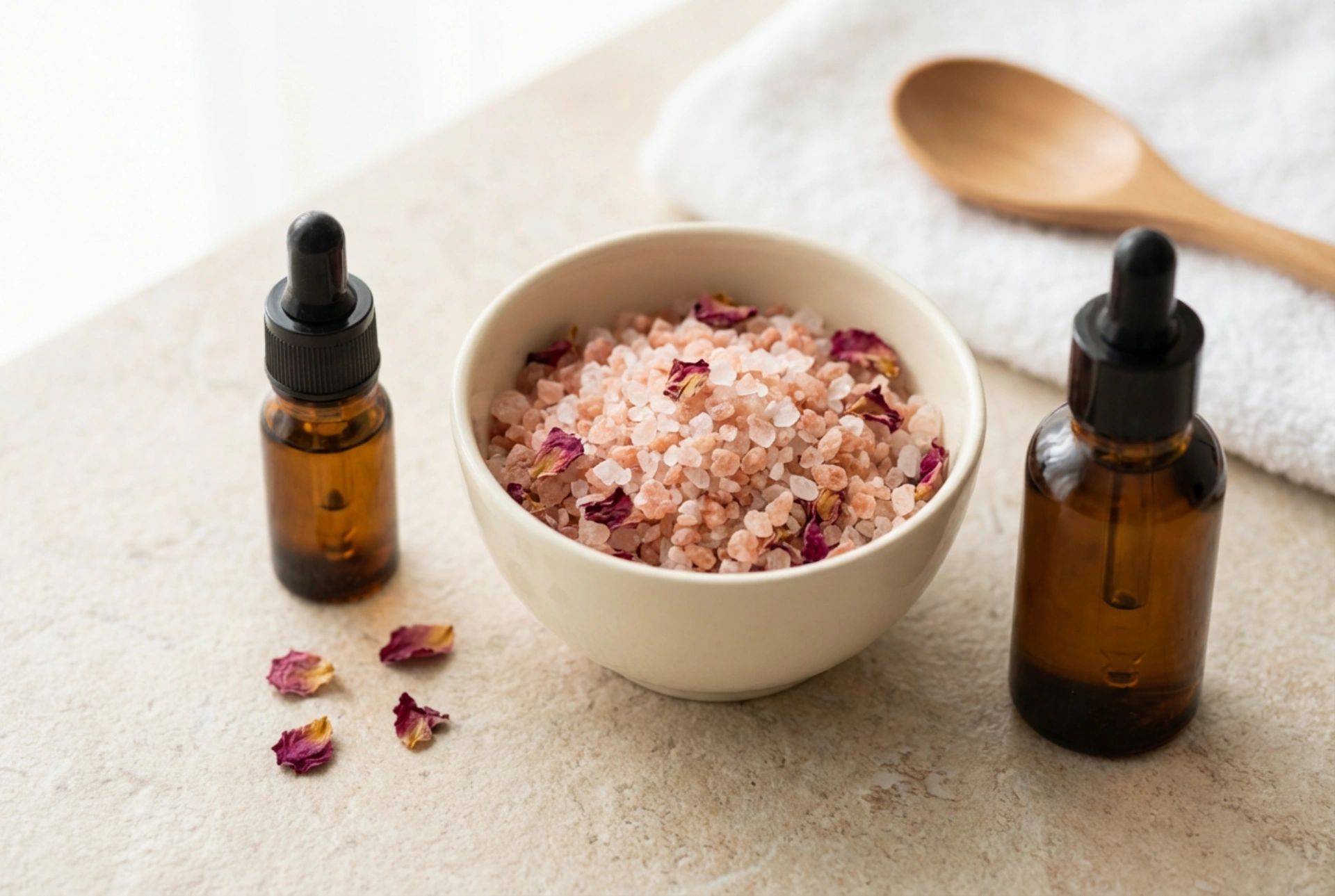


Creating a relaxing home spa experience has become a cornerstone of modern self-care. Among the most popular ingredients used to elevate a simple bath into a restorative ritual is pink Himalayan salt. Known for its beautiful rosy hue and mineral-rich composition, this natural salt can transform your bathing routine into a deeply soothing experience. By combining it with delicate botanicals and comforting aromas, you can create a serene sanctuary right in your own bathroom.
The benefits of Himalayan salt baths
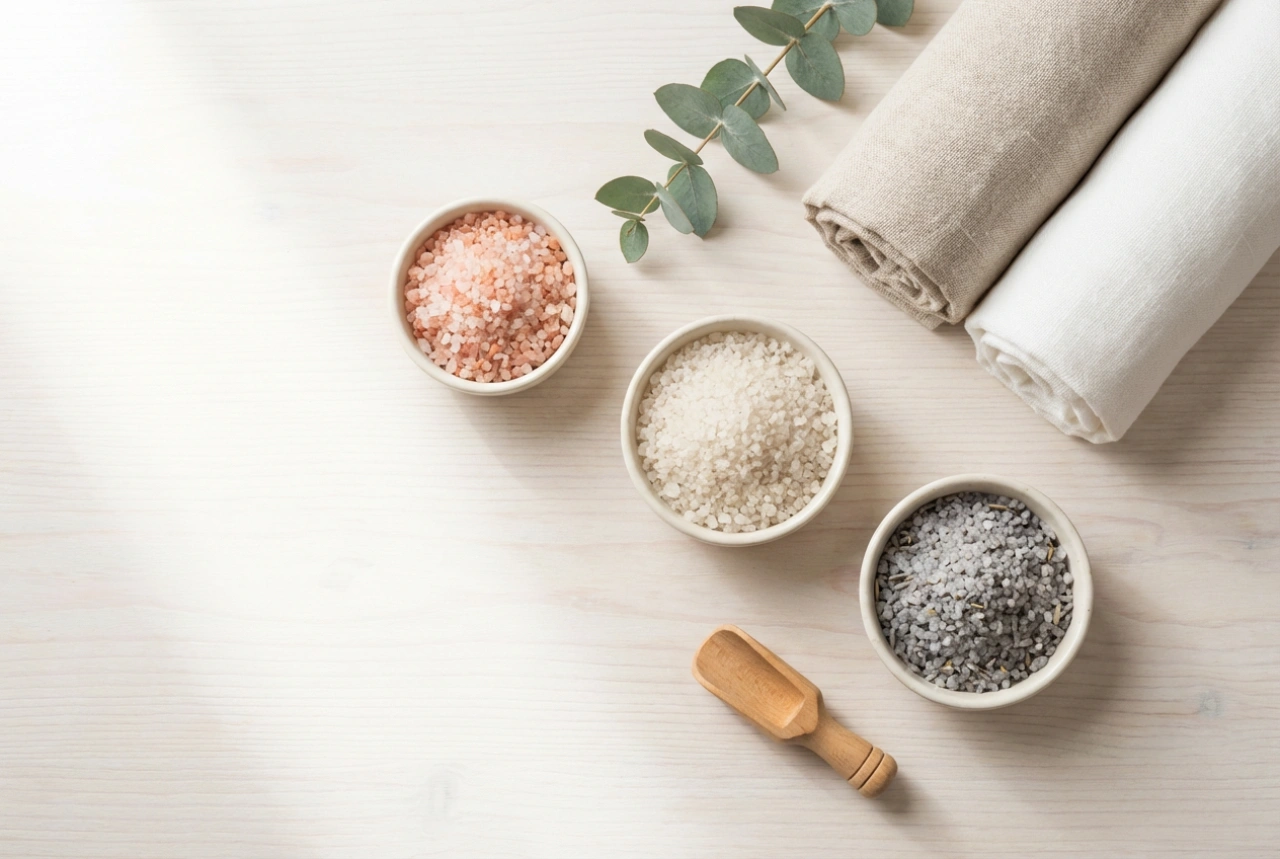
Himalayan salt is harvested from ancient deposits and is cherished for its purity. When dissolved in warm water, it creates a wonderfully supportive environment for your skin and senses. A warm soak helps to ease the feeling of physical tension after a long day, encouraging a sense of deep relaxation. Unlike regular table salt, Himalayan salt contains a variety of trace minerals that contribute to its distinctive colour and skin-softening properties, making it an excellent addition to your evening wellness routine.
How to prepare the perfect salt bath
To get the most out of your salt bath, it is important to prepare the water and salt ratio correctly. Follow these simple steps for a comforting soak:
- Choose the right amount: For a standard-sized bathtub, add about one to two cups of coarse pink Himalayan salt.
- Temperature matters: Fill the tub with warm, but not excessively hot, water. Ideally, the water should be close to body temperature (around 37 to 38 degrees Celsius) to ensure a comfortable and relaxing experience.
- Dissolve the salt: Add the salt while the tub is filling to help the crystals dissolve fully. You can stir the water gently with your hand to speed up the process.
- Soak time: Immerse yourself in the warm bath for 15 to 20 minutes. This is the optimal time to allow your body to relax without over-drying your skin.
Aromatic additions for a sensory experience
While a pure Himalayan salt bath is wonderfully comforting on its own, adding natural essential oils and dried botanicals can elevate the experience into a true sensory ritual. Incorporating these elements allows you to customise the atmosphere according to your mood.
Relaxing lavender and rose
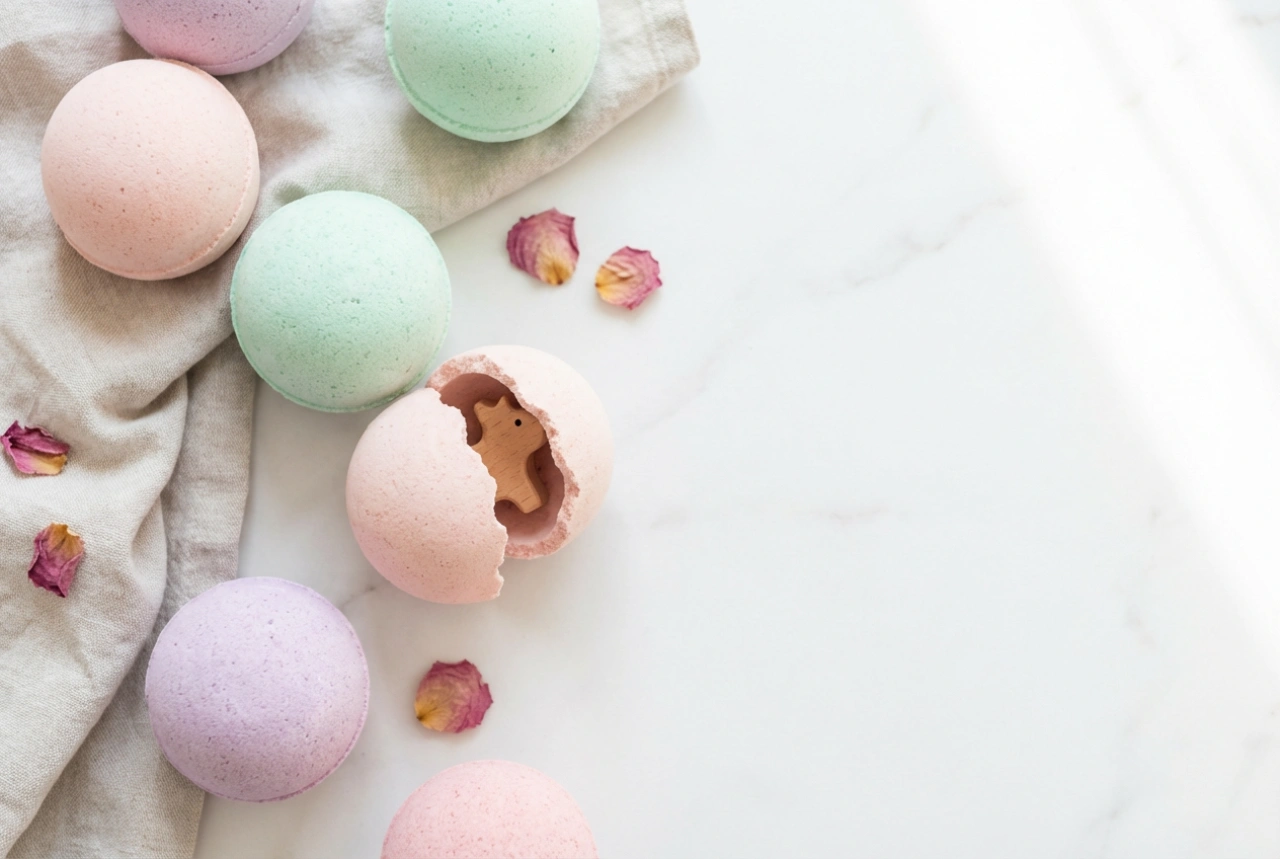
For a soothing evening bath that prepares you for a peaceful night, consider combining your Himalayan salt with dried rose petals and a few drops of lavender essential oil. Since essential oils do not mix directly with water, it is best to blend them with a tablespoon of a carrier oil, such as sweet almond or jojoba oil, before stirring them into the salt and bathwater. The delicate pink petals floating on the surface create a beautiful, minimalist aesthetic that enhances the feeling of a professional spa.
Refreshing eucalyptus and citrus
If you prefer a more revitalising bath to awaken your senses, choose essential oils with fresh, uplifting profiles. A blend of eucalyptus and sweet orange oils, diluted in a gentle carrier oil, works beautifully with the mineral qualities of Himalayan salt. This combination is particularly pleasant during the colder months when you want to feel refreshed and cleared.
Post-bath skin care
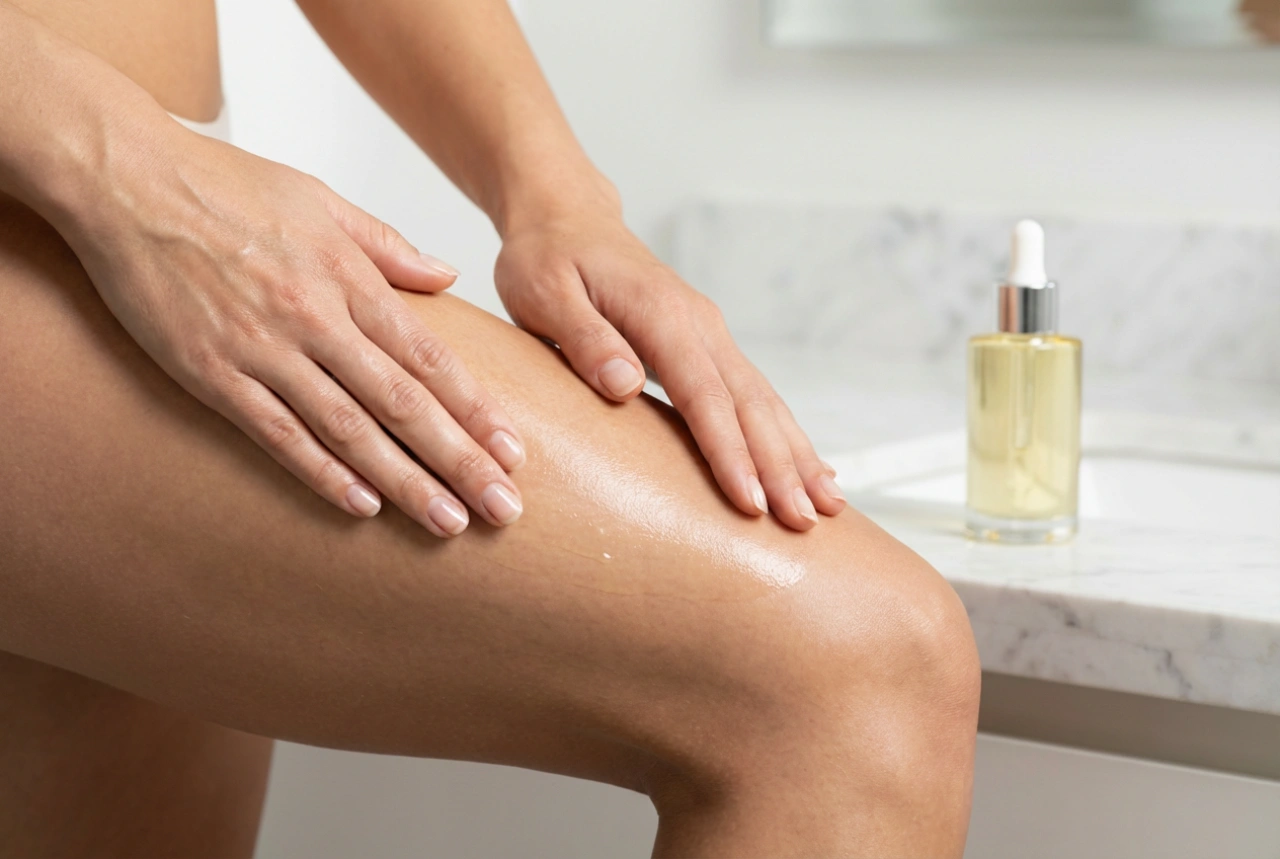
After your Himalayan salt bath, gently rinse your skin with clean, lukewarm water to remove any excess salt. Pat your skin dry with a soft towel rather than rubbing vigorously. To lock in the moisture and keep your skin feeling incredibly soft, apply a nourishing body lotion or a light body oil immediately after drying. Rest for a few minutes after your bath to allow your body to gently transition back to its normal temperature, extending that wonderful feeling of peace and relaxation.