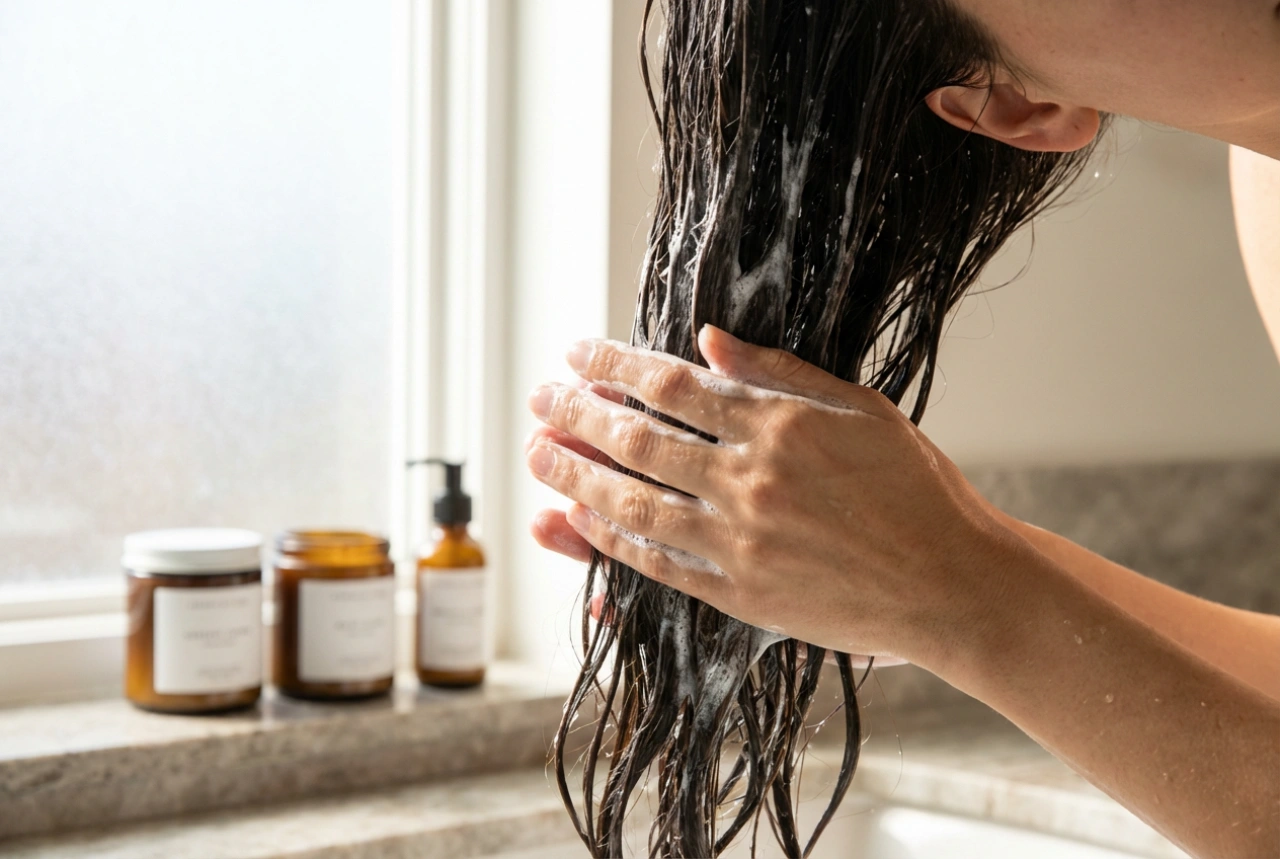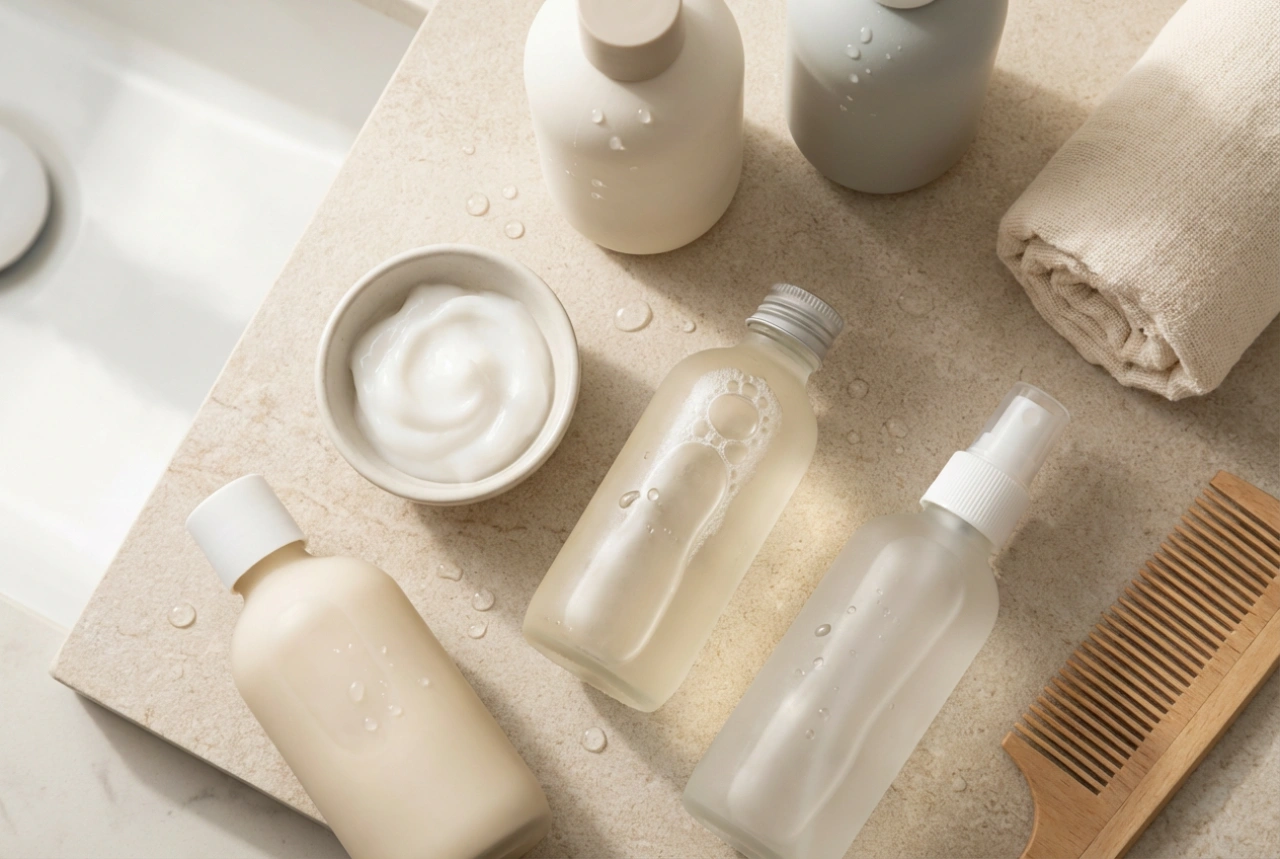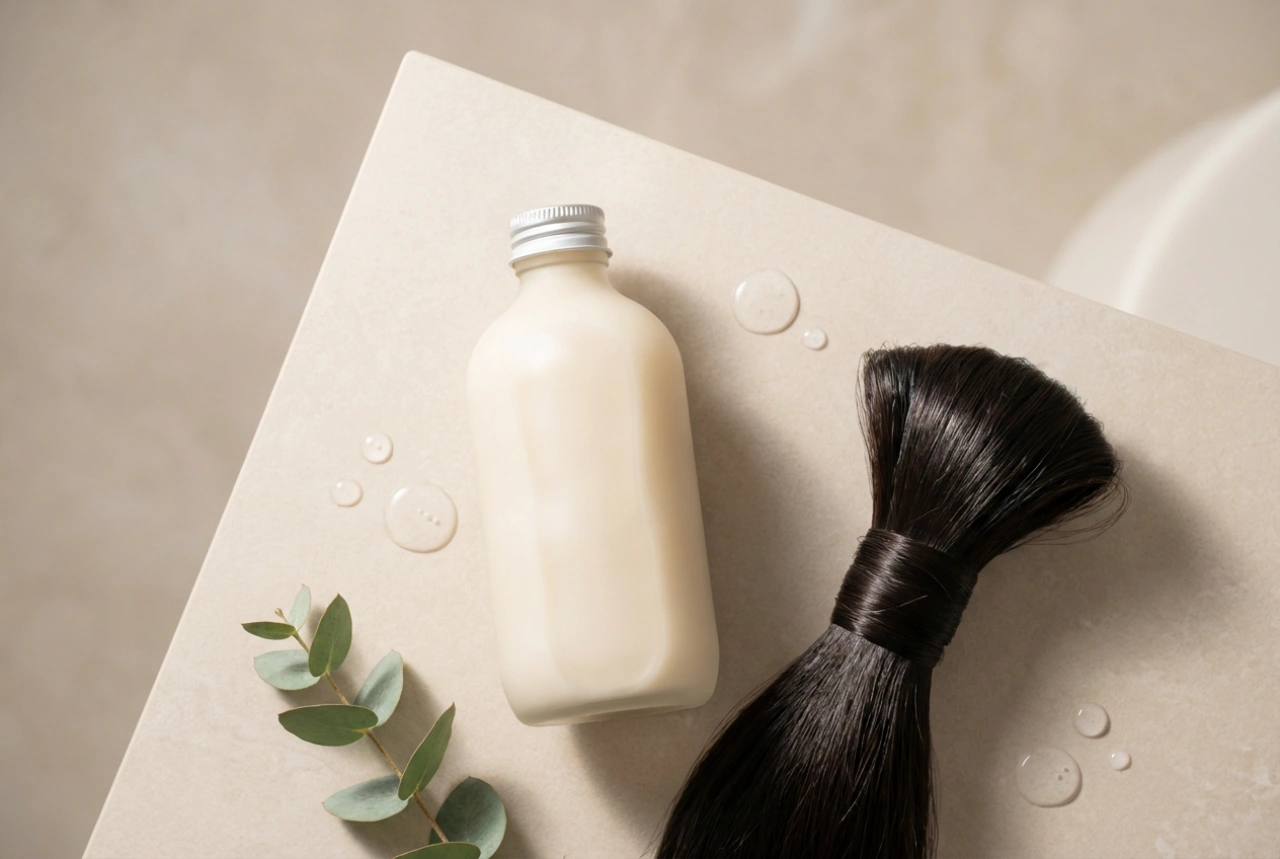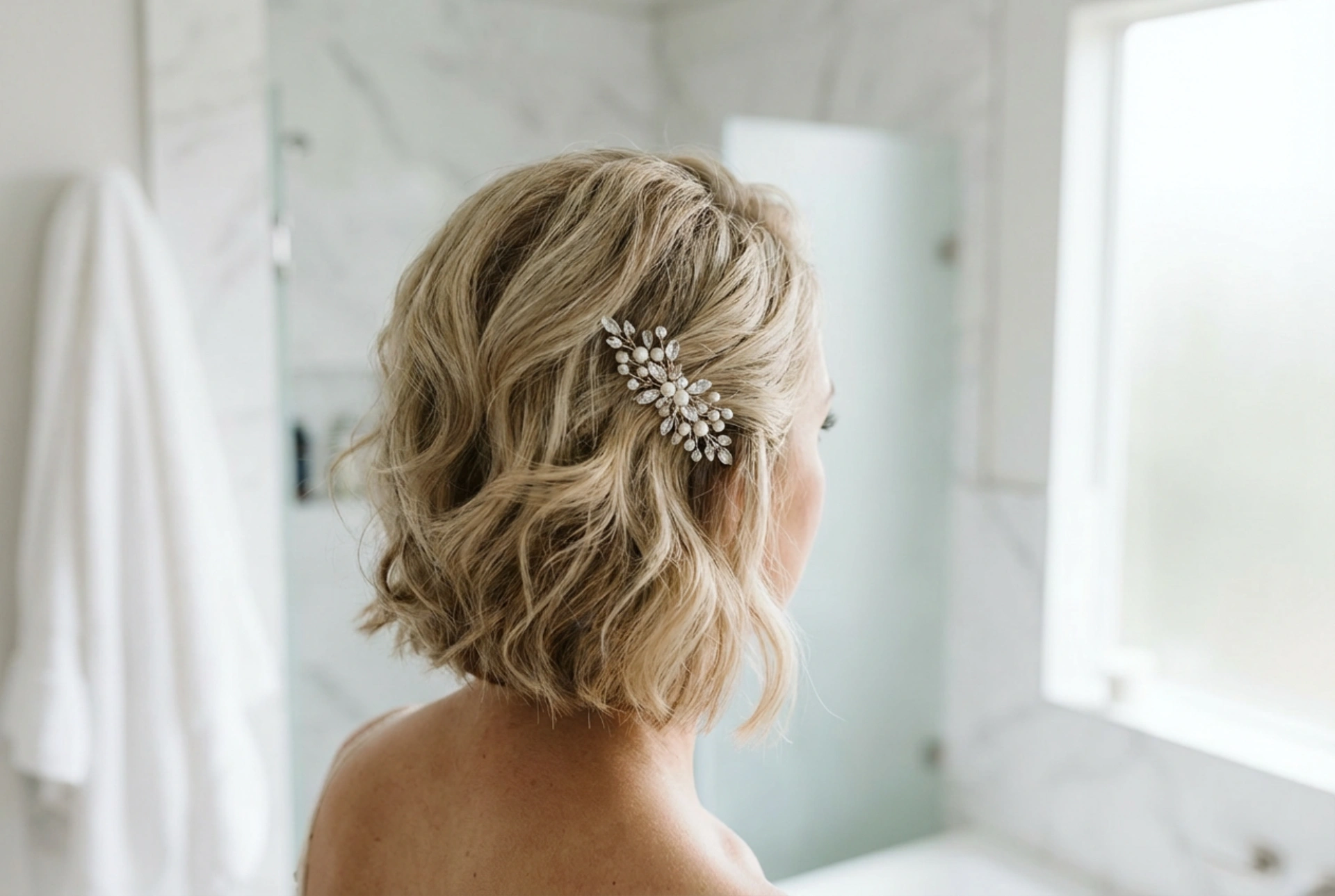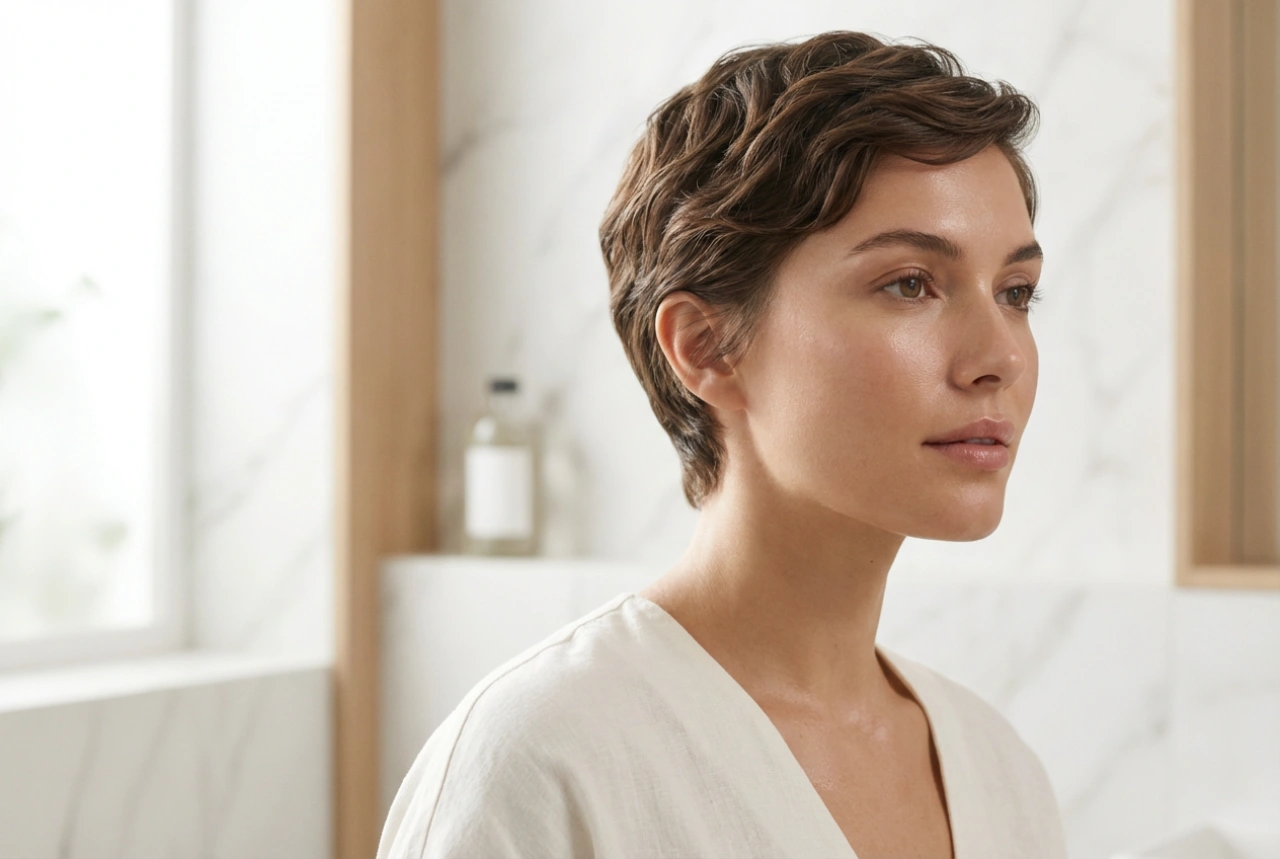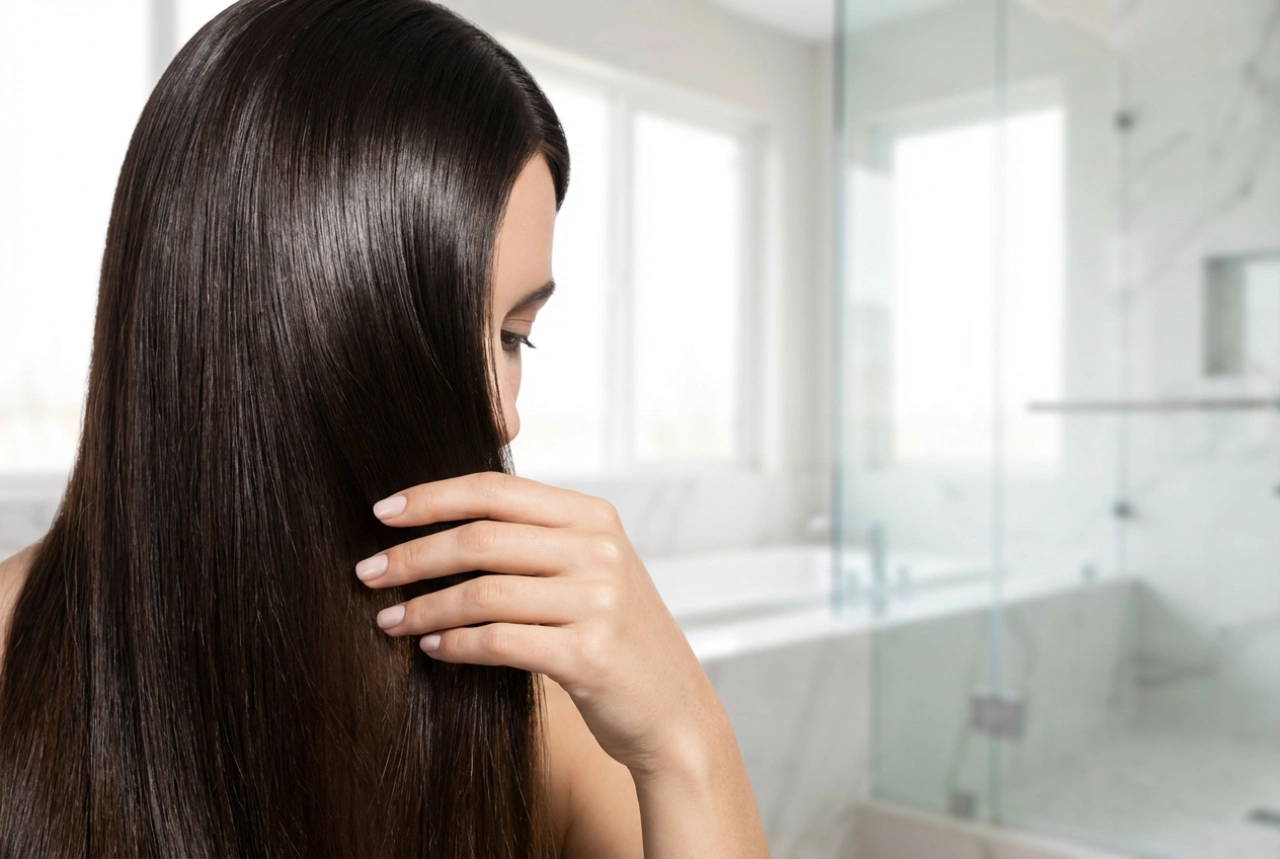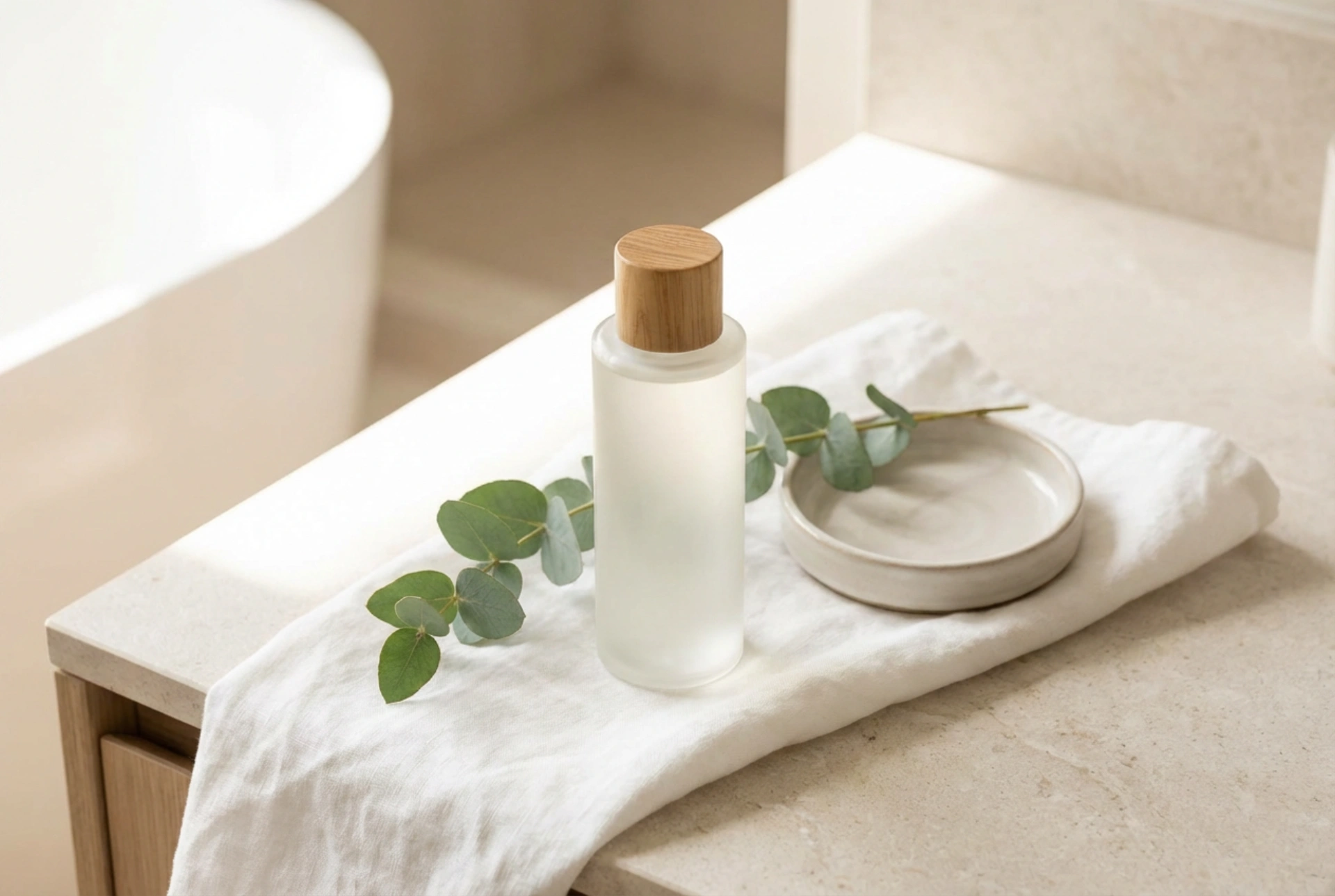


The pursuit of healthy, radiant hair often begins with a closer look at the ingredients list on our daily hair care products. In recent years, a minimalist approach to beauty has gained immense popularity, represented by gentle formulas that prioritise natural balance. Soft green leaves, clean linen, and simple packaging symbolise this shift towards pure, uncomplicated hair care. Among the most discussed alternatives to traditional hair care are shampoos formulated without SLS and parabens. Understanding how these products work can help you make an informed decision for your daily grooming routine.
Understanding SLS and Parabens in Hair Care
To appreciate the benefits of milder shampoos, it is helpful to understand what traditional ingredients do. SLS, or Sodium Lauryl Sulfate, is a highly effective cleansing agent and foaming ingredient. It is responsible for the rich, bubbly lather that many people associate with cleanliness. While it efficiently removes oil and product build-up, its strong cleansing action can sometimes be too intense for certain hair and scalp types.
Parabens, on the other hand, are a group of synthetic preservatives used to prevent the growth of bacteria and mould in cosmetic products. They extend the shelf life of beauty products, ensuring they remain safe to use over time. While they serve a practical purpose, modern cosmetic formulation has evolved to offer alternative preservation methods that appeal to those seeking gentler self-care routines.
How Do SLS-Free and Paraben-Free Shampoos Work?
Shampoos formulated without these traditional ingredients rely on alternative cleansing agents and preservation systems to maintain product quality and efficacy. Instead of harsh sulfates, they utilise mild surfactants derived from natural sources, such as coconut or sugars. These gentle cleansers lift away excess sebum and daily impurities without stripping the hair shaft of its natural oils.
Because these alternative cleansers are milder, they do not produce the same abundance of thick foam as conventional shampoos. Instead, they create a low-foaming, creamy lather that cleanses gently while maintaining the delicate moisture balance of both the hair fibres and the scalp.
The Benefits of a Gentler Cleanse
- Moisture Retention: By avoiding strong detergents, the hair retains its natural lipid barrier, preventing excessive dryness and dullness.
- Scalp Comfort: Mild cleansers are less likely to cause irritation, itching, or dryness on a sensitive scalp.
- Colour Protection: For those with coloured hair, gentle cleansing helps prevent the premature fading of pigments, keeping the colour vibrant for longer.
- Improved Hair Texture: Regular use of milder formulas can lead to softer, smoother strands that are easier to detangle and style.
Who Should Choose This Type of Hair Care?
While gentle hair care can benefit almost anyone, certain hair types and concerns respond particularly well to formulas free from SLS and parabens. People with naturally dry, coarse, or curly hair often notice the most significant improvement, as these hair types are naturally prone to moisture loss and require extra care to maintain their structure.
Those with a sensitive or easily irritated scalp will also find comfort in milder formulas. Without the strong stripping action of sulfates, the scalp can maintain its natural protective barrier, reducing the occurrence of flaking and discomfort. Additionally, if you wash your hair very frequently, a gentle shampoo ensures you do not over-cleanse and dry out your strands through daily washing.
Tips for Transitioning to a Mild Shampoo
When switching to a sulfate-free and paraben-free shampoo, your hair and scalp may undergo a brief transition period. Because these products cleanse more gently, it might take a couple of weeks for your scalp to adjust its natural sebum production. During this time, your hair might feel slightly different, but this is a normal part of the balancing process.
To get the best results, ensure you thoroughly wet your hair before applying the product. Since these shampoos foam less, distributing the product evenly with plenty of water is key to achieving an effective cleanse. Focus the application on the scalp, massaging gently with your fingertips, and let the rinse-off water clean the lengths of your hair.