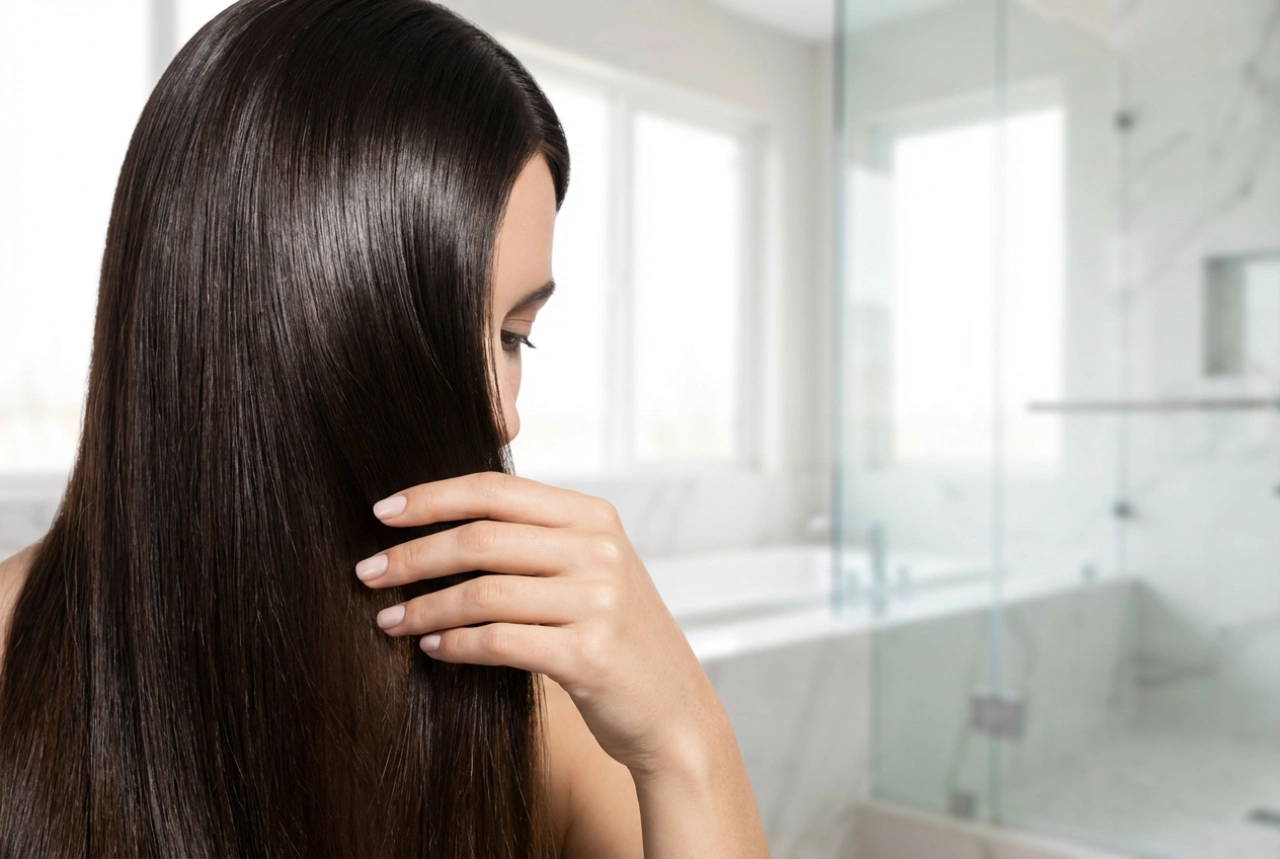


In the pursuit of healthy, lustrous locks, many hair care enthusiasts are moving away from traditional washing routines in favour of more mindful, multi-step techniques. One such method that has gained immense popularity is the OMO routine. This practice focuses on protecting the delicate mid-lengths and ends of the hair from the stripping effects of cleansing agents. By gently working a rich, creamy conditioner through the hair strands before any shampoo is applied, you create a protective shield that preserves moisture, resulting in a naturally radiant, soft, and healthy hair texture. This slow, attentive approach to hair wellness transforms an ordinary wash day into a luxurious, rejuvenating ritual.
What Exactly is the OMO Method?
The acronym OMO stands for "Conditioner-Wash-Conditioner" (derived from the terms OdŹywianie, Mycie, and OdŹywianie). It is a three-step washing technique designed to balance thorough scalp cleansing with deep hair fibre protection. Traditional shampooing can sometimes strip the hair of its natural oils, leading to dryness, frizz, and breakage, particularly at the ends. The OMO method restructures the washing process to neutralise this risk completely, ensuring that cleansing does not come at the cost of your hair's overall health.
By applying a conditioner first, you coat the most vulnerable parts of your hair with a protective barrier. When you subsequently apply shampoo to the scalp, the lather that rinses down the hair lengths cleanses gently without stripping away essential moisture. The final step of applying a second conditioner ensures that the hair cuticle is properly sealed, leaving your tresses deeply nourished, incredibly smooth, and easy to detangle.
Who Benefits Most from This Routine?
While the OMO method can be adapted for various hair types, it is particularly beneficial for those with specific hair concerns. If you struggle with dryness, frizz, or lacklustre locks, this routine might be the perfect addition to your self-care ritual.
- Dry and Porous Hair: Hair that has high porosity tends to lose moisture rapidly. The double-conditioning steps help to lock in hydration and smooth the outer cuticle layer, preventing moisture loss throughout the day.
- Curly and Wavy Hair: Curly textures are naturally drier because scalp oils do not travel down the hair shaft easily. The OMO method helps maintain curl definition, bounce, and prevents unwanted frizz.
- Fine but Damaged Hair: Those with fine hair often fear heavy conditioners because they can weigh the hair down. By using a lighter formula for the first step and rinsing it thoroughly, fine hair can enjoy protection without losing its natural volume.
- Colour-Treated and Styled Hair: Frequent styling, heat application, or colouring can leave hair vulnerable to dryness. This method provides the extra nourishment needed to restore softness and vitality.
Step-by-Step Guide to the OMO Method
Transitioning to the OMO method is simple and requires only a slight adjustment to your usual shower routine. To achieve the best results, follow these clear steps:
Step 1: The First Conditioning (O)
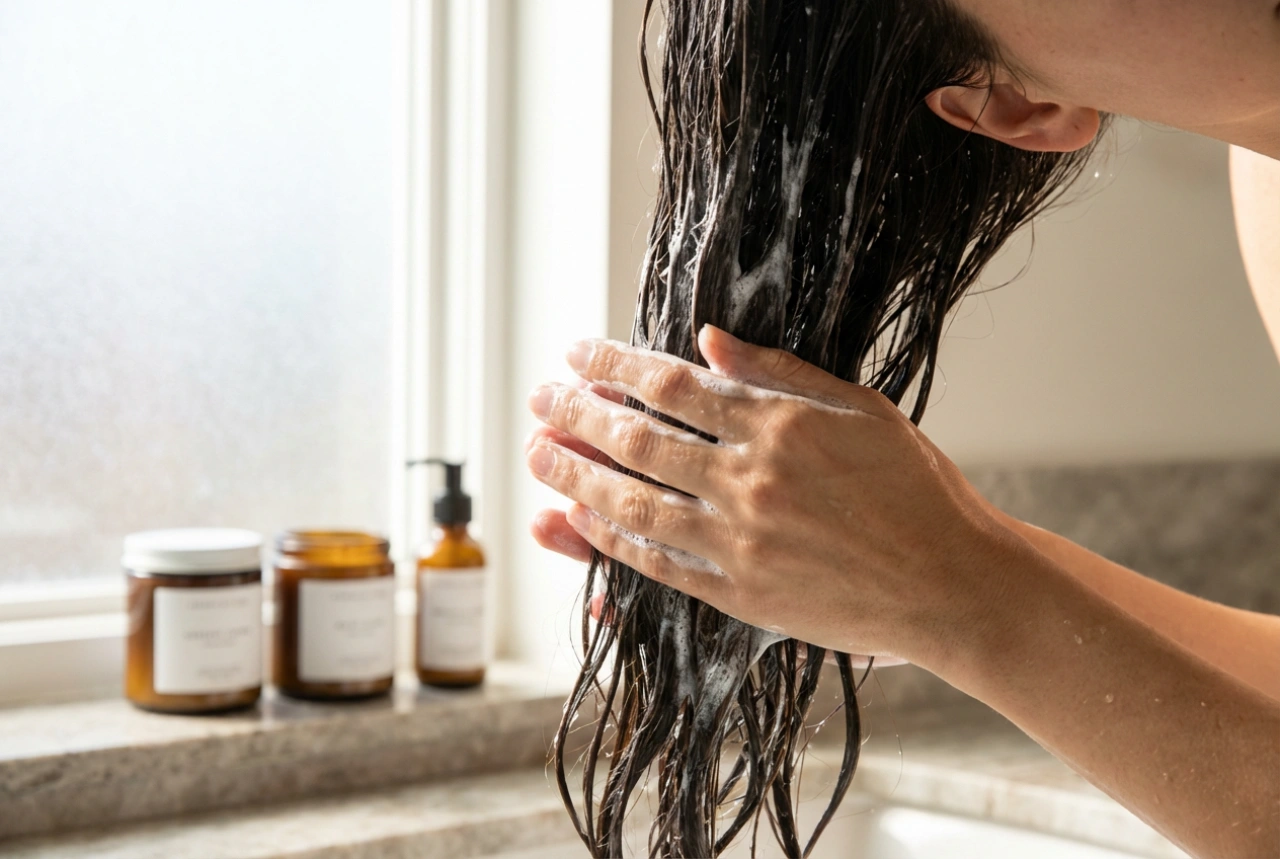
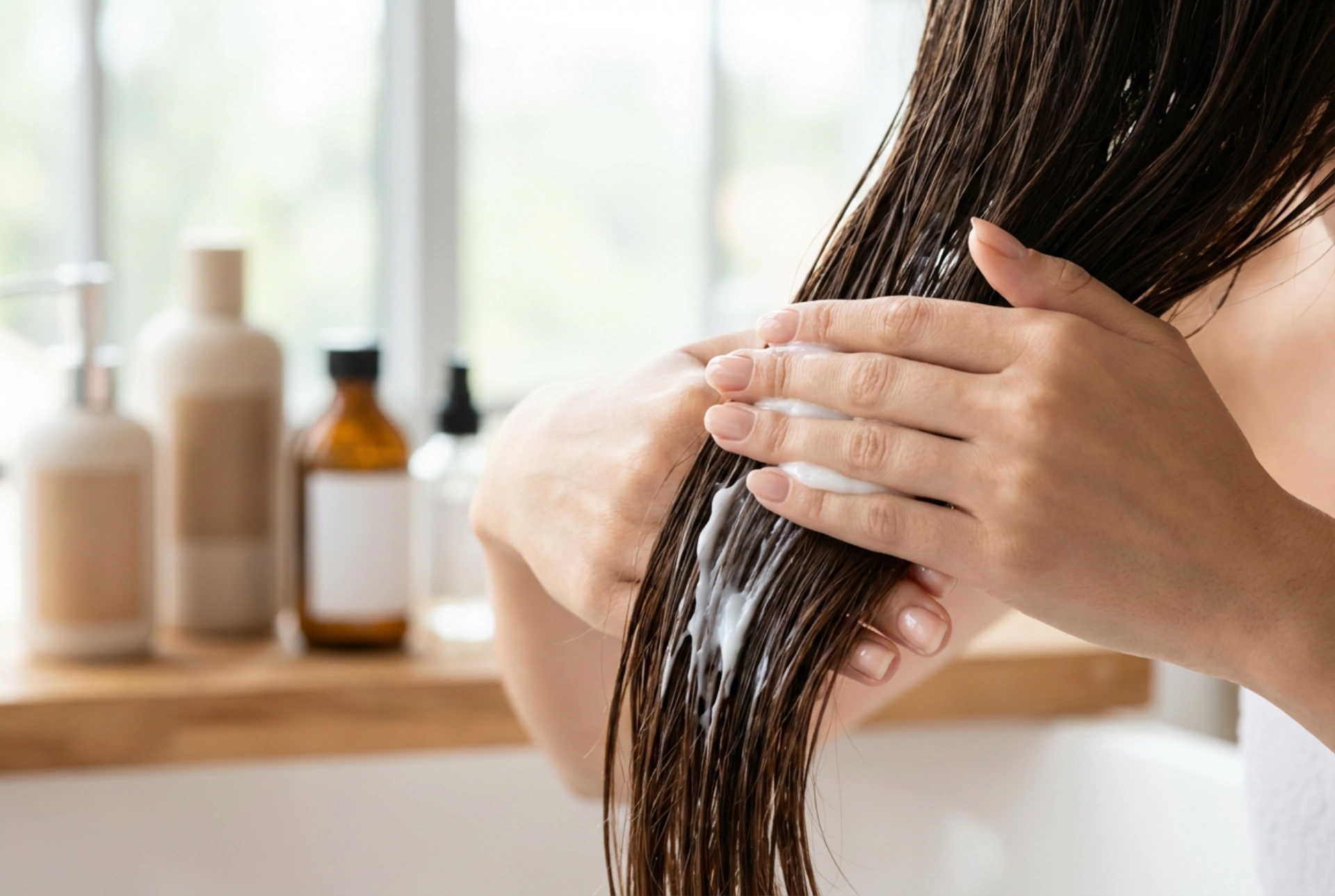
Begin by thoroughly wetting your hair with lukewarm water. Squeeze out any excess moisture so the hair is damp but not dripping. Take a generous amount of a light, hydrating conditioner and work it gently through the mid-lengths and ends. Use elegant, slow motions to distribute the creamy formula evenly, ensuring every strand is lightly coated. Focus particularly on the areas that feel driest or are most prone to tangling. Avoid applying conditioner near the scalp or roots, as this can lead to heaviness and premature oiliness. Leave this first layer on your hair while you proceed to the next step.
Step 2: The Wash (M)
Without rinsing out the first conditioner, apply a gentle, sulfate-free shampoo directly to your scalp. Massage the scalp thoroughly with your fingertips to remove excess sebum, sweat, and environmental impurities. Avoid rubbing the shampoo vigorously into the hair lengths. When you rinse the shampoo out with warm water, the lather will run down the coated hair strands, cleansing them gently without stripping away their natural moisture barrier. The first conditioner acts as a buffer, protecting the hair structure.
Step 3: The Second Conditioning (O)
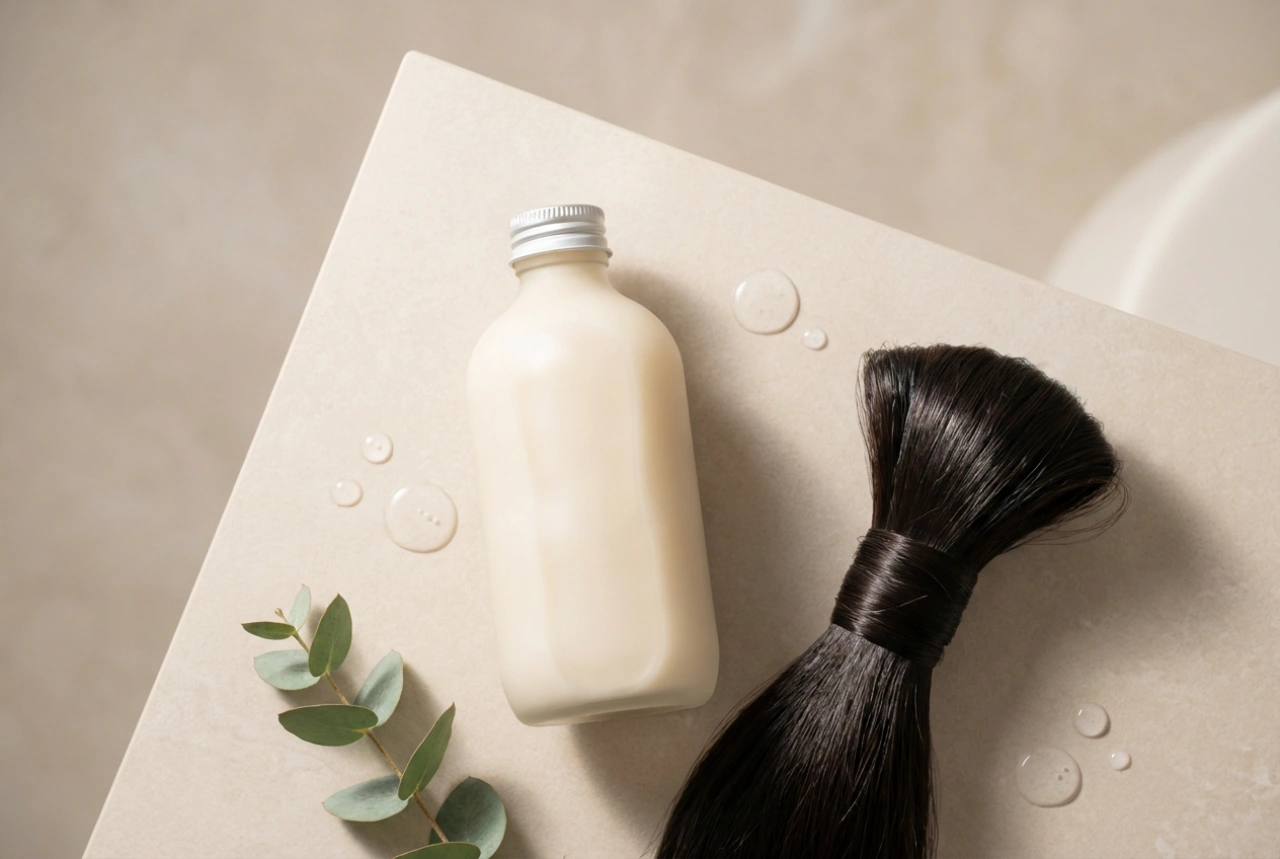
After rinsing the shampoo and first conditioner completely, gently squeeze the excess water from your hair. Now, apply your second conditioner. This should ideally be a richer, more nourishing formula than the first one. Emphasise the very tips of your hair, working the product in mindfully. Leave the product on for three to five minutes to allow the nourishing ingredients to penetrate the hair shaft. Rinse thoroughly with cool or lukewarm water to help seal the cuticles, enhancing natural shine and smoothness.
Key Tips for Choosing Your Hair Products
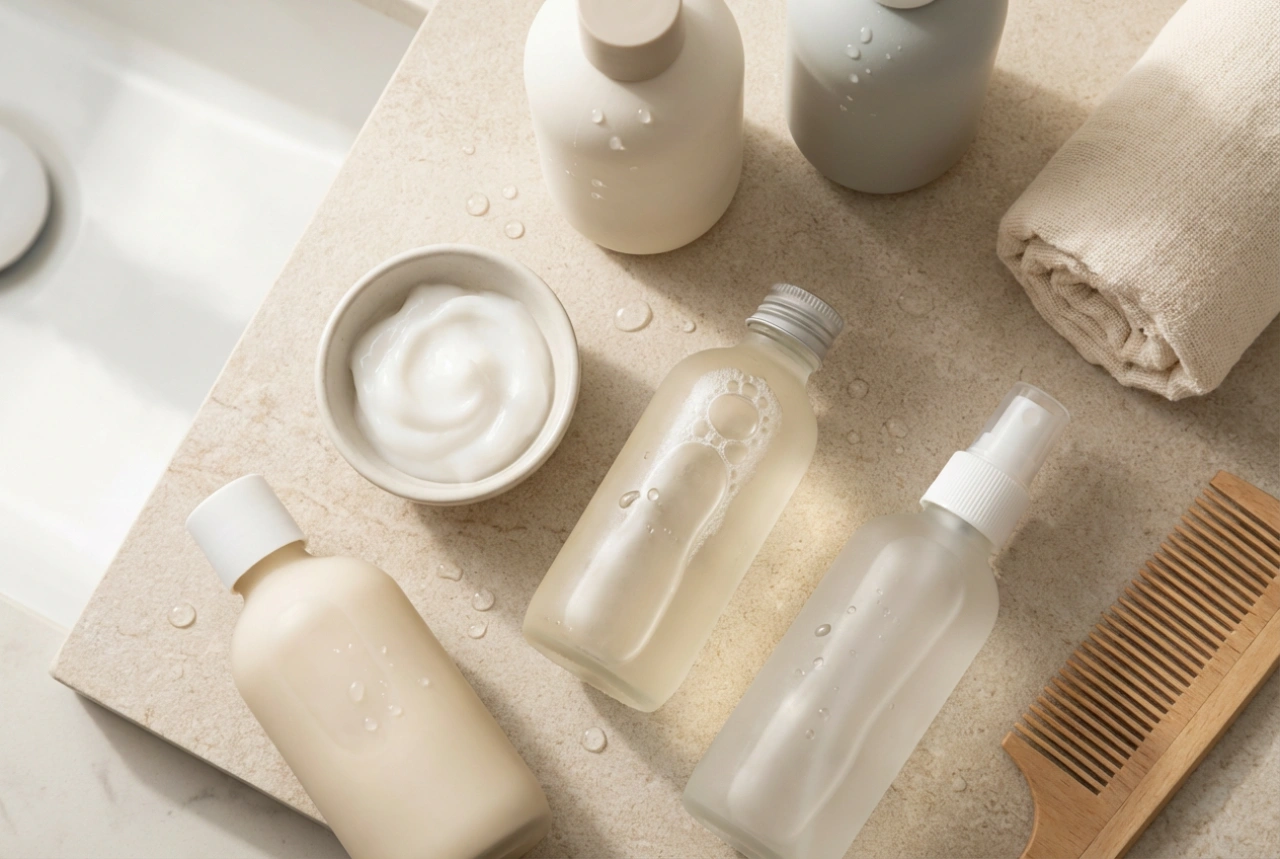
To truly optimise the OMO routine, it is helpful to understand how different types of conditioners work together. For the first step, choose a lightweight product. Formulas rich in humectants, such as aloe vera, glycerin, or herbal extracts, work beautifully here because they attract moisture to the hair without leaving a heavy buildup.
For the second conditioning step, search for richer formulas. Emollient-rich conditioners containing natural oils, butters, or proteins are perfect for sealing in the hydration introduced in the earlier steps. This balanced approach ensures that your hair receives a complete spectrum of care, from lightweight hydration to deep, sealing nourishment, without ever feeling weighed down or greasy.
How Often Should You Use the OMO Method?
The frequency of this routine depends entirely on your hair type and daily activities. For dry, curly, or damaged hair, you can use the OMO method during every wash. However, if you have normal or fine hair, you might find that using this technique once or twice a week is sufficient to maintain a healthy balance. Pay close attention to how your hair responds; if it begins to feel slightly heavy, you can easily alternate between OMO and a standard wash routine.
The Long-Term Benefits for Your Hair
Adopting the OMO method as a regular part of your hair care routine can yield visible improvements over time. By consistently protecting the hair shaft during washing, you will likely notice a significant reduction in split ends and breakage. The hair becomes much easier to detangle, reducing mechanical damage during brushing.
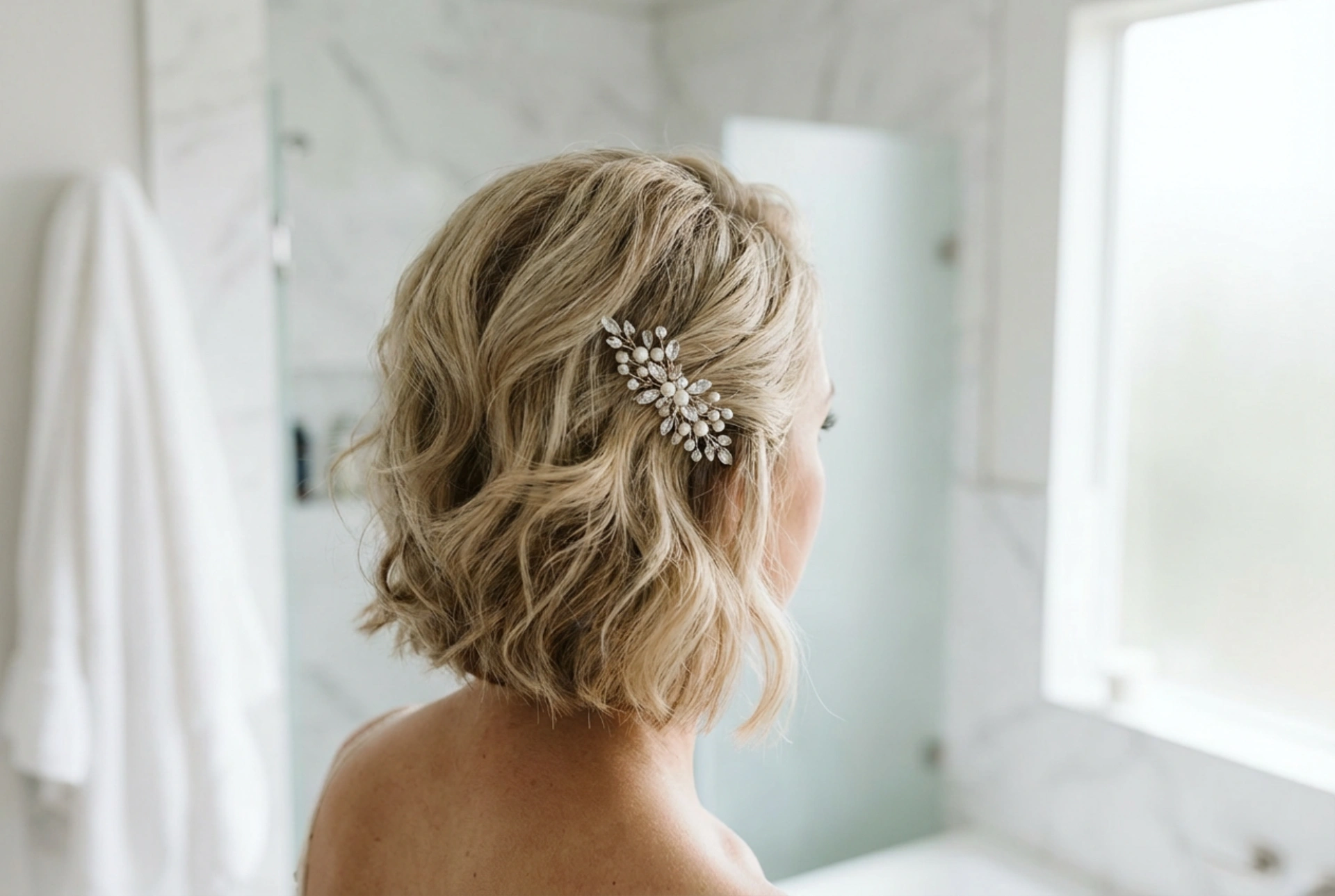
Furthermore, this mindful routine enhances the natural bounce, elasticity, and shine of your hair, giving it a healthy, well-nourished appearance. It turns a standard chore into a luxurious, self-care ritual that respects the natural delicate balance of your hair texture, leaving you with beautifully manageable, soft, and radiant locks.