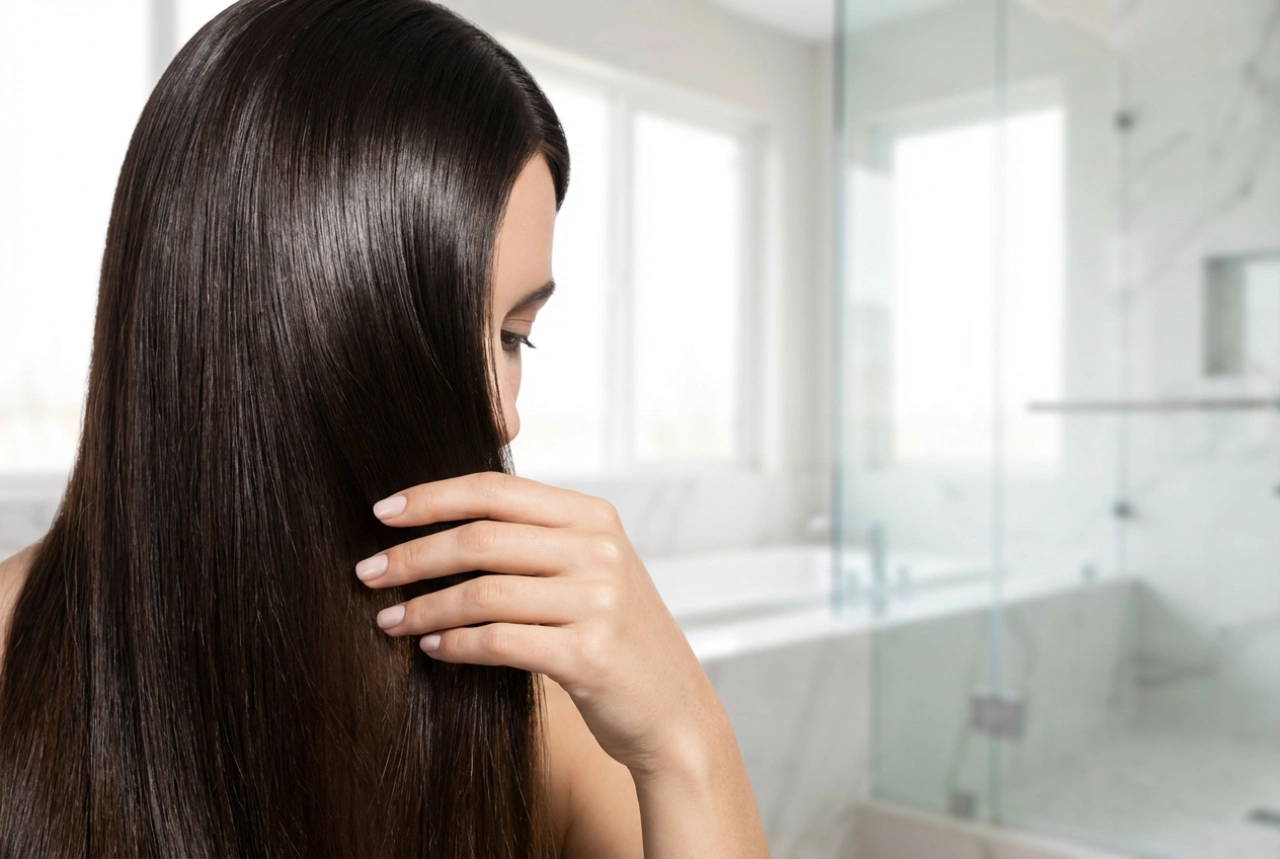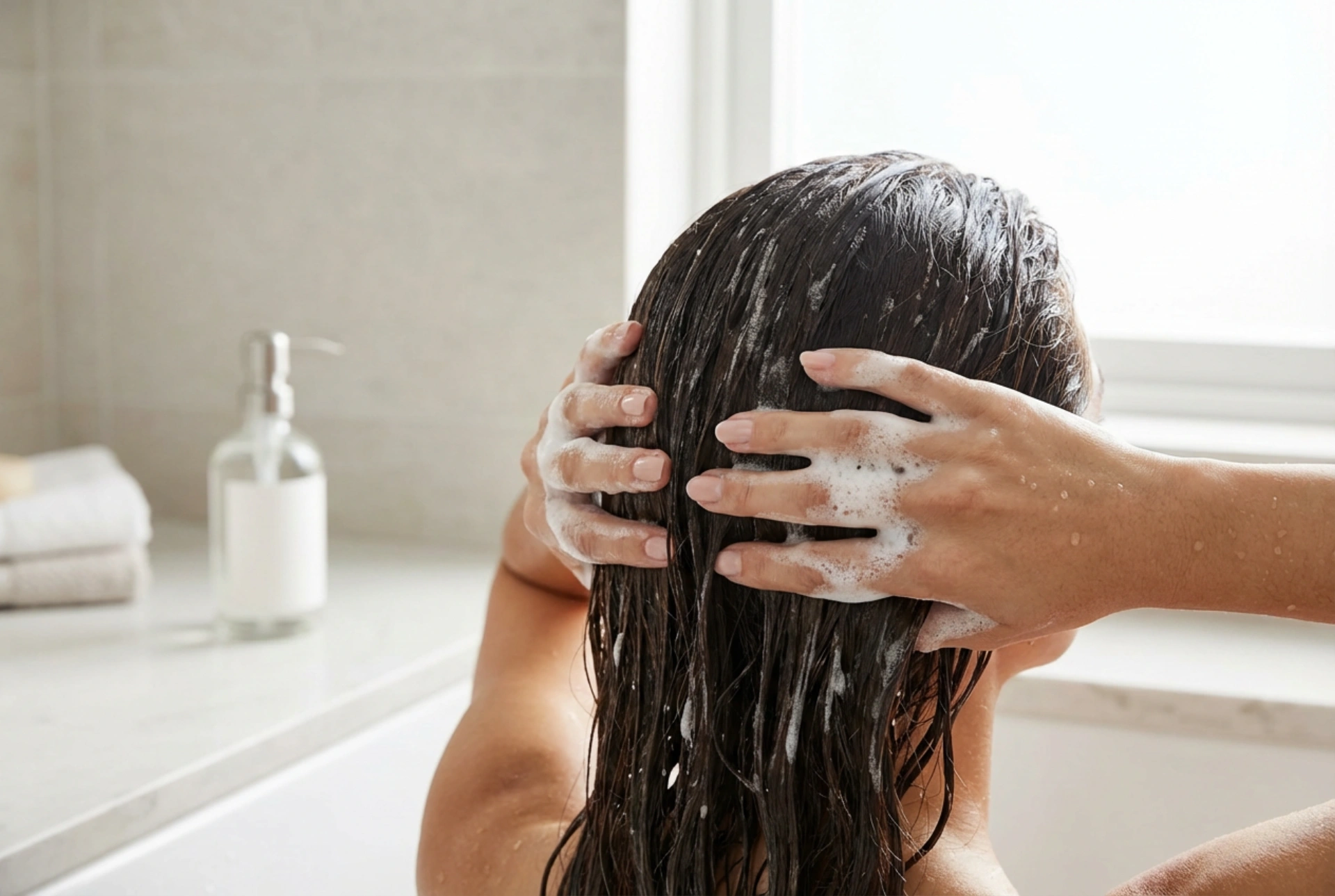


Beautifully styled, lustrous hair starts long before styling tools or leave-in treatments come into play. The true foundation of strong, resilient hair lies in the conscious choices we make during our daily washing routine. Taking a moment to gently massage a rich, foamy shampoo into wet strands, under a soft stream of warm water, turns a basic chore into a revitalising ritual. By implementing a mindful approach and utilising the correct techniques, you can transform fragile, tired strands into a crown of healthy-looking hair.
Understanding Strengthening Shampoos
To truly benefit from your wash, it is essential to understand how strengthening shampoos work. These cosmetic products are specially formulated to temporarily coat and reinforce the hair fibre, minimising breakages and enhancing elasticity. Look for formulations containing nourishing plant extracts, hydrolysed proteins, and gentle cleansing agents that do not strip the hair of its natural moisture. Unlike standard formulas, a strengthening shampoo aims to support the hair structure from root to tip, leaving it feeling soft yet noticeably resilient.
Step-by-Step Washing Technique for Stronger Hair
How you apply your product is just as important as the formula itself. To get the most out of your routine, follow this step-by-step method designed to prevent unnecessary tension and damage to the hair shafts during washing.
1. Thoroughly Saturate the Hair
Before applying any product, ensure your hair is completely wet. Lukewarm water helps to gently open the hair cuticles, allowing the shampoo to distribute evenly. Spend at least a full minute rinsing your hair before reaching for the bottle to ensure no dry spots remain.
2. Emulsify and Apply
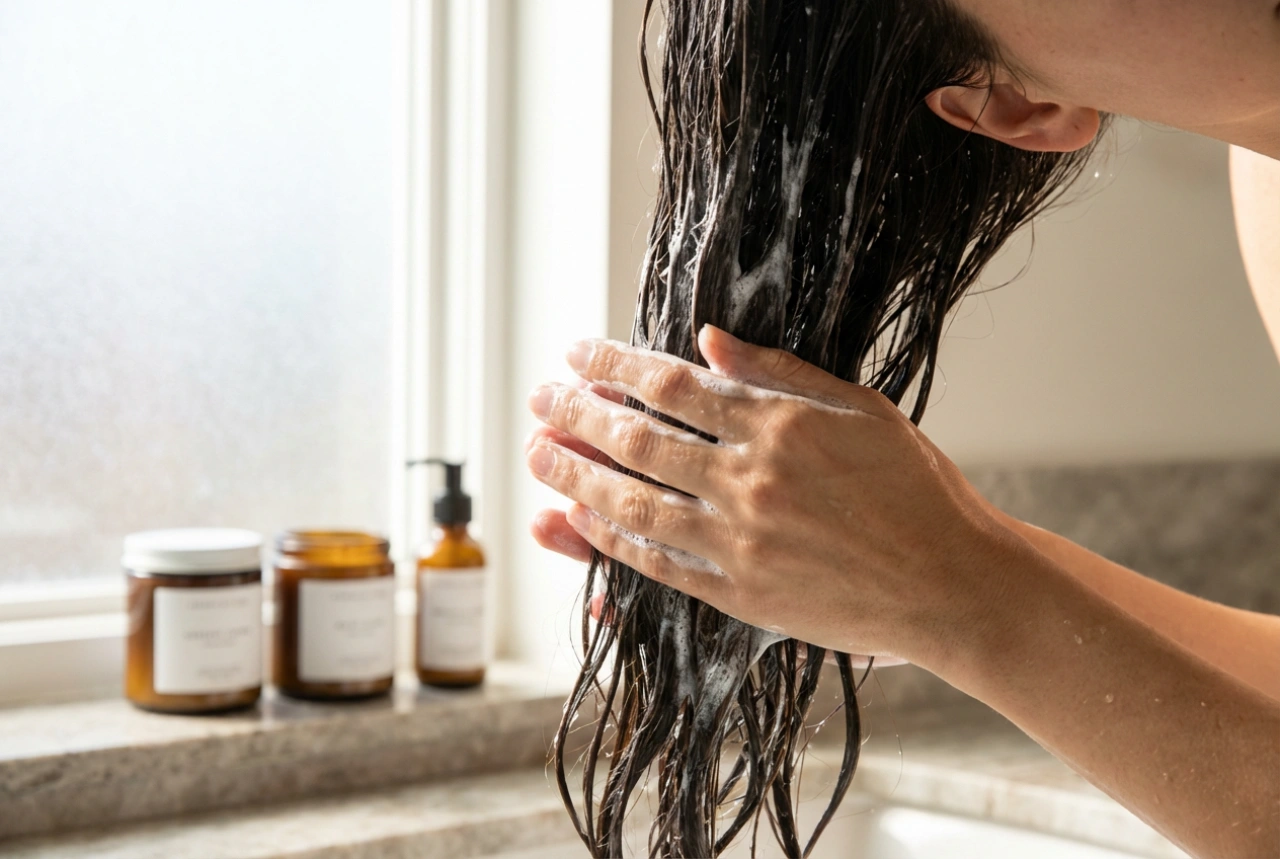
Pour a small amount of strengthening shampoo into your palms. Rub your hands together to create a rich, creamy lather before applying it to your scalp. This ensures even distribution and prevents a high concentration of product from being placed on just one spot, which can lead to build-up.
3. Focus on the Scalp
Always focus your cleansing efforts on the scalp. Use the pads of your fingers—never your nails—to perform a gentle, circular massage. This helps clear excess sebum and daily impurities without scratching or causing irritation. Let the lather run down the lengths of your hair naturally when rinsing, rather than rubbing the delicate ends together.
The Role of Scalp Massage in Hair Vitality
A mindful scalp massage does more than just cleanse; it promotes relaxation and supports a healthy environment for hair growth. By applying gentle, consistent pressure across the scalp, you help to gently stimulate the skin. This natural stimulation encourages a healthier, more vibrant appearance. Keep your movements slow and steady, mimicking a professional salon treatment in the comfort of your own bathroom.
Crucial Rinsing and Post-Wash Steps
Proper rinsing is vital for maintaining volume and shine. Any leftover product can weigh the hair down, leading to a dull appearance and potential scalp discomfort. Rinse thoroughly with lukewarm water, and finish with a cool rinse to help seal the cuticles, locking in moisture and adding a natural gloss.
Once the wash is complete, avoid the temptation to vigorously rub your wet hair with a standard towel. Wet hair is highly susceptible to breakage. Instead, gently squeeze out excess water and wrap the hair in a soft microfibre towel to absorb moisture. Follow with a lightweight conditioner focused primarily on the mid-lengths and ends to seal in the strengthening benefits.
Common Washing Mistakes to Avoid
To fully protect your hair's strength, it is helpful to be aware of daily habits that could inadvertently weaken it. One frequent mistake is washing the hair too often. Over-cleansing can strip away the scalp's natural oils, causing the body to overcompensate by producing more sebum, or leaving the hair dry and brittle. Adjusting your wash frequency to two or three times a week is often sufficient for most hair types.
Another common error is using water that is too hot. High temperatures can dry out the scalp and make the hair cuticles swell excessively, leaving the strands vulnerable to damage. Opting for lukewarm water is a simple yet effective way to maintain the hair's natural barrier. Lastly, avoid brushing your hair while it is soaking wet unless you are using a wide-tooth comb designed specifically for wet detangling, as this is when the hair is at its most fragile.