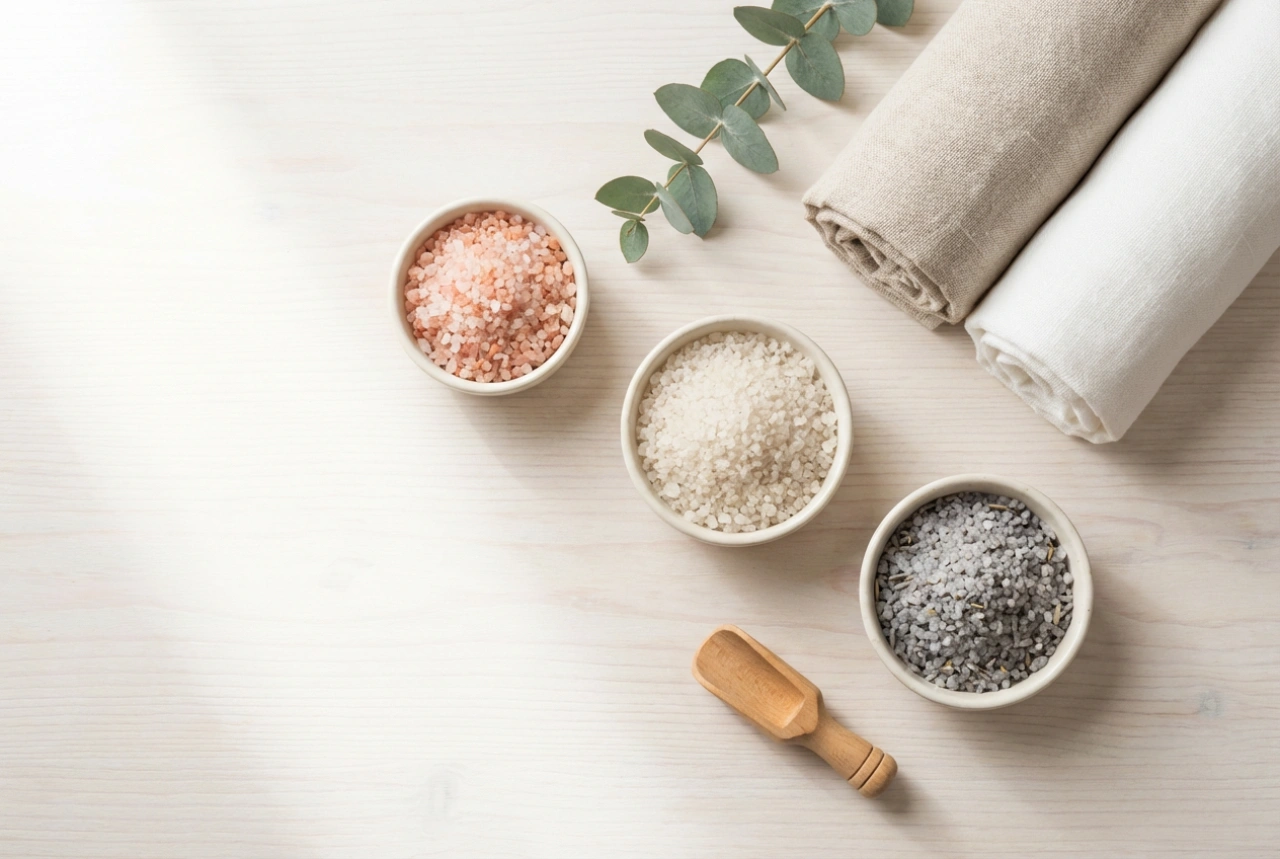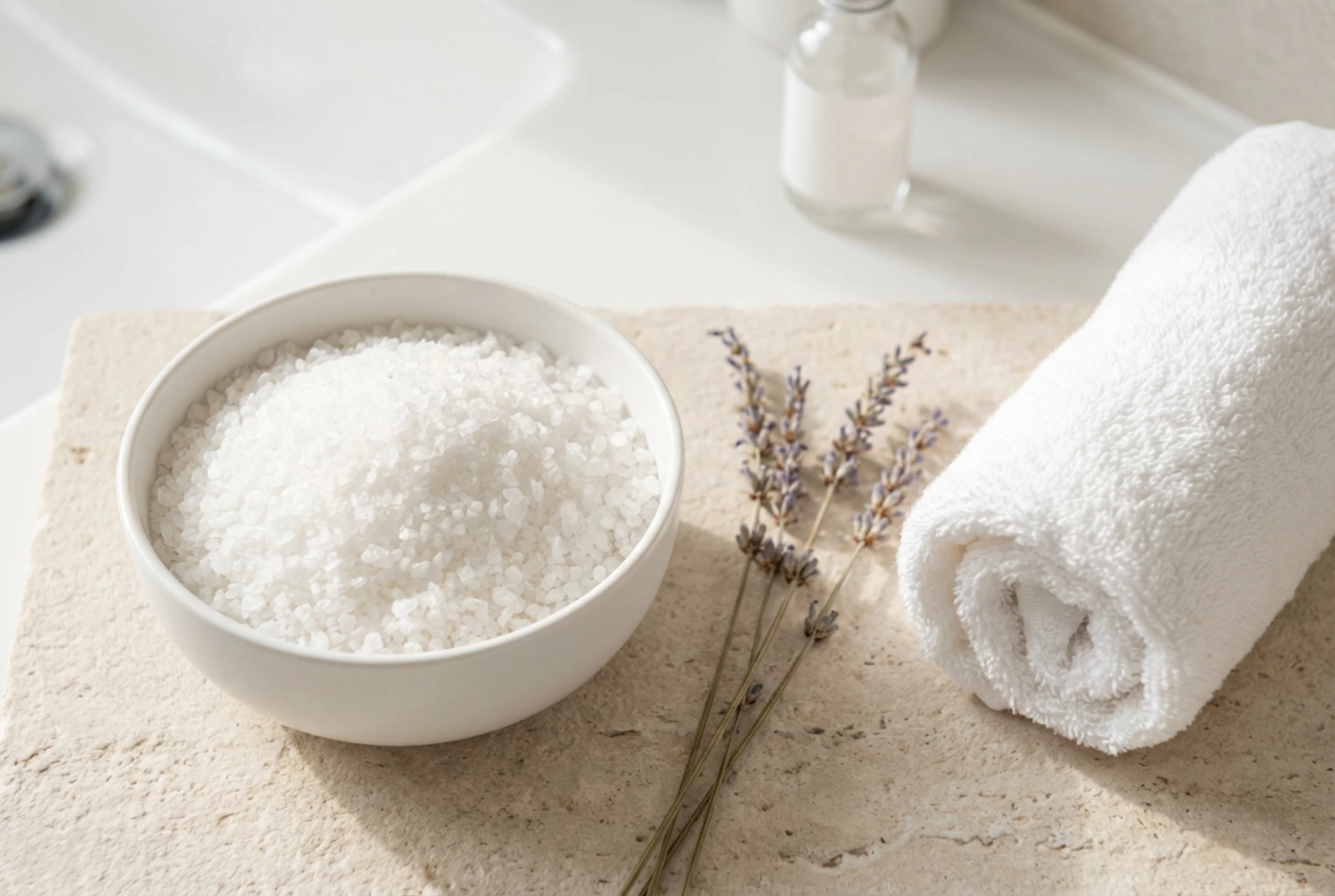


Setting up a relaxing sanctuary at home has become an essential ritual for modern self-care. Imagine entering a quiet space where a ceramic bowl filled with pure white Epsom salts sits alongside fresh lavender sprigs and a soft, plush towel, illuminated by soft natural light. This peaceful image is the epitome of a luxurious home spa experience. Utilising Epsom salt in your bath routine is one of the simplest yet most effective ways to nurture your skin, soothe your senses, and enjoy a moment of complete stillness away from daily distractions.
Understanding Epsom Salt and Its Beauty Benefits
Epsom salt, scientifically known as magnesium sulfate, is a naturally occurring mineral compound. Unlike regular table salt or sea salt, which consists primarily of sodium chloride, Epsom salt is rich in magnesium and sulfate. When dissolved in warm water, these components are easily absorbed by the outer layers of the skin, offering remarkable cosmetic benefits without the need for harsh chemicals or synthetic additives.
One of the primary advantages of an Epsom salt bath is its ability to soften rough skin. It gently exfoliates, helping to remove dead skin cells and leaving the skin feeling incredibly smooth and refreshed. This makes it an excellent preparation step for further skincare treatments, such as applying deeply hydrating body lotions or oils. Furthermore, the mineral composition helps to support the skin's natural moisture barrier, ensuring a supple and glowing appearance.
How to Prepare the Perfect Epsom Salt Bath
To fully enjoy the benefits of this natural ingredient, it is important to know the correct proportions and temperature. Preparing a bath does not require complex equipment, but a few simple guidelines can significantly enhance the quality of your home spa session.
For a standard-sized bathtub filled with warm water, adding approximately one to two cups of pure Epsom salt is generally recommended. Ensure that the water is comfortably warm but not excessively hot, as very high temperatures can strip the skin of its natural oils and lead to dryness. A temperature of around 37 to 39 degrees Celsius is ideal for promoting relaxation and allowing the salt to dissolve completely.
Once the salt is added, stir the water gently with your hand to encourage the crystals to dissolve. To achieve the best results, soak in the bath for fifteen to twenty minutes. This timeframe is sufficient for the skin to absorb the minerals and for your body to fully relax, without causing the skin to become overly dry.
Harmonious Combinations: What to Mix with Epsom Salt
While Epsom salt is highly effective on its own, combining it with other natural ingredients can elevate your home bath to a professional-grade spa experience. When blending ingredients, always prioritise natural and skin-friendly options.
- Nourishing Carrier Oils: To add an extra layer of hydration, you can mix a tablespoon of a gentle carrier oil, such as sweet almond oil, jojoba oil, or apricot kernel oil, directly into your bathwater or pre-mix it with the salts. These oils help to seal in moisture and leave a delicate, protective film on the skin.
- Calming Essential Oils: Integrating aromatherapy can profoundly influence your mood. Lavender essential oil is a classic choice that pairs beautifully with Epsom salt, mirroring the peaceful atmosphere of a professional spa. Other suitable options include chamomile for its soothing properties or sweet orange for a subtle, uplifting fragrance. Always dilute essential oils in a carrier oil before adding them to the bath to prevent skin irritation.
- Dried Botanicals: For an aesthetically pleasing and fragrant bath, consider adding dried lavender buds, rose petals, or calendula flowers. To make cleanup easier, you can place the Epsom salt and dried herbs inside a reusable muslin tea bag before submerging it in the water.
Creating the Ultimate Relaxing Atmosphere
A true home spa experience is about more than just the physical bath; it involves engaging all your senses to cultivate deep relaxation. Taking inspiration from professional wellness retreats, you can easily transform your bathroom into a tranquil sanctuary.
Begin by decluttering the space around your bathtub. Soft, diffused lighting—perhaps from a few unscented beeswax candles—creates a much warmer and more inviting environment than harsh overhead lights. Play soft, ambient music or natural sounds in the background to mask external noise. Prepare a plush, warm towel and a comfortable bathrobe in advance, so you can transition seamlessly from the warm water to a cosy state of post-bath relaxation.
Essential Post-Bath Care
After spending twenty minutes in your Epsom salt bath, it is important to complete the ritual with proper skin care. Gently rinse your body with clean, lukewarm water to remove any remaining salt residue from your skin.
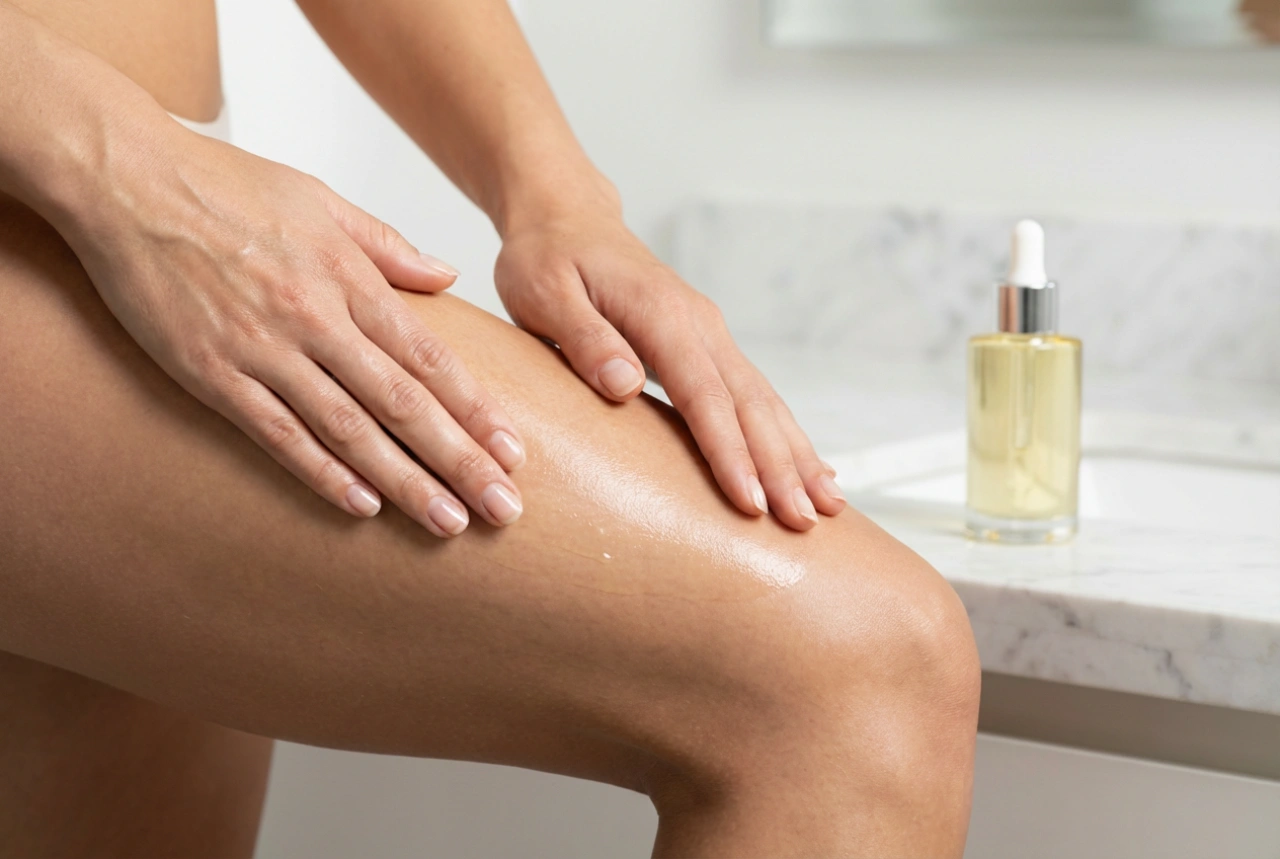
Pat your skin dry with a soft towel, leaving it slightly damp. This is the optimal time to apply a rich body cream, lotion, or natural body butter. Damp skin absorbs moisturising products more effectively, locking in the hydration and benefits gained from the bath. To conclude your ritual, rest for at least fifteen minutes while sipping a warm cup of herbal tea, allowing your body to slowly adjust and prolonging the peaceful state of mind.