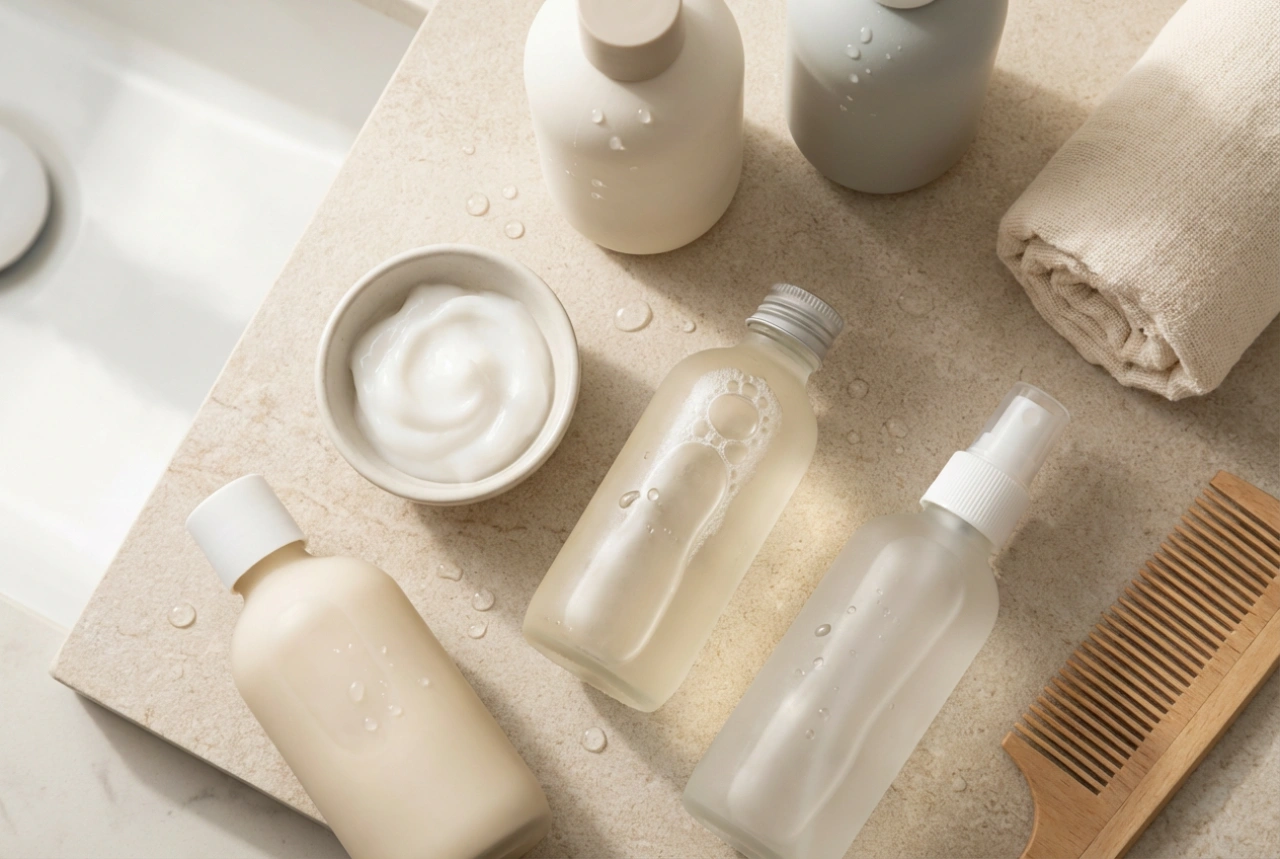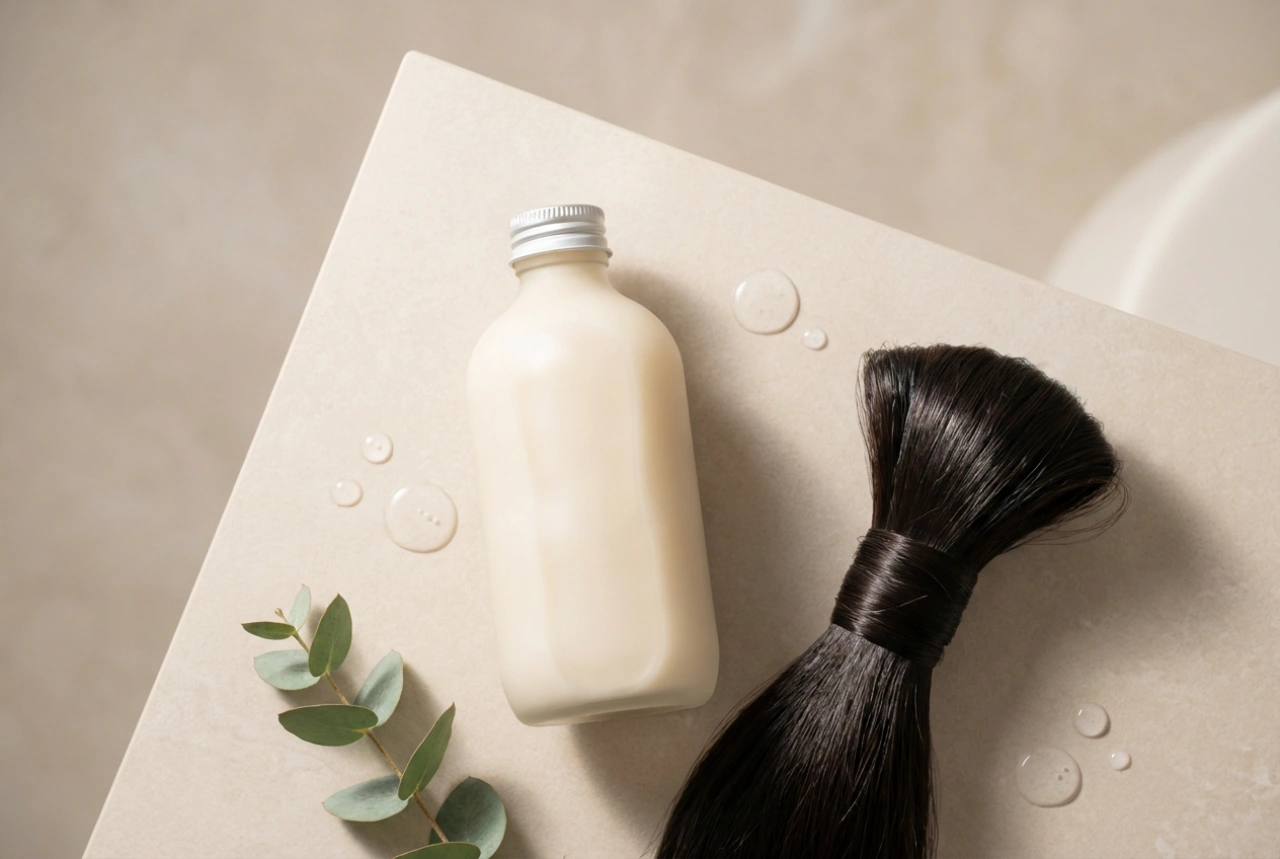


In the quest for healthy, lustrous hair, the visual of a simple, clean shampoo bottle decorated with delicate water droplets represents the ultimate goal: pure, deep hydration. For many, achieving this level of moisture is not just about using any product, but understanding the precise science of hair care. Among the essential tools in a modern hair care routine, the humectant shampoo stands out as a fundamental element designed to draw moisture directly into the hair shaft, laying the foundation for a well-balanced hair care programme.
Understanding Humectants in Hair Care
Humectants are hygroscopic substances, meaning they have a natural ability to attract and bind water molecules from the surrounding environment. When formulated into a cleansing product like a shampoo, they perform a dual role: gently removing impurities from the scalp and hair while actively pulling in moisture to prevent the drying effects often associated with washing. Unlike heavier ingredients that coat the hair, humectants penetrate the outer cuticle layer to hydrate from within.
Common humectants found in cosmetic formulations include glycerine, panthenol, hyaluronic acid, aloe vera, and various plant-derived sugars. These ingredients work harmoniously to restore the natural moisture levels of the hair fibres. Using a humectant-rich shampoo ensures that the cleansing process does not leave the hair stripped, dry, or prone to static, but rather soft, supple, and receptive to subsequent conditioning treatments.
The Role of PEH Balance: Proteins, Emollients, and Humectants
To fully appreciate the benefits of a humectant shampoo, it is vital to understand the concept of PEH balance—an acronym representing Proteins, Emollients, and Humectants. These three pillars must be carefully balanced to maintain optimal hair health, elasticity, and shine. Each component plays a distinct role in the structure and appearance of the hair:
- Proteins: These are the building blocks that temporarily repair micro-damage within the hair structure, providing strength, bounce, and volume.
- Humectants: These act as moisture magnets, ensuring the hair fibres remain thoroughly hydrated, soft, and flexible.
- Emollients: These are protective agents, such as natural oils and waxes, that form a microscopic seal over the hair cuticle, locking in the moisture provided by humectants and preventing it from evaporating.
Without a proper balance of these three elements, hair can become either dry and brittle or limp and over-saturated. A humectant shampoo acts as the initial hydration step, prepping the hair to receive the sealing benefits of emollients or the strengthening properties of proteins during the conditioning phase.
Who Benefits Most from a Humectant Shampoo?
While hydration is universally beneficial, certain hair types and conditions will notice a dramatic improvement when introducing a humectant shampoo into their routine. Dry, coarse, and dull hair typically craves the moisture-binding properties of these formulations. Hair that is naturally curly or wavy also tends to be drier by nature, as scalp oils struggle to travel down the spiral structure of the hair shaft; for these hair types, humectants help define curls and reduce frizz.
Additionally, hair exposed to dry indoor heating, air conditioning, or sunny weather can benefit from the extra moisture boost. By infusing the hair with water during the washing stage, a humectant shampoo helps maintain elasticity, preventing the snap-and-break response that occurs when dehydrated hair is brushed or styled.
How to Integrate Humectants Safely into Your Routine
Integrating a humectant shampoo into your hair care regimen requires a mindful approach, as the performance of humectants is closely tied to environmental humidity. In very dry climates, humectants can sometimes draw moisture out of the hair shaft if there is not enough water in the air. Conversely, in highly humid conditions, they may pull in too much moisture, causing the hair cuticle to swell and frizz.
To get the best results, consider the following practical steps:
- Always follow with an emollient: After cleansing with a humectant shampoo, use a conditioner or mask rich in emollients to seal the moisture inside the hair structure.
- Observe your hair’s reaction: Adjust the frequency of use based on how your hair feels. If it starts to feel overly soft, limp, or struggles to hold a style, you may need to introduce more proteins or scale back on humectants.
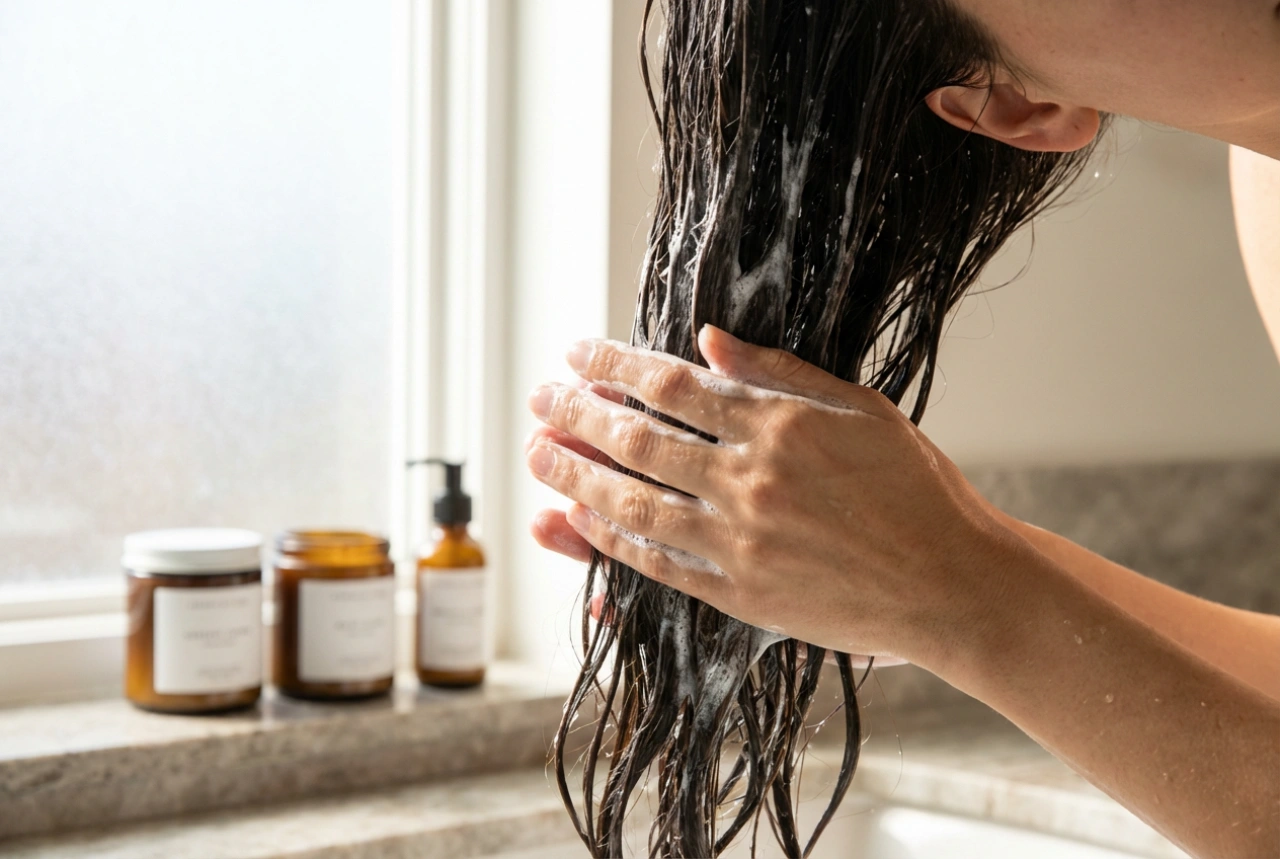
- Focus on the scalp and lengths: Massage the shampoo gently into the scalp to cleanse and hydrate the roots, allowing the lather to run through the lengths to refresh the hair without friction.
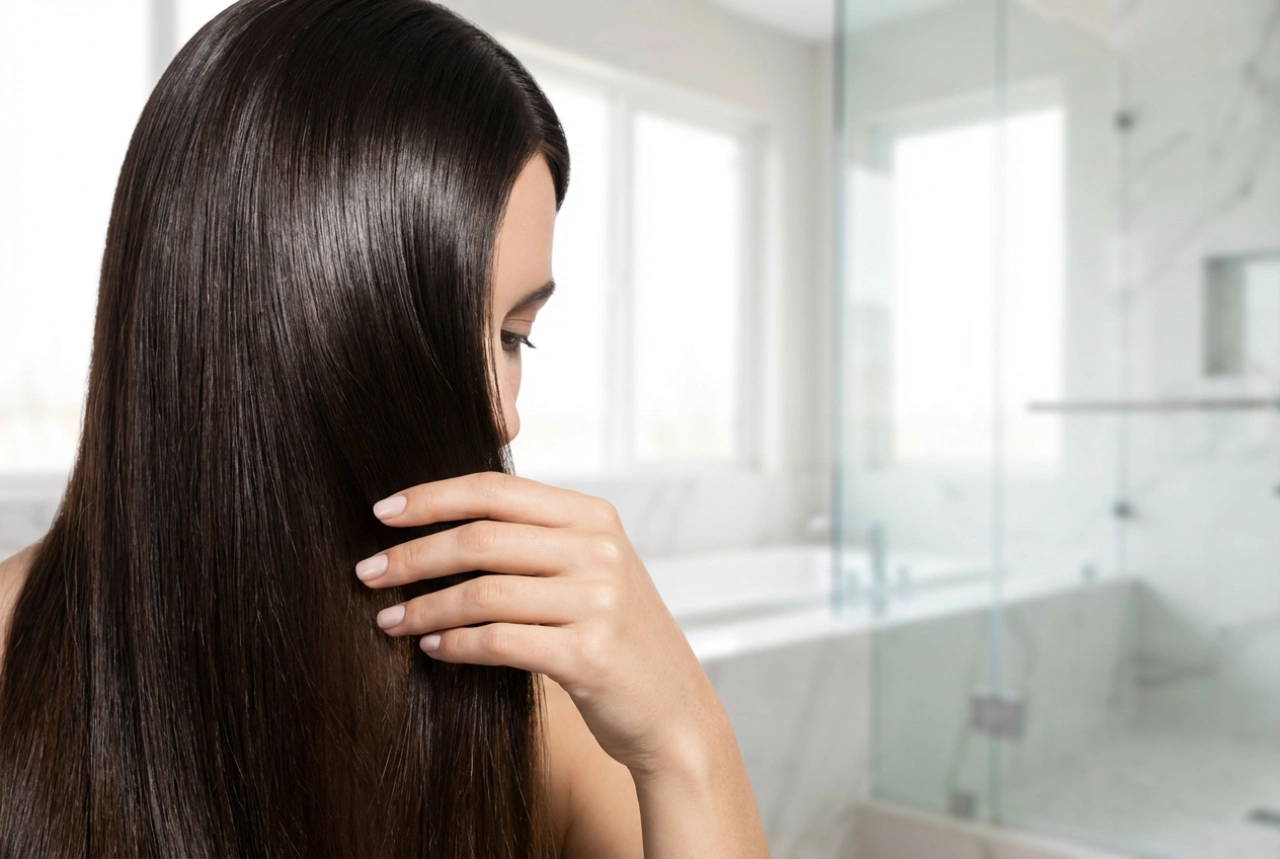
By treating hair care as an evolving practice of observation and adjustment, you can achieve a harmonious balance that reflects the clean, revitalised look of perfectly hydrated hair.