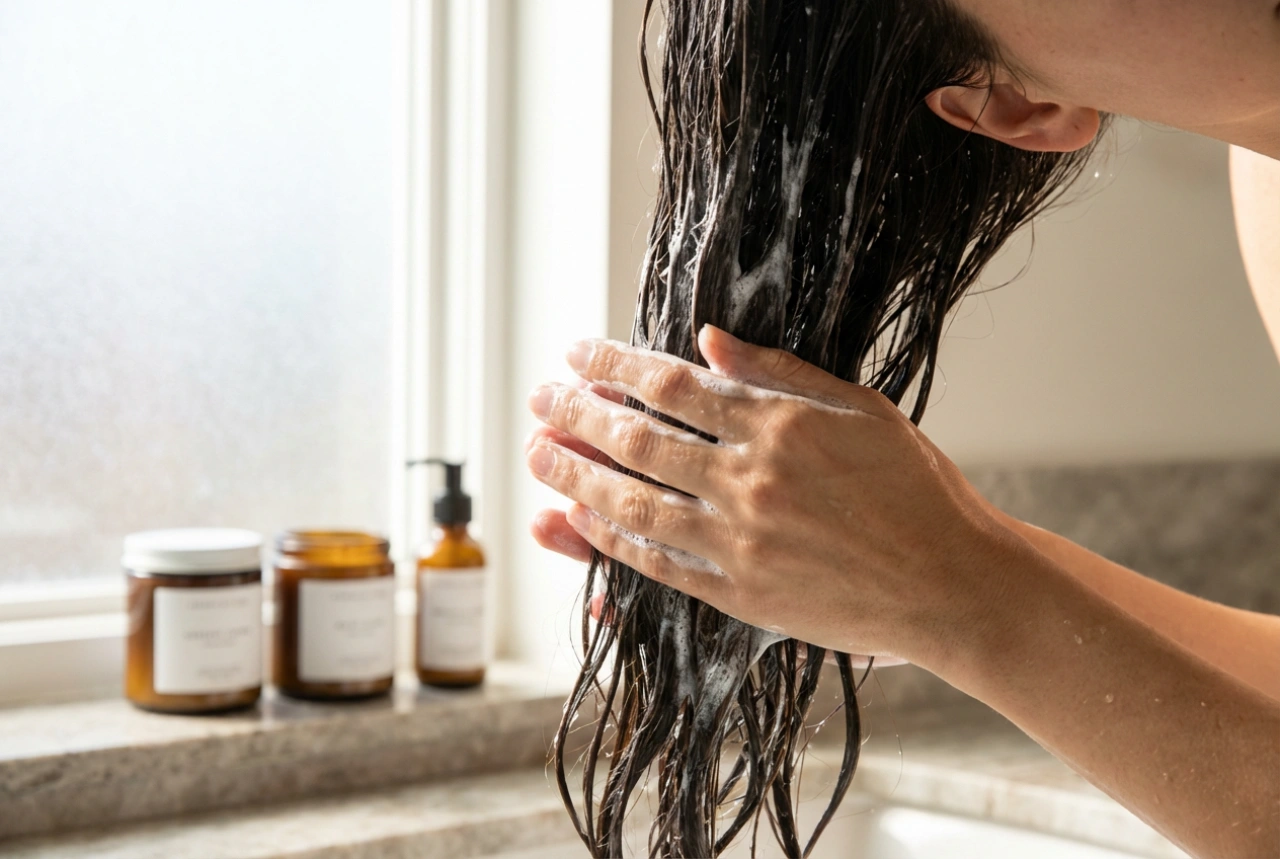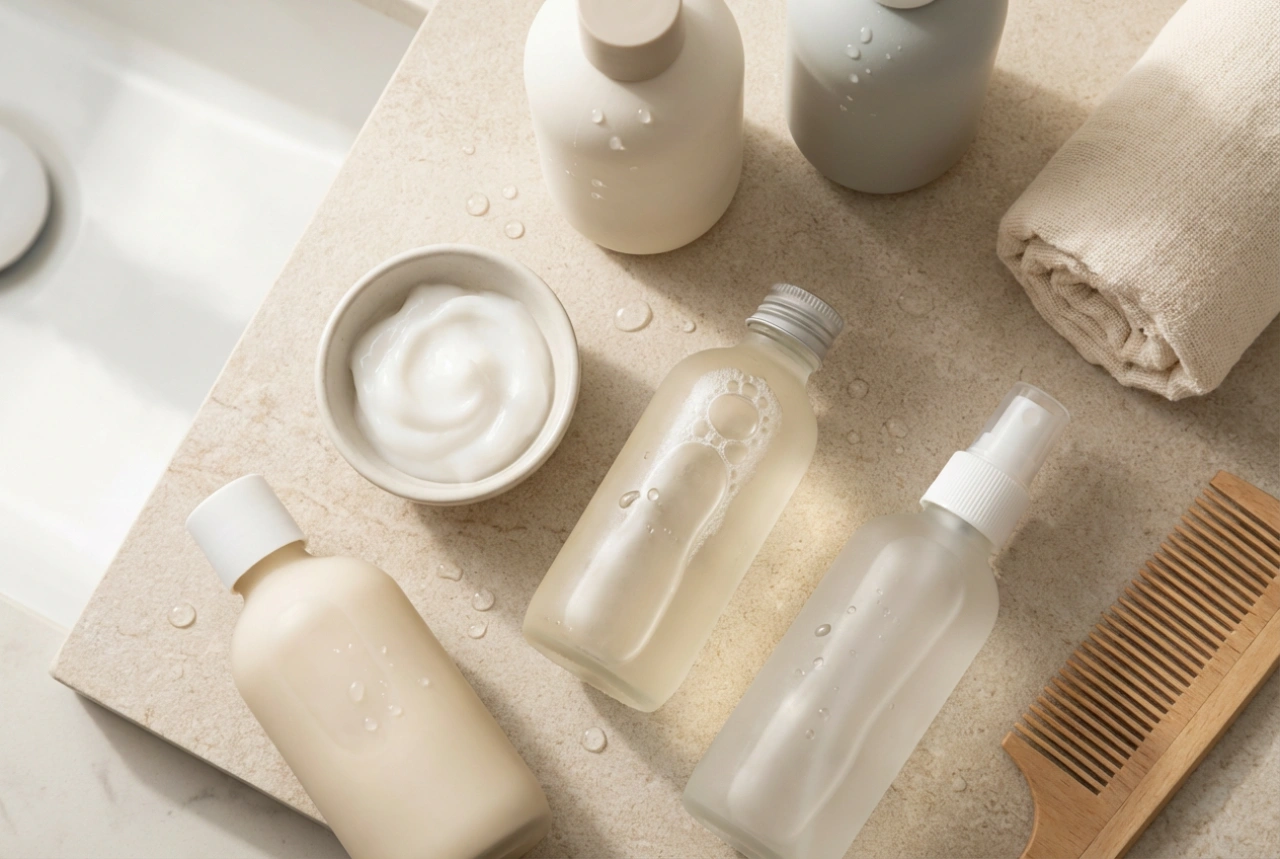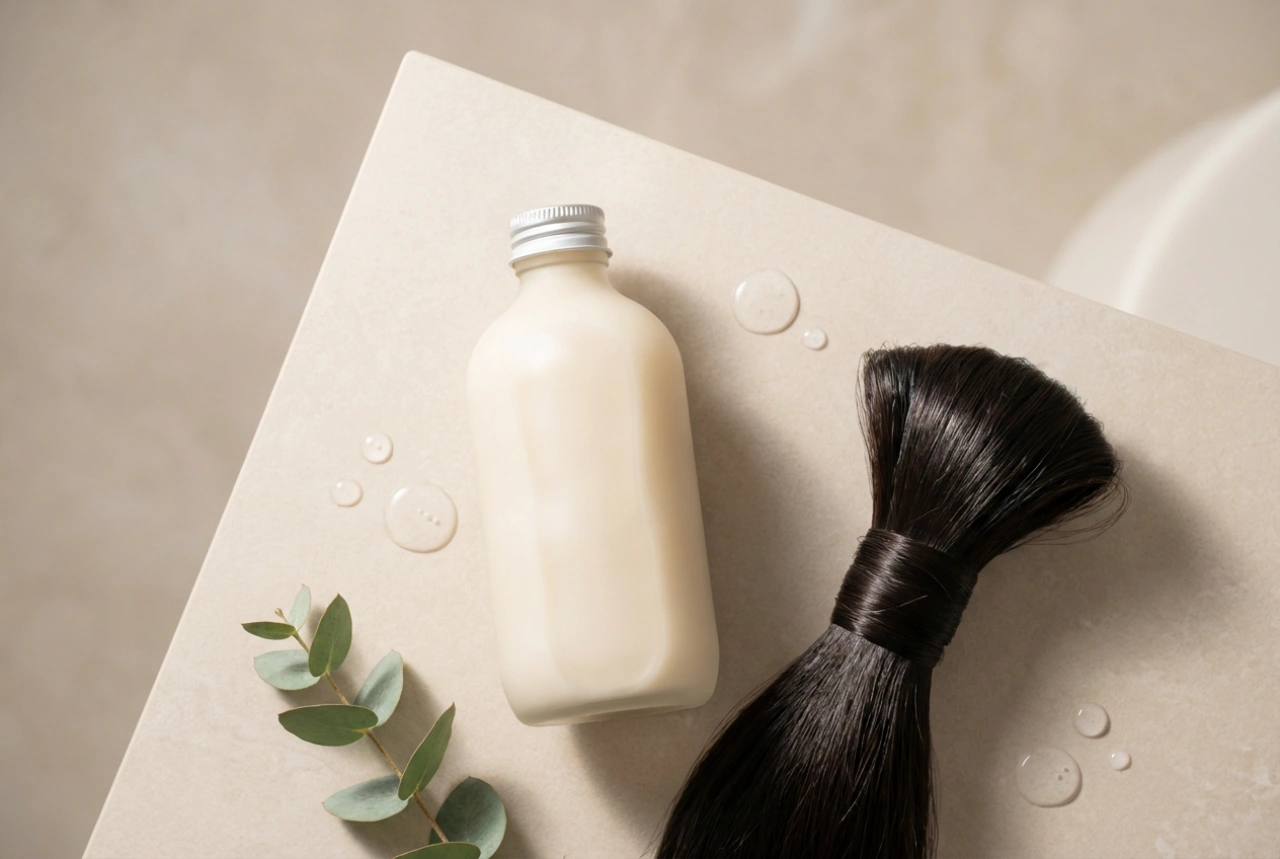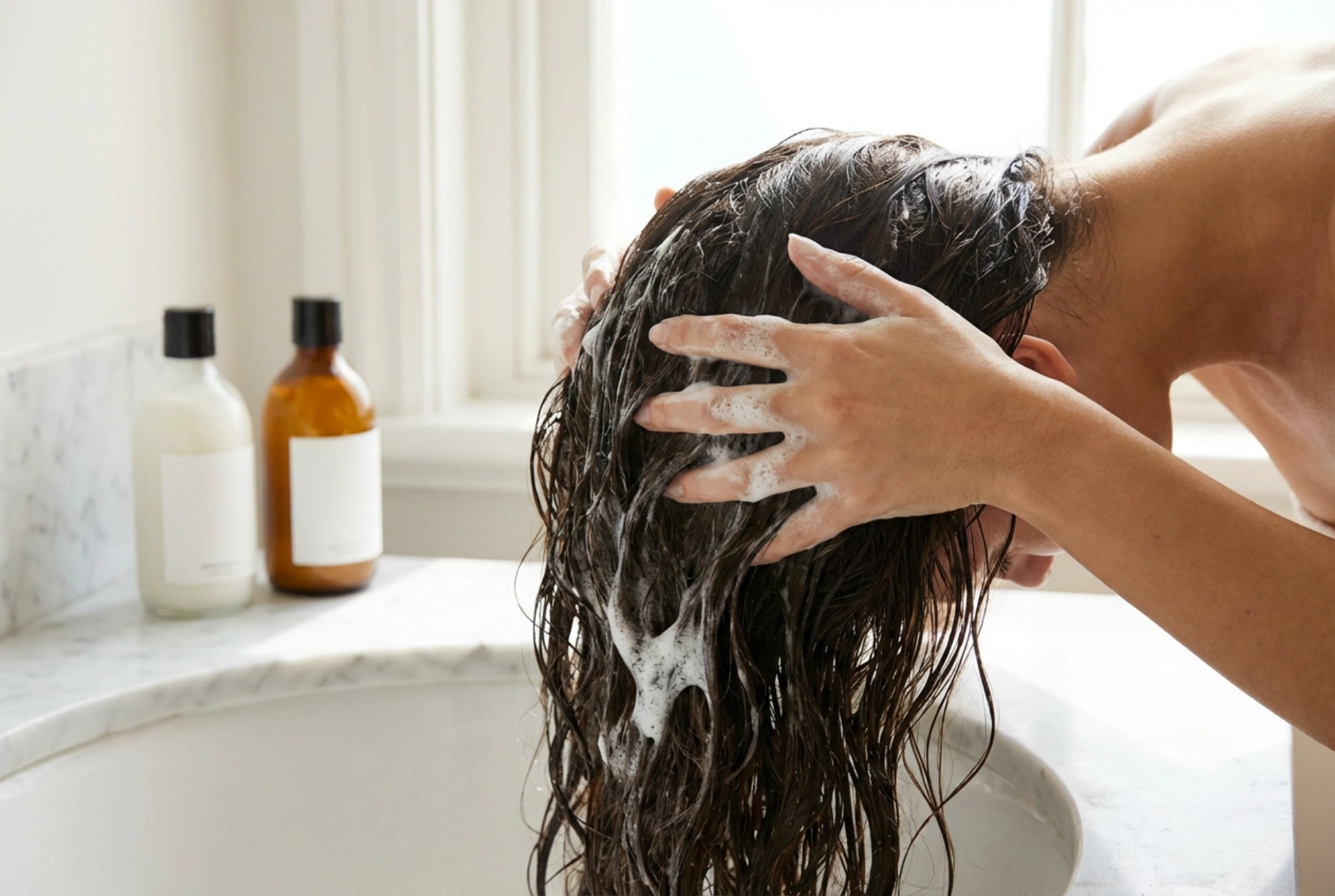


Caring for dry hair begins with the fundamental step of cleansing, where the choice of products and techniques can make a significant difference. When you gently lather a rich, creamy shampoo into damp strands, you are not merely cleaning your hair; you are laying the foundation for its hydration and overall vitality. Dry hair requires a delicate balance of moisture and nourishment, meaning that the washing process must be approached with mindfulness to avoid stripping away the natural oils that protect the hair shaft.
Understanding the Needs of Dry Hair
Dry hair is often characterised by a lack of moisture, a rough texture, and a tendency to frizz. This condition can arise from various factors, including environmental exposure, frequent heat styling, and the natural structure of the hair. Unlike oily hair, which may require deep cleansing to remove excess sebum, dry strands need a gentle touch that respects the delicate nature of the hair cuticle. The goal of using a moisturising shampoo is to gently cleanse the scalp while infusing the hair fibres with moisture-binding agents.
The Role of the Hair Cuticle
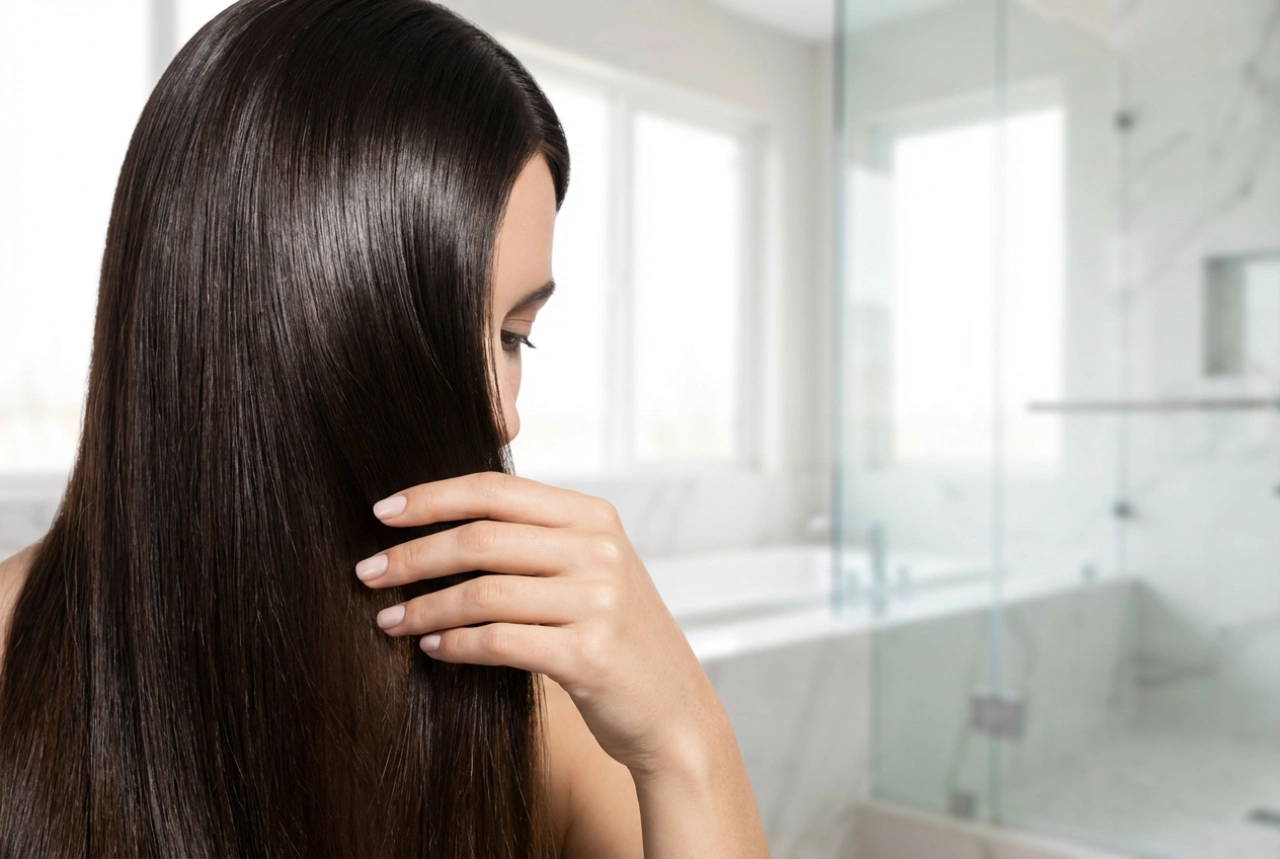
The outermost layer of the hair, known as the cuticle, consists of overlapping scales. In healthy, hydrated hair, these scales lie flat, creating a smooth surface that reflects light and seals in moisture. When hair becomes dry, the cuticle scales lift, allowing internal moisture to escape and making the hair feel rough. A proper washing routine helps to smooth down these scales, restoring softness and shine.
Key Moisturising Ingredients to Look For
When selecting a shampoo for dry hair, it is essential to read the ingredient list to ensure the formula provides genuine hydration. Look for humectants, emollients, and rebuilding agents that work in harmony to restore the hair's natural balance. Here are some of the most beneficial ingredients to keep in mind:
- Glycerin: A powerful humectant that draws moisture from the surrounding environment into the hair shaft, keeping it hydrated for longer periods.
- Aloe Vera: Known for its soothing properties, aloe vera provides lightweight hydration and helps to calm a dry, sensitive scalp.
- Panthenol (Pro-Vitamin B5): This ingredient penetrates the hair shaft to provide deep moisture, improving elasticity and reducing the risk of breakage.
- Natural Oils: Ingredients such as argan oil, jojoba oil, and coconut oil mimic the natural lipids of the hair, sealing the cuticle and adding a beautiful sheen.
- Shea Butter: A rich emollient that provides intense nourishment, particularly beneficial for very dry or coarse hair textures.
The Correct Washing Technique for Dry Strands
Even the most advanced moisturising shampoo cannot perform at its best if the washing technique is incorrect. Dry hair is particularly vulnerable when wet, meaning that gentleness is key during every step of the process. Implementing a mindful washing routine can significantly improve the health and appearance of your hair.
Step 1: Prep and Thoroughly Wet the Hair
Before applying any product, ensure your hair is completely saturated with lukewarm water. Water that is too hot can strip away natural oils and further dry out the hair. Lukewarm water helps to gently open the hair cuticles, allowing the moisturising ingredients of the shampoo to penetrate more effectively.
Step 2: Focus on the Scalp
Dispense a small amount of shampoo into your hands and work it into a gentle lather. Apply the product directly to your scalp, where sebum and dirt accumulate. Massage the scalp gently using the pads of your fingers, avoiding any harsh scrubbing with your fingernails. There is no need to actively rub the shampoo into the lengths of your hair; as you rinse, the lather will run down the strands, cleansing them sufficiently without causing dryness.
Step 3: Rinse with Care
Rinse the hair thoroughly with lukewarm water until all traces of shampoo are removed. Ensure no product residue remains, as this can weigh down the hair and lead to dullness. For an extra boost of shine, you can finish the rinse with cool water, which helps to close the hair cuticles and seal in the hydration.
Essential Post-Wash Steps to Lock in Hydration
Once your hair is clean, the process of maintaining moisture continues. After rinsing, gently squeeze out excess water with your hands rather than twisting or wringing the hair. Use a soft microfibre towel or a clean cotton t-shirt to pat the hair dry, as traditional terry cloth towels can cause friction and damage the fragile cuticles. Always follow up with a nourishing conditioner or a leave-in treatment to lock in the moisture introduced during the wash, ensuring your strands remain soft, manageable, and beautifully hydrated throughout the day.