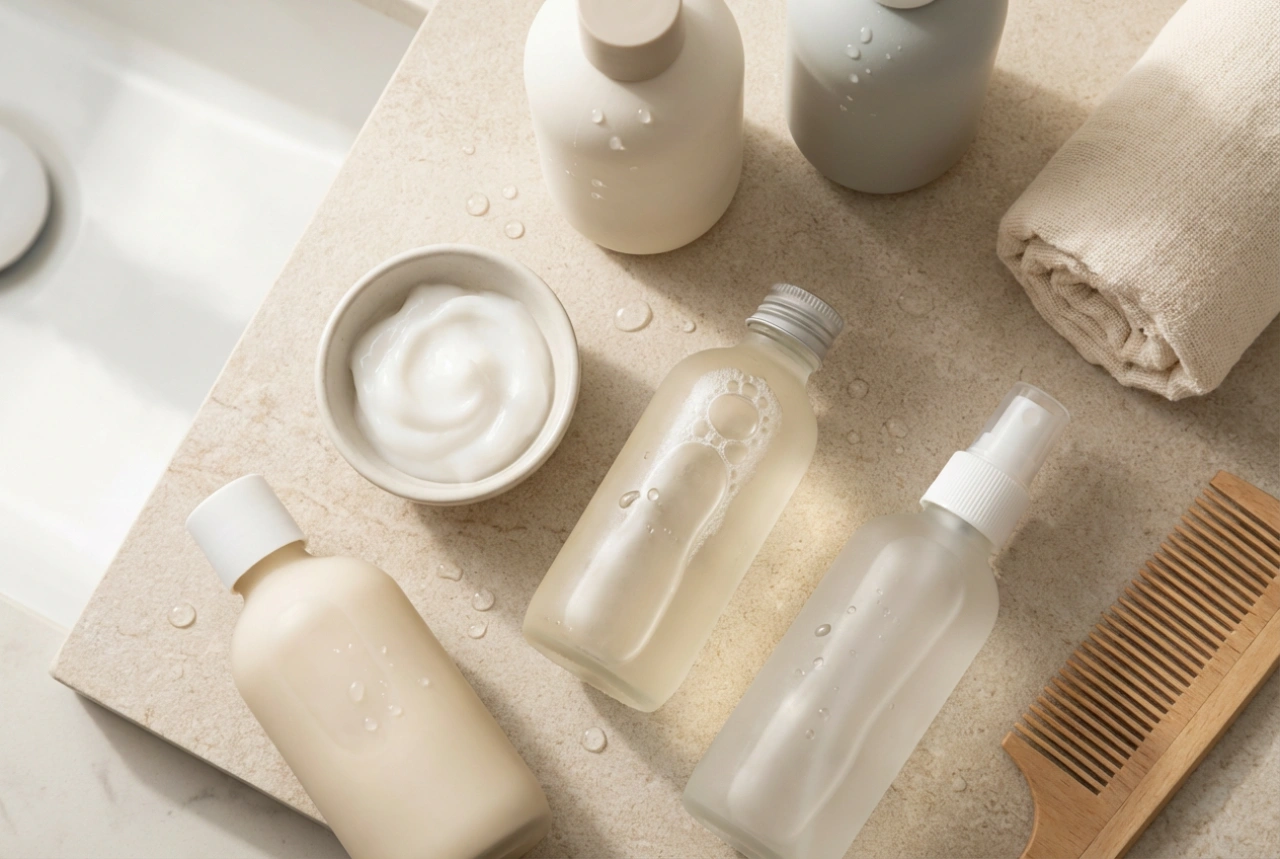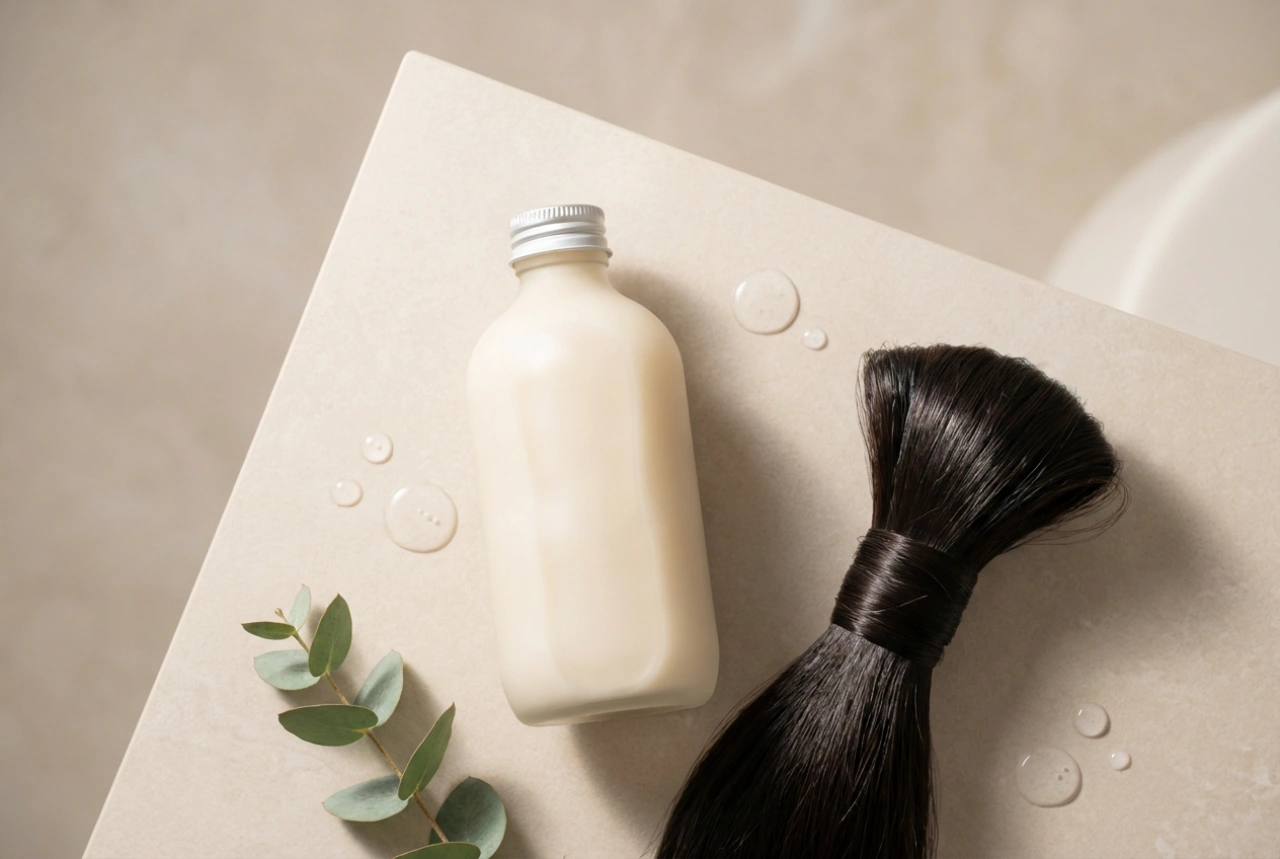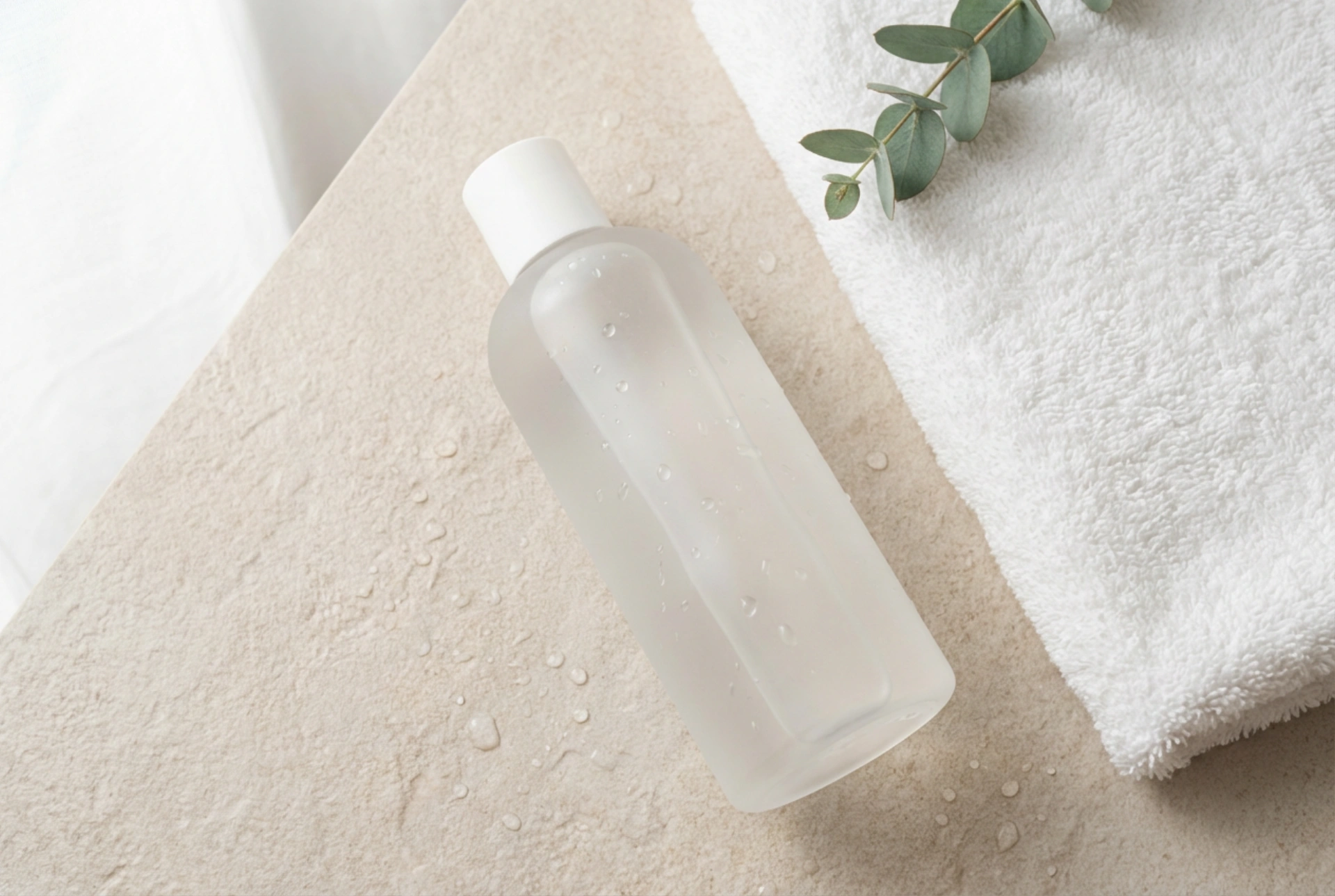


Achieving healthy, beautiful hair starts at the very foundation: the scalp. Much like a minimalist ritual represented by a simple, unlabeled bottle on a plush white towel, modern hair care is shifting towards purity and simplicity. For years, the focus of hair washing was solely on removing oil and styling residues, often at the cost of the skin's natural protective barrier. Today, we understand that a gentle shampoo is not just an alternative for sensitive skin, but a fundamental tool for maintaining the health of all hair types. Understanding how to cleanse effectively while preserving this delicate ecosystem is key to long-term hair vitality.
The Importance of the Scalp's Natural Barrier
The scalp, like the rest of our skin, is protected by a thin layer known as the hydrolipid barrier. This natural shield is composed of sebum, water, and beneficial lipids. It performs several crucial functions:
- Moisture retention: It prevents water from evaporating, keeping both the skin and hair follicles hydrated.
- Environmental defense: It shields the delicate skin of the scalp from external stressors, dust, and temperature changes.
- Microbiome support: It maintains a balanced pH level, which discourages the overgrowth of unwanted microorganisms.
When we use overly aggressive cleansing products, we strip this protective layer away. The result is often a cycle of dryness, irritation, or even rebound oiliness, as the scalp tries to overcompensate for the lost oils by producing even more sebum. A gentle shampoo aims to cleanse without triggering this defensive reaction.
What Defines a Gentle Shampoo?
Navigating the world of hair care can be overwhelming, but recognizing a gentle cleanser becomes easier when we focus on the formulation style. Traditional shampoos often rely on heavy foaming agents that cleanse very deeply but can be too harsh for daily or frequent use. Gentle alternatives focus on a balanced approach.
Mild Cleansing Agents
Instead of harsh surfactants, mild shampoos use plant-derived cleansing agents. These ingredients lower the surface tension of water, allowing it to mix with oils and dirt so they can be easily rinsed away, but they do so without penetrating deep into the lipid layers of the skin. They create a softer, more creamy lather rather than a dense, stripping foam.
Enriched with Hydrating Ingredients
A well-formulated gentle shampoo does not just clean; it also delivers supportive elements back to the skin. Look for formulations containing nourishing additives such as glycerin, plant extracts, or proteins. These ingredients attract moisture to the hair shaft and scalp, ensuring that the cleansing process feels refreshing rather than drying.
How to Wash Your Hair Gently and Effectively
Using the right product is only half the battle; the technique you use during your washing routine plays a massive role in preserving the scalp barrier. Here is a step-by-step approach to a non-disruptive wash:
- Thoroughly saturate your hair: Before applying any product, ensure your hair is completely soaked with lukewarm water. Water acts as a natural barrier, helping the shampoo distribute evenly and reducing the amount of friction needed.
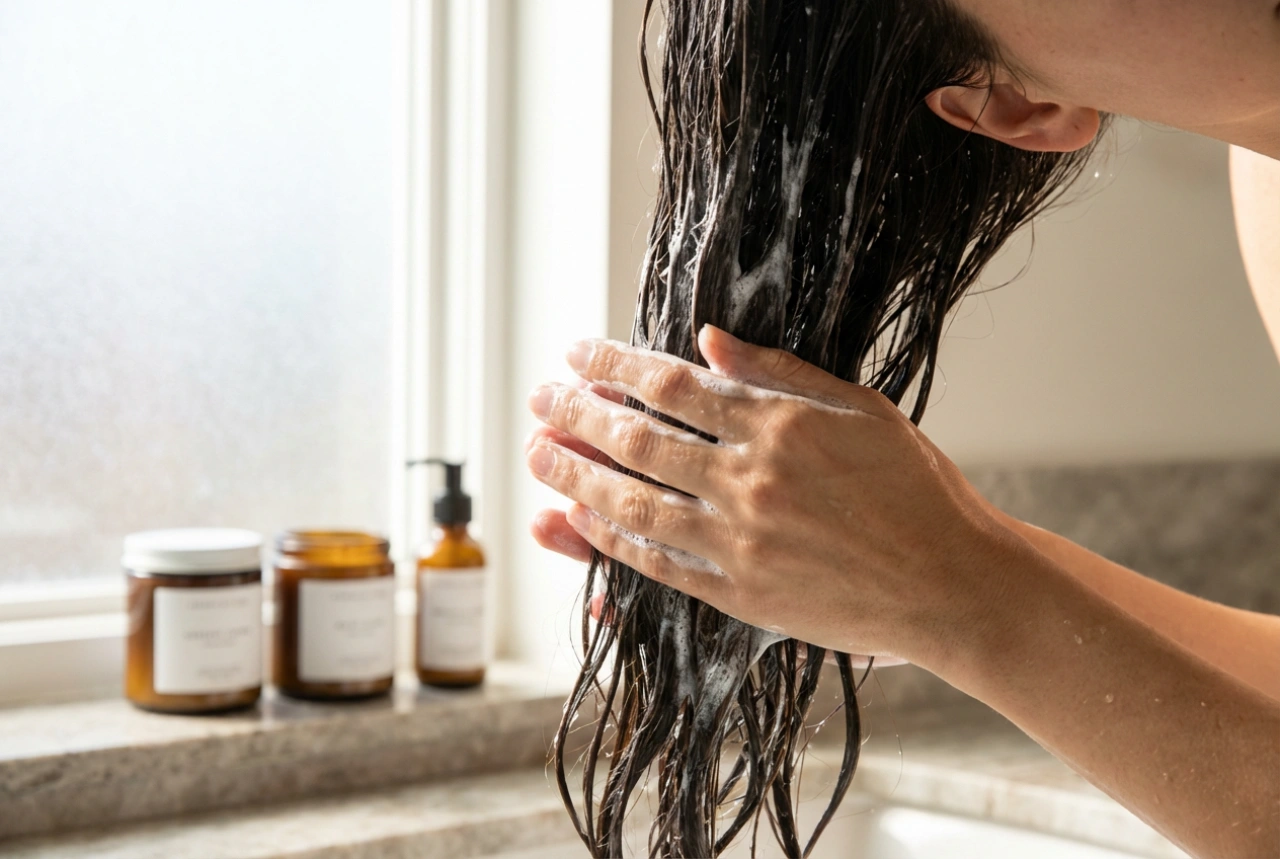
- Dilute the product: Instead of applying concentrated shampoo directly to your scalp, emulsify a small amount with water in your palms first. This ensures an even distribution and prevents any single area of the scalp from receiving too much active cleanser.
- Massage, don't scrub: Use the soft pads of your fingertips to gently massage the scalp in circular motions. Avoid using your fingernails, as this can cause micro-tears in the skin barrier, leading to irritation.
- Let the foam clean the lengths: You do not need to vigorously rub shampoo into the lengths of your hair. As you rinse the shampoo from your scalp, the diluted foam running down the hair shaft is more than sufficient to clean the rest of your hair gently.
- Rinse thoroughly: Spend extra time rinsing your hair with lukewarm water to ensure no residue is left behind, which could clog pores or cause itchiness.
Common Washing Mistakes to Avoid
Even with a gentle shampoo, certain habits can compromise your scalp's health. Recognizing these common mistakes can transform your routine:
- Using hot water: Very hot water strips natural oils much faster than lukewarm water and can dry out both the skin and the hair fibers.
- Over-washing: Unless your daily activities require it, washing your hair every single day might not be necessary. Giving your scalp a break allows the natural oils to balance themselves.
- Using too much product: A coin-sized amount of gentle shampoo is usually sufficient. Using excessive amounts does not make the hair cleaner; it only makes rinsing more difficult.
Post-Wash Care for a Healthy Barrier
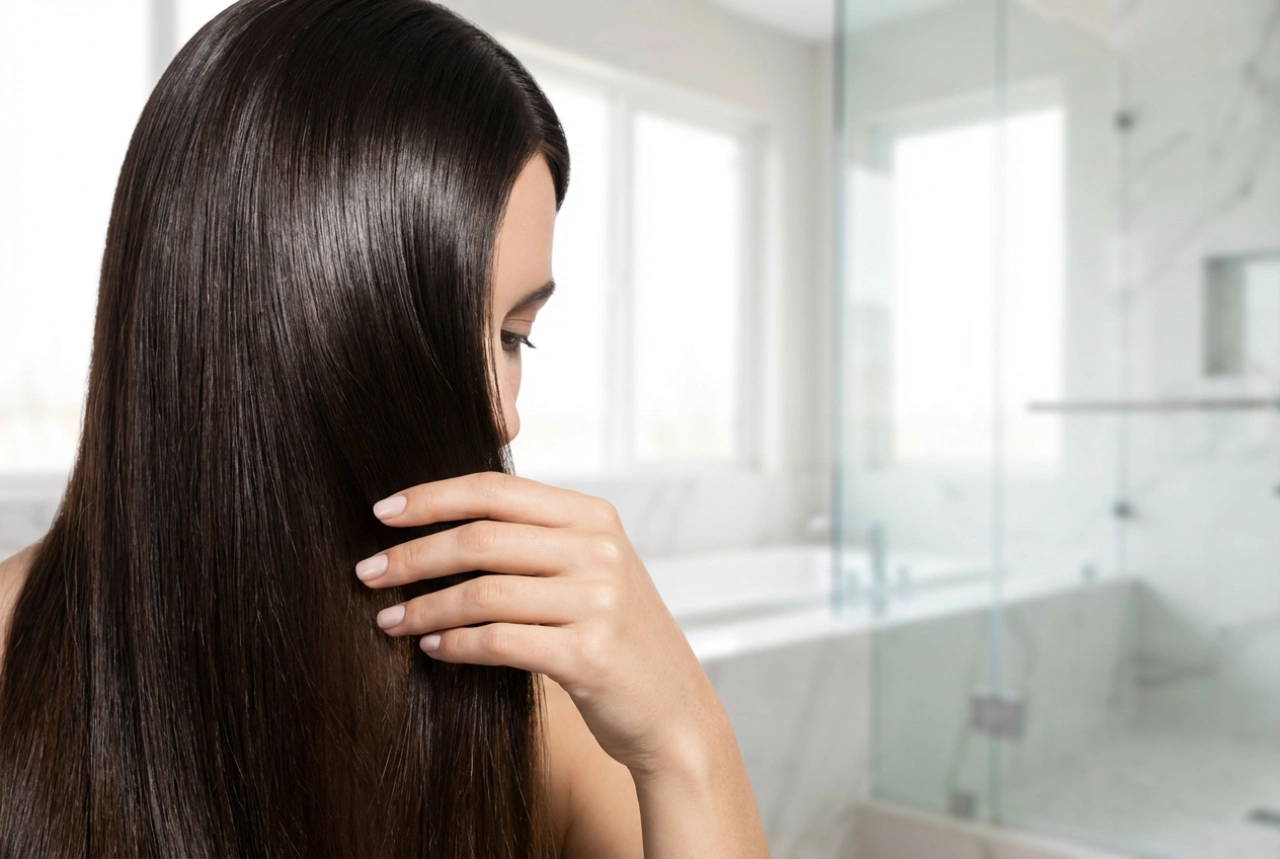
Once your hair is clean, the care continues. Treat your hair and scalp with gentleness even after stepping out of the shower. Instead of vigorously rubbing your hair with a rough towel, gently pat it dry or wrap it in a soft, absorbent towel to soak up excess moisture. When styling, opt for low heat settings on your hair dryer, and avoid applying styling products directly onto the scalp unless they are specifically designed to remain there. By combining a mild cleansing product with mindful washing and drying techniques, you support your scalp's natural ecosystem, resulting in stronger, shinier, and healthier-looking hair.