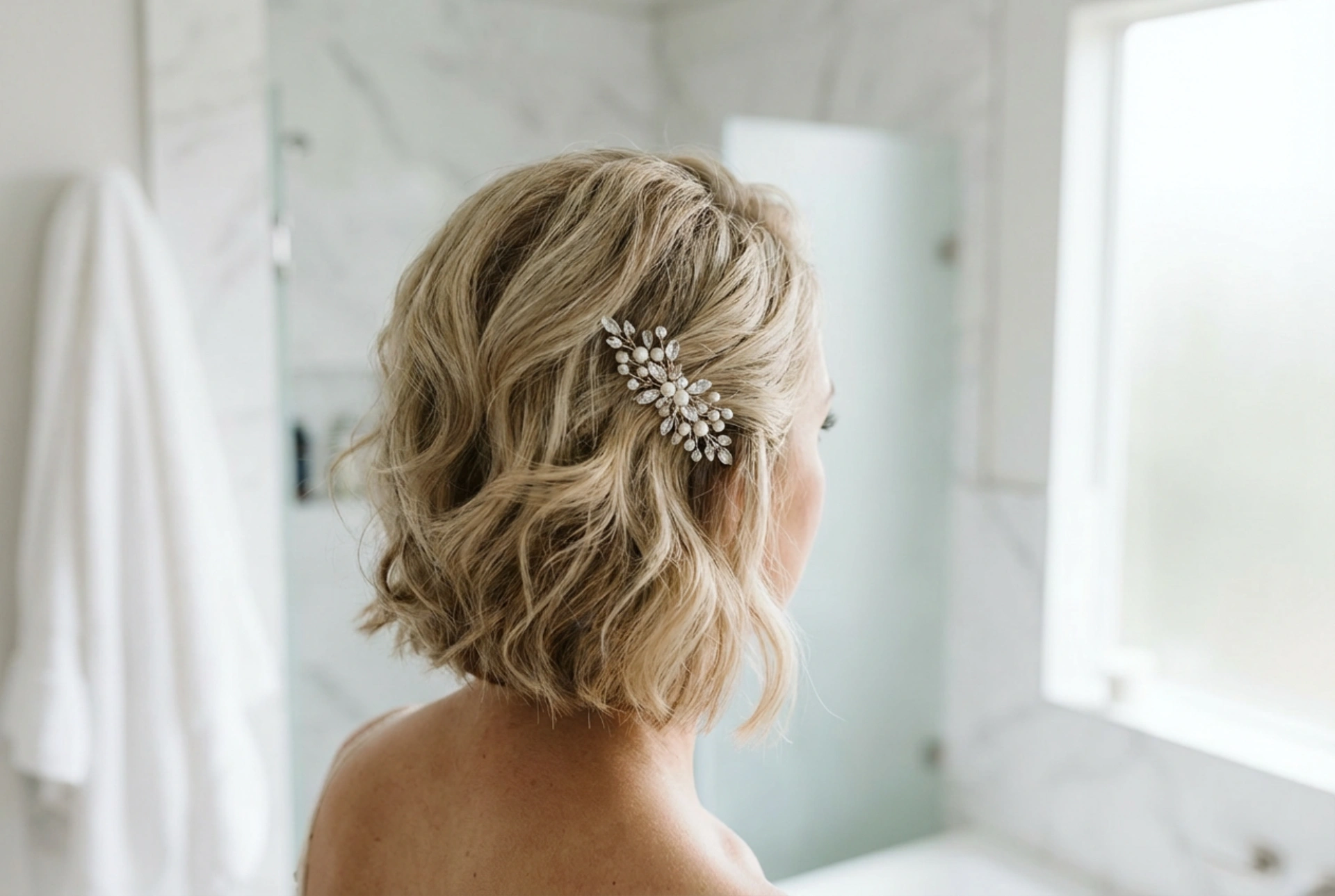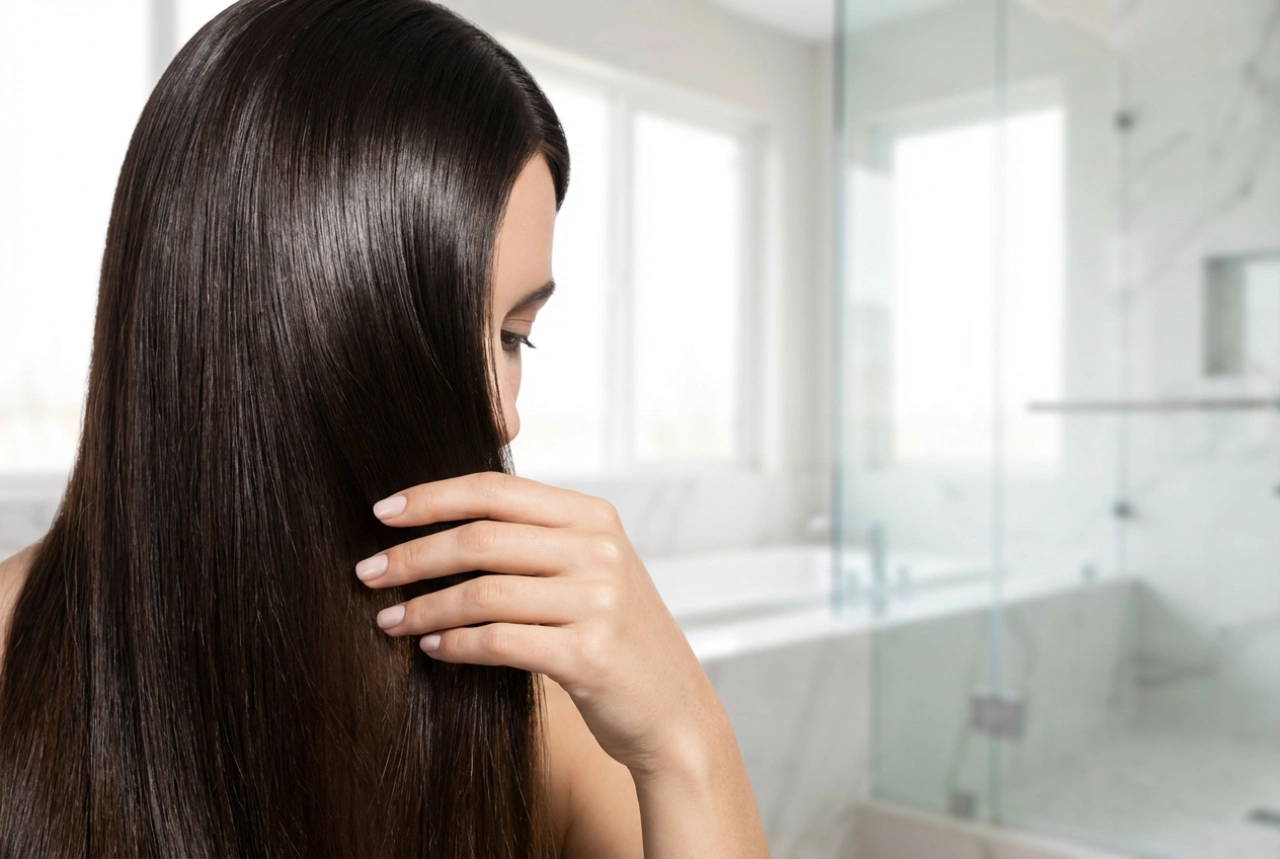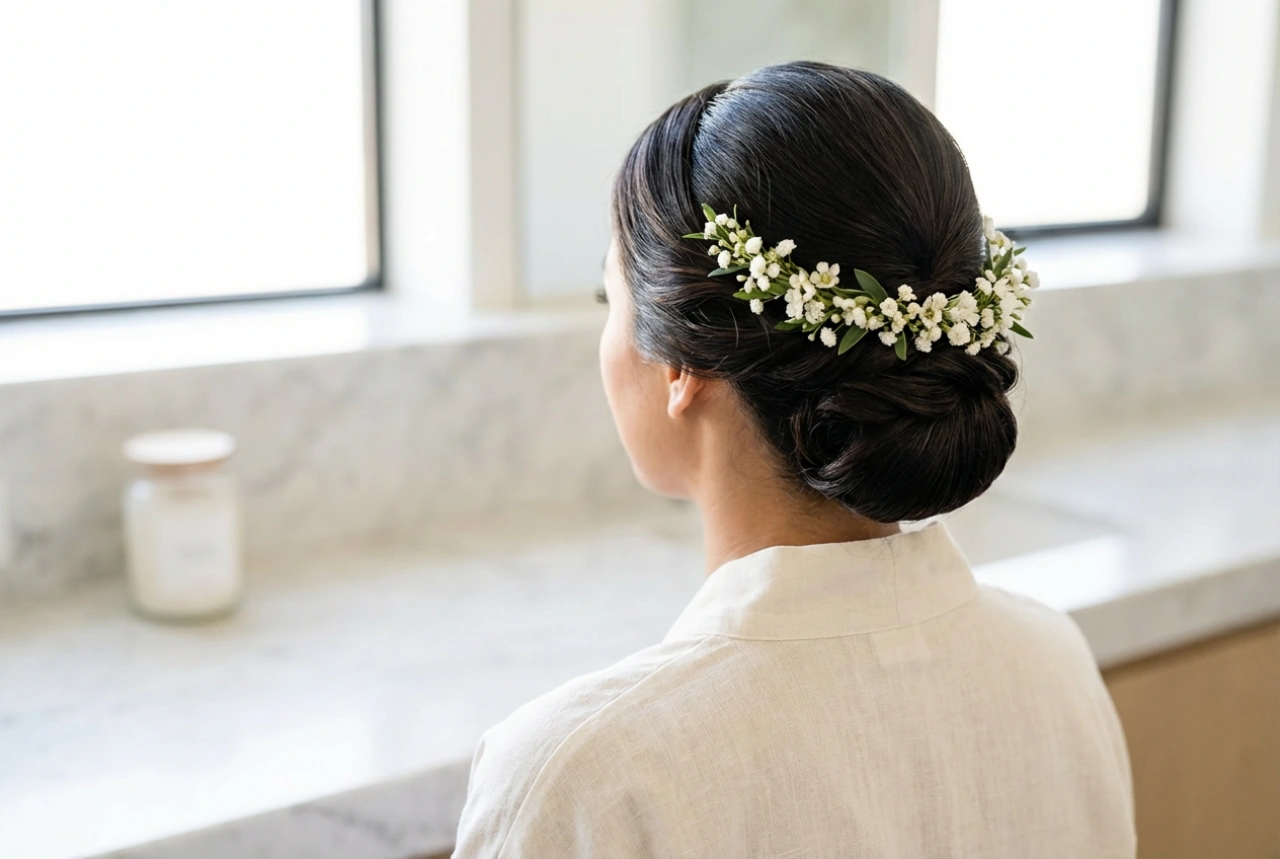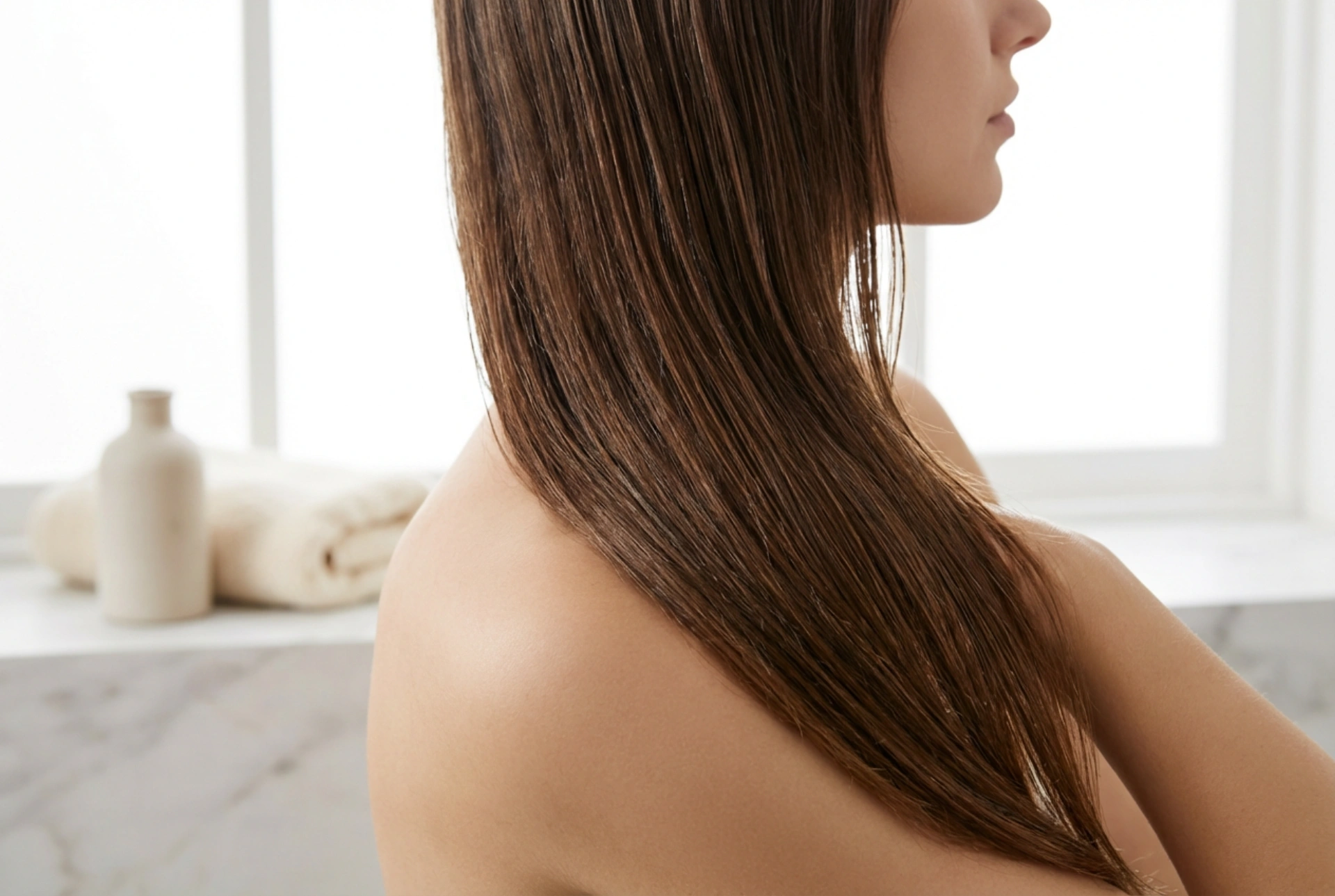


Achieving lustrous, healthy hair that falls gently over the shoulders with a natural shine is a common goal in daily beauty routines. However, the foundation of optimal hair care lies in a basic concept that is frequently misunderstood: the distinction between washing the scalp and washing the hair strands. While we often refer to the entire process simply as washing our hair, treating the scalp and the hair fibre as two distinct zones with different needs is key to maintaining a clean, balanced, and vibrant appearance.
Understanding the Difference: Scalp vs. Hair Fibre
The scalp is living skin, rich in sebaceous glands that produce natural oils, known as sebum. Sebum is essential for protecting the skin barrier and keeping the hair conditioned. However, when sebum accumulates, it attracts environmental dust, sweat, and styling residues, which can lead to a heavy, flat appearance. Therefore, the primary objective of washing the scalp is cleansing—removing excess oil, impurities, and dead skin cells to maintain a healthy environment for hair growth.
In contrast, the visible hair strands are composed of dead keratinised cells. They do not produce natural oils and are prone to dryness, friction, and environmental damage. While the scalp requires thorough cleansing, the hair lengths need preservation of moisture and protection from mechanical wear. Washing the lengths too aggressively with harsh cleansers can strip away the protective cuticle layer, leading to dullness, frizz, and breakage. Understanding this fundamental difference changes how we approach our cleansing routine.
How Often Should You Wash Your Scalp?
There is no universal rule for washing frequency, as it depends largely on individual scalp types and lifestyle factors. To determine your ideal routine, it is helpful to categorise scalp characteristics:
- Oily Scalp: If your roots become greasy within twenty-four hours of washing, you may need to wash your scalp daily or every other day. Using mild formulas prevents the scalp from overproducing sebum in response to excessive stripping.
- Normal Scalp: If your hair looks clean and holds volume for two to three days, washing twice or thrice a week is generally sufficient to maintain freshness without drying out the lengths.
- Dry or Sensitive Scalp: A scalp that produces minimal oil or feels tight may only require washing once or twice a week. Over-washing a dry scalp can lead to flakiness and discomfort.
The Art of the Wash: Step-by-Step Technique
To achieve the perfect balance of a clean scalp and hydrated lengths, your technique during a wash is crucial. Follow these steps for an optimal home routine:
1. Thorough Saturated Rinse
Before applying any product, ensure your hair and scalp are completely saturated with lukewarm water. Water helps loosen surface dirt and allows the cleansing product to distribute evenly without needing excessive amounts.
2. Targeted Cleansing
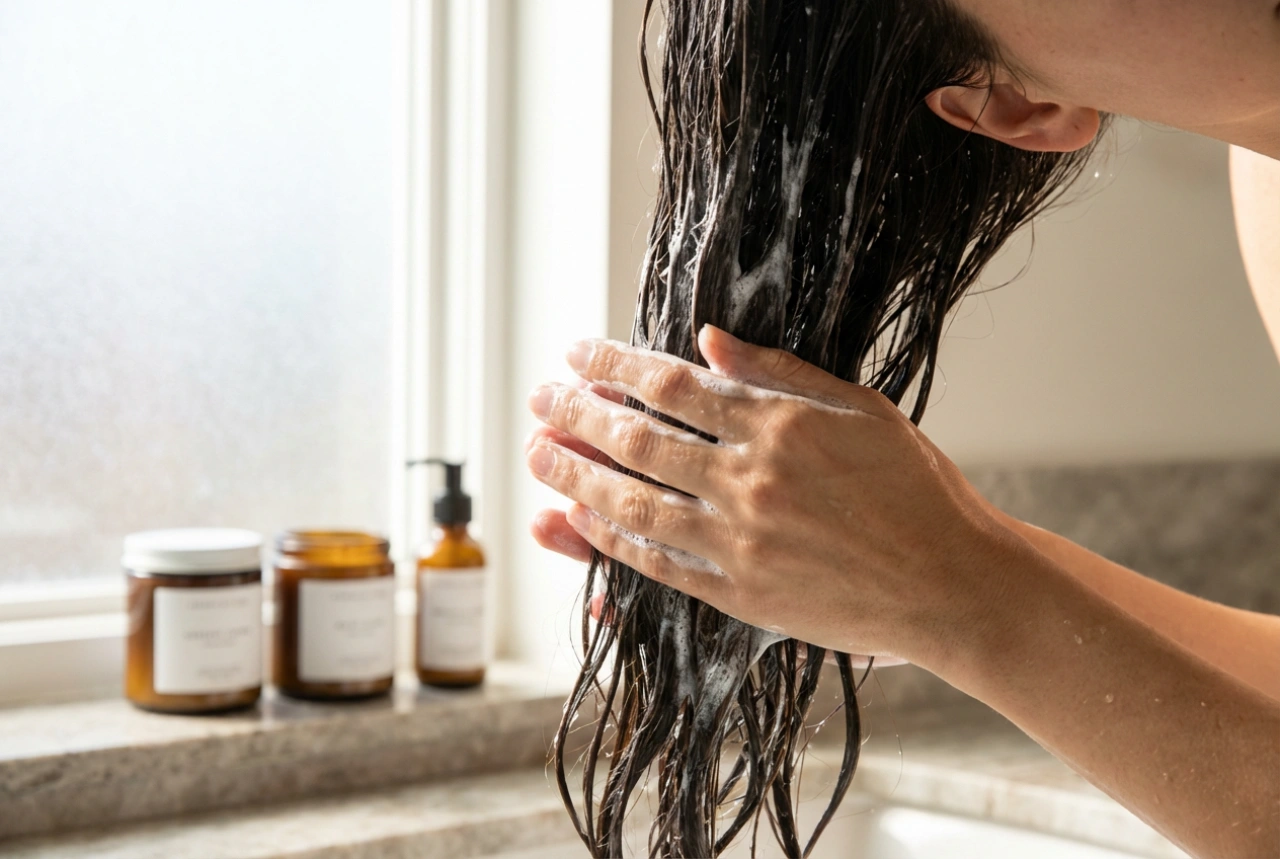
Apply a small amount of cleanser directly to your fingertips and massage it gently into the scalp using circular motions. Focus entirely on the roots, the nape of the neck, and the hairline. Avoid piling all your hair on top of your head to scrub, as this creates friction and tangles.
3. Gentle Length Rinsing
When rinsing the cleanser from your scalp, let the soapy water run down the lengths of your hair. This gentle flow is usually more than enough to cleanse the older, drier parts of the hair strands without stripping them of vital moisture.
4. Conditioning the Lengths
Always follow with a nourishing conditioner or mask, applying it strictly from the mid-lengths to the ends. Avoid applying conditioning products to the scalp, as this can weigh down the roots and accelerate oiliness.
Choosing Safe, Universal Products
Selecting the right formulations is essential for a balanced routine. Opt for gentle, sulfate-free cleansers that respect the natural pH of the skin. For those who wash their hair frequently, alternating with a mild, hydrating formula can prevent dryness. Occasionally, a deep-cleansing or clarifying treatment can be used to remove stubborn product buildup, but this should be limited to once every week or two depending on your styling habits.
Maintaining Hair Freshness Between Washes
To extend the time between washes and protect your hair from unnecessary water exposure, consider incorporating simple habits into your daily routine. Gently brushing your hair with a high-quality brush can help distribute the natural sebum from the scalp down to the dry ends, acting as a natural conditioner. Additionally, protecting your hair at night by loosely tying it up or using a smooth pillowcase can reduce friction and keep your style looking fresh for longer.