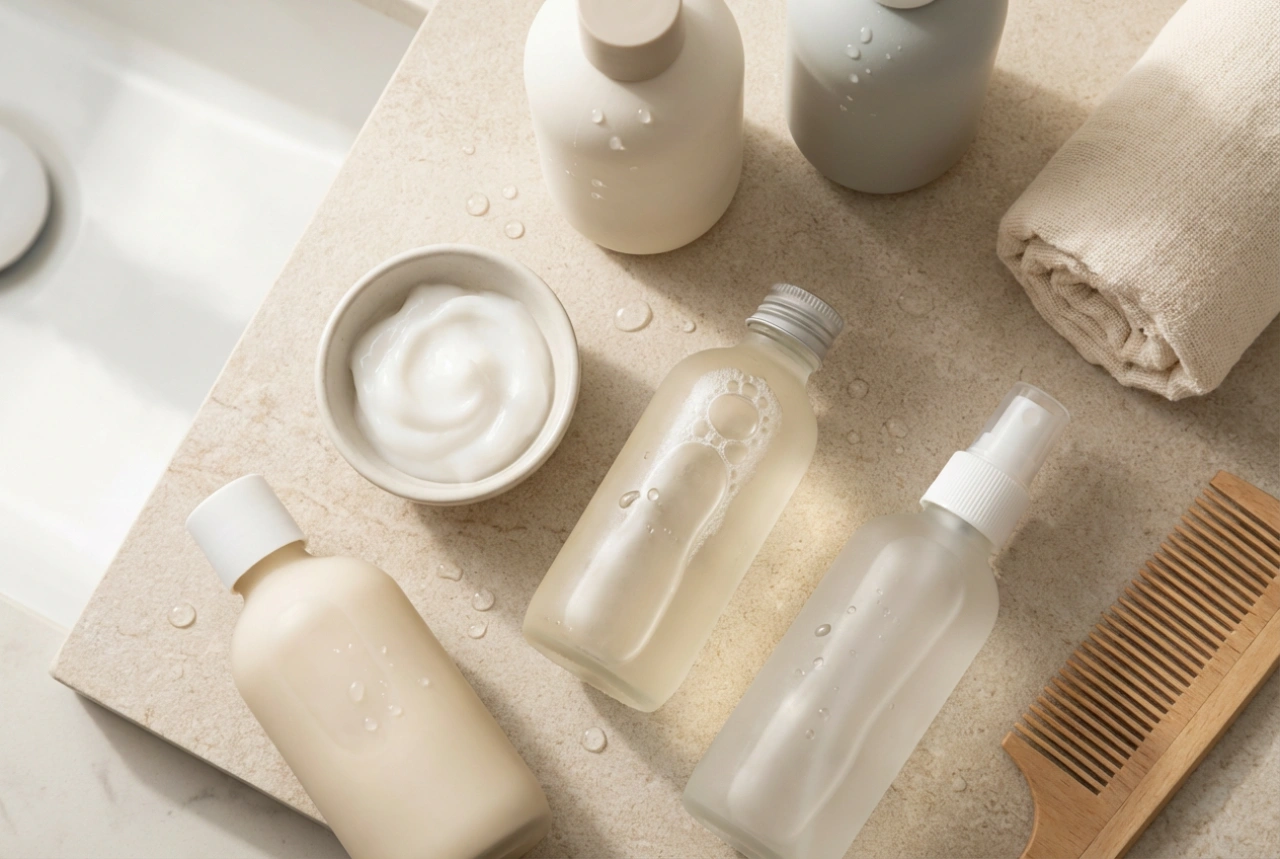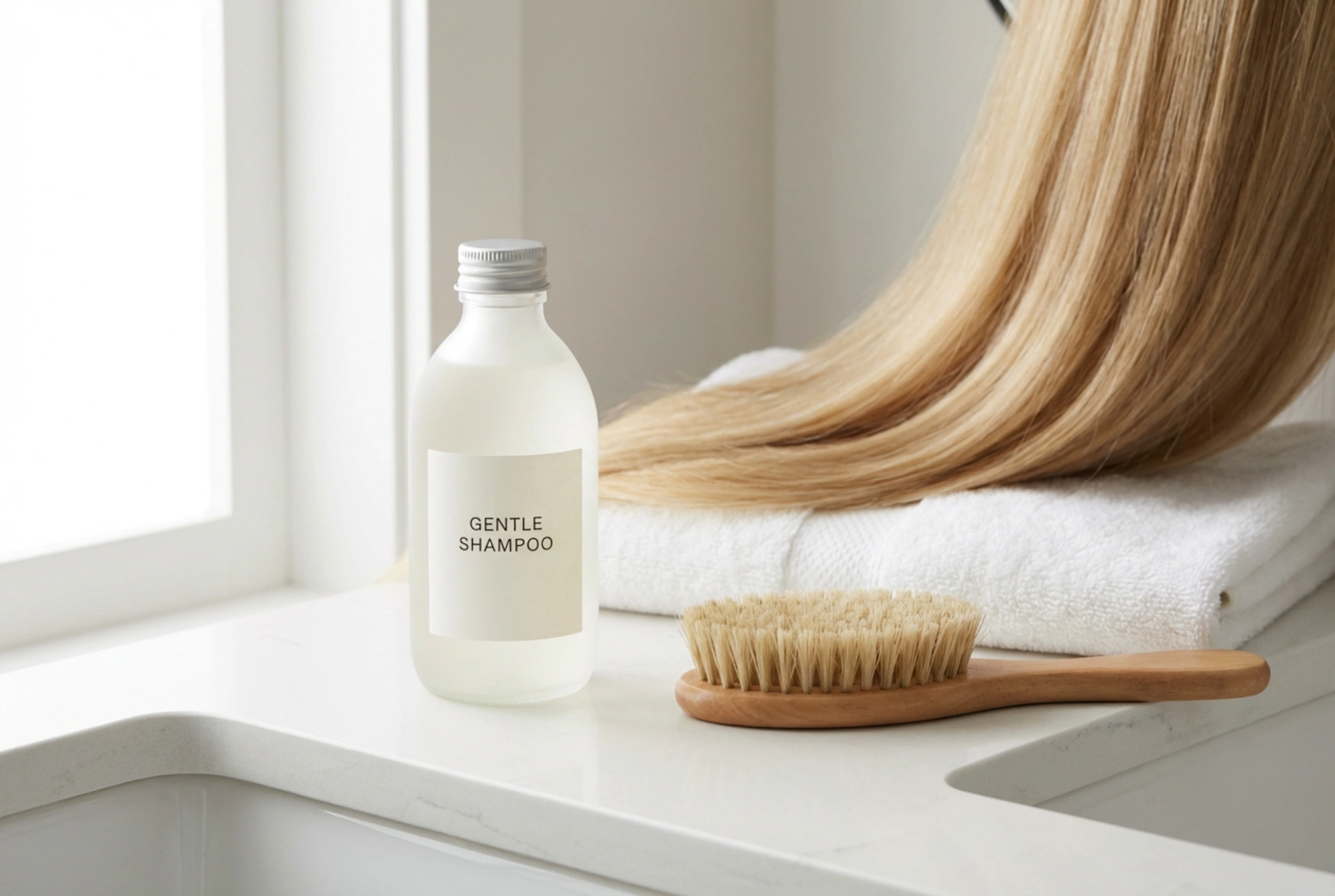


Stepping out of the salon with perfectly smooth, silky hair is a wonderful feeling. However, maintaining that beautiful, sleek look requires a shift in your daily hair care ritual. Imagine your bathroom counter adorned with a minimalist shampoo bottle, a soft natural bristle brush, and a plush towel, all set for a gentle cleansing routine. This visual represents the essence of post-keratin treatment care. To preserve the effects of this smoothing service, the key lies in how you cleanse and protect your hair at home. Traditional hair care products can be too harsh, stripping the protective layers and shortening the lifespan of your treatment. Understanding how to select the right shampoo and adopting gentle washing techniques is essential for keeping your locks smooth, shiny, and healthy-looking for months to come.
The Importance of Gentle Cleansing Post-Treatment
A keratin treatment works by smoothing the hair cuticle and filling in microscopic gaps along the hair shaft. This process creates a protective barrier that seals in moisture and blocks out humidity, resulting in reduced frizz and exceptional shine. However, this protective layer is sensitive to external factors, especially the cleansing agents used in everyday shampoos. Standard shampoos often contain strong surfactants designed to strip away oil and product build-up. While effective for untreated hair, these harsh cleansers can easily compromise the keratin barrier, causing it to wash away prematurely.
Choosing a dedicated, gentle cleansing formula ensures that you remove excess sebum and environmental impurities without disturbing the delicate structure of your treated hair. By opting for mild alternatives, you allow the keratin to remain bonded to the hair shaft longer. This not only maintains the sleek appearance of your hair but also preserves its overall strength and elasticity, making daily styling much more manageable.
How to Choose the Right Shampoo
When browsing the shelves for post-keratin hair care, reading the ingredient label becomes highly important. The ideal shampoo should be designed to support moisture retention while offering a very mild cleansing action. Here are the key components to look for and those to avoid:
- Sulfate-Free Formulas: Sulfates are common lathering agents that can strip moisture and protein from the hair. Always opt for shampoos explicitly labeled as sulfate-free to protect your treatment.
- Sodium Chloride Avoidance: Sodium chloride, or common salt, is often used as a thickener in cosmetics. However, it can dissolve keratin, leading to a quicker deterioration of your treatment. Look for salt-free options.
- Hydrating Botanical Extracts: Ingredients such as aloe vera, chamomile, and herbal infusions help soothe the scalp while providing lightweight hydration to the hair fibers.
- Gentle Plant-Derived Surfactants: Look for cleansers derived from coconut or sugars, such as coco-glucoside or decyl glucoside, which cleanse effectively without stripping.
- Nourishing Natural Oils: Small amounts of lightweight oils, like argan or jojoba oil, help maintain the hair's natural moisture barrier and add a subtle shine.
Best Practices for Washing Keratin-Treated Hair
The products you use are only half the battle; how you apply them matters just as much. Developing a mindful washing routine will extend the life of your smooth hair and prevent unnecessary mechanical damage. Start by thoroughly saturating your hair with lukewarm water. Hot water can open the hair cuticle, allowing the keratin to escape, while cold water may not cleanse effectively.
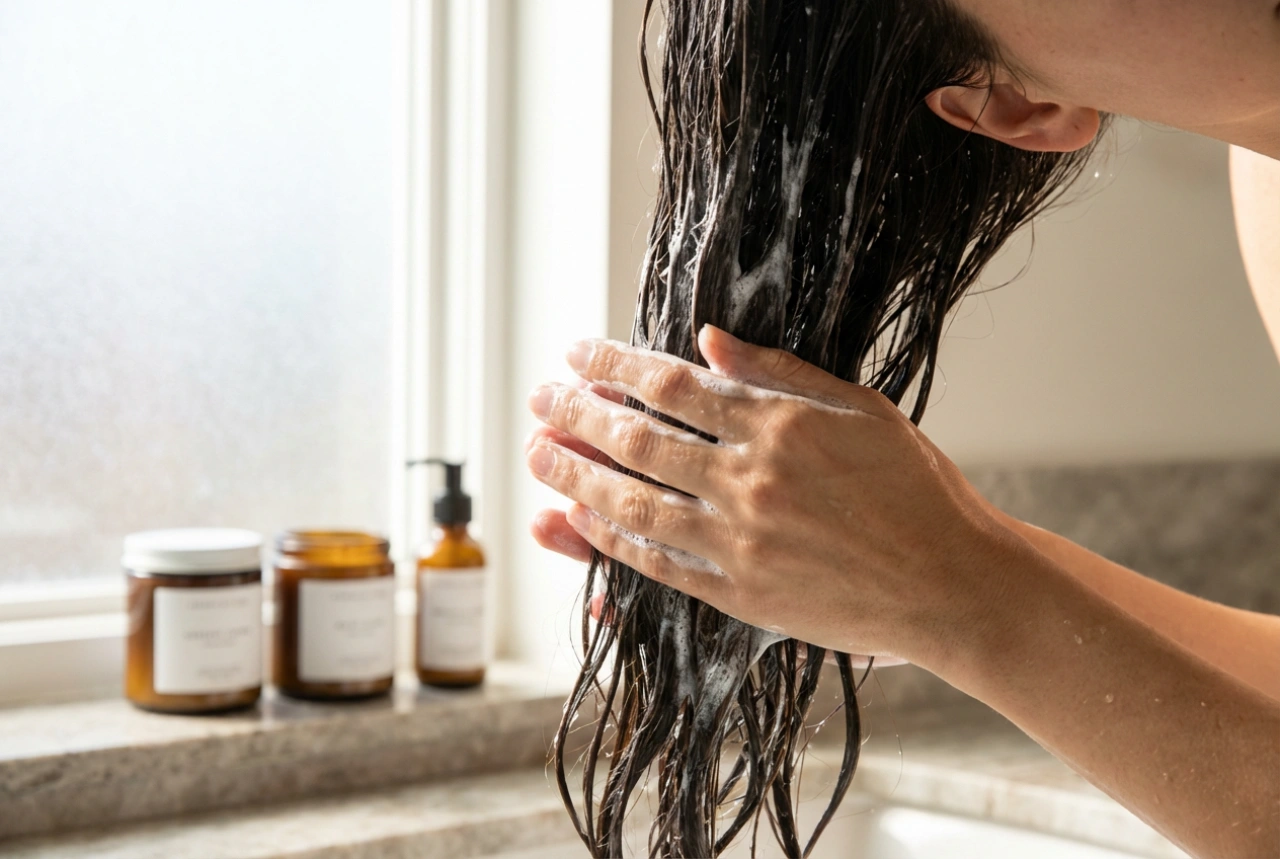
Apply a small amount of your gentle shampoo directly to the scalp. Instead of rubbing the lengths of your hair vigorously, massage the scalp gently with your fingertips to dissolve sebum and dirt. As you rinse, let the soapy water run down the lengths of your hair—this gentle flow is usually sufficient to cleanse the ends without causing friction. Avoid piling your hair on top of your head while washing, as this can cause tangles and disrupt the smoothed cuticle layer.
Conditioning and Drying After Cleansing
After a gentle wash, locking in moisture with a compatible conditioner is a vital step. Focus the conditioner primarily on the mid-lengths and ends of your hair, avoiding the scalp to prevent flat or greasy roots. Leave the product on for a few minutes to allow the nourishing ingredients to penetrate, then rinse thoroughly with cool water to help seal the cuticle.
When it comes to drying, step away from rough cotton towels. Instead, gently squeeze excess water from your hair using a soft microfiber towel or a clean cotton t-shirt. Avoid rubbing, which can create frizz and raise the hair cuticle. If you choose to blow-dry, use a medium or cool heat setting and direct the airflow downwards from roots to ends to maintain the sleek, aligned structure of the hair fibers.
Maintaining the Results Between Washes
To maximize the longevity of your treatment, it is best to reduce the frequency of your washes. Washing your hair two to three times a week is generally sufficient for most hair types. On non-wash days, protect your hair from humidity during showers by wearing a waterproof cap. Additionally, incorporating a gentle natural bristle brush into your daily routine will help distribute the natural oils from your scalp down to the dry ends, keeping your hair naturally conditioned and beautifully smooth without the need for frequent washing.