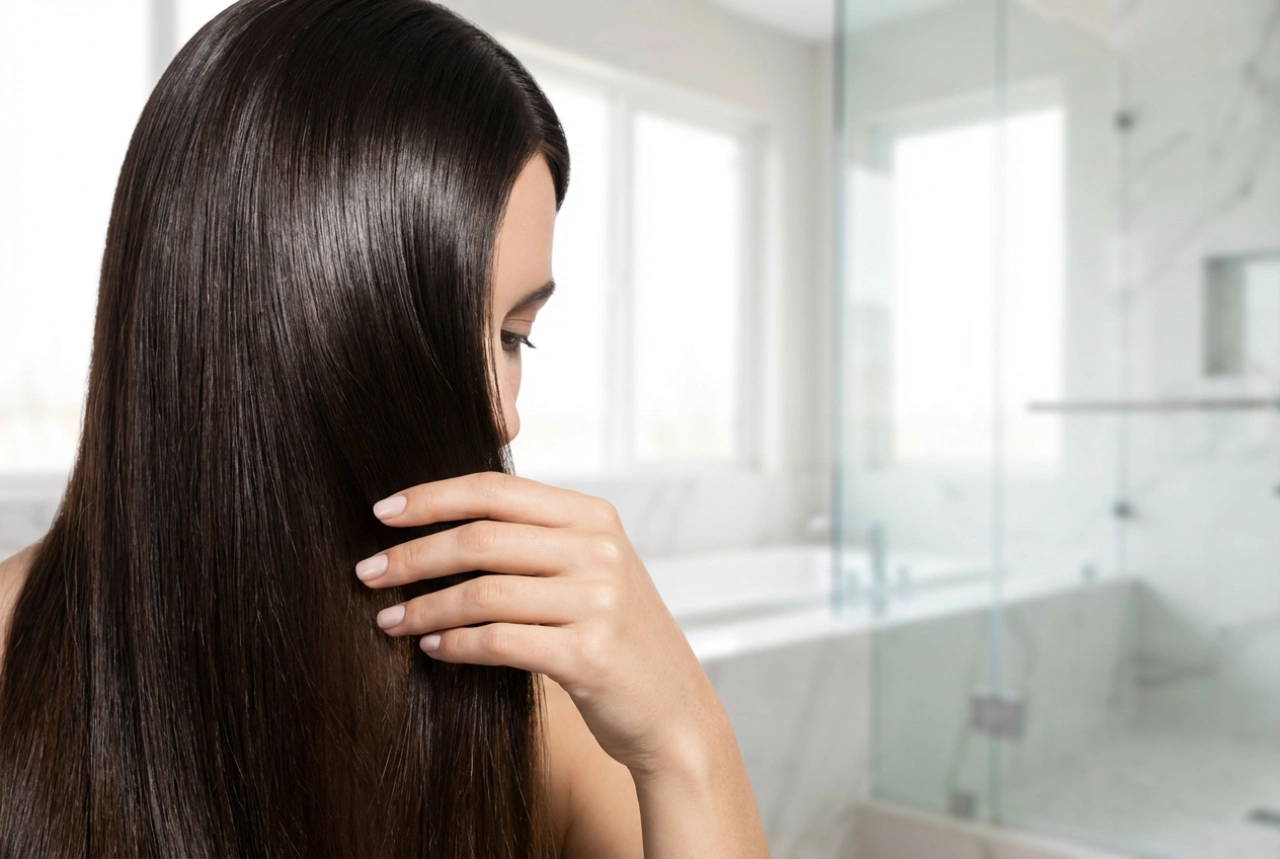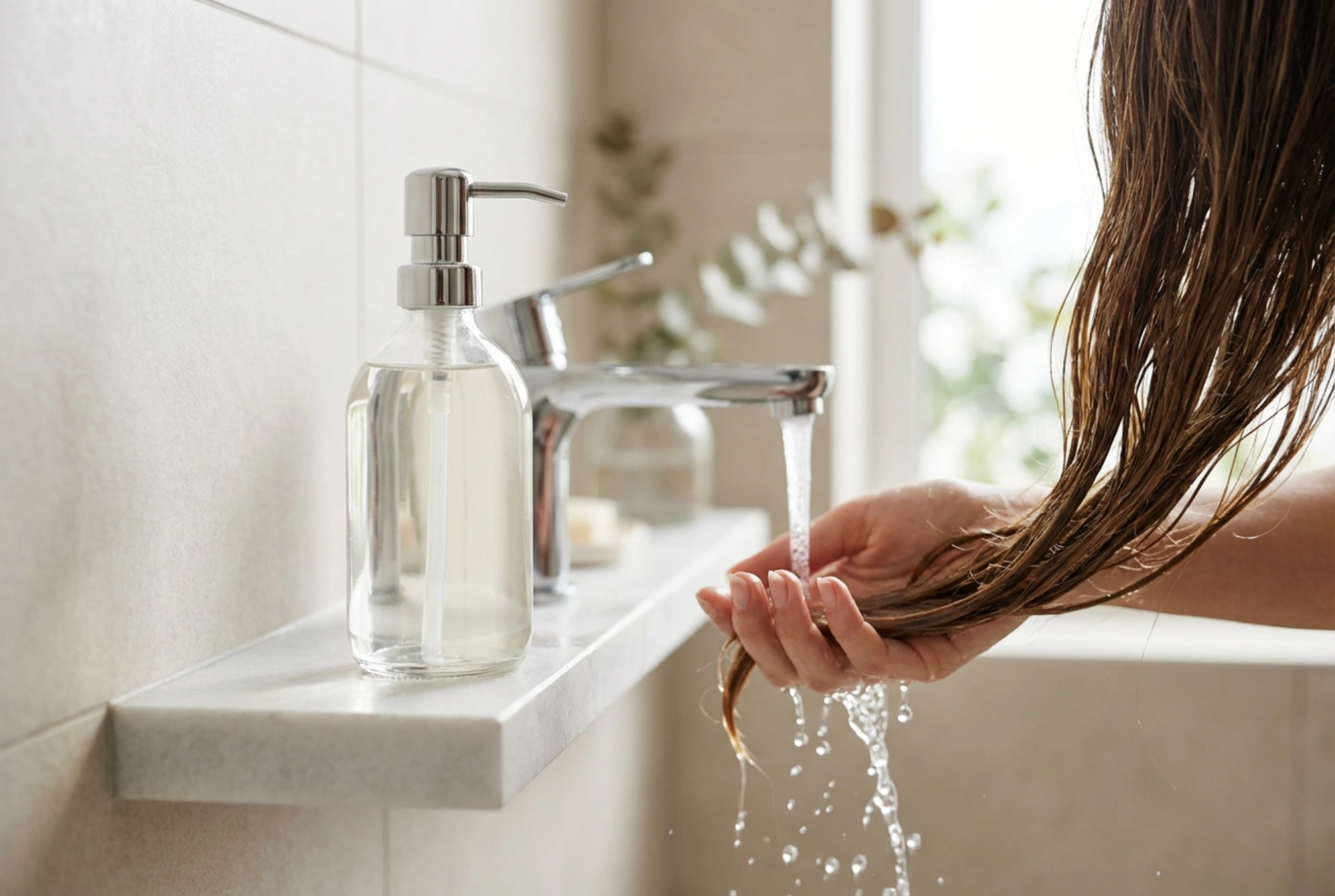


Many of us invest in high-quality hair care products, from nourishing masks to specialised oils, only to find that our hair remains dull, dry, and difficult to style. Often, the culprit is not the products themselves, but the water we use to wash our hair. Hard water, which is rich in dissolved minerals such as calcium, magnesium, and copper, leaves an invisible layer of mineral build-up on the hair shaft. This residue acts as a barrier, preventing moisture from penetrating and making the hair feel stiff and lifeless. Rinsing your hair with clear, purified water can feel incredibly refreshing, but when hard water is a daily reality, a standard wash is rarely enough. This is where chelating shampoos become an essential tool in a modern hair care routine.
Understanding Hard Water and Hair Build-Up
Hard water is common in many regions, and its effects on household appliances are well-documented. However, its impact on our hair is often overlooked. Every time you wash your hair with hard water, minerals bond to the negatively charged proteins in your hair fibres. Over time, this accumulation creates a stubborn coating that regular shampoos cannot dissolve.
This mineral layer has several negative consequences for hair health and appearance:
- Loss of Shine: The mineral crust scatters light rather than reflecting it, leaving hair looking matte and lifeless.
- Dryness and Brittleness: Because the barrier prevents hydrating ingredients from penetrating the hair shaft, hair becomes increasingly dry and prone to breakage.
- Weighed-Down Strands: Accumulation of calcium and magnesium makes the hair heavy, flat at the roots, and difficult to style.
- Colour Alteration: Copper and iron in water can react with hair dye, causing blonde hair to turn brassy or greenish, and dark hair to lose its vibrancy.
What is a Chelating Shampoo?
To address the specific challenge of mineral build-up, standard clarifying shampoos are often insufficient. While clarifying formulas are excellent for removing excess sebum, styling polymers, and silicones, they are not designed to break the chemical bonds formed by mineral ions. For this task, a chelating shampoo is required.
The term "chelation" comes from the Greek word for claw, which perfectly describes how these shampoos work. Chelating shampoos contain specific active agents, known as chelators, which chemically bind to the mineral ions deposited on the hair. Once bound, these minerals are suspended in the lather and can be easily rinsed away with water, leaving the hair truly clean and refreshed.
Common chelating agents to look for in ingredient lists include Tetrasodium EDTA, Disodium EDTA, and citric acid. These ingredients work gently yet effectively to neutralise the mineral shield without stripping the hair of its natural structure when used correctly.
Signs That Your Hair Needs Chelating
Knowing when to incorporate a chelating shampoo into your routine depends largely on your water quality and your hair's behaviour. You might benefit from a chelating treatment if you notice any of the following signs:
- Your hair feels coated or sticky even immediately after washing.
- Your favourite hydrating masks and conditioners seem to have stopped working.
- Your hair feels unusually stiff, rough, or tangles easily.
- Your scalp feels congested, yet your hair lengths are dry and parched.
- You live in an area known for very hard water, or you swim regularly in chlorinated pools, which also introduce copper and other chemicals to the hair.
How to Safely Use a Chelating Shampoo at Home
Because chelating shampoos are highly effective at deep cleansing, they should be treated as a targeted treatment rather than a daily cleanser. Overusing them can strip the hair of its natural protective oils, leading to dryness. To achieve the best results without compromising hair health, follow these guidelines:
1. Determine the Frequency
For most people living in hard water areas, using a chelating shampoo once every two to four weeks is sufficient. If you swim regularly or notice rapid build-up, you may increase this to once a week. If you have soft water, you may only need to chelate once every few months to remove environmental pollutants.
2. Application Technique
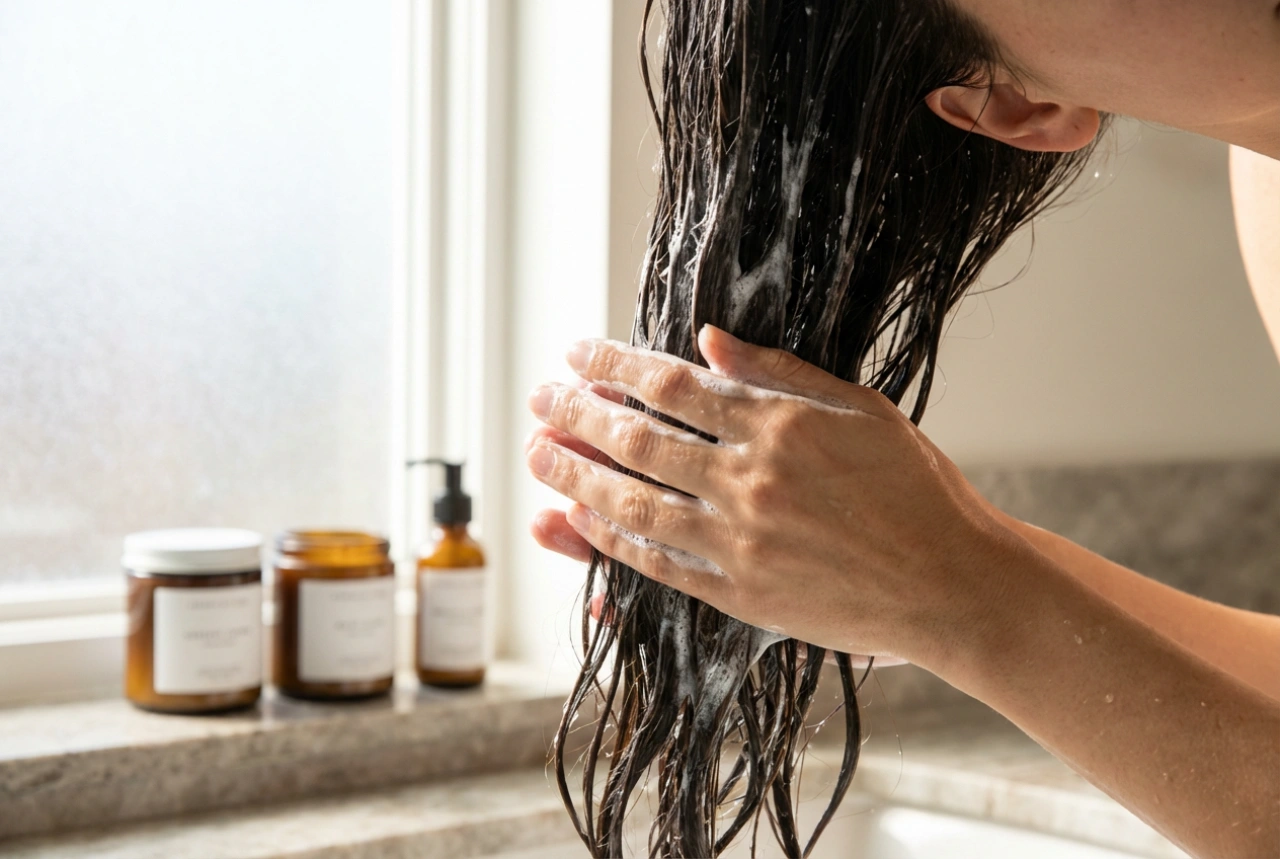
Wet your hair thoroughly with warm water to help open the hair cuticles. Apply a moderate amount of the chelating shampoo, focusing on the lengths and ends where mineral build-up is typically most concentrated, as well as the scalp. Massage gently to create a rich lather. Unlike regular shampoos, it is beneficial to leave a chelating formula on the hair for two to three minutes to allow the chelating agents to bind to the minerals before rinsing thoroughly.
3. Follow with Intensive Hydration
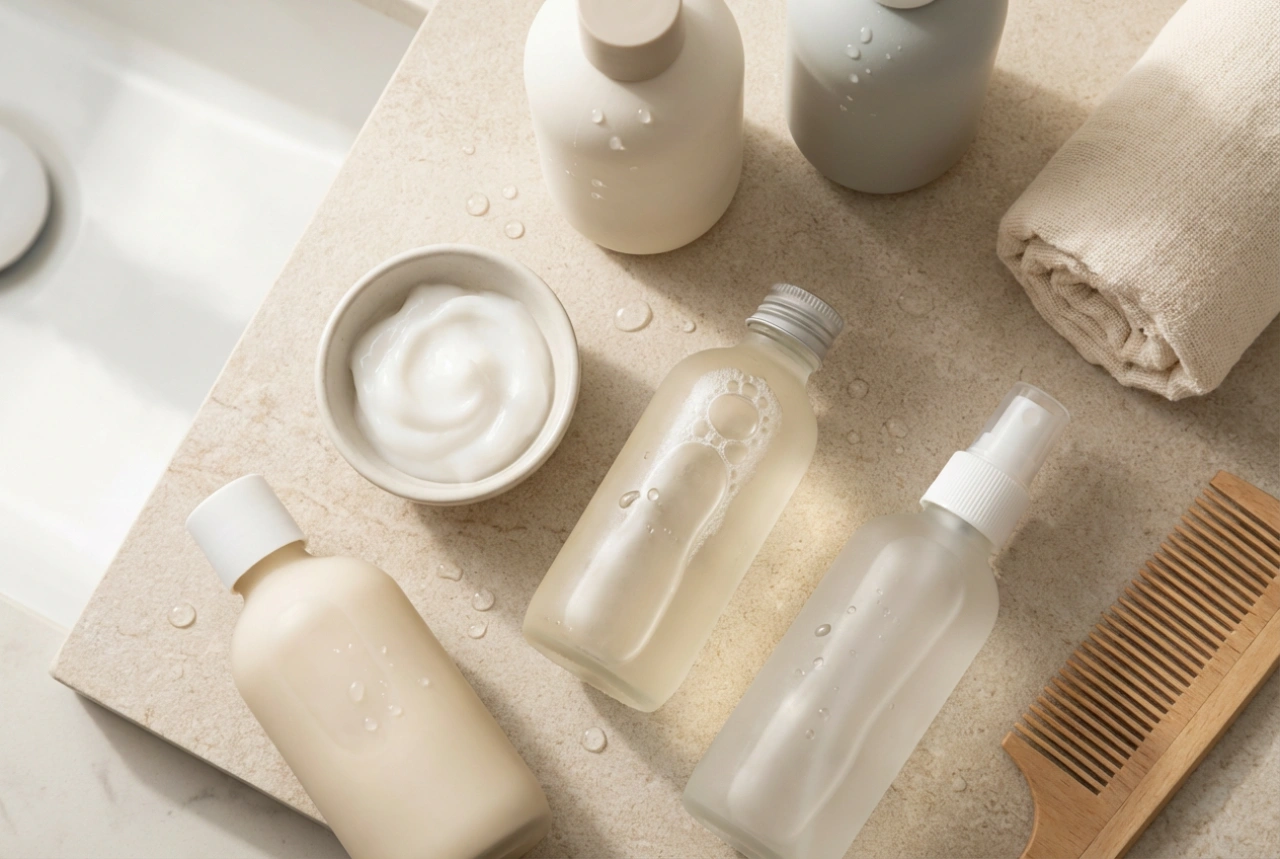
Once the mineral barrier is removed, your hair is highly receptive to moisture. This is the perfect time to apply a rich, hydrating hair mask or a deep conditioner. Look for products rich in natural oils, emollients, and humectants to restore moisture and seal the hair cuticle, ensuring a soft, shiny finish.
Long-Term Management of Hard Water Effects
While chelating shampoos are the most effective way to remove existing build-up, you can also take preventative measures to protect your hair. Installing a shower filter designed to reduce chlorine and mineral content can significantly lower the rate of build-up. Additionally, finishing your wash with a final rinse of filtered or distilled water can help minimise the deposition of new minerals, keeping your hair looking vibrant, light, and healthy for longer.